Loading subject page…


286,218 views


Video Summary: What Is Chromosome Replication
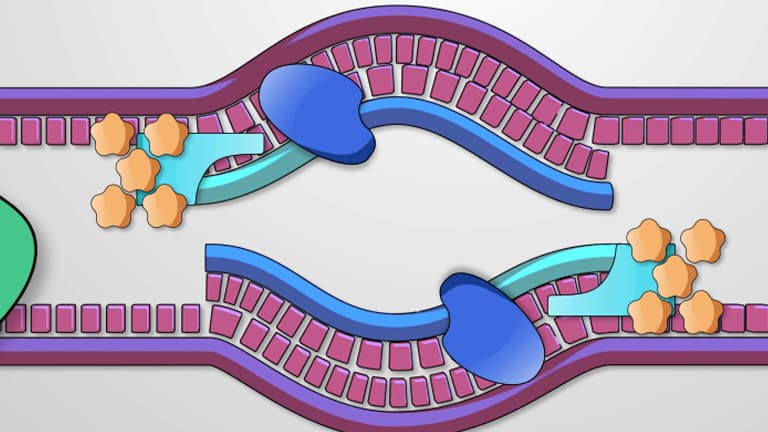
Every time you get a cut that heals, chromosome replication ensures each new cell receives an exact copy of your DNA blueprint. Chromosome replication is the precise process where cells duplicate their entire genetic material during the S phase of the cell cycle. This complex mechanism involves thousands of replication origins working simultaneously across human chromosomes, similar to how the National Institutes of Health coordinates multiple research projects to complete genome sequencing efficiently. Watch the full video on JoVE Coach to master this concept with expert-led visuals and step-by-step explanations.
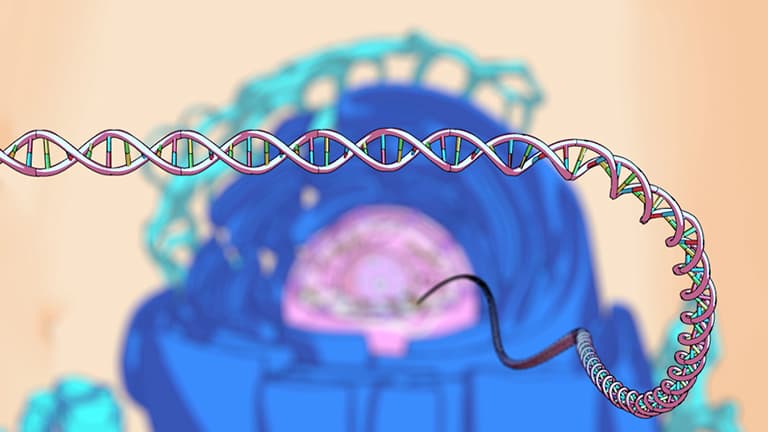
What is chromosome replication represents one of biology's most sophisticated quality control systems. This process ensures that every daughter cell receives an identical copy of genetic information, maintaining the integrity of an organism's blueprint across generations of cell divisions. Unlike simple photocopying, chromosome replication involves intricate molecular machinery that must navigate the complex three-dimensional structure of chromatin while maintaining perfect fidelity.
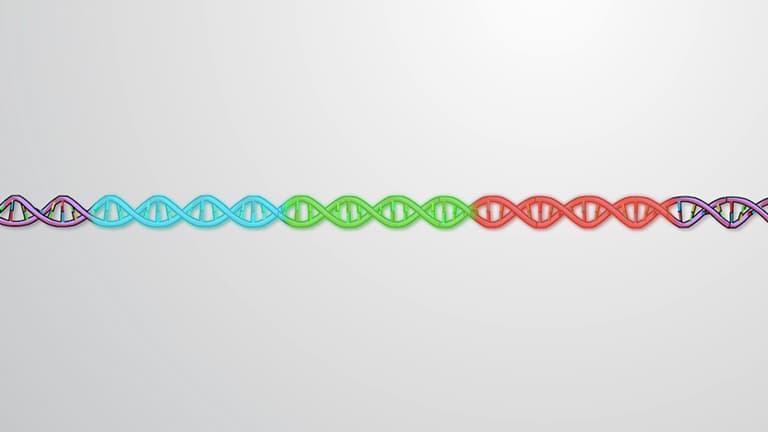
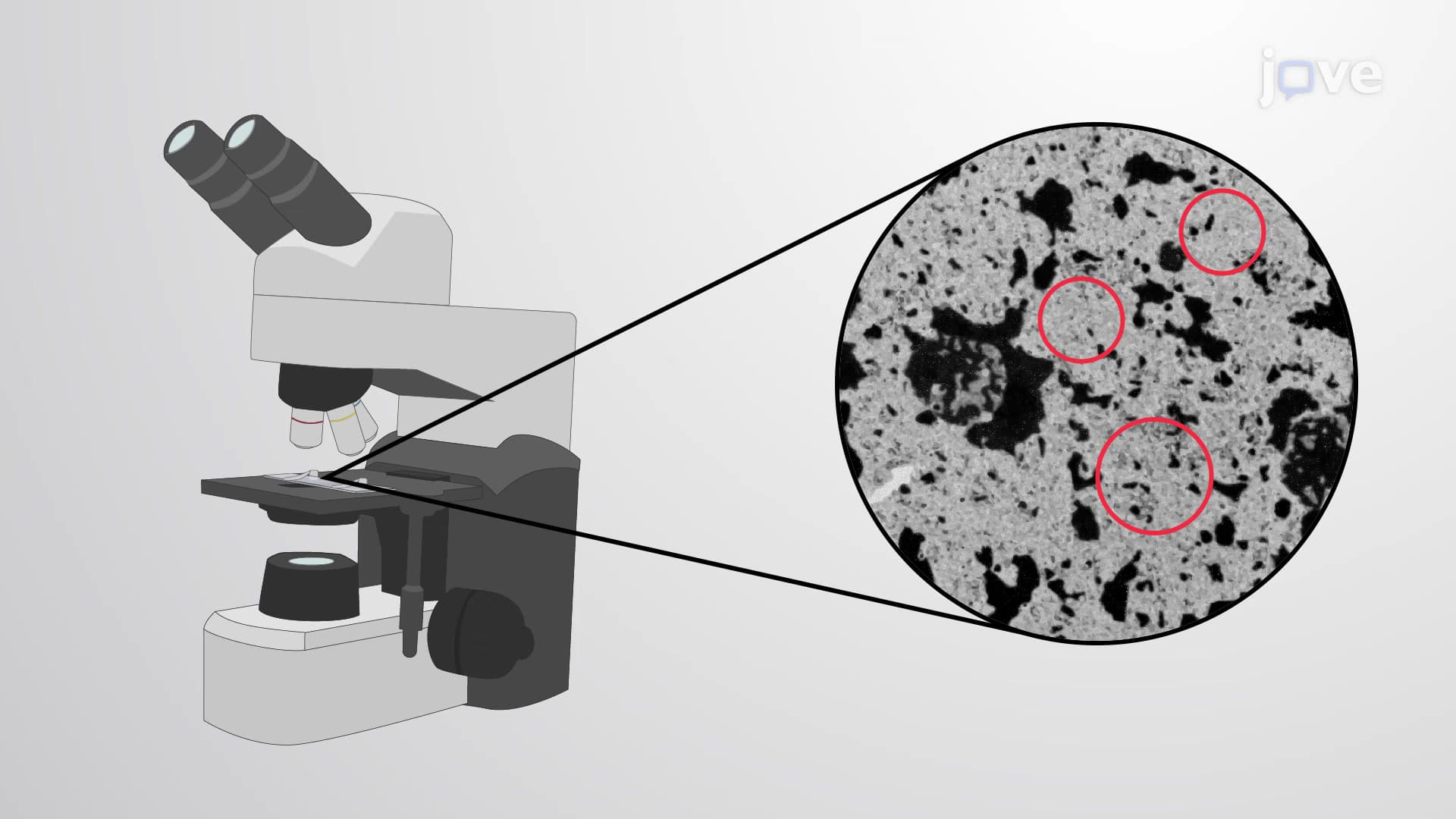
The human genome contains an estimated 30,000-50,000 origins of replication, strategically distributed to complete DNA duplication within the typical 6-8 hour S phase window. These origins function like starting points for molecular copy machines, with the origin recognition complex (ORC) serving as the initial binding platform. Each replicon-the stretch of DNA between an origin and its termination points-varies in size from 50,000 to 200,000 base pairs in human cells.
This distributed approach proves essential for organisms like humans with 3.2 billion base pairs of DNA. Consider the analogy of the US Postal Service: rather than processing all mail from a single location, regional distribution centers handle specific geographic areas simultaneously. Similarly, multiple replication origins ensure timely completion of genome duplication, preventing cells from spending excessive time in S phase.
Different cell types exhibit distinct replication timing patterns, reflecting their specialized functions and regulatory needs. For example, actively dividing stem cells in bone marrow initiate replication earlier and more synchronously than differentiated muscle cells. This temporal regulation appears on standardized exams like the MCAT, where students must understand how cellular specialization influences basic processes like DNA replication.
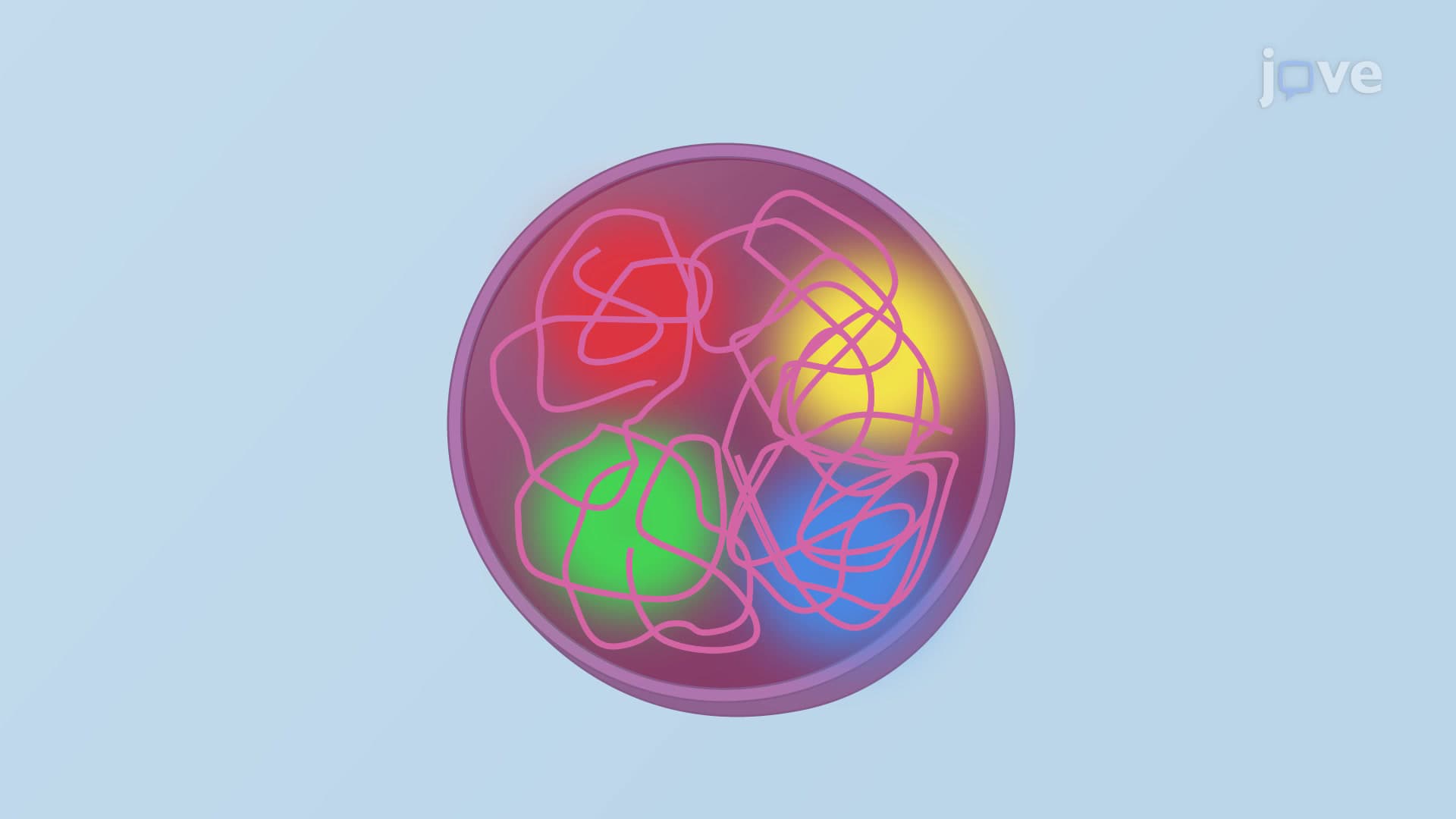
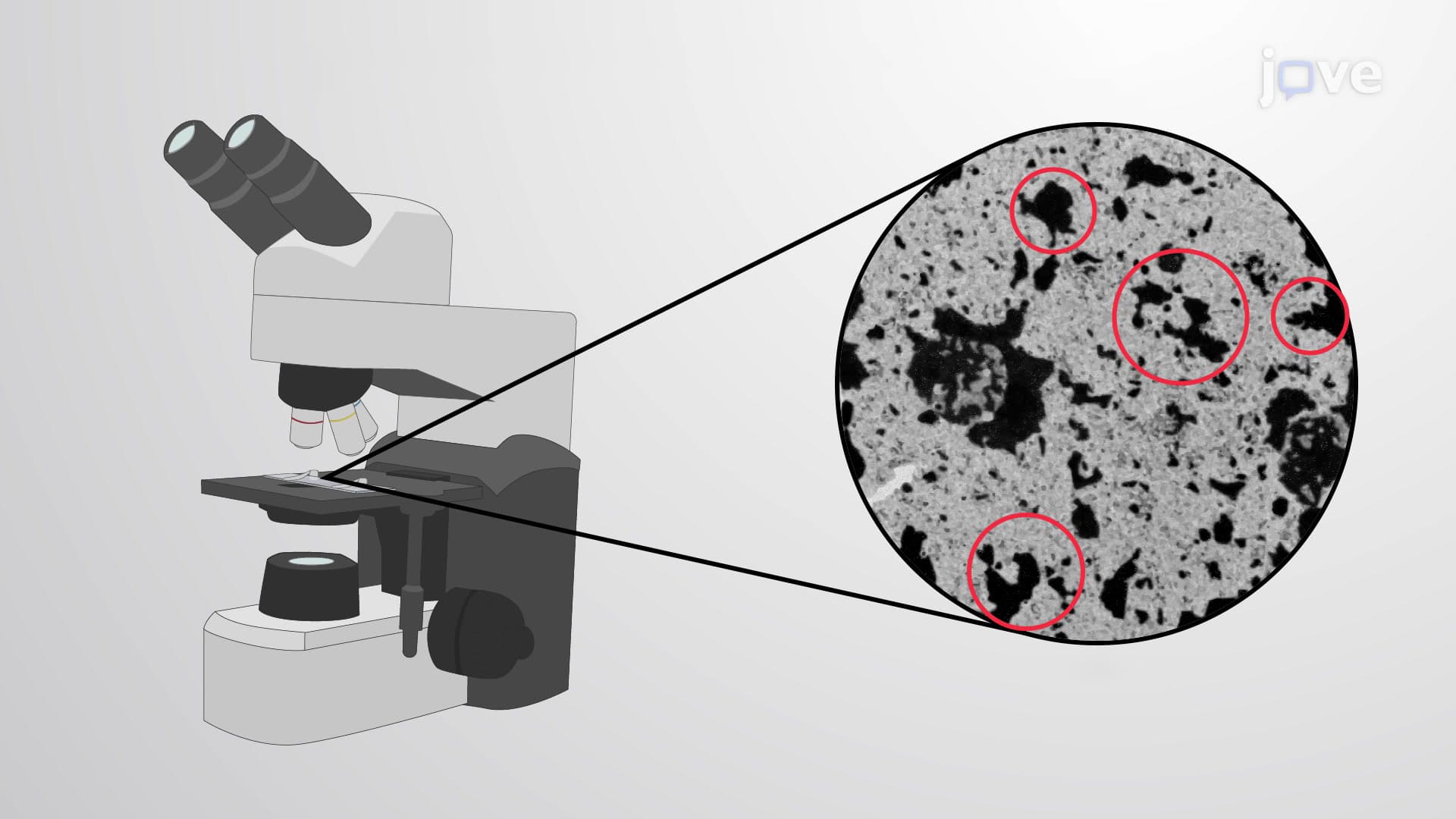
The clustering of origin activation creates replication timing domains, with early-replicating regions often corresponding to actively transcribed genes. Late-replicating regions frequently contain heterochromatin and repetitive sequences. This pattern has clinical significance-many cancer cells show disrupted replication timing, contributing to genomic instability.
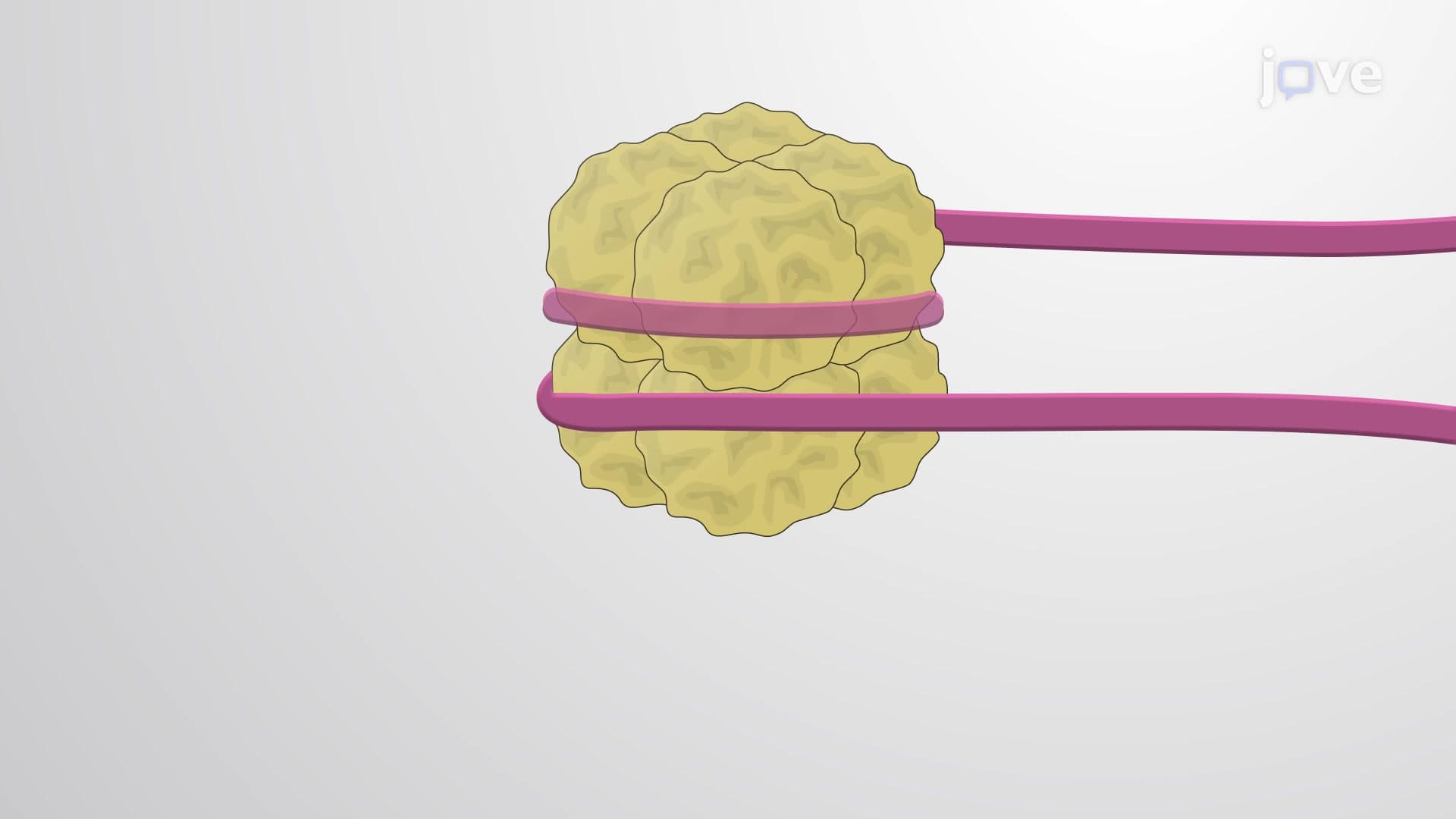
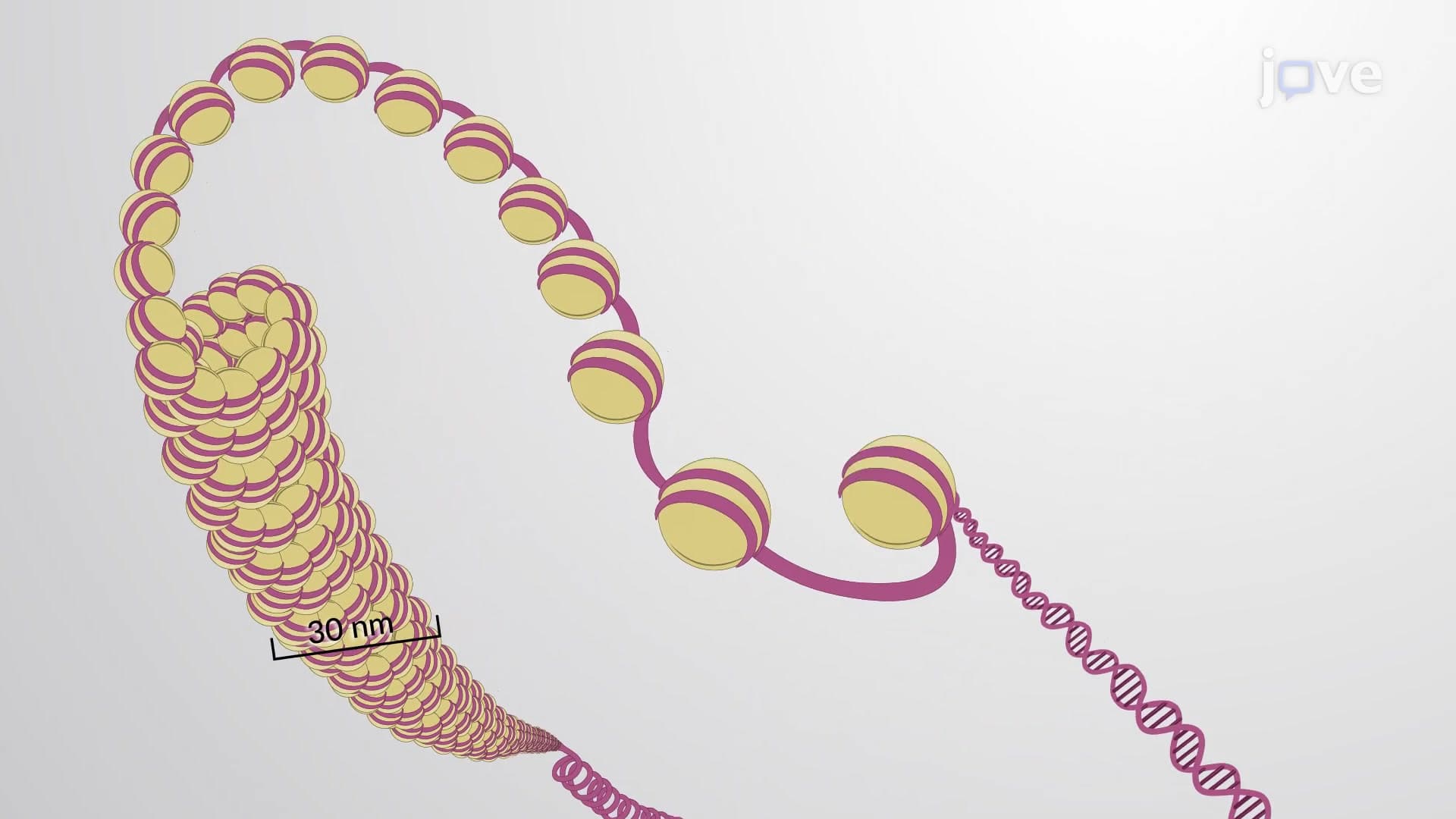
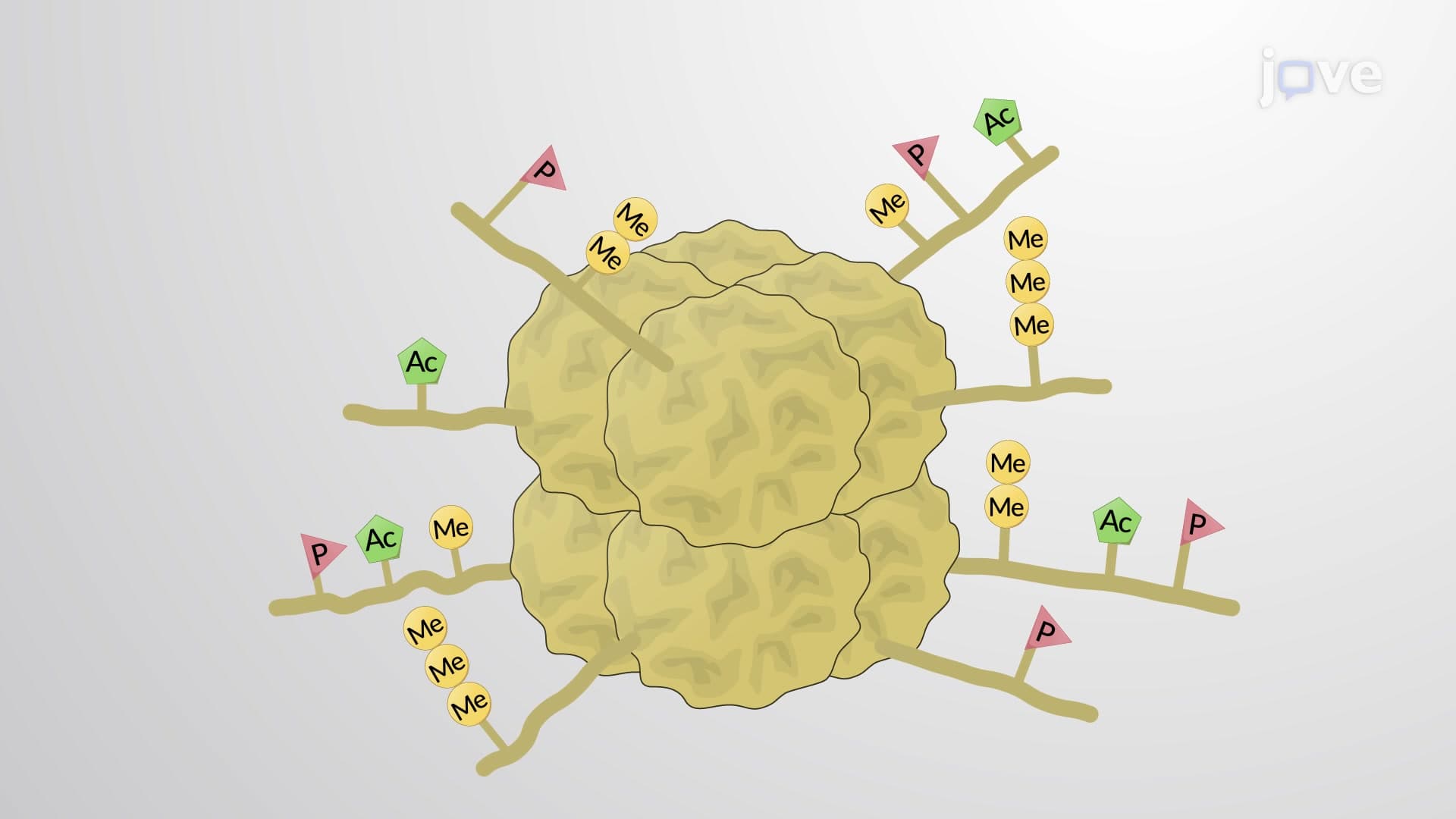
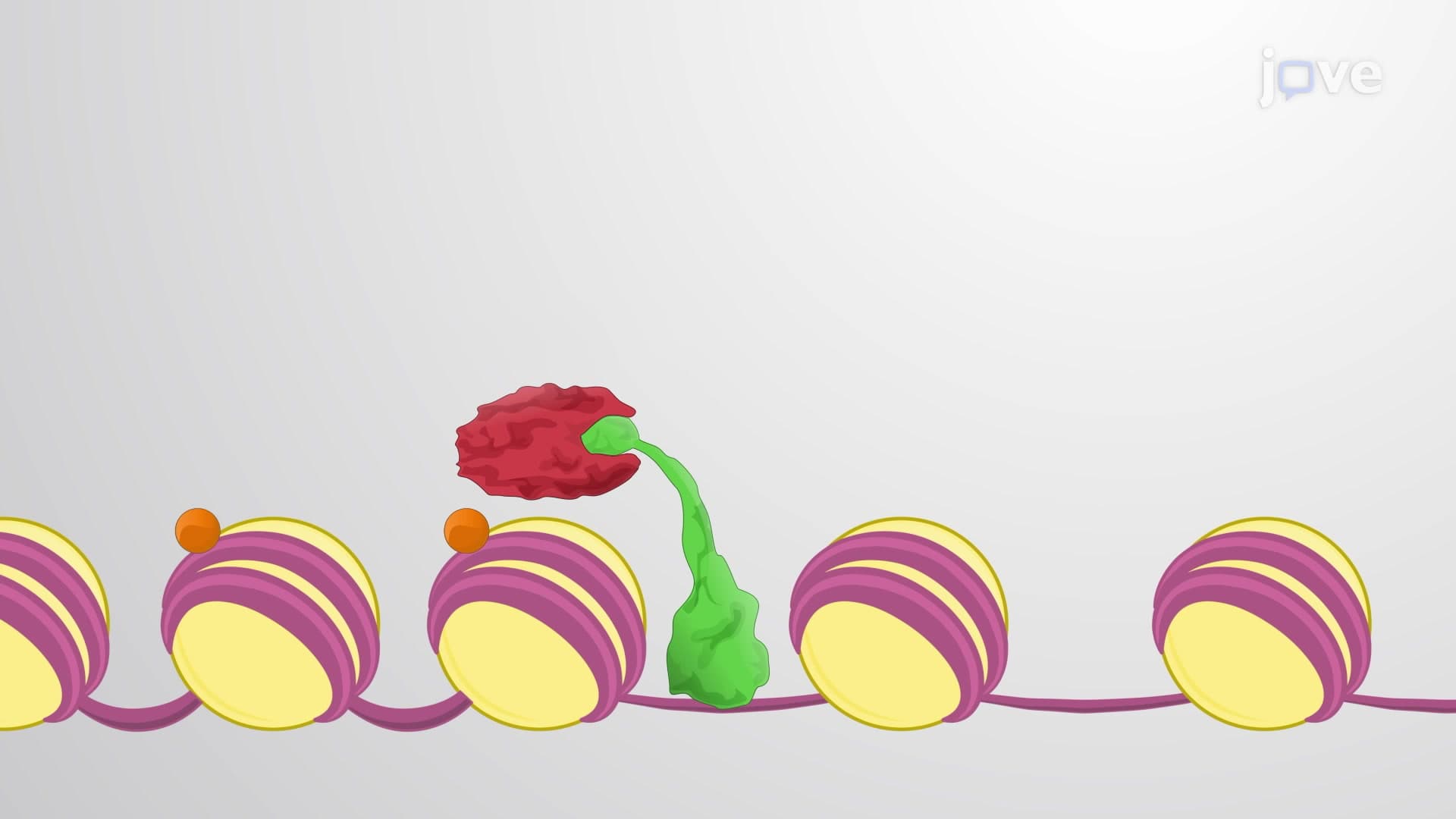
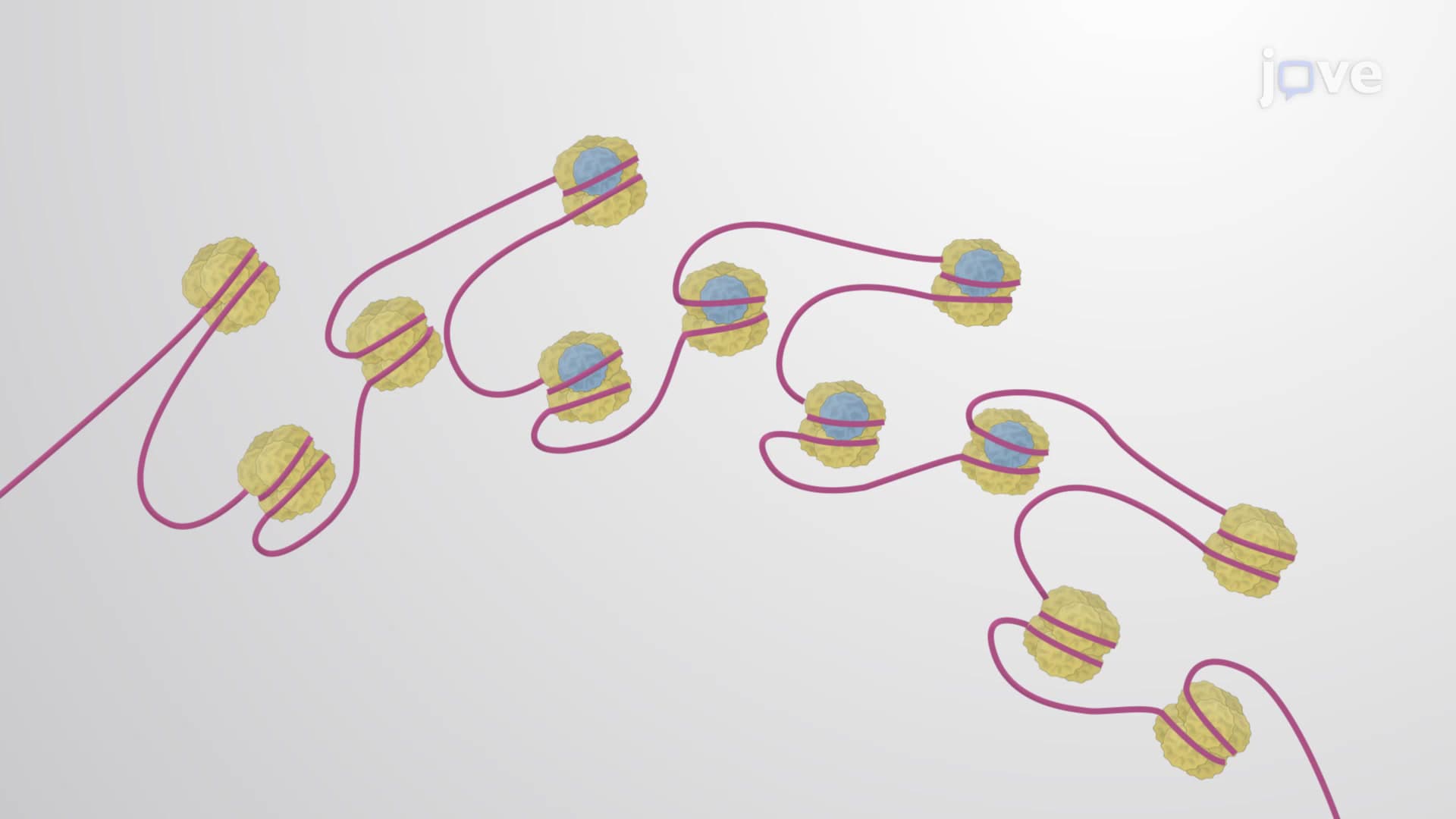
Chromosome replication extends beyond DNA synthesis to include the duplication of associated histone proteins. During replication fork progression, histone octamers dissociate and reassemble on newly synthesized DNA strands through a semi-conservative mechanism. This process ensures that daughter chromosomes maintain proper chromatin structure essential for gene regulation and chromosome stability.
The coordination between DNA and histone synthesis represents a critical quality control checkpoint. Disruption of this balance-whether through chemotherapy drugs like hydroxyurea or genetic mutations affecting histone chaperone proteins-can trigger cell cycle arrest or apoptosis, protecting against potentially cancerous cellular transformation.
Related Micro-courses