Loading subject page…


286,219 views

Video Summary: What Is DNA Packaging
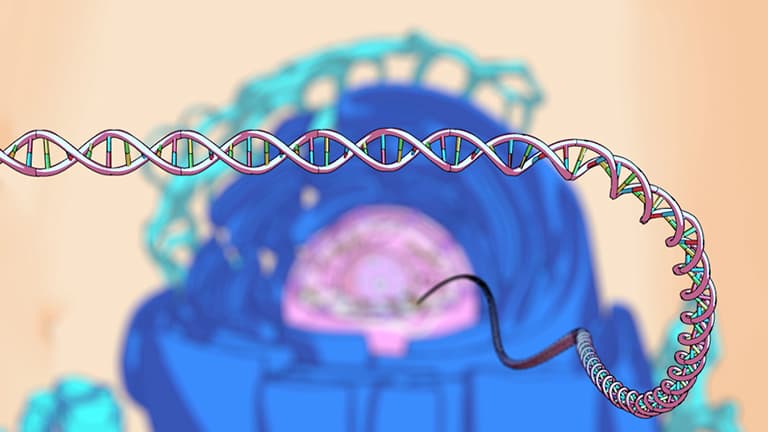
Did you know that the DNA in each human cell, if stretched out, would span about 6 feet-yet it fits inside a nucleus only 10 micrometers wide? DNA packaging is the remarkable biological process that compacts our genetic material through multiple levels of organization, from nucleosomes to chromatin fibers. This intricate system is crucial for understanding genetic disorders like Huntington's disease, where DNA packaging defects contribute to neurodegeneration. What is DNA packaging reveals how cells balance storage efficiency with gene accessibility. Watch the full video on JoVE Coach to master this concept with expert-led visuals and step-by-step explanations.
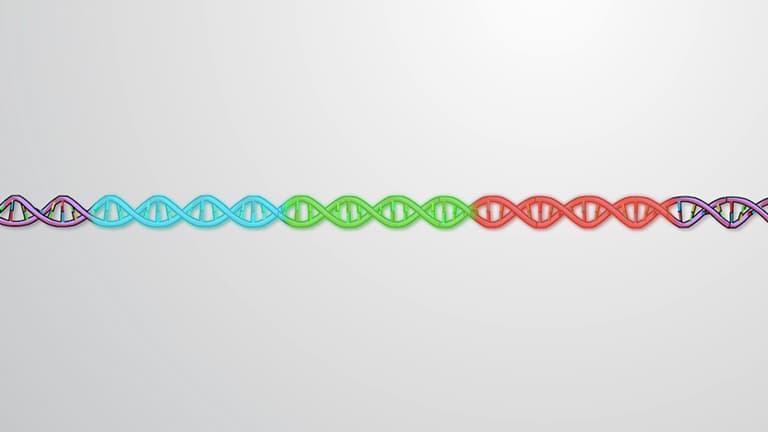
What is DNA packaging represents one of biology's most elegant engineering solutions. Human cells contain approximately 3 billion base pairs of DNA per haploid genome, creating a storage challenge that cells solve through sophisticated molecular machinery. This process transforms linear DNA molecules into highly organized, compact structures that fit within the microscopic confines of cell nuclei while maintaining functional accessibility.
The packaging process operates like a precise filing system, where genetic information must remain both stored and retrievable. Students preparing for AP Biology or college-level cell biology courses encounter this concept as fundamental to understanding gene regulation, inheritance patterns, and cellular function.
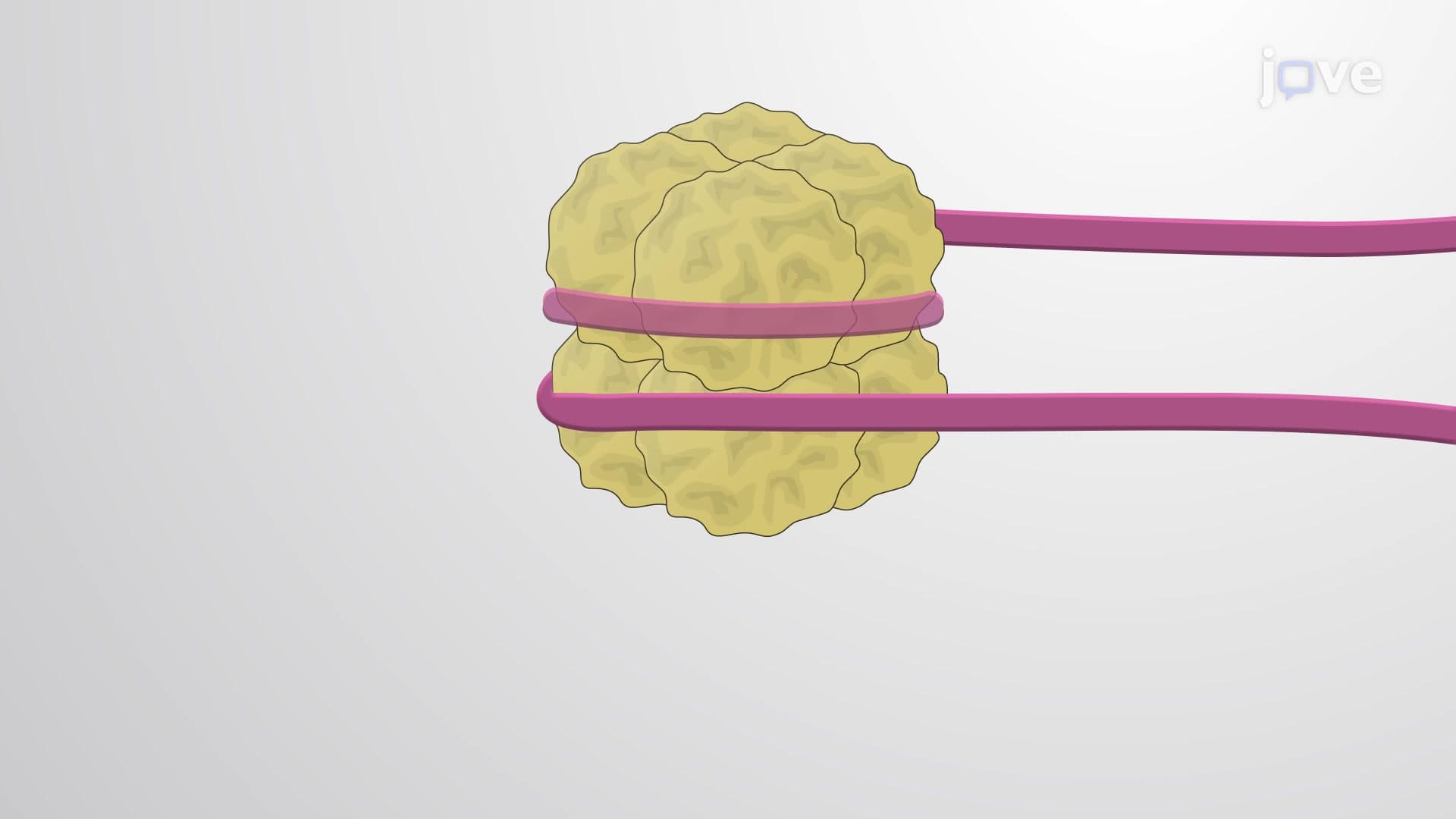
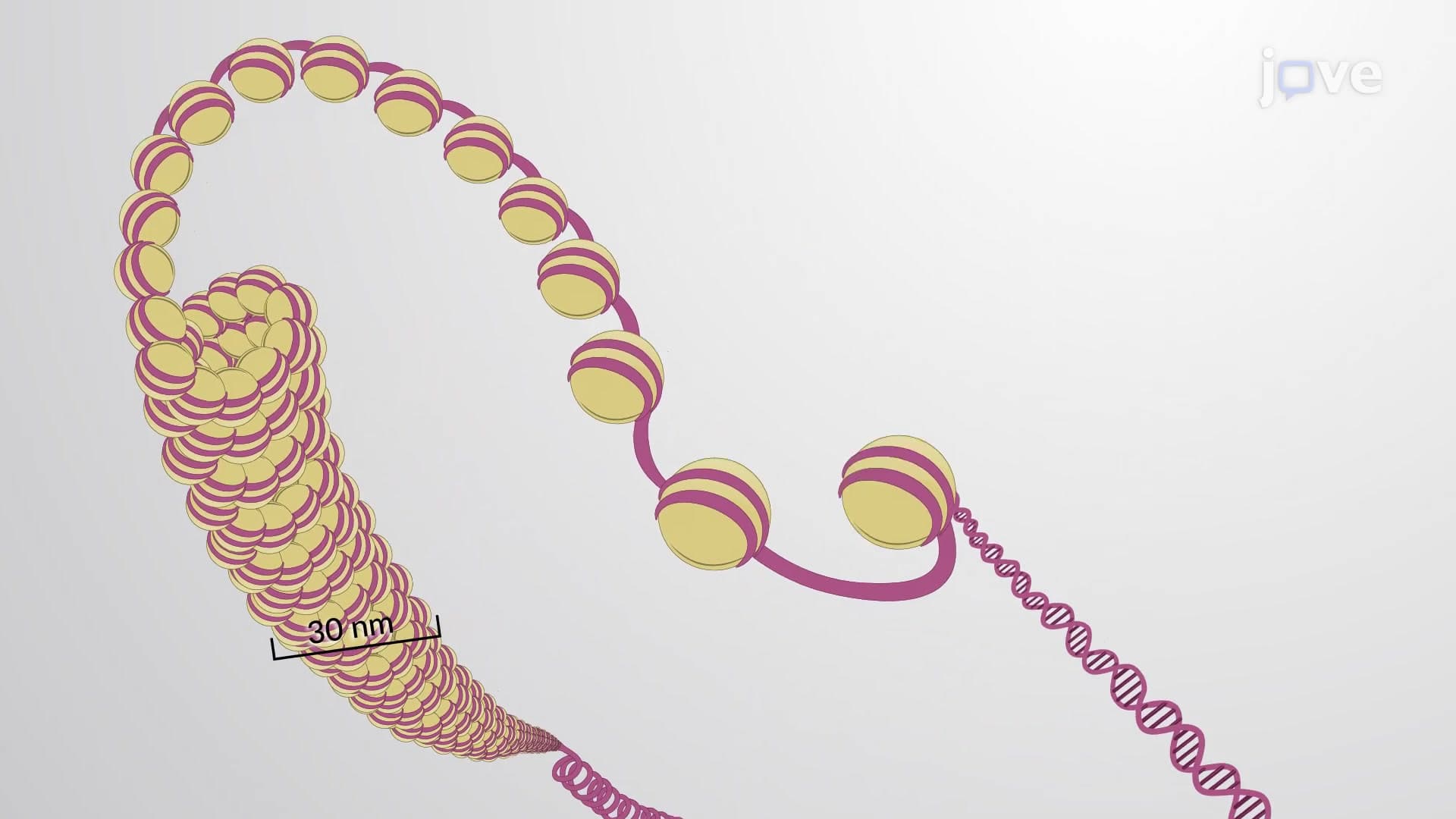
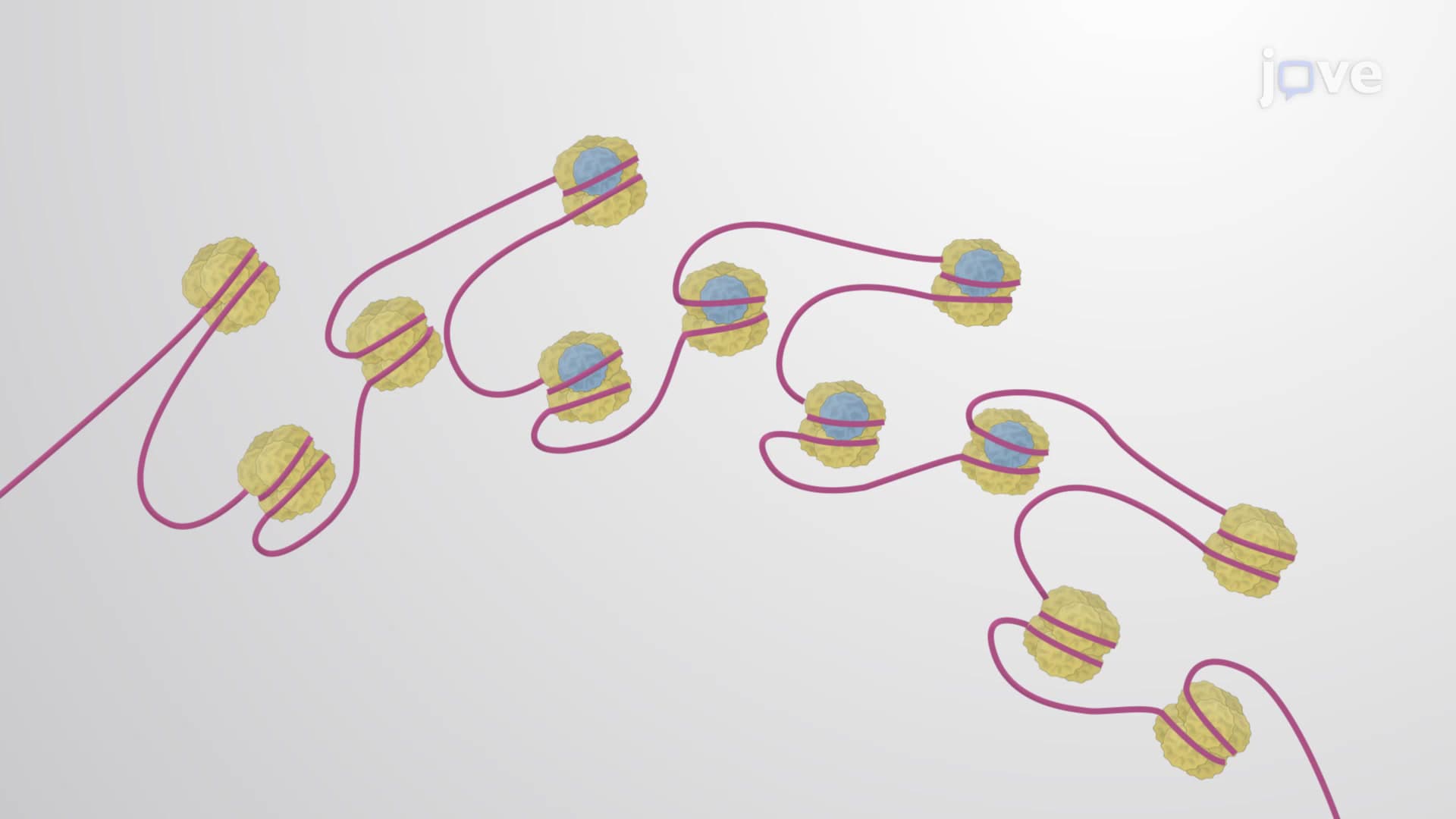
DNA packaging occurs through multiple sequential levels of compaction. The first level involves wrapping DNA around histone protein cores, creating nucleosomes that resemble "beads on a string" under electron microscopy. Each nucleosome contains 147 base pairs of DNA wound 1.65 times around a histone octamer composed of H2A, H2B, H3, and H4 proteins.
The second level forms 30-nanometer chromatin fibers through nucleosome-nucleosome interactions and histone H1 binding. This structure achieves approximately 40-fold compaction compared to naked DNA. Higher-order packaging involves loop domains, condensin proteins, and scaffold attachments that create metaphase chromosomes visible during cell division.
For MCAT preparation, understanding these structural levels helps explain how cells regulate gene expression spatially. Tightly packaged heterochromatin typically contains silenced genes, while loosely packaged euchromatin allows transcriptional machinery access.
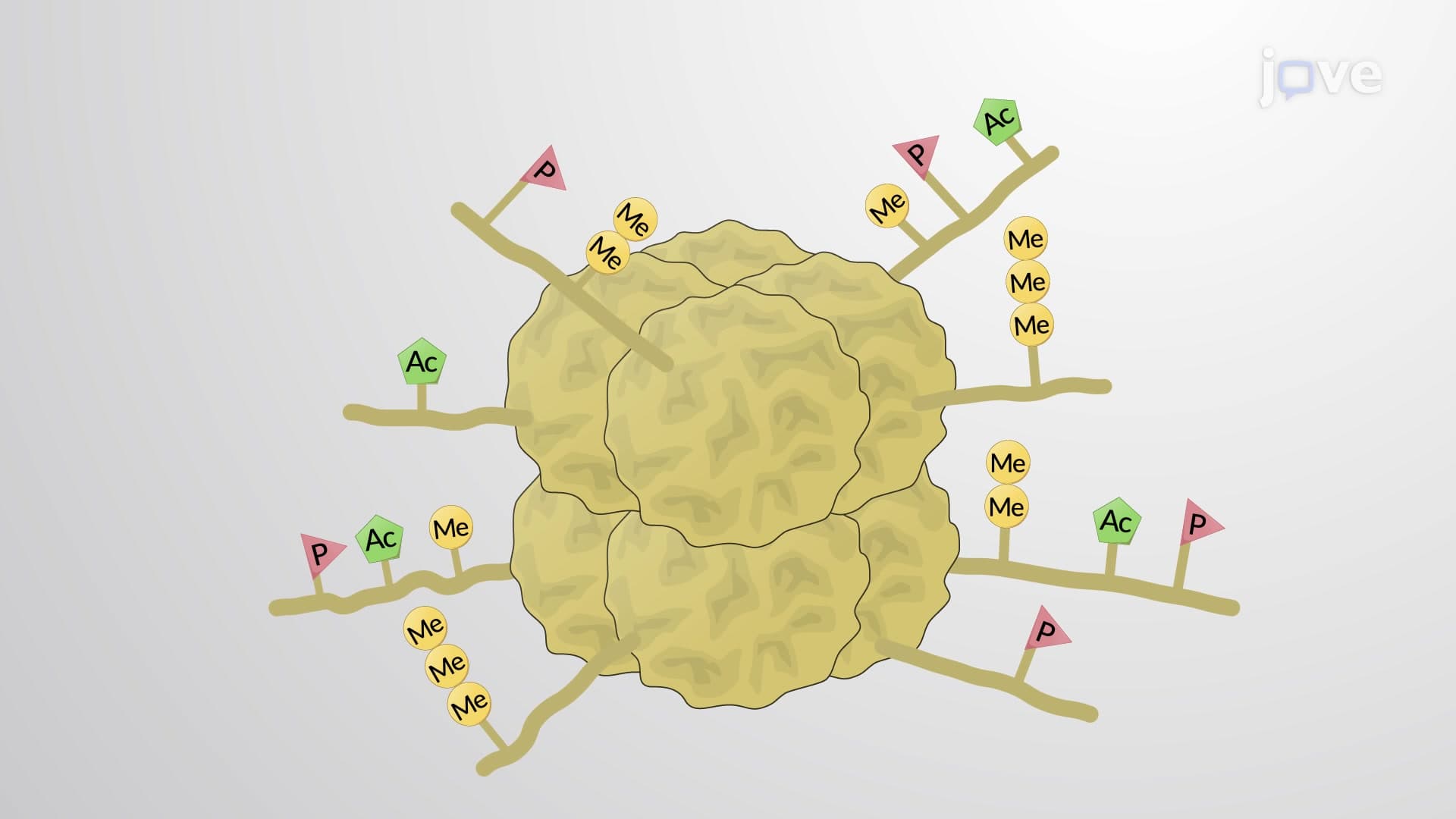
DNA packaging isn't static-it's dynamically regulated through histone modifications, chromatin remodeling complexes, and DNA methylation patterns. These modifications create "epigenetic marks" that influence gene expression without altering DNA sequences. Research at institutions like Johns Hopkins and Stanford has revealed how packaging defects contribute to diseases including cancer, where tumor suppressor genes become hypermethylated and silenced.
ATP-dependent chromatin remodeling complexes like SWI/SNF can slide, eject, or exchange nucleosomes, temporarily loosening DNA packaging for transcription, replication, or repair. Understanding these mechanisms proves essential for students pursuing careers in genetics, medicine, or biotechnology, particularly given the growing field of epigenetic therapeutics in cancer treatment.
Related Micro-courses