Loading subject page…


286,218 views

Video Summary: What Is Histone Modification
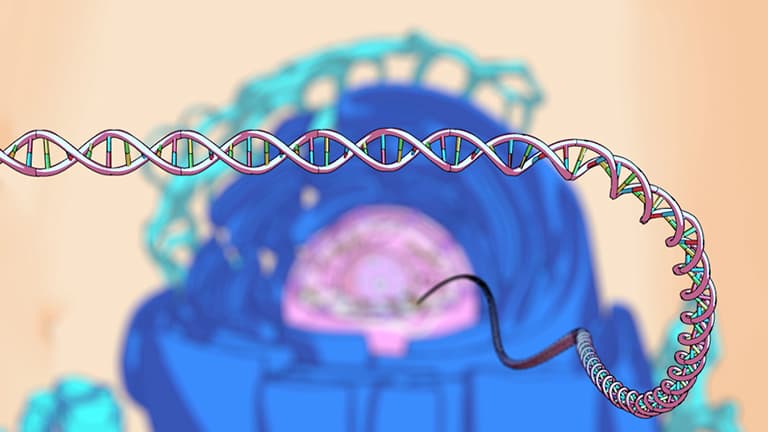
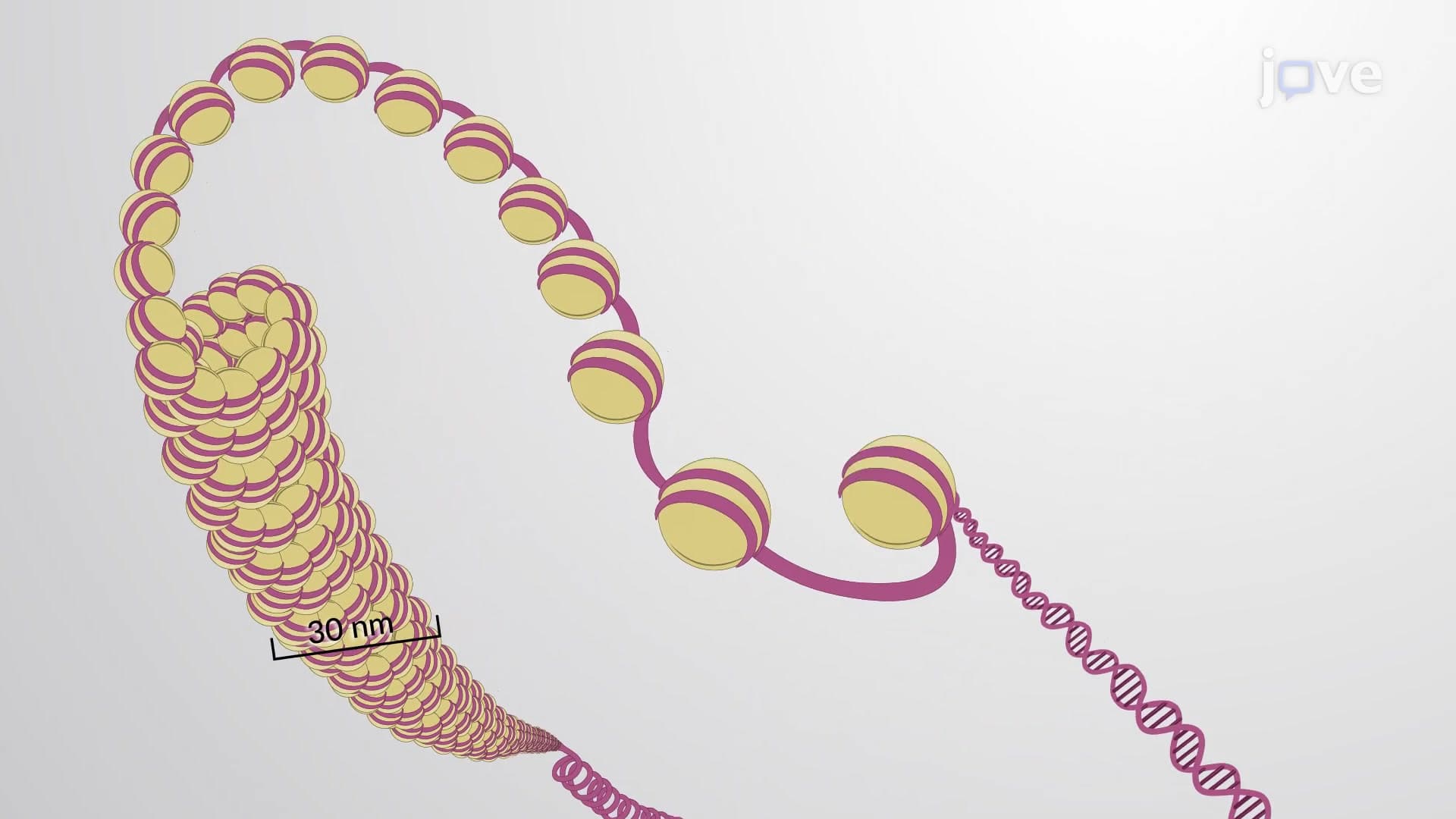
Did you know that your DNA is packaged so tightly that it would stretch 6 feet if unwound from just one cell? Histone modification is the cellular process that controls how this DNA is accessed and regulated through chemical changes to histone proteins. These modifications act like molecular switches, determining which genes are turned on or off-similar to how researchers at Stanford University discovered that certain histone marks predict Alzheimer's disease progression. Understanding what is histone modification reveals how cells control gene expression without changing the DNA sequence itself. Watch the full video on JoVE Coach to master this concept with expert-led visuals and step-by-step explanations.
Histone modification represents one of the most sophisticated regulatory mechanisms in eukaryotic cells, controlling gene expression without altering the underlying DNA sequence. This epigenetic process involves the addition or removal of chemical groups to specific amino acid residues on histone proteins, fundamentally changing how DNA is packaged and accessed within the nucleus.
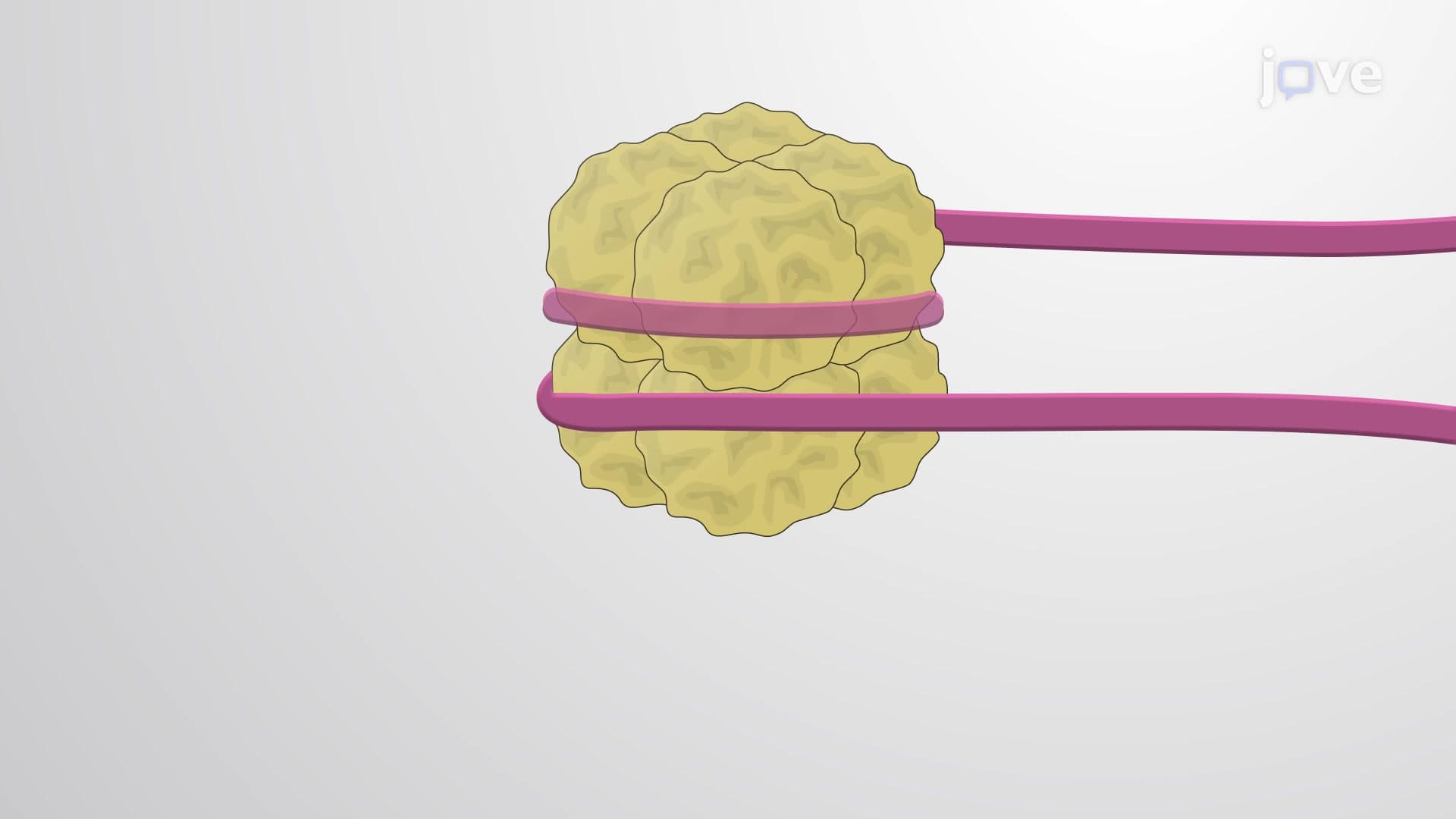
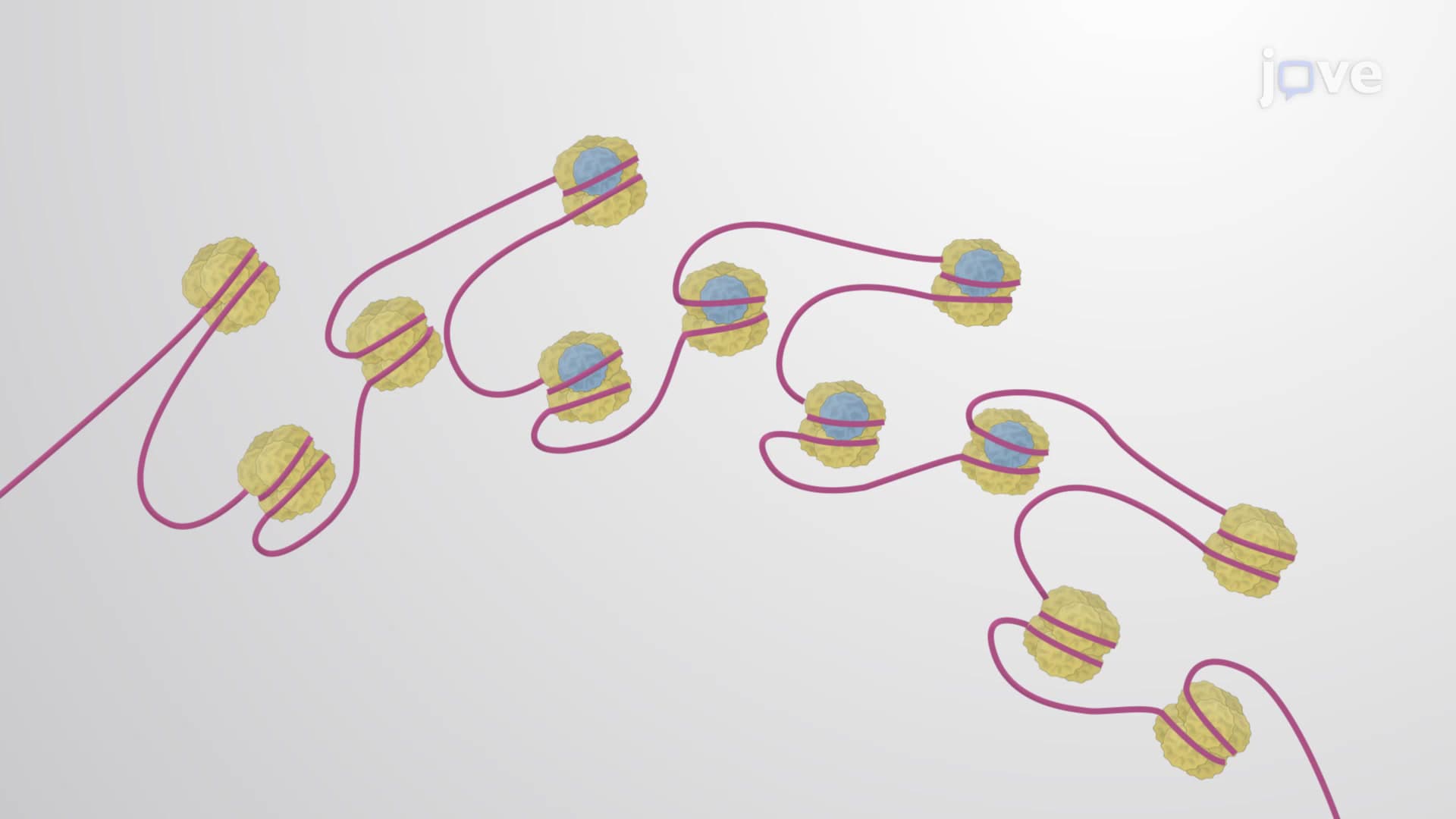
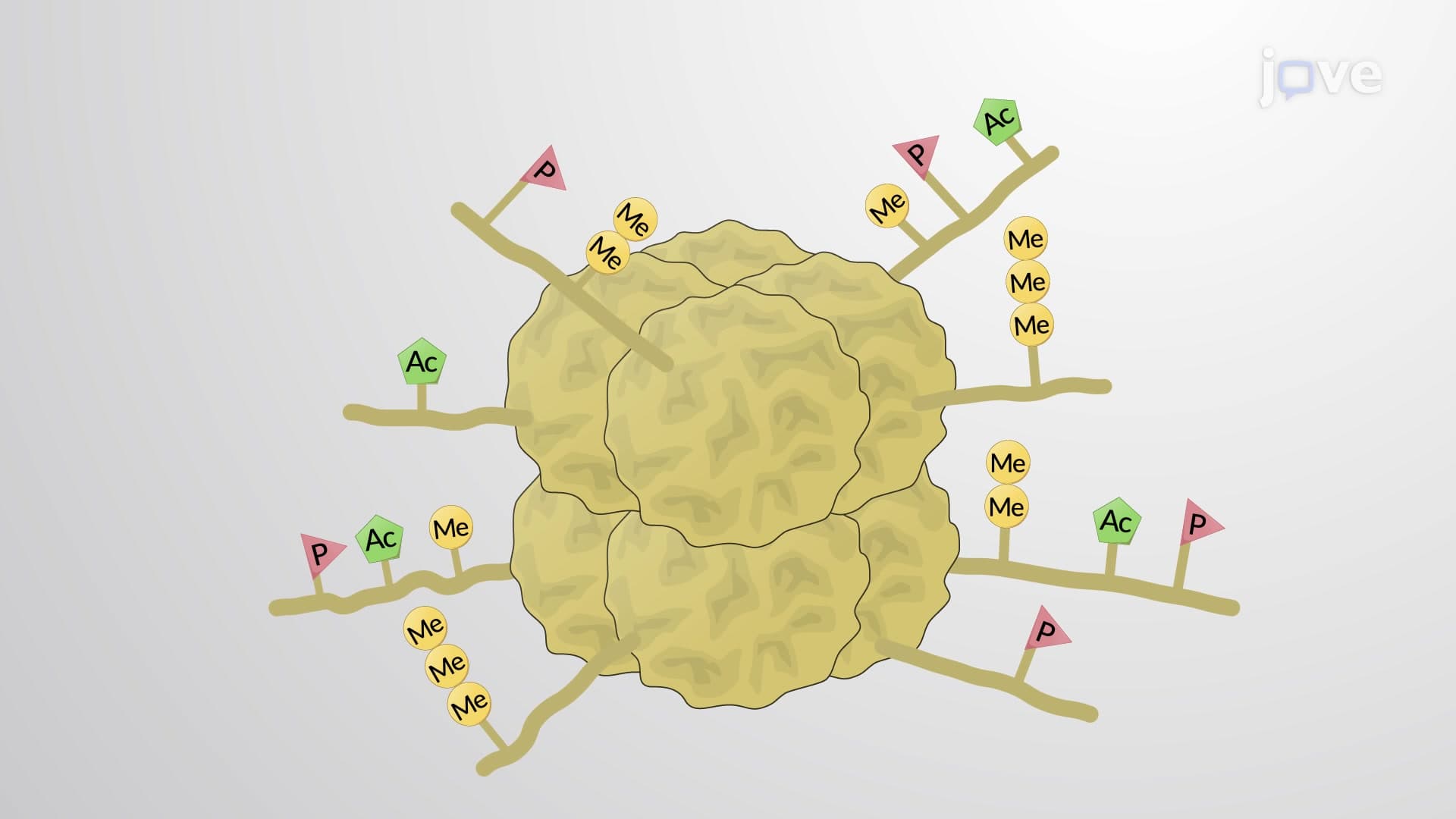
The process centers on nucleosomes, which contain four core histone proteins: H2A, H2B, H3, and H4. These proteins possess flexible amino-terminal tails extending approximately 30 amino acids beyond the nucleosome core. Unlike the structured histone core, these tails remain highly mobile and unstructured, making them perfect targets for chemical modifications that influence chromatin structure and gene accessibility.
Three primary types of modifications occur on histone tails: acetylation of lysine residues, phosphorylation of serine residues, and methylation (mono-, di-, or tri-) of lysine residues. Each modification type requires specific enzymes working in coordinated fashion.
Writer enzymes add chemical modifications-methyltransferases add methyl groups, acetylases (histone acetyltransferases or HATs) add acetyl groups, and kinases add phosphate groups. Conversely, eraser enzymes remove these modifications-demethylases remove methyl groups, deacetylases (HDACs) remove acetyl groups, and phosphatases remove phosphate groups. This dynamic addition and removal creates a flexible regulatory system that responds to cellular needs.
The concept of the histone code explains how specific combinations of modifications create distinct cellular signals. Rather than random modifications, cells employ coordinated patterns that encode particular instructions. For example, certain modification combinations signal DNA damage requiring immediate repair, while others promote active gene transcription or establish heterochromatin for gene silencing.
Reader proteins decode these modification patterns through specialized domains that recognize specific histone marks. When reader proteins bind to modified histones, they recruit additional protein complexes with catalytic activities, amplifying the initial signal into comprehensive cellular responses like chromatin remodeling or transcriptional activation.
Histone modification research has revolutionized our understanding of diseases like cancer, where aberrant modification patterns contribute to tumor development. The FDA has approved several HDAC inhibitors for cancer treatment, including vorinostat for cutaneous T-cell lymphoma. Major research institutions like Johns Hopkins and Harvard Medical School continue investigating how histone modifications contribute to neurological diseases, making this concept essential for pre-med students preparing for the MCAT or students in advanced biology courses studying epigenetics.
Related Micro-courses