Loading subject page…


286,222 views

Video Summary: What Is Inheritance of Chromatin Structures
Why do liver cells always produce more liver cells, never skin cells, even though they share identical DNA? The inheritance of chromatin structures ensures tissue-specific cell identity passes from parent to daughter cells during division. At Johns Hopkins Medical School, researchers study how epigenetic modifications like histone methylation and X-chromosome inactivation maintain cellular memory across generations without altering the underlying genetic code. Watch the full video on JoVE Coach to master this concept with expert-led visuals and step-by-step explanations.
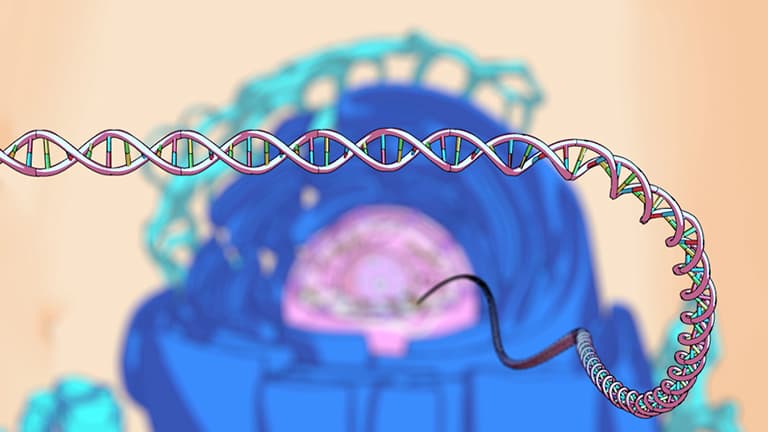
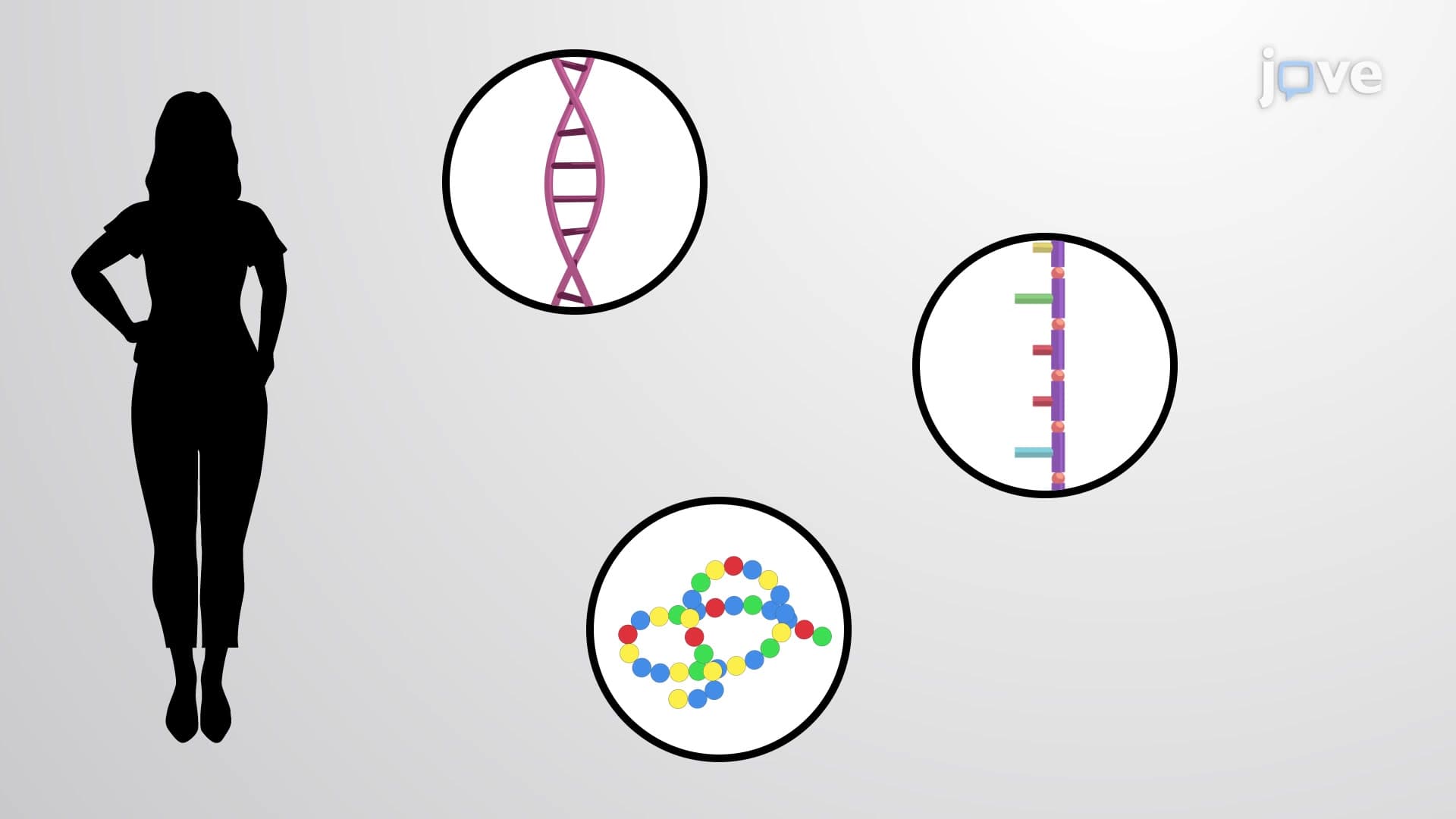
The inheritance of chromatin structures represents one of biology's most elegant solutions to cellular memory. While every cell in your body contains identical DNA, a neuron in your brain functions completely differently from a muscle cell in your heart. This cellular identity persists through countless divisions thanks to heritable chromatin modifications that act like molecular bookmarks, ensuring daughter cells remember their specialized roles.
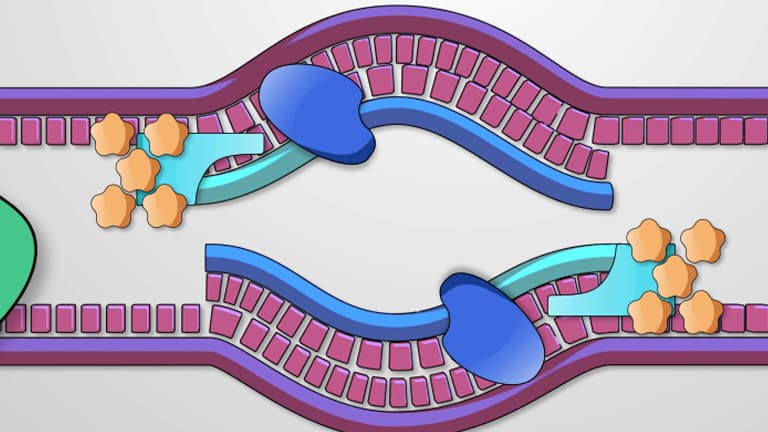
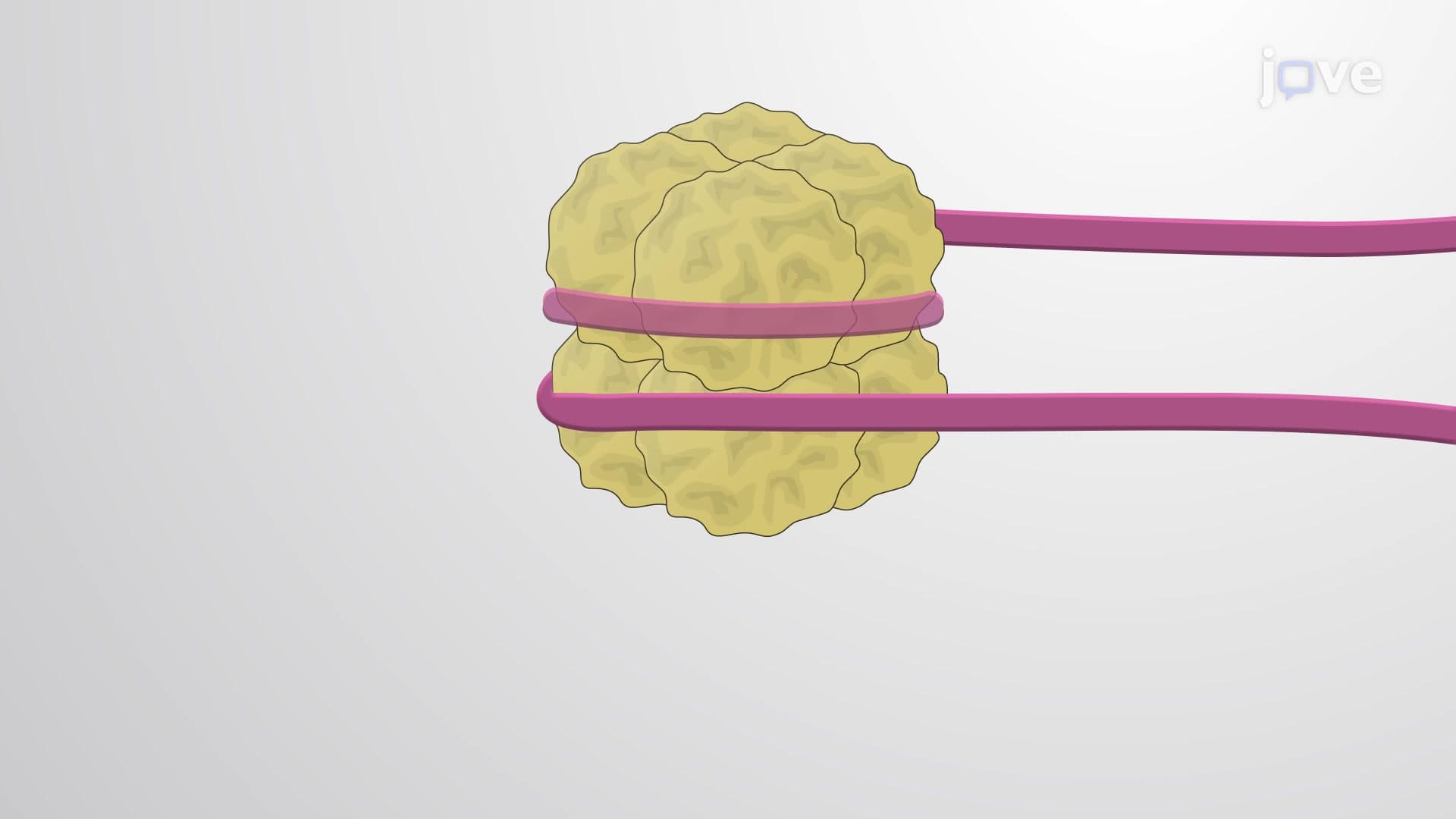
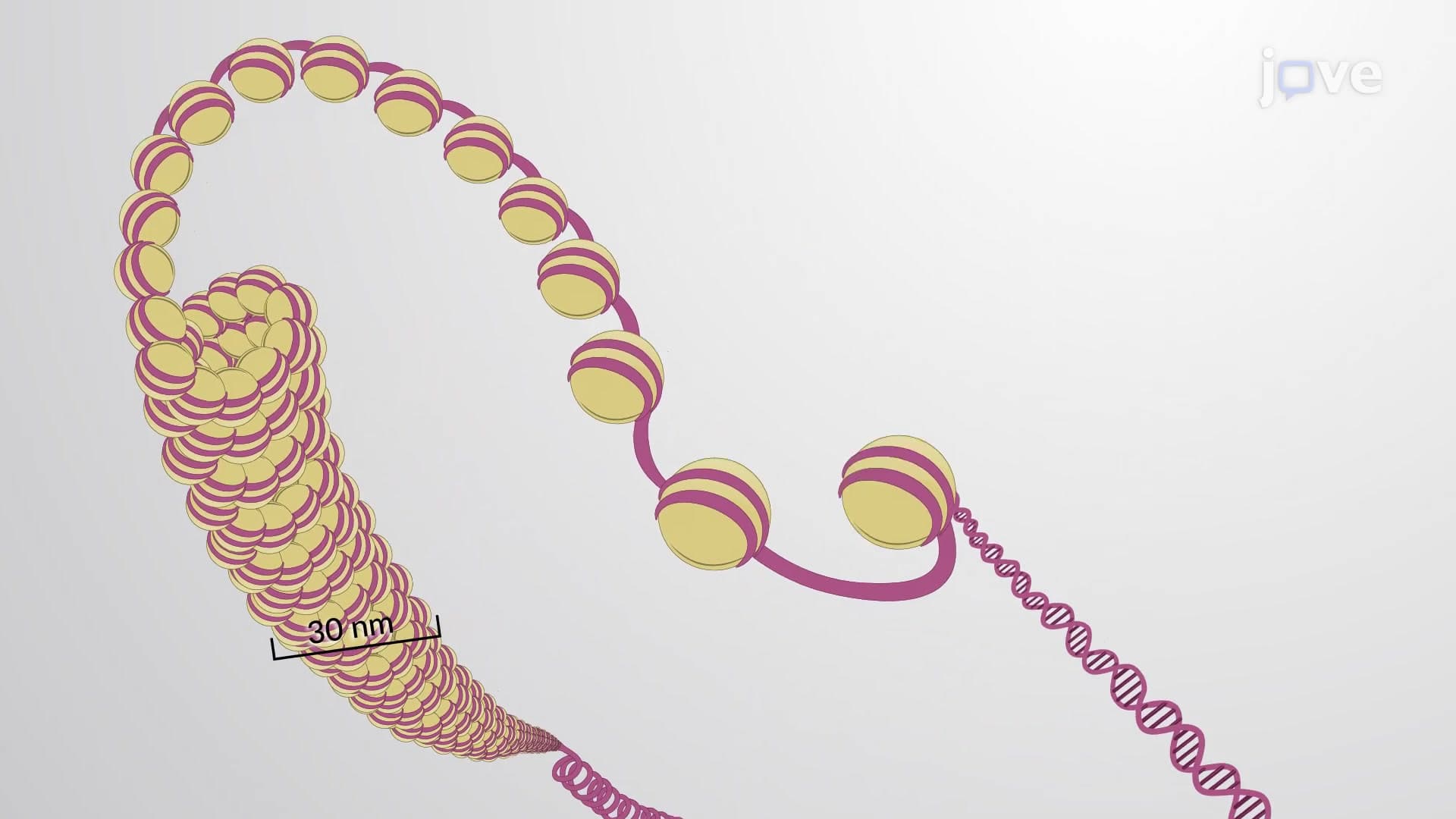
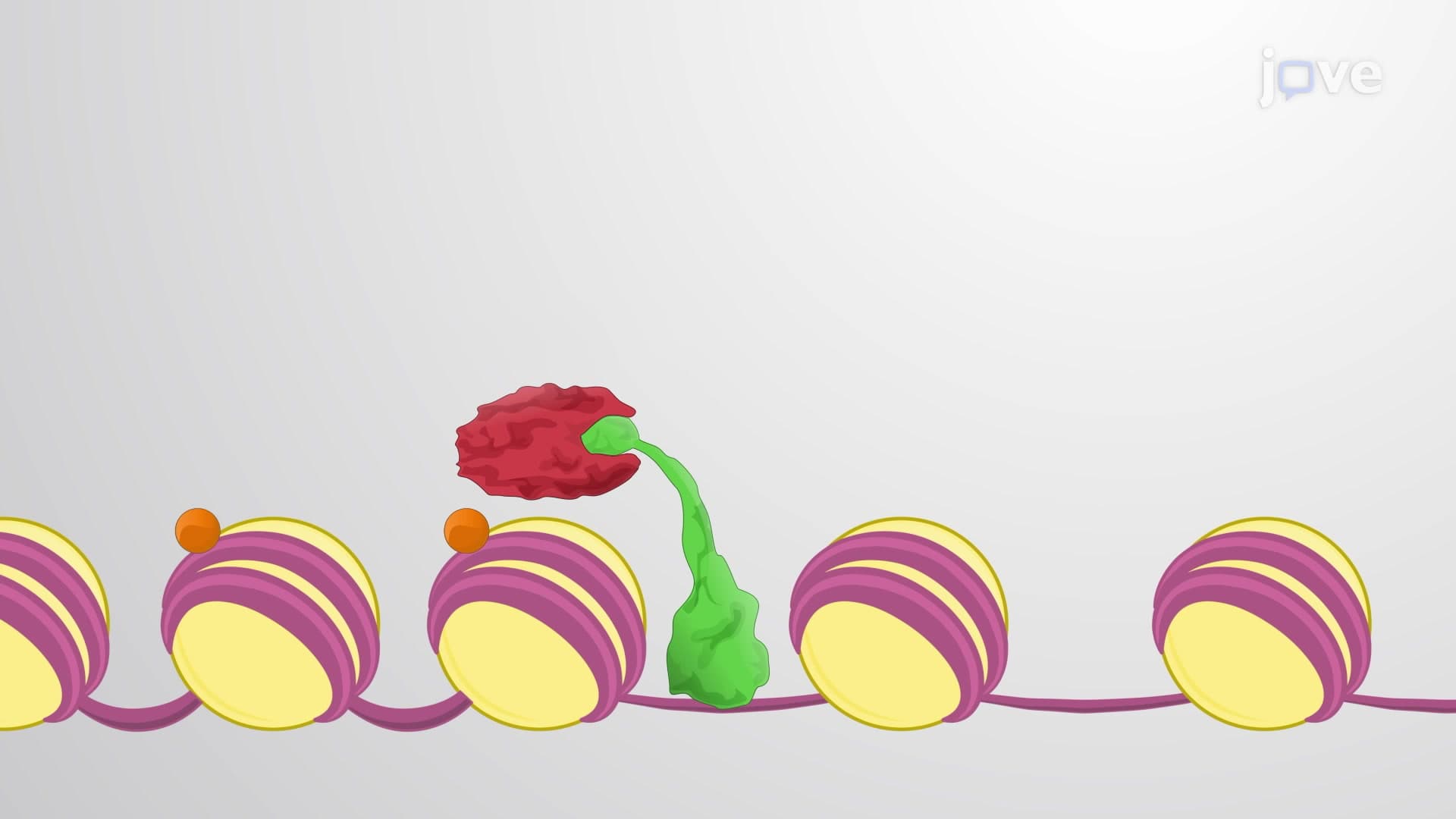
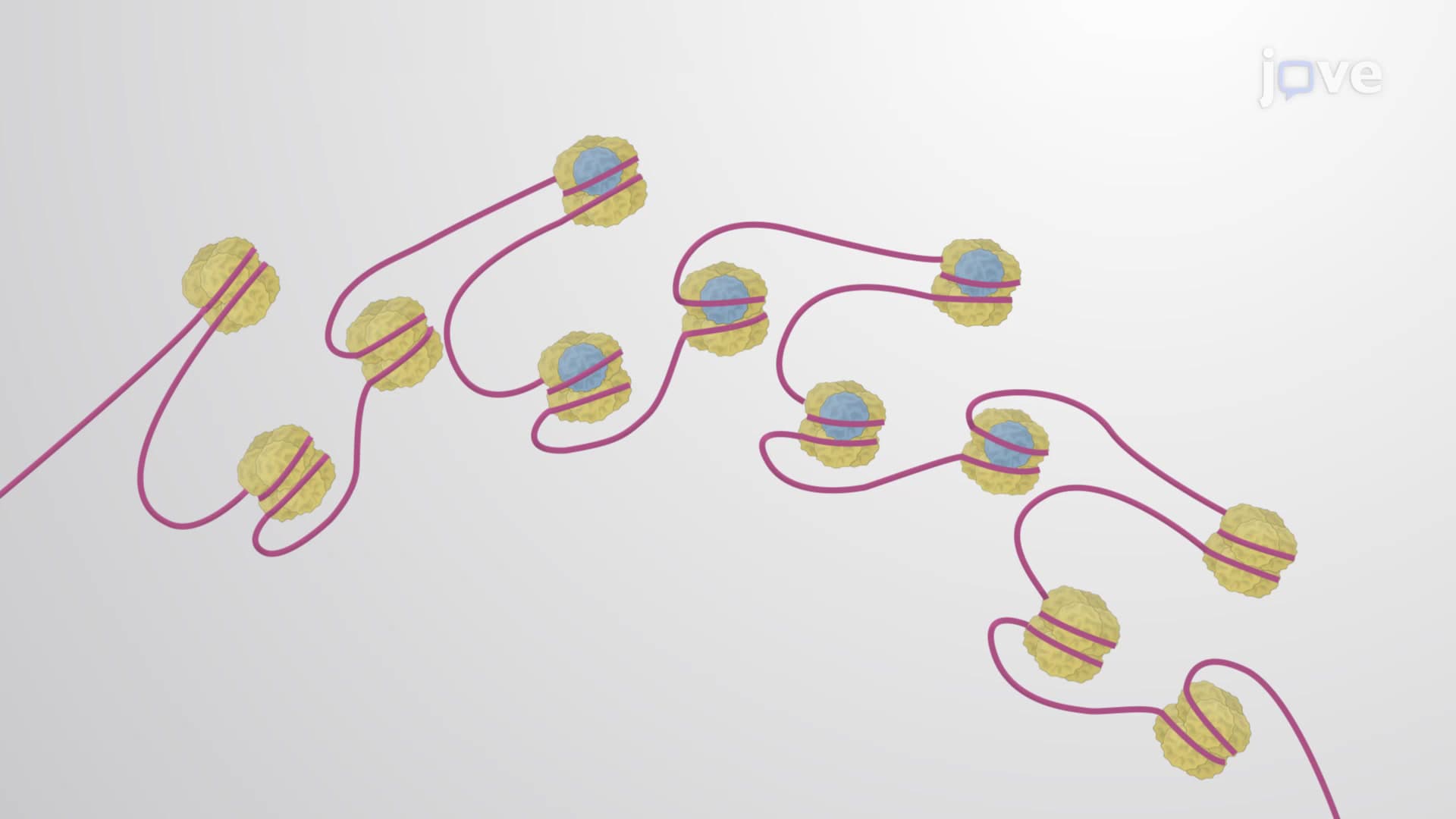
During DNA replication, the cell faces a critical challenge: how to preserve chromatin organization when the double helix unwinds. The process begins when replication machinery encounters nucleosomes ahead of the replication fork. The histone octamer-composed of H2A-H2B dimers and H3-H4 tetramers-undergoes systematic disassembly. The H2A-H2B dimers are completely removed and recycled, while the more stable H3-H4 tetramers remain loosely associated with DNA.
This selective retention proves crucial for inheritance. The original H3-H4 tetramers, carrying their existing modifications, are randomly distributed between the two daughter DNA strands. New H3-H4 tetramers then fill the gaps, followed by reassembly with both original and newly synthesized H2A-H2B dimers. This semiconservative inheritance ensures that approximately half of each daughter cell's chromatin retains the parent cell's epigenetic signature.
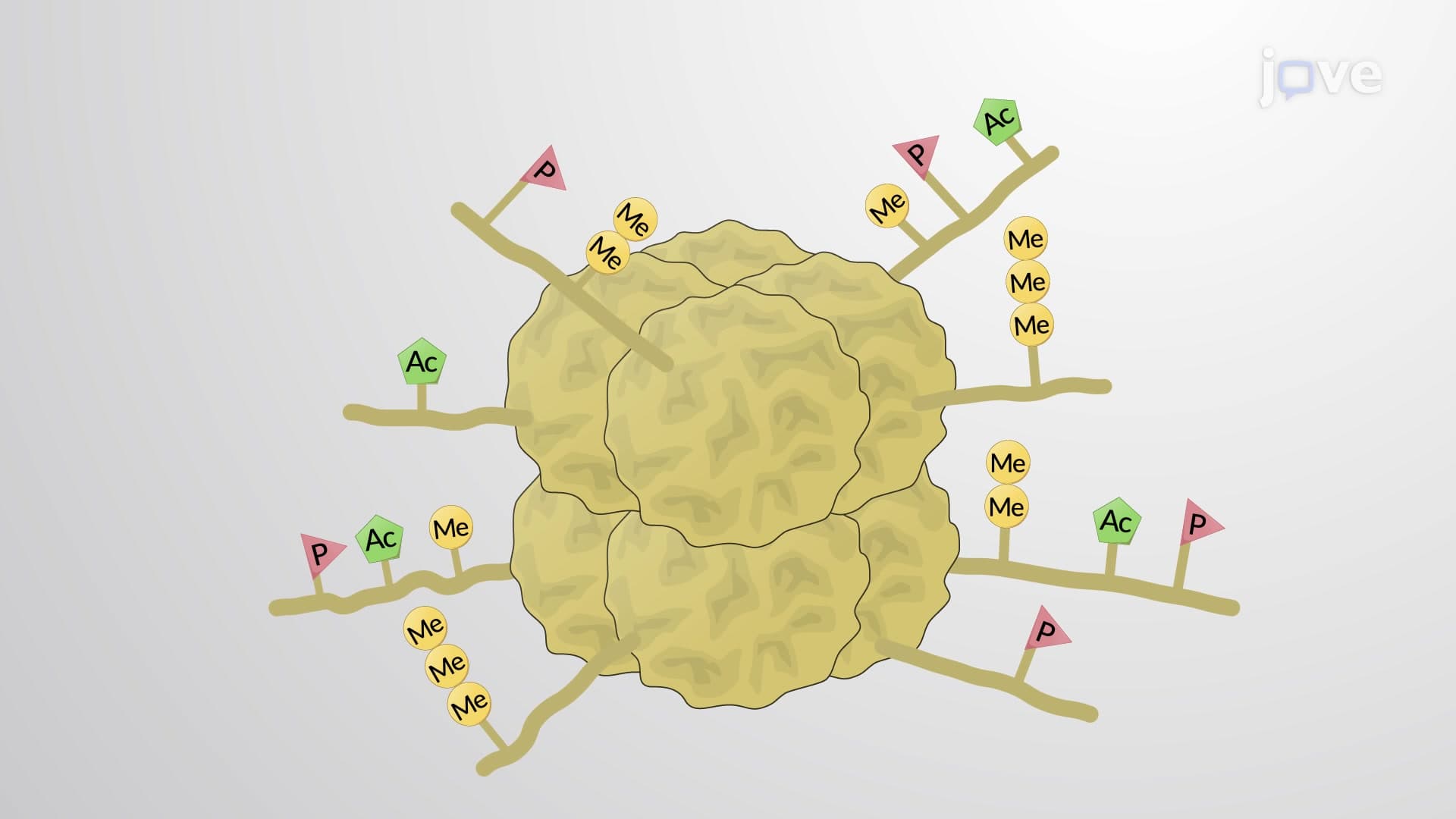
Histone modifications serve as the primary currency of chromatin inheritance. In studies conducted at Stanford University's chromatin research lab, scientists have identified how specific modifications create self-perpetuating cycles. For instance, histone H3 methylation at lysine 9 (H3K9me3) marks heterochromatin-the tightly packed, transcriptionally silent chromatin. After replication, histone methyltransferases recognize existing methylated histones on daughter strands and add corresponding marks to newly incorporated histones nearby.
Conversely, histone acetylation typically marks euchromatin-loosely packed, transcriptionally active regions. The balance between histone acetyltransferases (HATs) and histone deacetylases (HDACs) maintains these active chromatin domains through successive cell divisions.
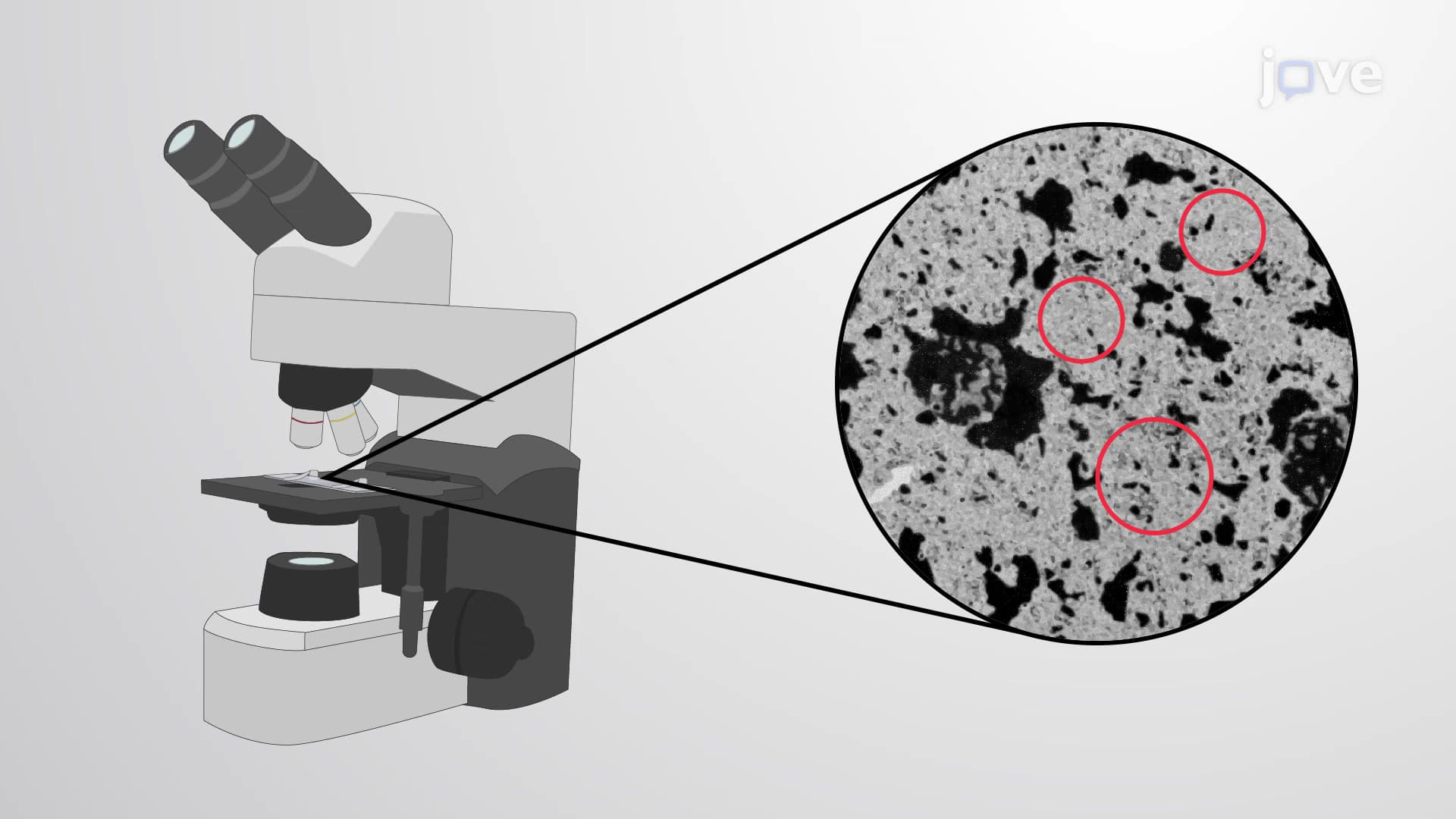
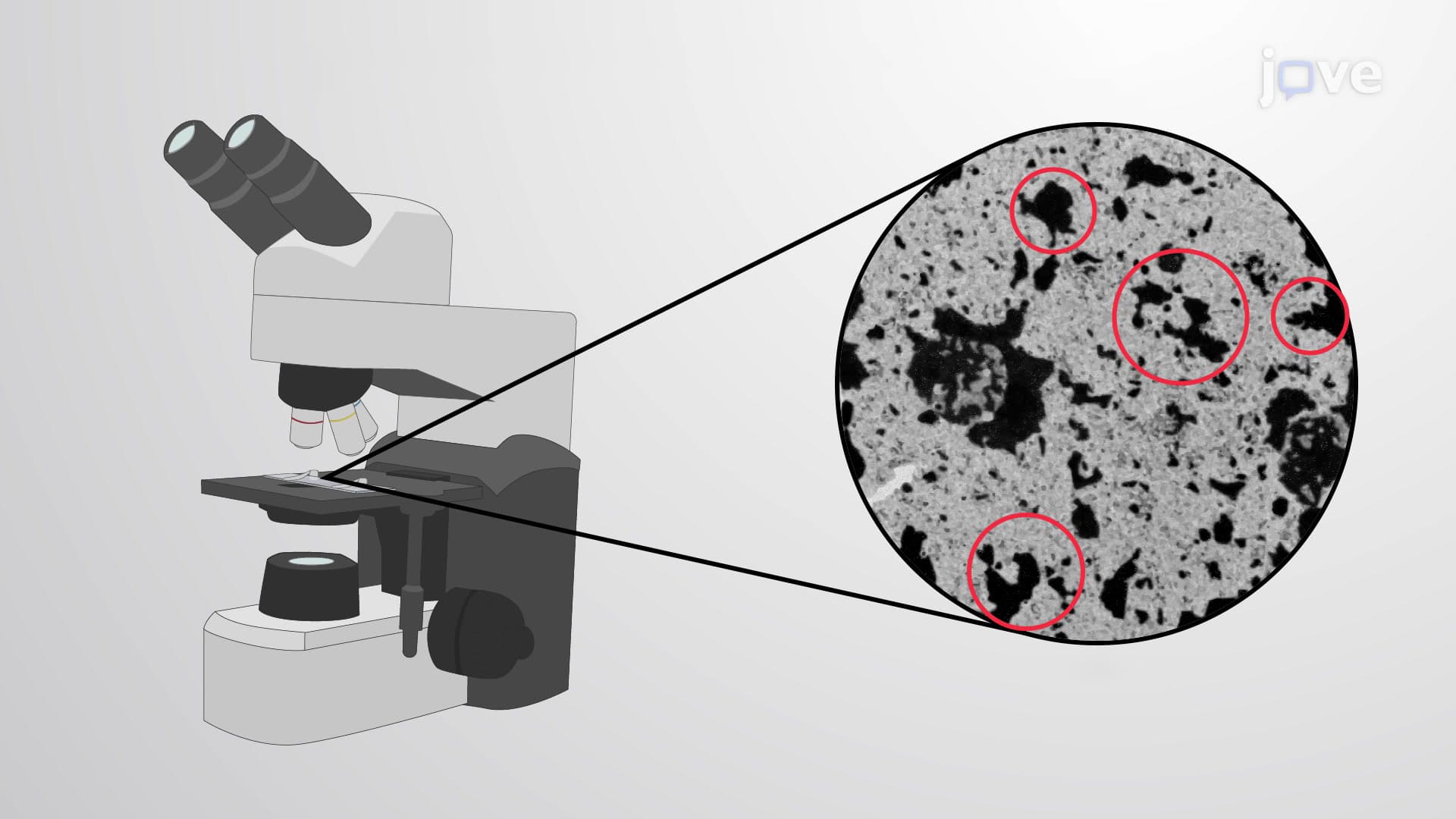
Perhaps no example illustrates chromatin inheritance more clearly than X-chromosome inactivation in female mammals. During early embryonic development, one X-chromosome in each female cell becomes inactivated through the action of XIST (X-inactive specific transcript), a long non-coding RNA. This creates a heterochromatic structure called a Barr body, visible under microscopy in cheek cells from human females.
Once established, this inactivation pattern persists through all subsequent cell divisions, ensuring dosage compensation between males (XY) and females (XX). Medical students studying genetics at Harvard Medical School often examine Barr bodies in their cytology labs to understand this fundamental concept. This inheritance mechanism explains why calico and tortoiseshell cats-which require two different X-linked color alleles-are almost exclusively female.
The clinical relevance extends to human genetic disorders. In X-linked diseases like Duchenne muscular dystrophy, the random pattern of X-inactivation in female carriers creates a mosaic of normal and affected cells, influencing disease severity and presentation patterns studied extensively at the NIH Clinical Center.
For students preparing for the AP Biology exam or MCAT, understanding chromatin inheritance bridges molecular biology with genetics and development. This concept frequently appears in questions about cell differentiation, cancer biology, and epigenetic regulation-making it essential for success in advanced coursework and medical school admission.
Related Micro-courses