Loading subject page…


286,219 views


Video Summary: What Is Karyotyping
Ever wonder how doctors can diagnose Down syndrome before birth? Karyotyping is the powerful genetic technique that makes this possible by creating a visual map of all 46 human chromosomes. At major medical centers like Mayo Clinic, geneticists use karyotyping to detect chromosomal abnormalities that cause conditions ranging from Turner syndrome to certain leukemias. Watch the full video on JoVE Coach to master this concept with expert-led visuals and step-by-step explanations.
Karyotyping represents one of the most fundamental techniques in medical genetics, providing a comprehensive visual analysis of an organism's complete chromosome complement. This cytogenetic method involves arranging chromosomes in a standardized format that allows geneticists to identify both numerical and structural abnormalities with remarkable precision.
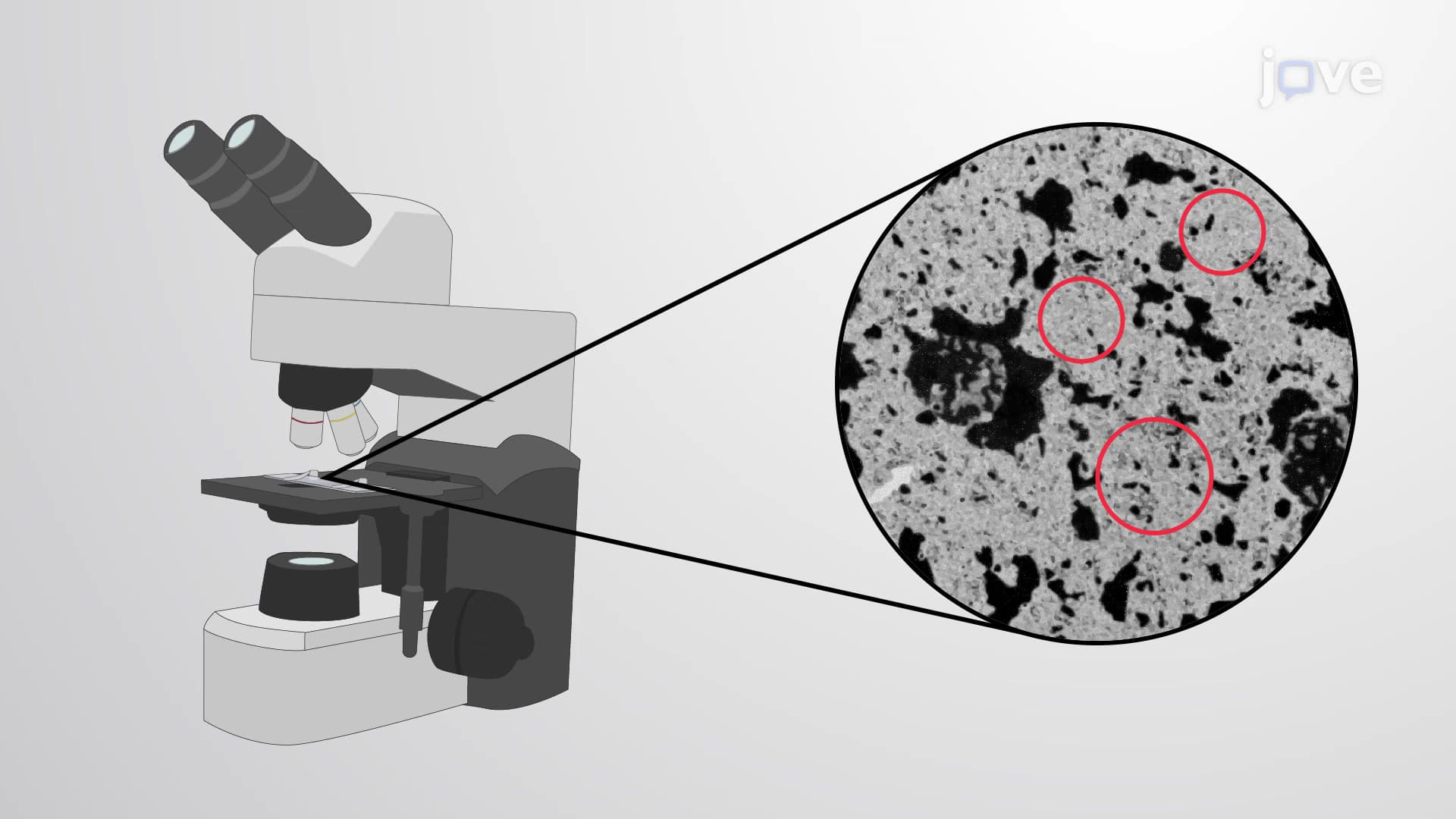
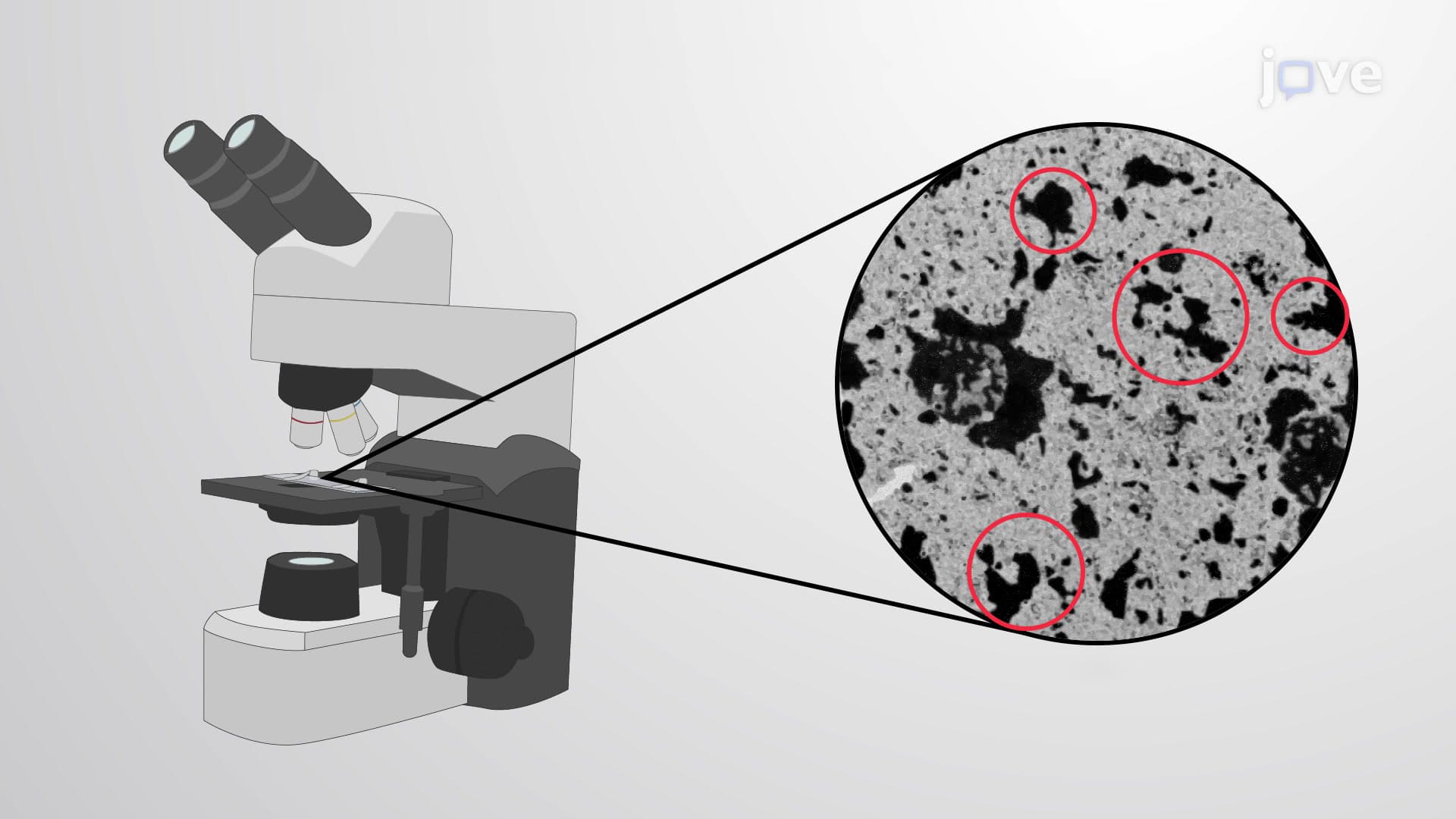
The karyotyping definition explained begins with understanding its systematic approach. Cells are first arrested in metaphase, when chromosomes are most condensed and visible. The preparation process involves treating cells with colchicine to halt mitosis, followed by hypotonic solution treatment that swells cells for better chromosome separation. Giemsa staining creates the characteristic G-banding patterns that serve as chromosomal "fingerprints."
Each chromosome pair is then arranged by size, with the largest (chromosome 1) placed first and the smallest autosomes (chromosomes 21 and 22) at the end, followed by sex chromosomes. This standardized arrangement, established by the International System for Human Cytogenomic Nomenclature, ensures consistent interpretation across laboratories worldwide.
In US healthcare systems, karyotyping serves critical diagnostic functions. Prenatal testing at facilities like Children's Hospital of Philadelphia routinely uses amniocentesis samples for karyotype analysis to detect trisomy 21 (Down syndrome), monosomy X (Turner syndrome), and other chromosomal conditions. Cancer centers employ karyotyping to identify specific translocations, such as the Philadelphia chromosome t(9;22) associated with chronic myeloid leukemia.
For students preparing for the MCAT or AP Biology exams, understanding karyotyping applications proves essential. The technique's ability to detect both aneuploidy (abnormal chromosome numbers) and structural rearrangements makes it a cornerstone topic in genetics curricula.
While newer technologies like chromosomal microarray analysis and next-generation sequencing offer higher resolution, karyotyping remains irreplaceable for detecting balanced rearrangements and providing overall chromosomal architecture assessment. Major genetic laboratories continue integrating traditional karyotyping with molecular techniques, creating comprehensive diagnostic approaches that serve as models for personalized medicine initiatives across American healthcare institutions.
Related Micro-courses