Loading subject page…


286,219 views


Video Summary: What Is Nucleosome Remodeling
Ever wonder how your cells access DNA that's packed tighter than a suitcase? Nucleosome remodeling is the cellular mechanism that temporarily loosens DNA packaging to allow essential processes like gene expression and DNA repair. Think of it like a molecular librarian reorganizing books on crowded shelves-specialized enzyme complexes use ATP energy to slide, eject, or replace histone proteins, making previously inaccessible DNA sequences available for transcription factors and RNA polymerase. This process is crucial for everything from muscle contraction in athletes to immune responses during flu season. Watch the full video on JoVE Coach to master this concept with expert-led visuals and step-by-step explanations.
Nucleosome remodeling represents one of the most sophisticated regulatory mechanisms in eukaryotic cells, allowing precise control over DNA accessibility without permanently altering the genetic code itself. This epigenetic process involves specialized molecular machines that can temporarily reorganize the tight packaging of DNA around histone proteins, creating windows of opportunity for essential cellular processes.
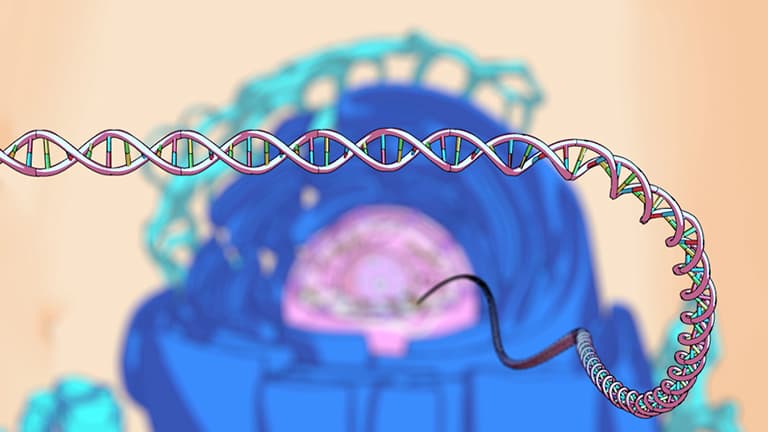
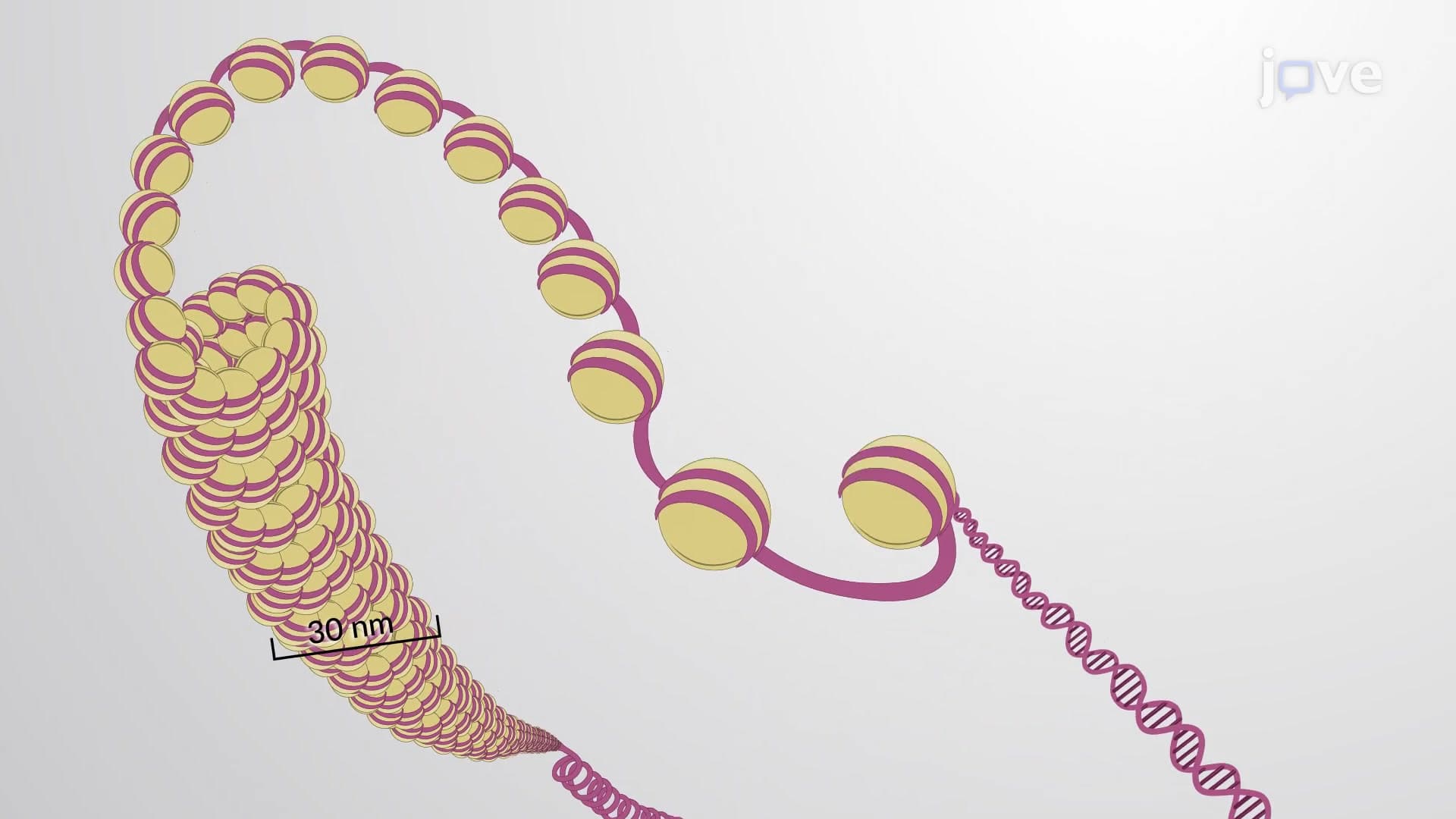
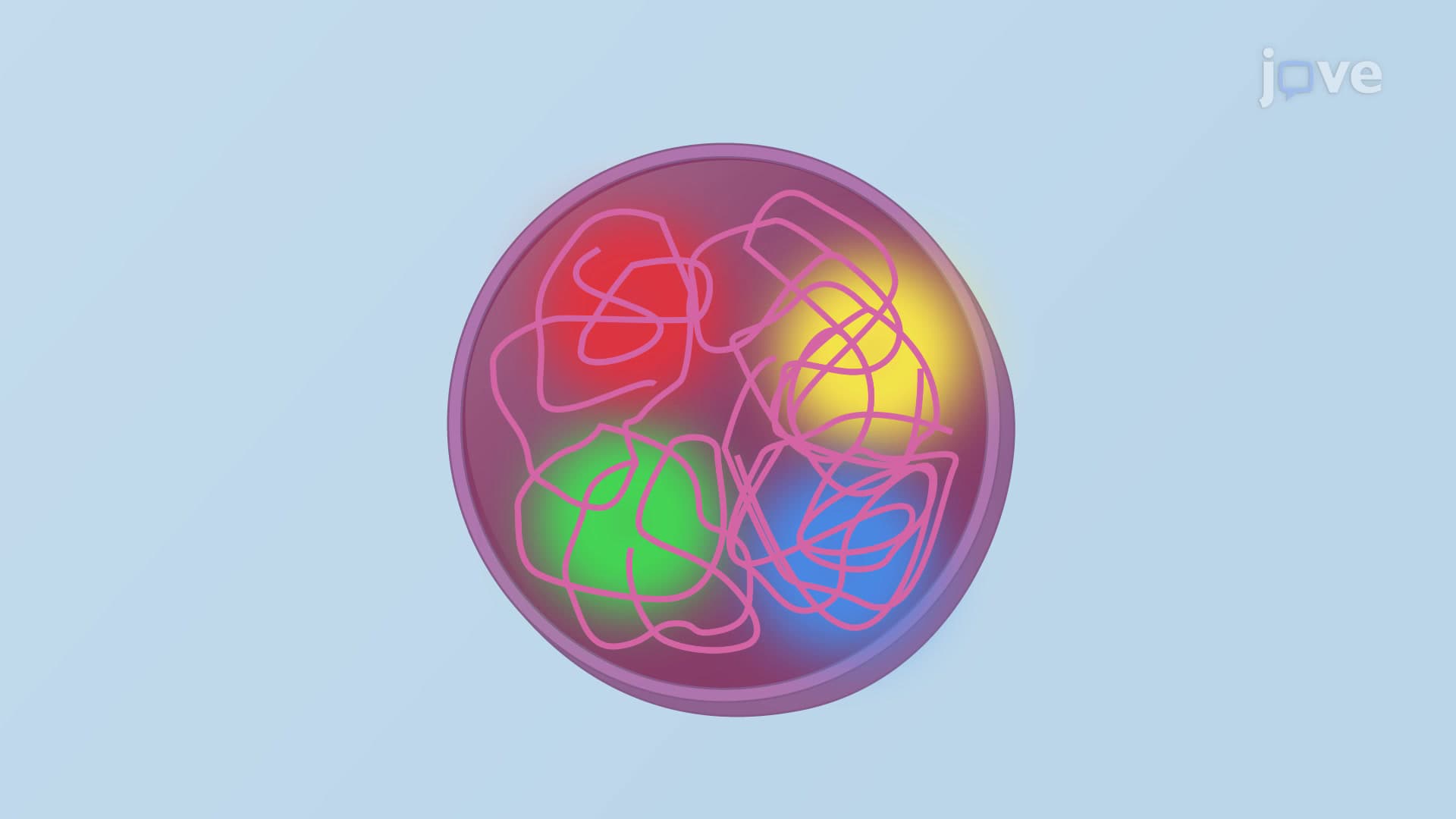
The challenge these cells face is significant: DNA must be compacted roughly 10,000-fold to fit inside the nucleus, yet remain accessible for transcription, replication, and repair. Imagine trying to read a specific page from a book that's been compressed into a matchbox-that's essentially what cells accomplish through nucleosome remodeling.
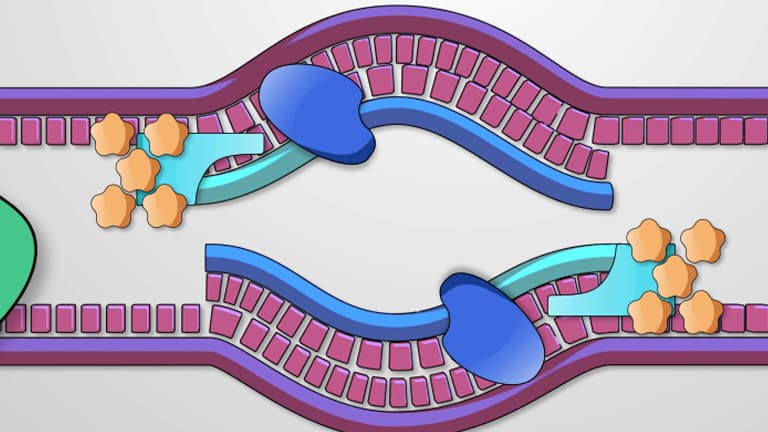
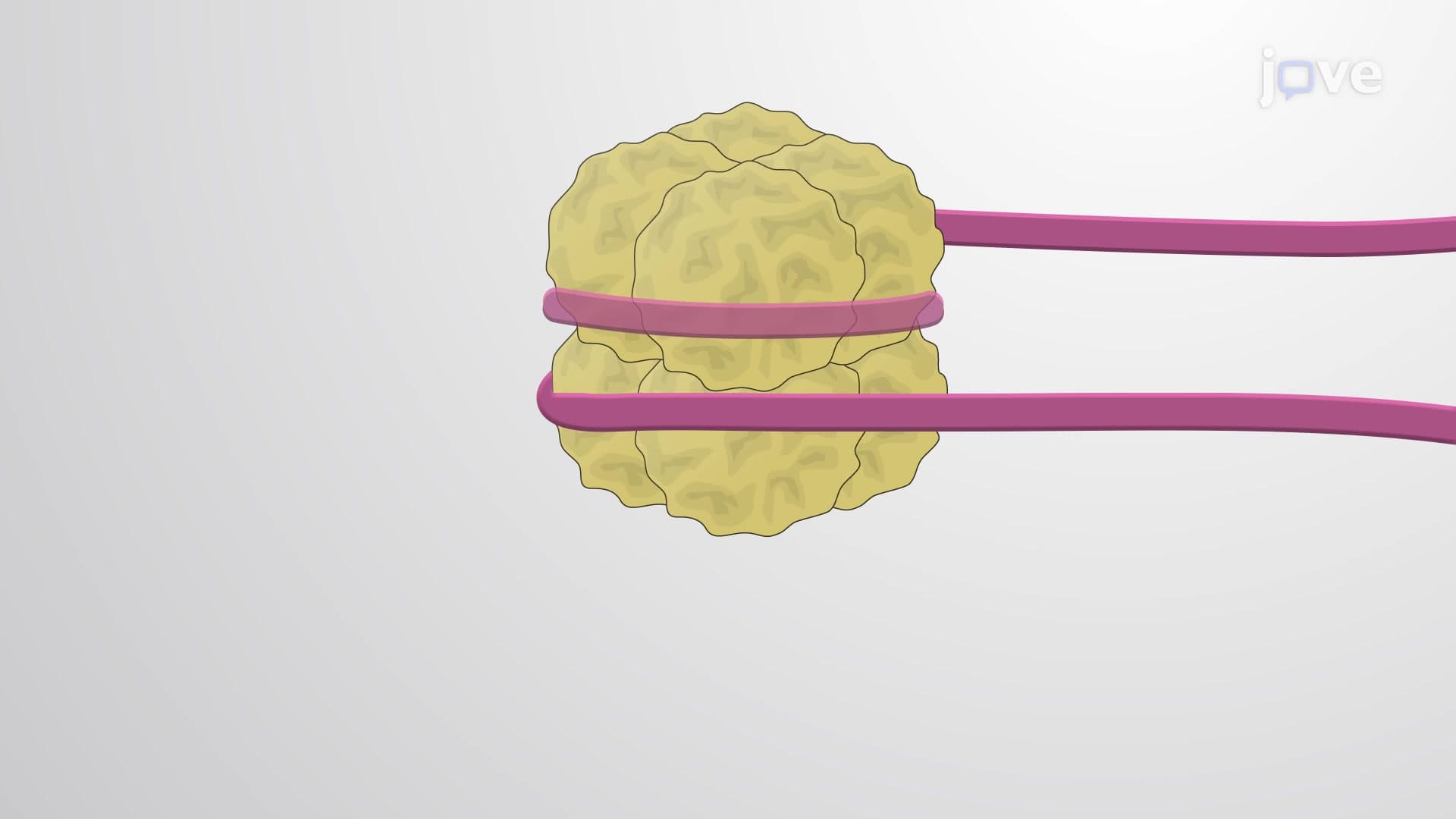
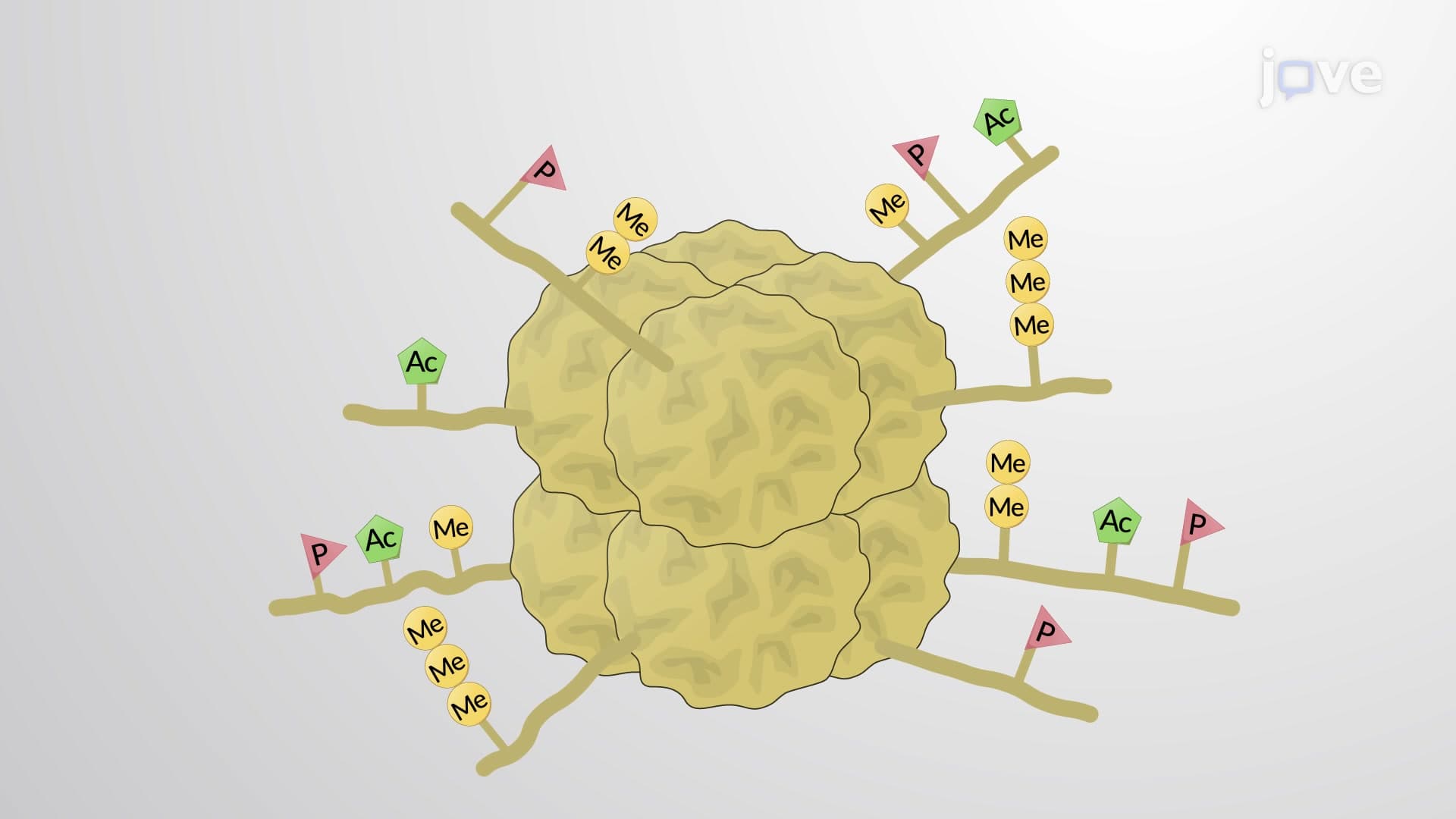
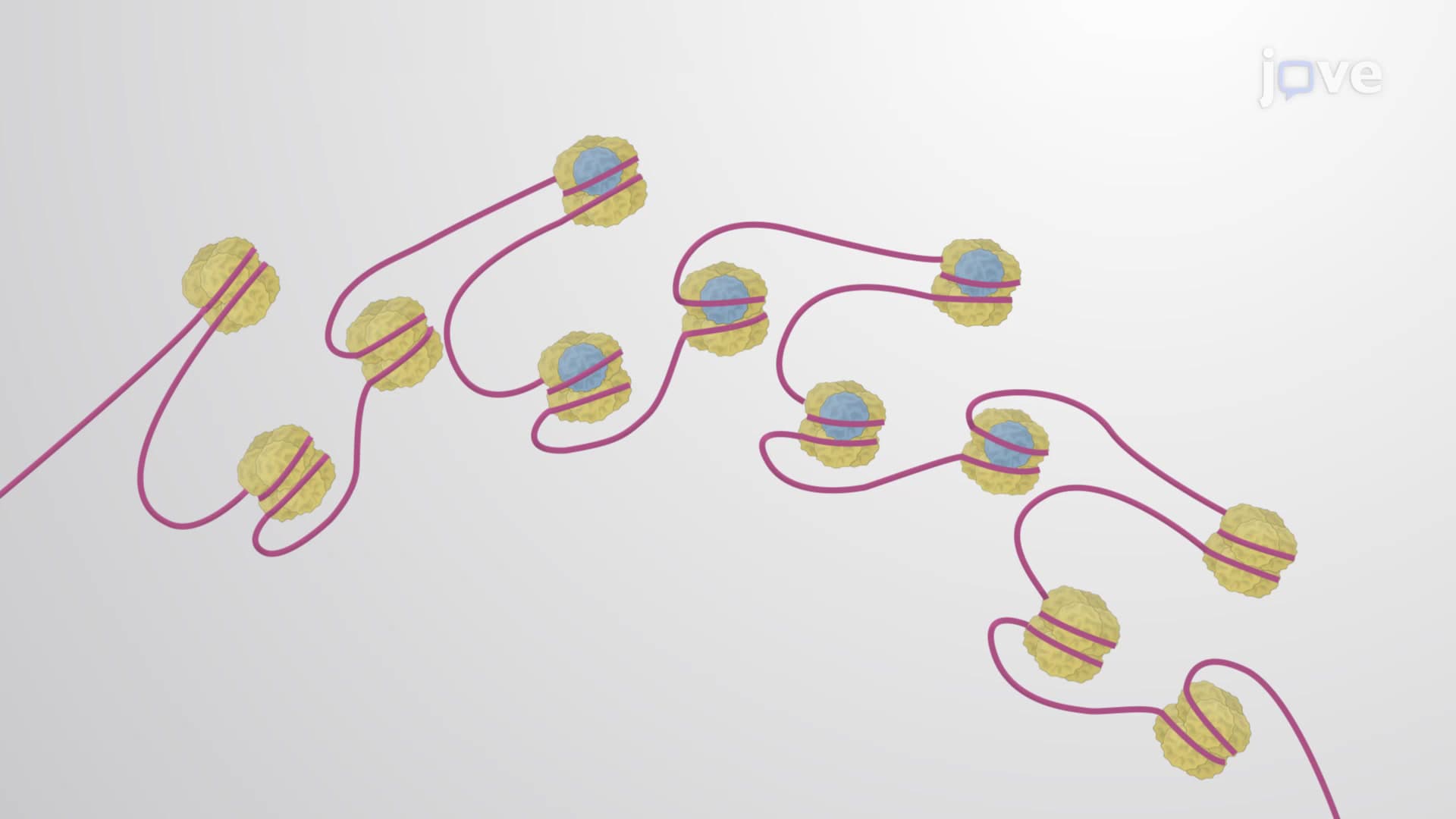
At the heart of nucleosome remodeling are ATP-dependent chromatin remodeling complexes, sophisticated enzyme systems that harness chemical energy to physically manipulate chromatin structure. These complexes contain specialized ATPase subunits that simultaneously bind to both histone proteins and the DNA wrapped around them. When ATP is hydrolyzed, the released energy disrupts the normally stable histone-DNA interactions.
In humans, major remodeling complex families include SWI/SNF, ISWI, and CHD complexes. For example, the SWI/SNF complex is frequently mutated in various cancers, highlighting its critical role in normal gene regulation. Students preparing for the MCAT should note that these complexes are often tested in the context of gene expression regulation and cancer biology.
The mechanism by which nucleosomes slide along DNA follows an elegant process called the loop-bulge propagation model. Picture a garden hose wrapped around a reel-if you push extra hose material at one point, it creates a bulge that can travel around the reel. Similarly, remodeling complexes push DNA from the linker region toward the histone core, creating a small loop or bulge.
This bulge propagates around the histone octamer like a wave, sequentially breaking and reforming histone-DNA contacts. As the wave completes its journey, the histone core shifts position along the DNA strand, exposing previously buried sequences. This process requires multiple rounds of ATP hydrolysis, making it energetically expensive but precisely controllable.
Understanding nucleosome remodeling has practical implications in medicine and biotechnology. Researchers at institutions like Johns Hopkins and Stanford are investigating how remodeling defects contribute to diseases. For instance, mutations in chromatin remodeling genes are associated with intellectual disabilities, autism spectrum disorders, and various cancers.
In cancer research, drugs targeting chromatin remodeling complexes are being developed as therapeutic agents. The FDA has approved several histone deacetylase inhibitors for cancer treatment, and chromatin remodeling complexes represent the next frontier in epigenetic therapies.
Related Micro-courses