Loading subject page…


286,223 views

Video Summary: What Is Organization of Genes
Did you know that your 20,000+ genes are packed into just 23 pairs of chromosomes, yet their precise arrangement determines everything from your eye color to disease susceptibility? The organization of genes within our genome isn't random-it's a sophisticated system that controls when and how genes are expressed. Consider how researchers at the National Institutes of Health use knowledge of gene organization to develop targeted therapies for genetic disorders like cystic fibrosis. Understanding what is organization of genes reveals the blueprint for life itself, showing how DNA sequences are structured to create functional proteins and regulate cellular processes. Watch the full video on JoVE Coach to master this concept with expert-led visuals and step-by-step explanations.
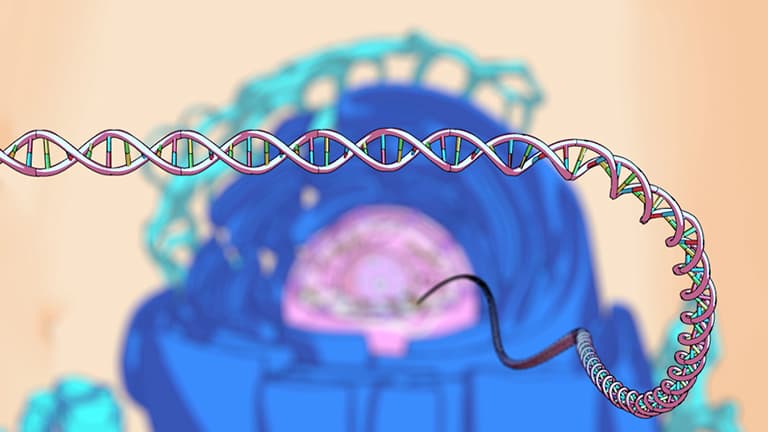
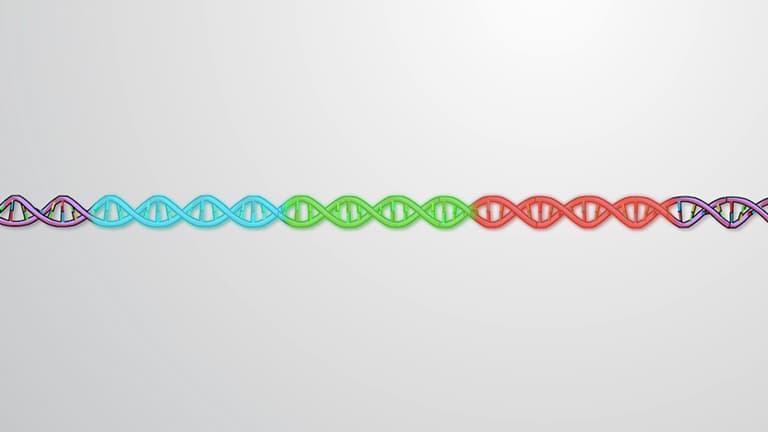
Gene organization refers to the systematic arrangement and structure of genes within an organism's genome. Unlike randomly scattered DNA sequences, genes are organized into functional units with specific components that work together to produce proteins or functional RNAs. This organization directly impacts how genes are expressed, regulated, and inherited across generations.
The basic gene structure includes several critical elements: promoter regions that initiate transcription, coding sequences (exons) that contain protein-building instructions, non-coding sequences (introns) that are removed during RNA processing, and regulatory elements like enhancers and silencers that fine-tune gene expression. Understanding this organization helps students excel on AP Biology exams, where gene regulation questions frequently appear.
Prokaryotes like bacteria organize functionally related genes into operons-clusters of genes controlled by a single promoter. The famous lac operon in *E. coli*, studied extensively at universities like MIT and Harvard, demonstrates how bacteria efficiently coordinate gene expression for metabolic pathways. When lactose is present, all three genes needed for lactose metabolism are transcribed together.
Eukaryotic gene organization is more complex and dispersed. Human genes are scattered across 23 chromosome pairs, with related genes often located on different chromosomes. This arrangement allows for more sophisticated regulation through multiple enhancers and silencers that can be located thousands of base pairs away from the gene itself. This complexity is why eukaryotic gene regulation questions challenge students on the MCAT and in college molecular biology courses.
Gene density varies dramatically across the human genome and between organisms. Humans have approximately one gene per 100,000 base pairs, while the compact genome of *C. elegans* packs genes much more densely. Certain chromosomal regions, like the gene-rich chromosome 19, contain many more genes than gene-poor regions like chromosome Y.
Research institutions like the Broad Institute have revealed that gene organization influences disease susceptibility. For example, the clustered organization of histone genes allows coordinated expression during DNA replication, while the dispersed arrangement of tumor suppressor genes like p53 provides multiple regulatory checkpoints.
Understanding gene organization has revolutionized medicine in the United States. The FDA-approved gene therapy Luxturna targets specific retinal genes whose organization was mapped through decades of research. Similarly, CRISPR gene editing relies on precise knowledge of target gene locations and surrounding regulatory elements.
Students preparing for health science careers should recognize how gene organization knowledge applies to genetic counseling, where understanding chromosomal arrangements helps predict inheritance patterns, and to pharmacogenomics, where gene variants affect drug responses in personalized medicine approaches used at major medical centers like Johns Hopkins and Mayo Clinic.
Related Micro-courses