Loading subject page…


286,218 views
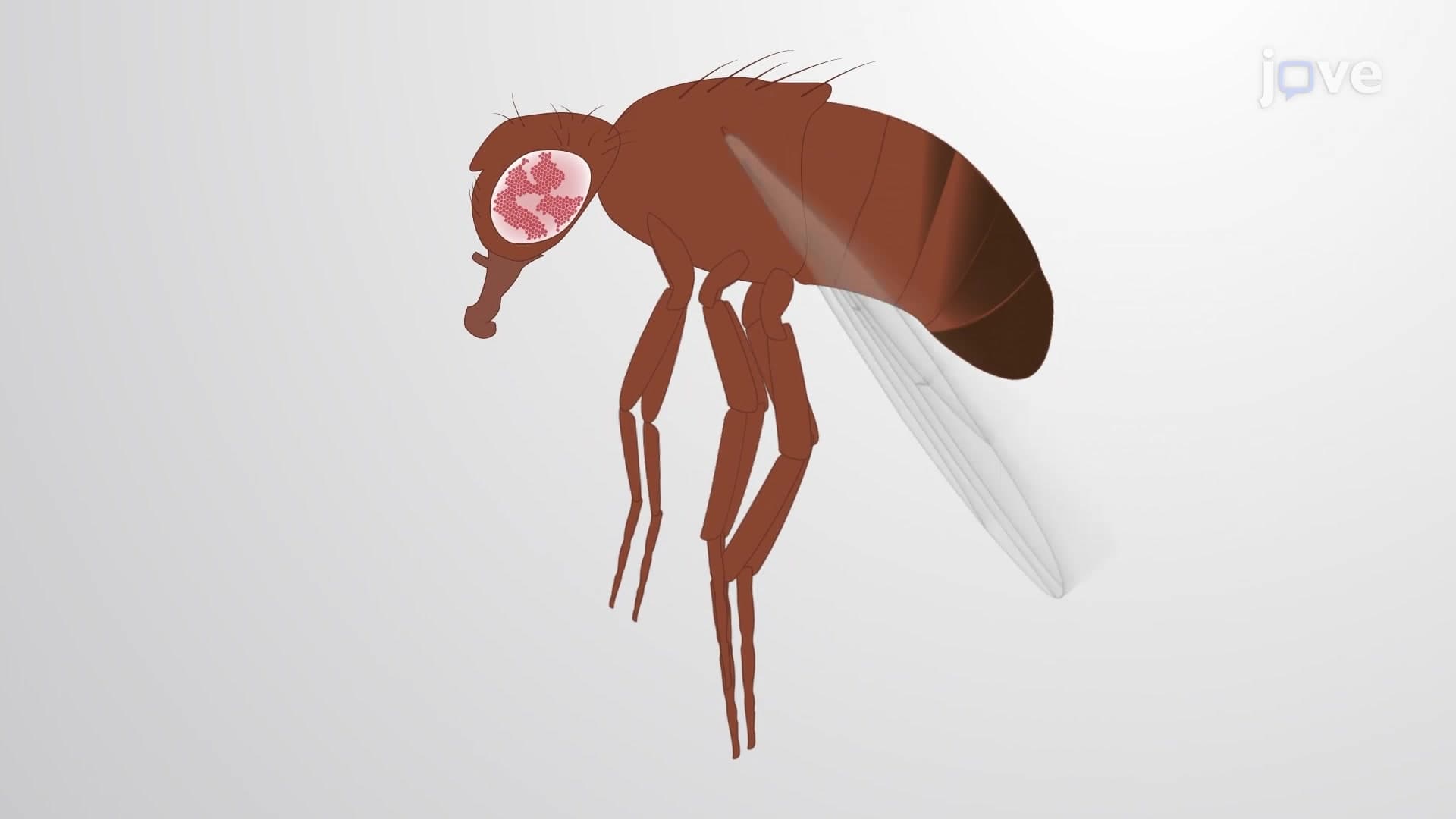

Video Summary: What Is Position Effect Variegation
Ever wonder why some fruit flies have speckled eyes that look like colorful mosaics? Position effect variegation occurs when genes normally found in active chromosome regions get relocated near silent, condensed DNA areas, causing unpredictable gene expression patterns. This fascinating phenomenon was first discovered in Drosophila melanogaster research at Stanford University and explains how chromosomal rearrangements can create striking visual patterns in organisms. Watch the full video on JoVE Coach to master this concept with expert-led visuals and step-by-step explanations.
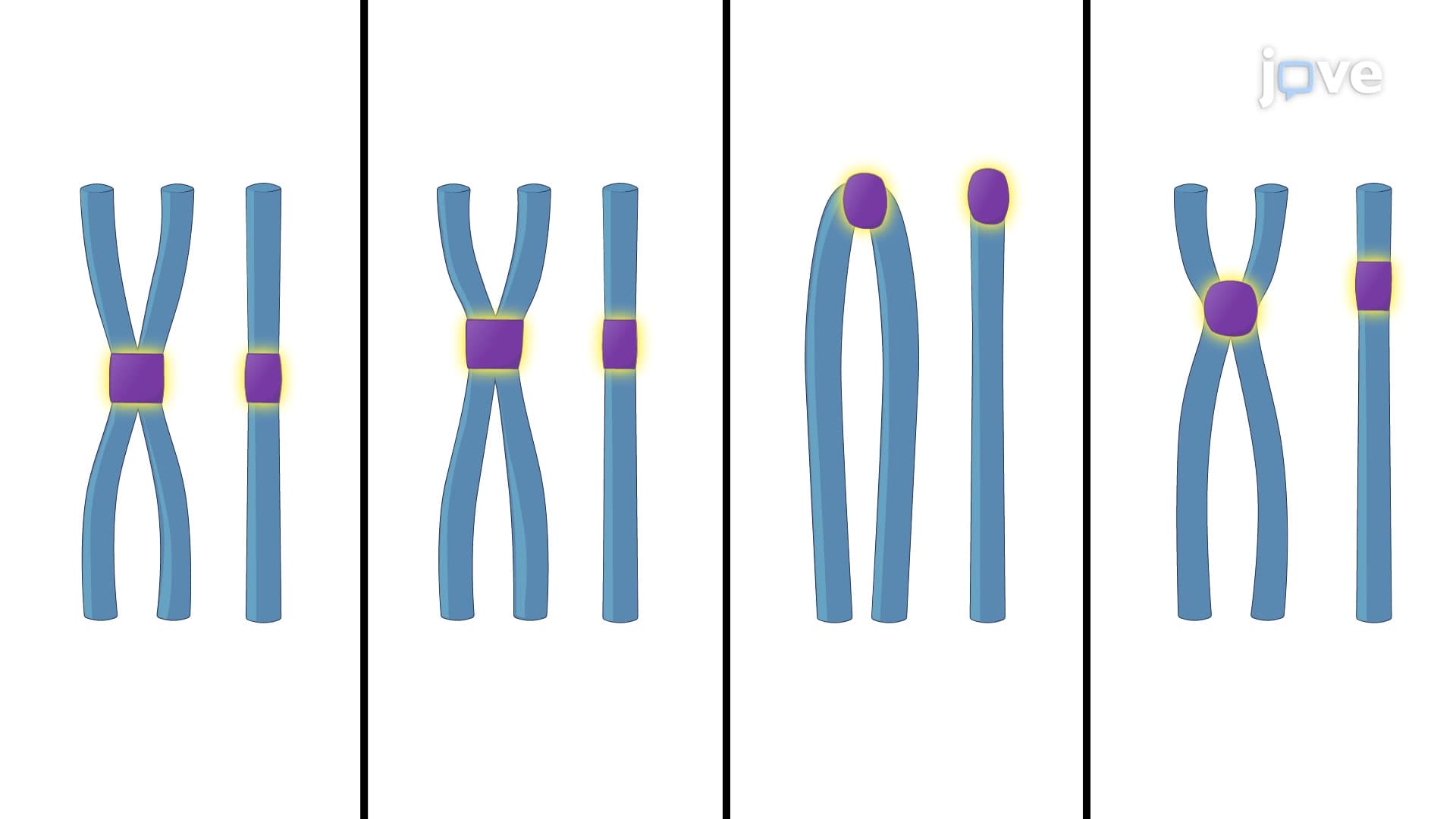
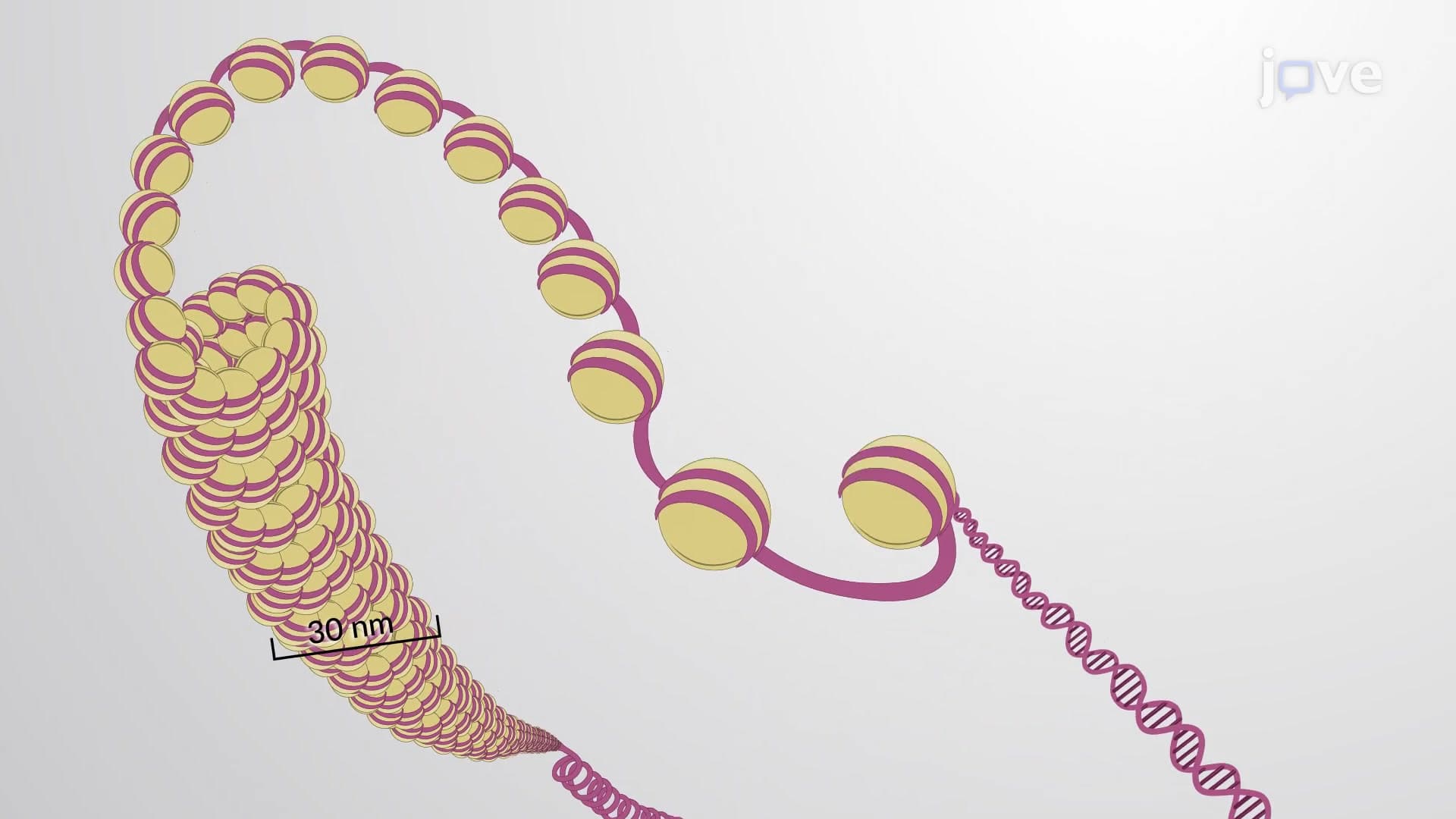
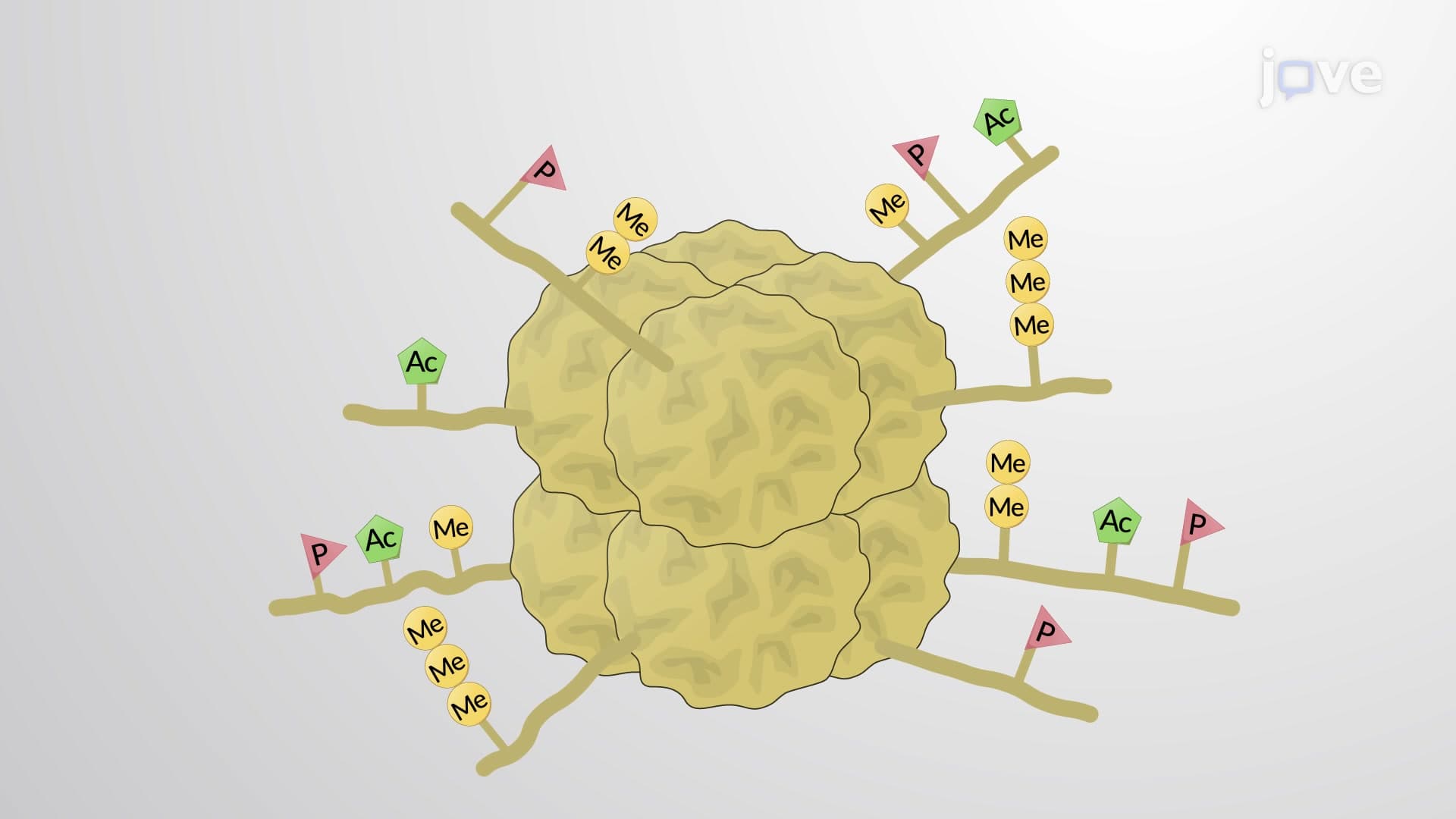
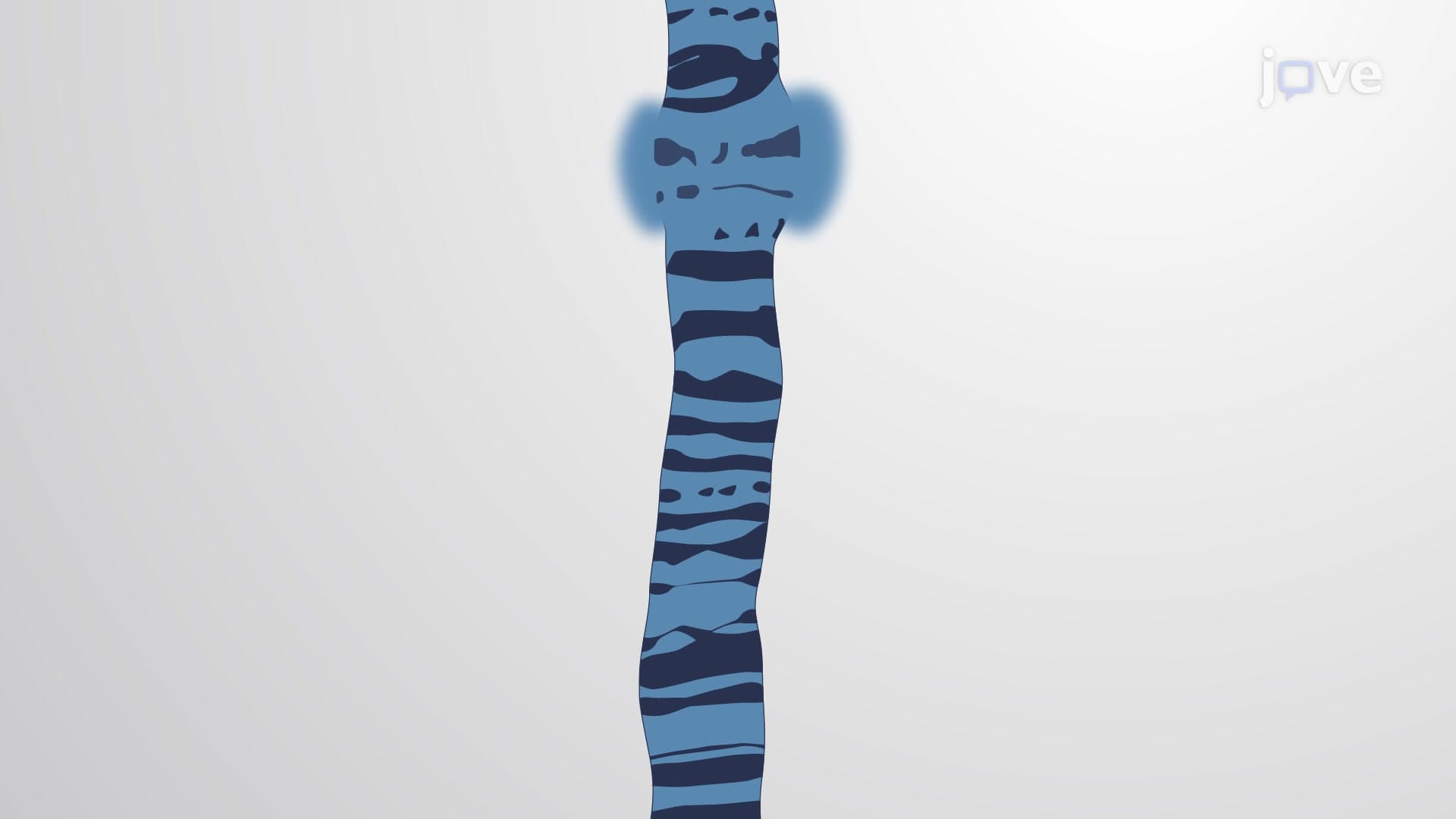
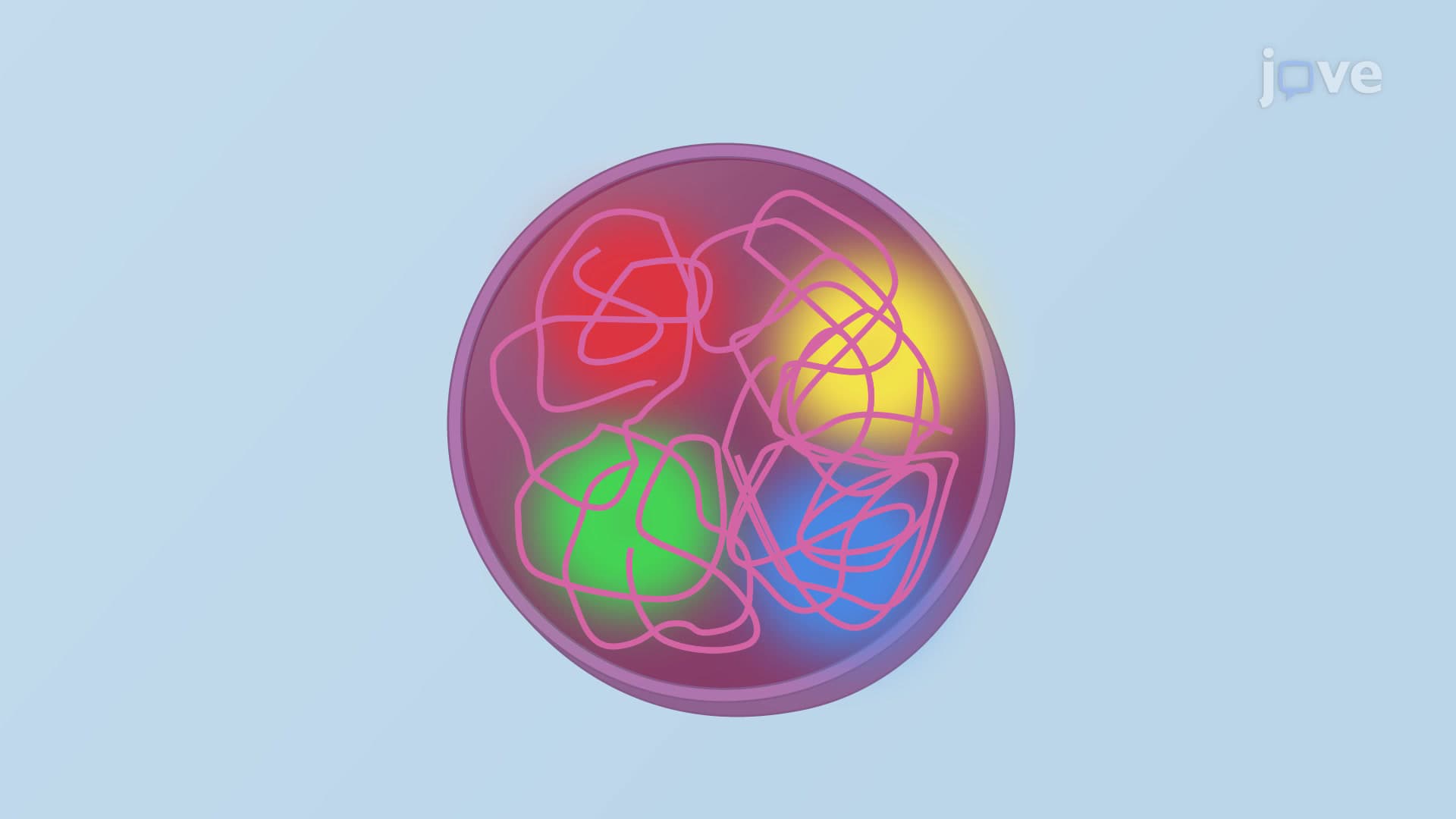
Position effect variegation represents a cornerstone concept in epigenetics, demonstrating how gene location within chromosomes directly impacts expression patterns. This phenomenon occurs when normally active genes become relocated adjacent to heterochromatin-the tightly packed, transcriptionally silent regions of chromosomes found at centromeres and telomeres. Unlike traditional genetic mutations that alter DNA sequences, position effects change gene expression through chromosomal context alone.
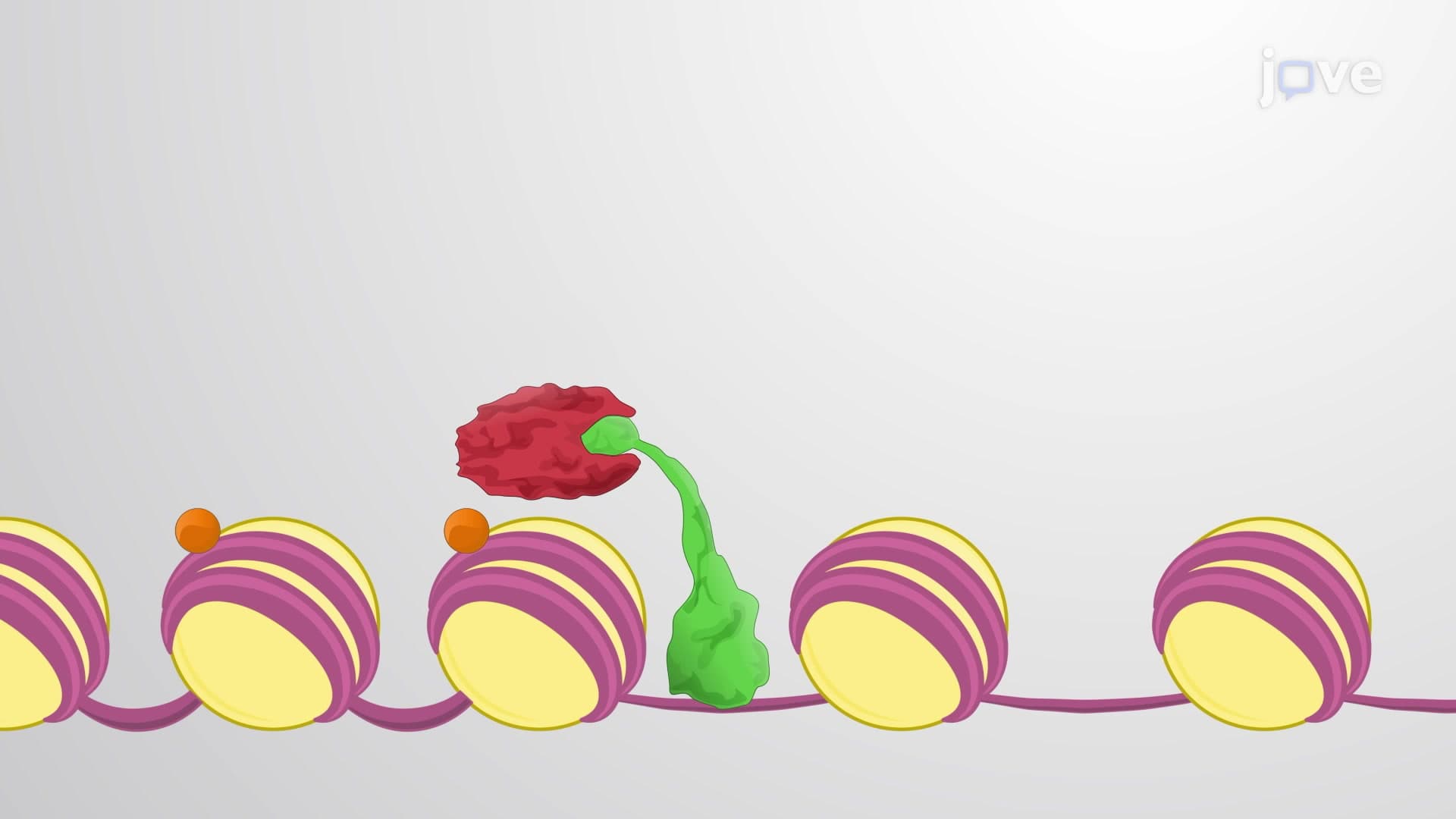
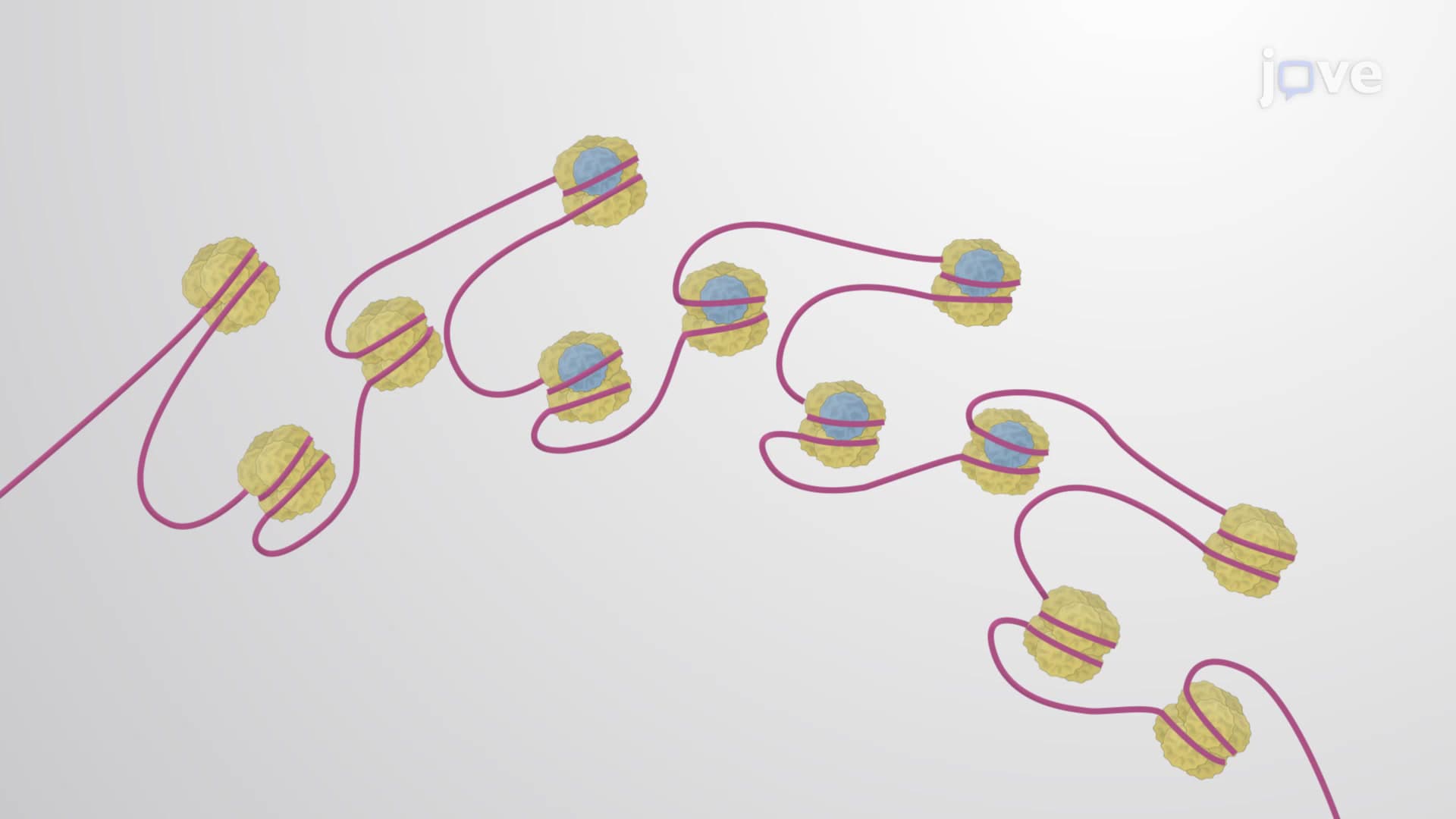
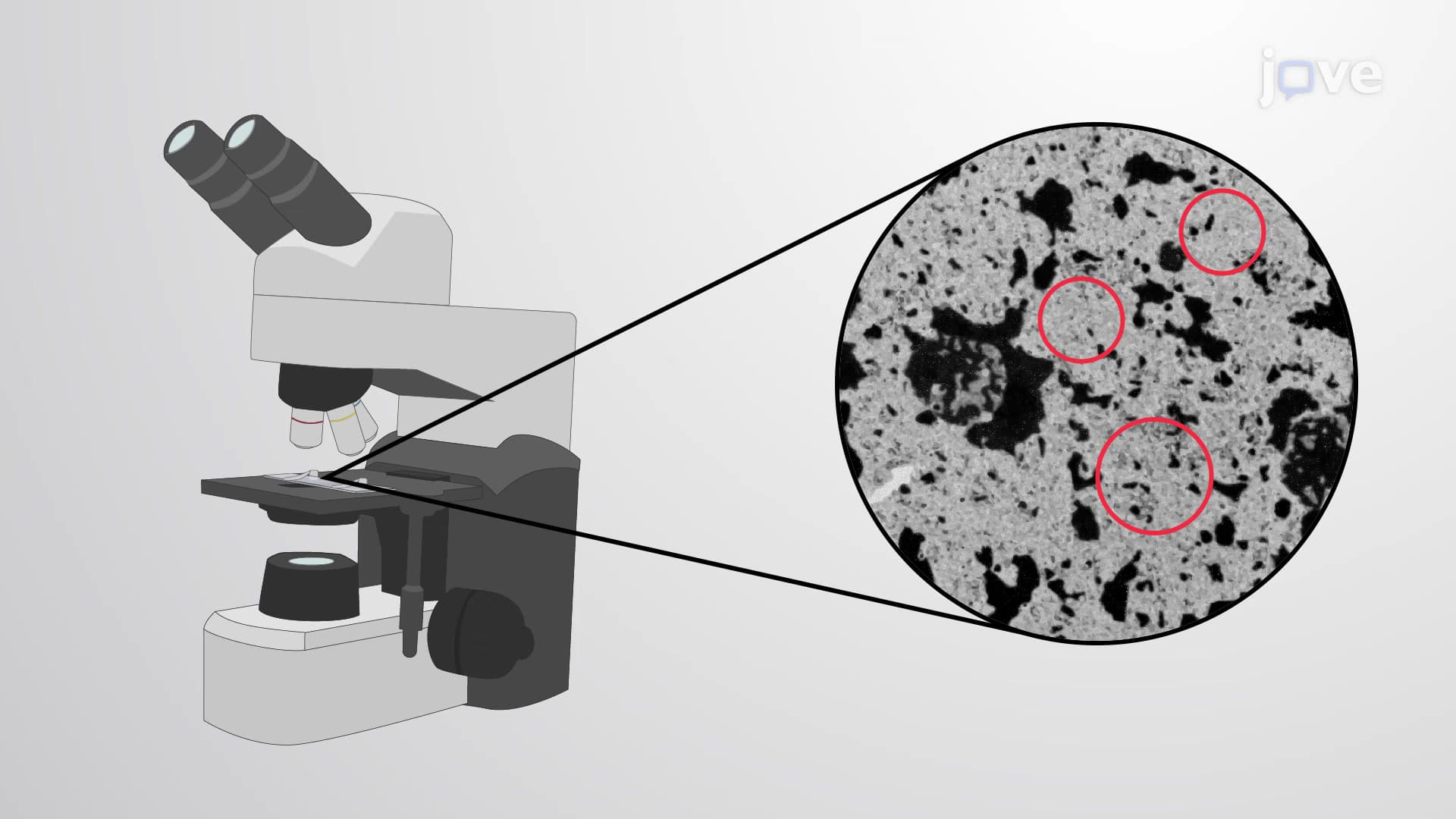
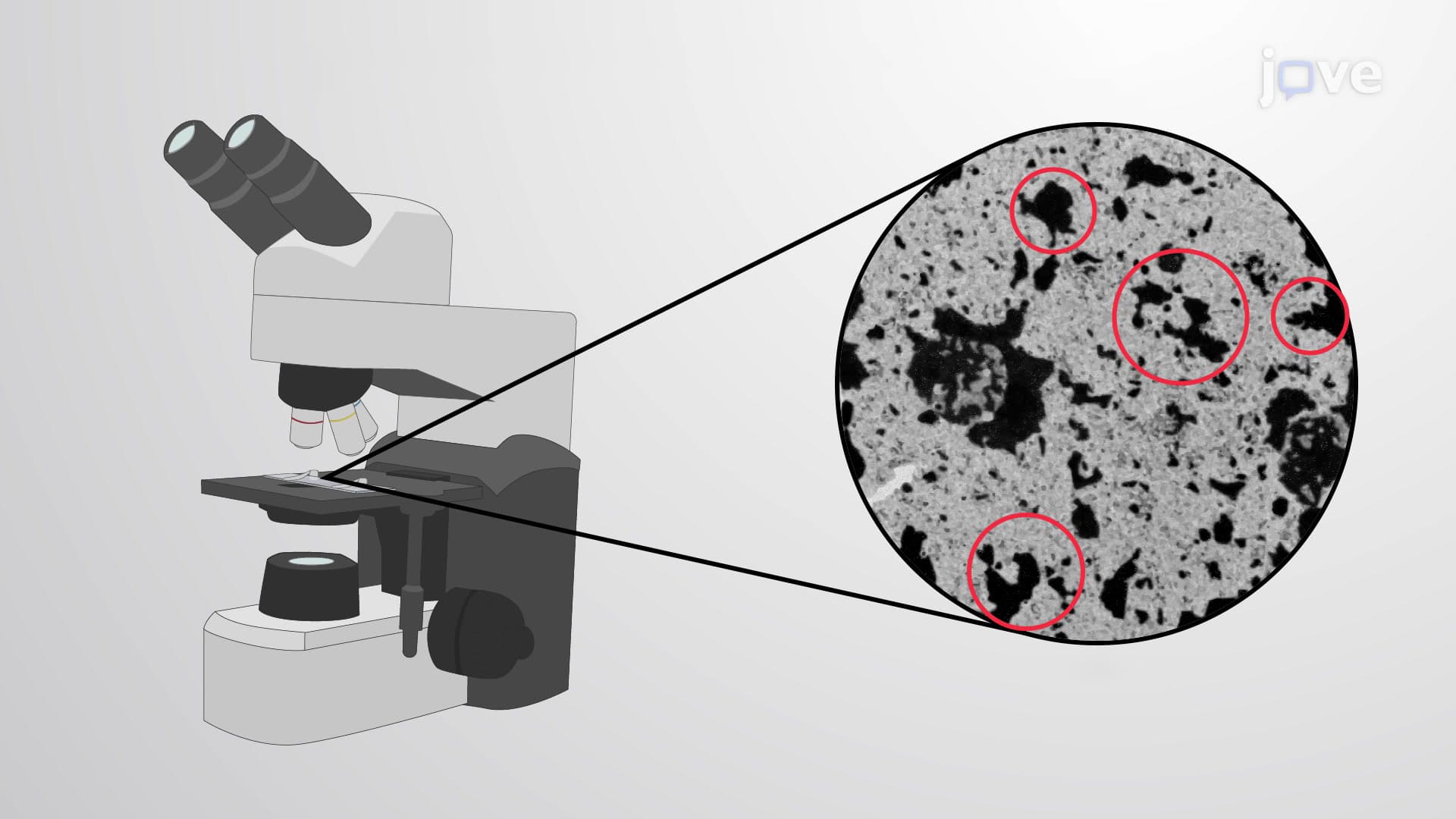
The mechanism relies on chromatin structure dynamics. Euchromatin, comprising most chromosomal material, maintains an open configuration that allows transcription machinery access to genes. Heterochromatin, conversely, creates a repressive environment where genes become silenced. Barrier DNA sequences typically separate these domains, preventing heterochromatin spreading. However, chromosomal rearrangements can eliminate these protective barriers, allowing heterochromatin to invade neighboring euchromatic regions unpredictably.
Position effect variegation's most fascinating aspect involves its stochastic nature during development. When barrier sequences disappear, heterochromatin spreading occurs randomly during early embryogenesis. Some embryonic cells experience extensive spreading that silences relocated genes, while others show minimal spreading that preserves gene function. Once established in individual cells, these expression states become inherited by all descendant cells through subsequent cell divisions.
This developmental timing explains why variegated phenotypes appear mosaic-like rather than uniformly altered. In Drosophila white gene studies conducted at institutions like Harvard Medical School and UC Berkeley, researchers observed that eye pigmentation patterns reflect the precise developmental stage when heterochromatin spreading occurred in each eye precursor cell.
Position effect variegation extends far beyond fruit fly laboratories. Human genetic disorders, including some forms of intellectual disability and cancer, involve similar position effects. Chromosomal translocations in acute lymphoblastic leukemia can relocate tumor suppressor genes near heterochromatin, contributing to disease progression. Understanding these mechanisms proves crucial for medical genetics coursework and MCAT preparation.
Students preparing for AP Biology exams frequently encounter position effect questions testing comprehension of gene regulation mechanisms. College genetics courses at institutions like MIT and Johns Hopkins emphasize position effects when teaching epigenetic inheritance patterns. The concept also appears in molecular biology sections of standardized tests, requiring students to predict phenotypic outcomes from chromosomal rearrangement scenarios.
Related Micro-courses