Loading subject page…


286,223 views


Video Summary: What Is Spreading of Chromatin Modifications
Ever wondered how your cells "remember" which genes to keep active across millions of cell divisions? The spreading of chromatin modifications is the cellular mechanism that propagates epigenetic marks along chromosomes, much like how researchers at Stanford University discovered that cancer cells can "spread" silencing marks to shut down tumor suppressor genes. This process involves reader and writer enzymes working together in coordinated cycles to extend chromatin changes over substantial chromosomal distances, creating distinct functional domains. Watch the full video on JoVE Coach to master this concept with expert-led visuals and step-by-step explanations.
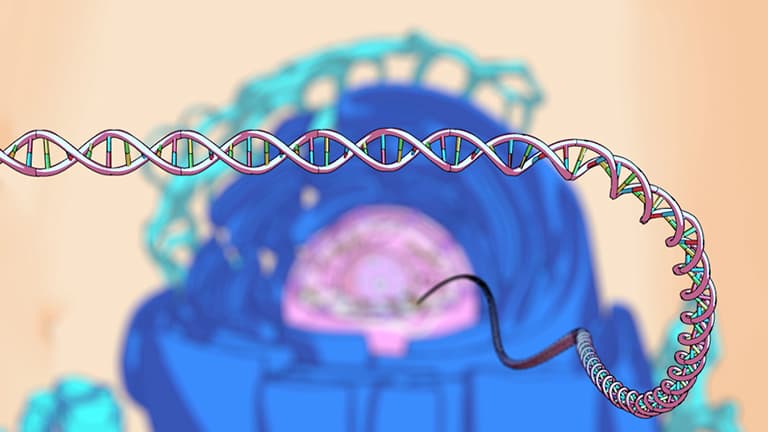
The spreading of chromatin modifications represents one of biology's most elegant regulatory mechanisms, allowing cells to create and maintain distinct functional domains across their chromosomes. This process enables a single initial signal to propagate epigenetic information over thousands of base pairs, fundamentally shaping gene expression patterns that define cell identity and function.
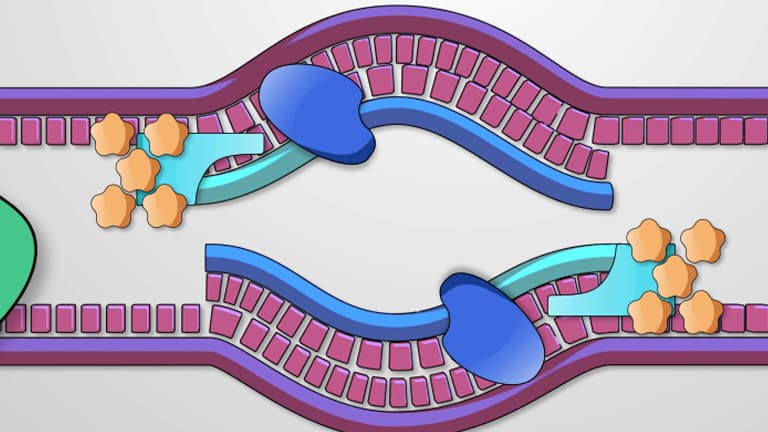
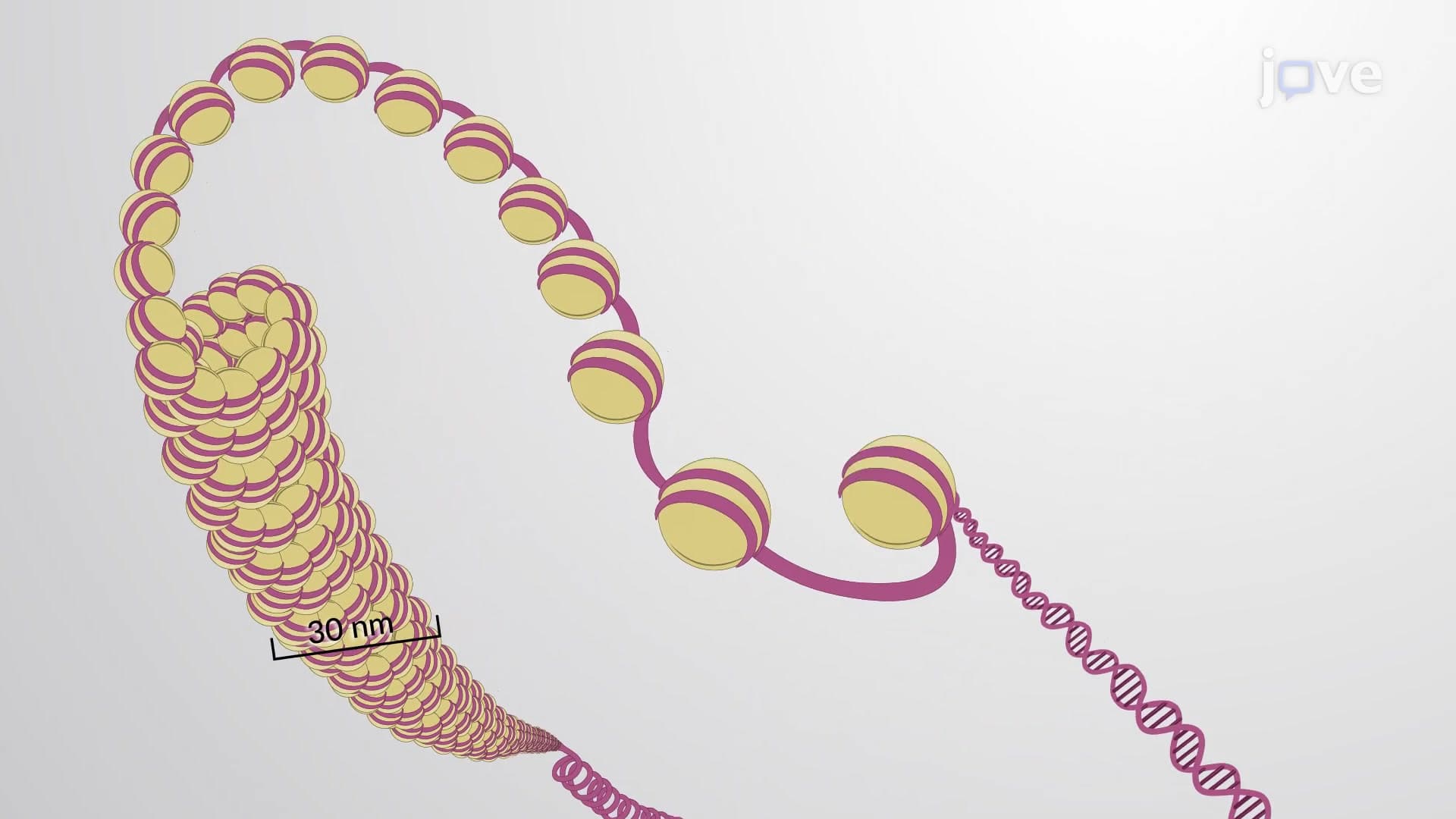
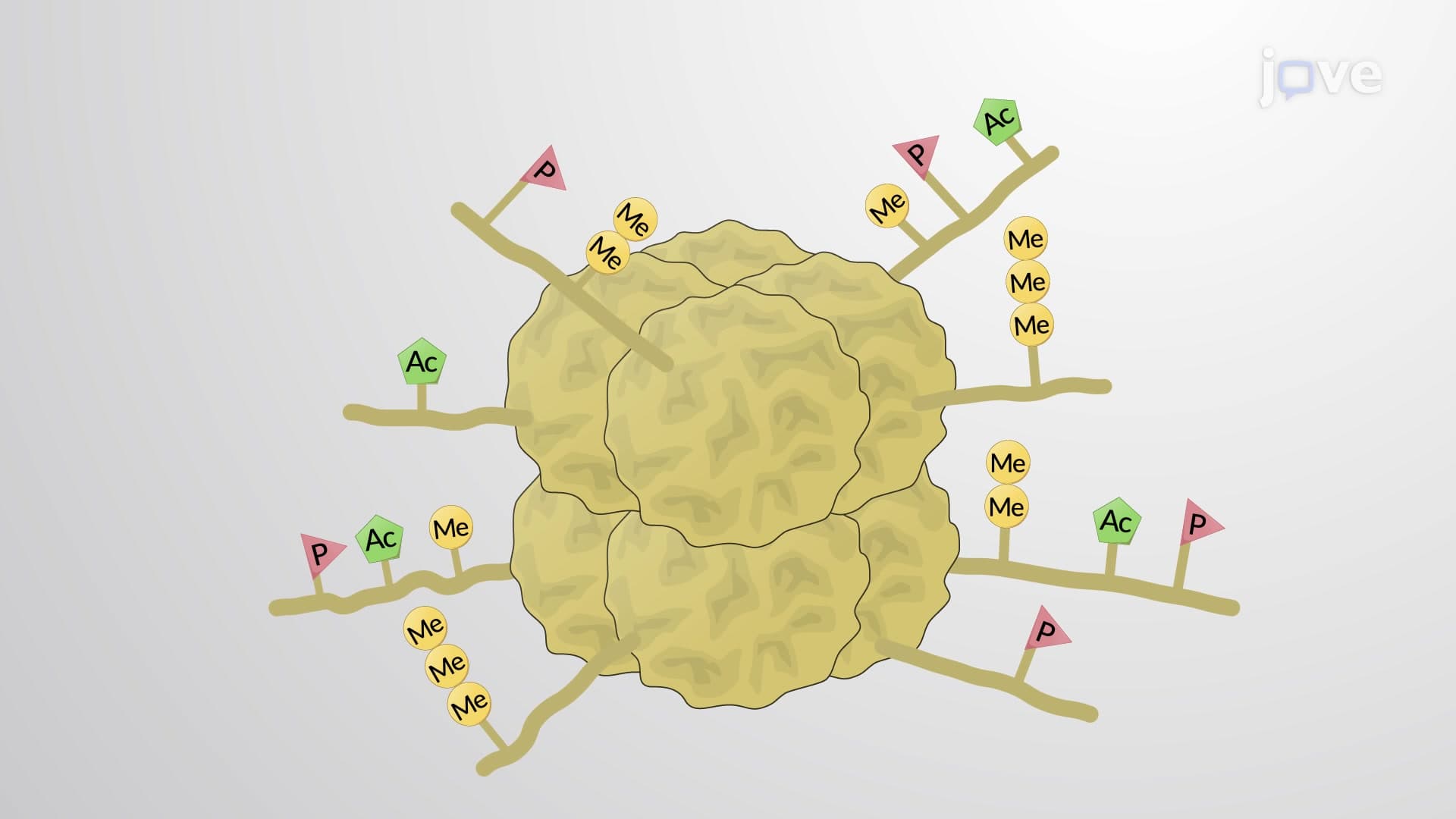
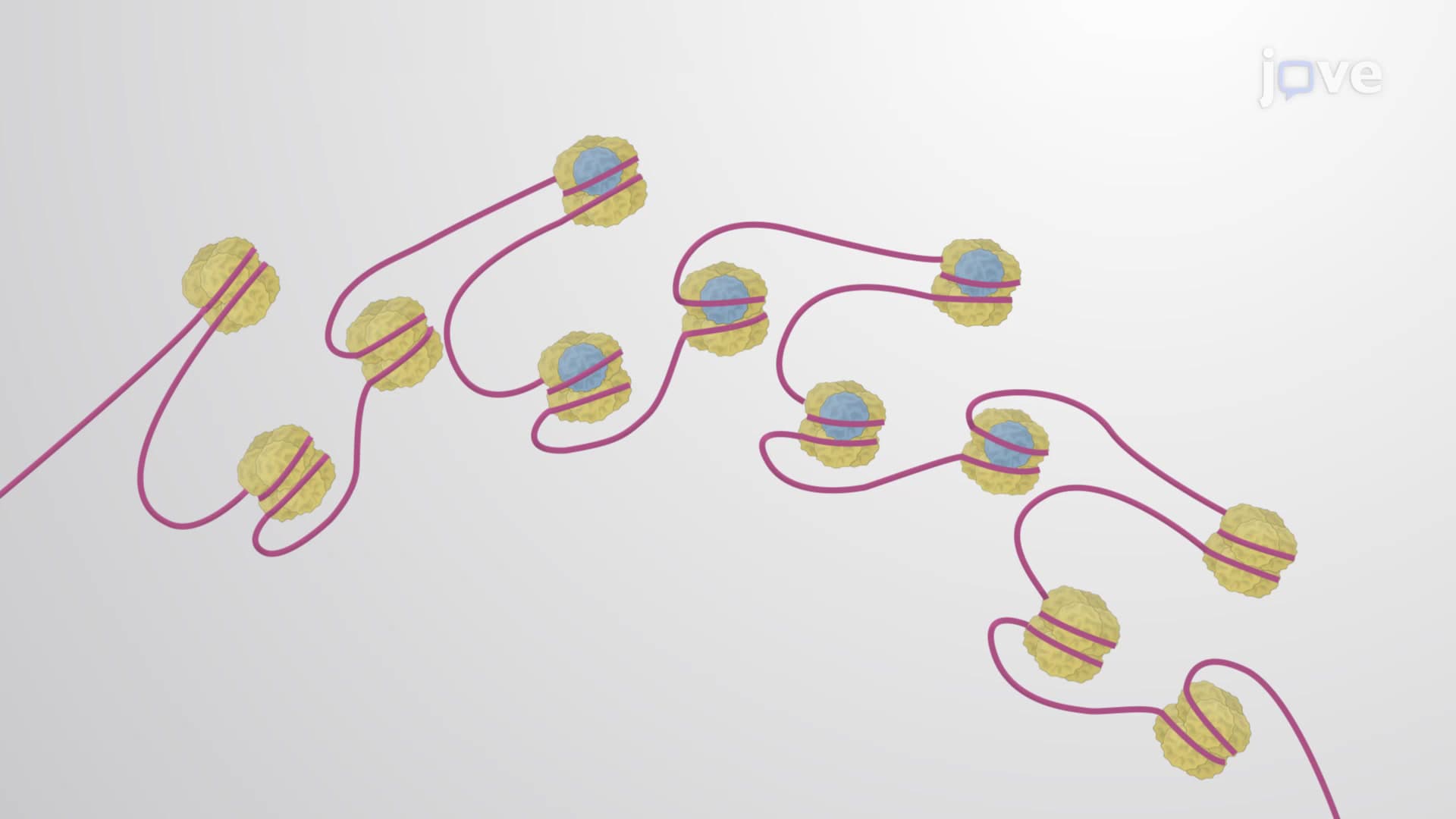
The spreading process operates through a sophisticated molecular relay system. When transcriptional regulatory proteins recognize specific DNA sequences, they recruit writer enzymes that add chemical marks to nearby histone proteins. These marks serve as recognition signals for reader enzymes, which form multiprotein complexes containing additional writer enzymes. The reader-writer complex binds to modified nucleosomes and positions its writer component near adjacent unmodified nucleosomes, creating new marks that recruit more reader-writer complexes. This creates a self-reinforcing cycle that can extend chromatin modifications across extensive chromosomal regions.
Research at Harvard Medical School has demonstrated how this mechanism operates in mammalian cells, where spreading of H3K9 methylation marks can extend heterochromatin domains over several hundred kilobases. The processivity of this system explains how cells can silence entire gene clusters or maintain active chromatin domains spanning multiple genes.
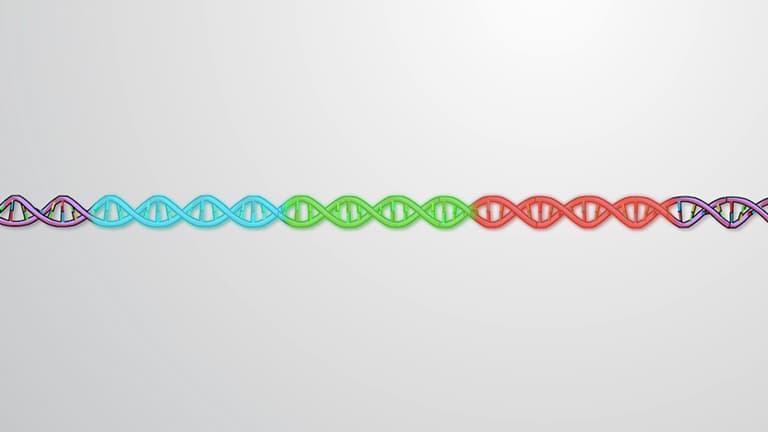
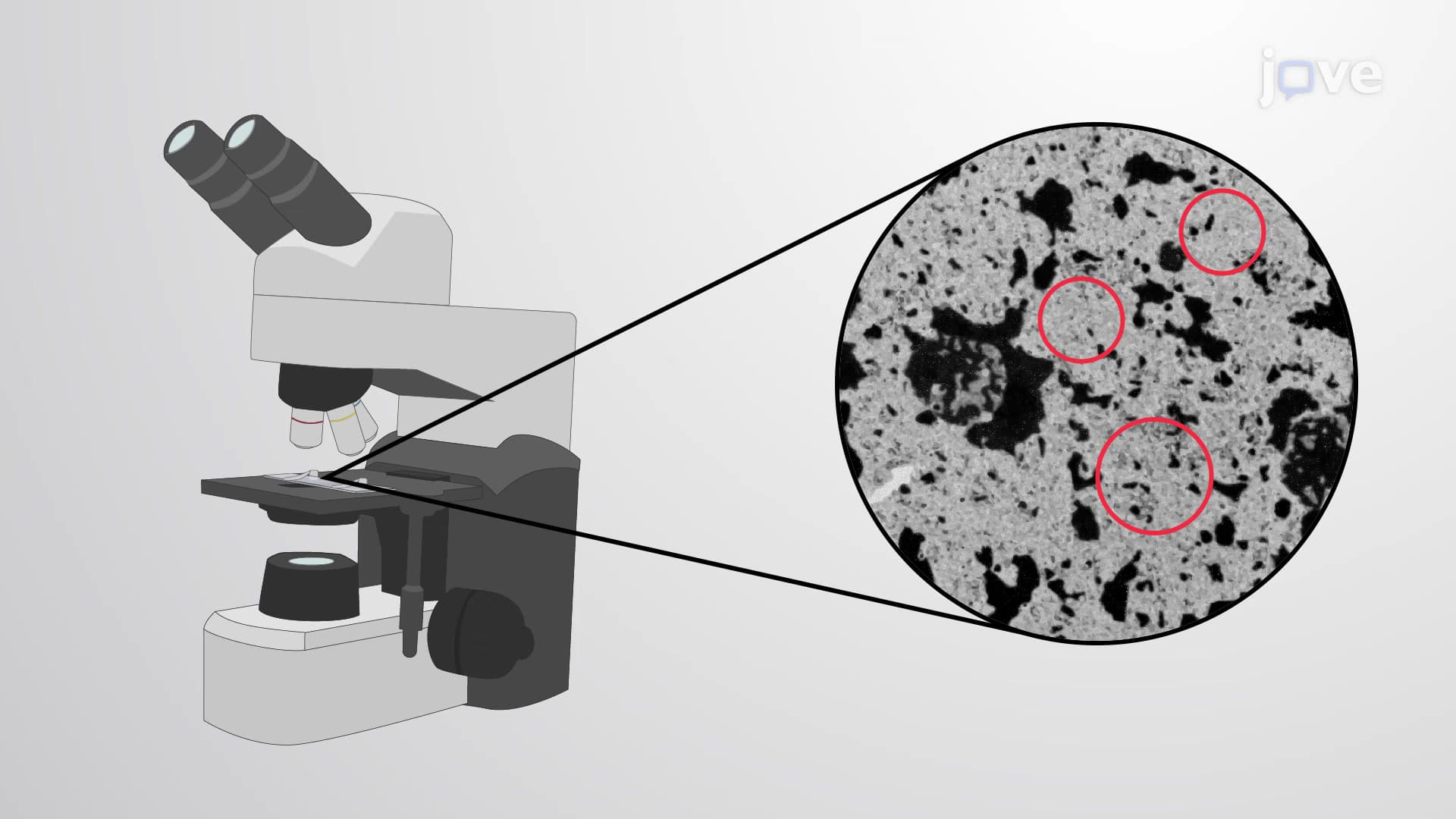
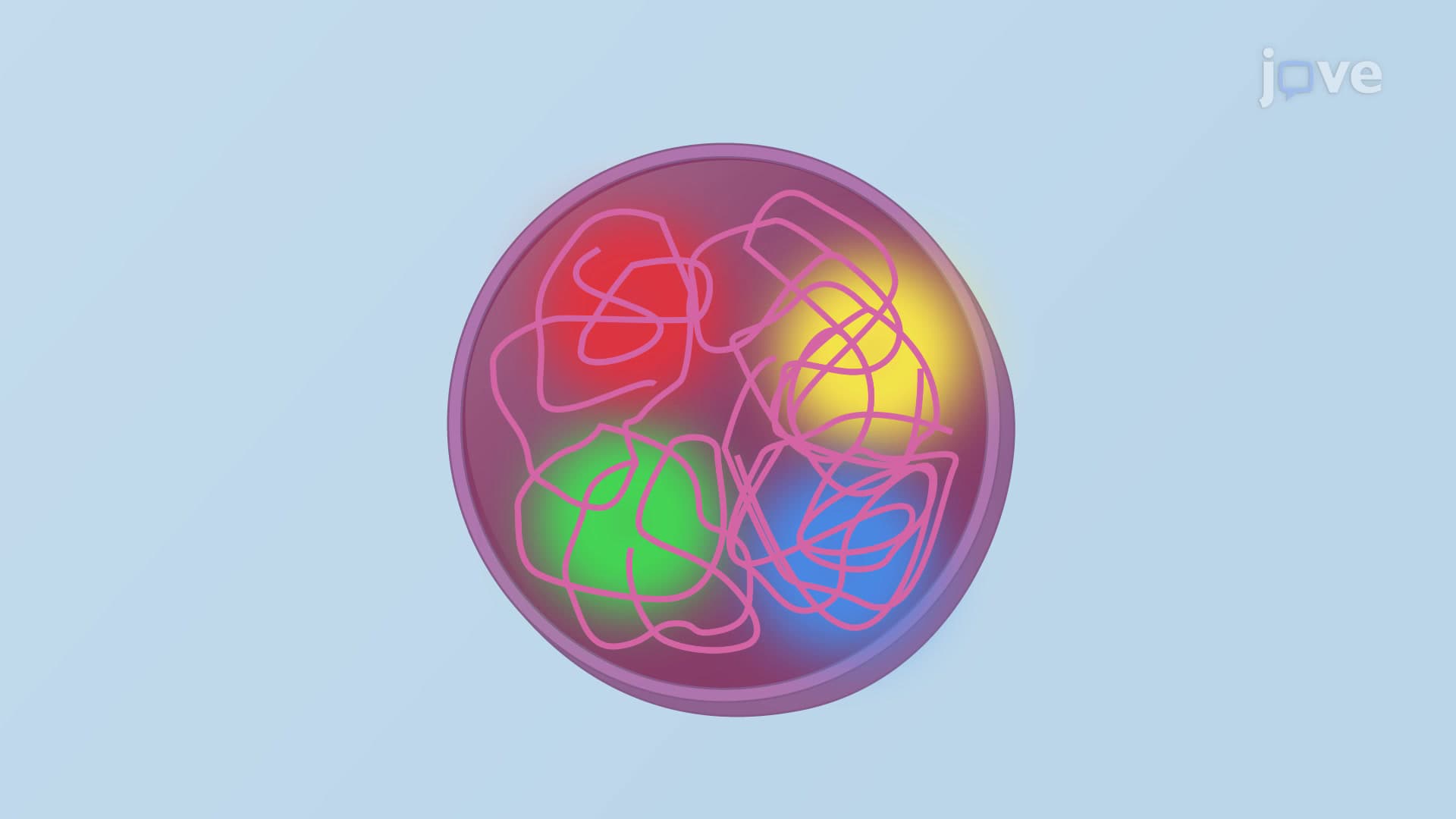
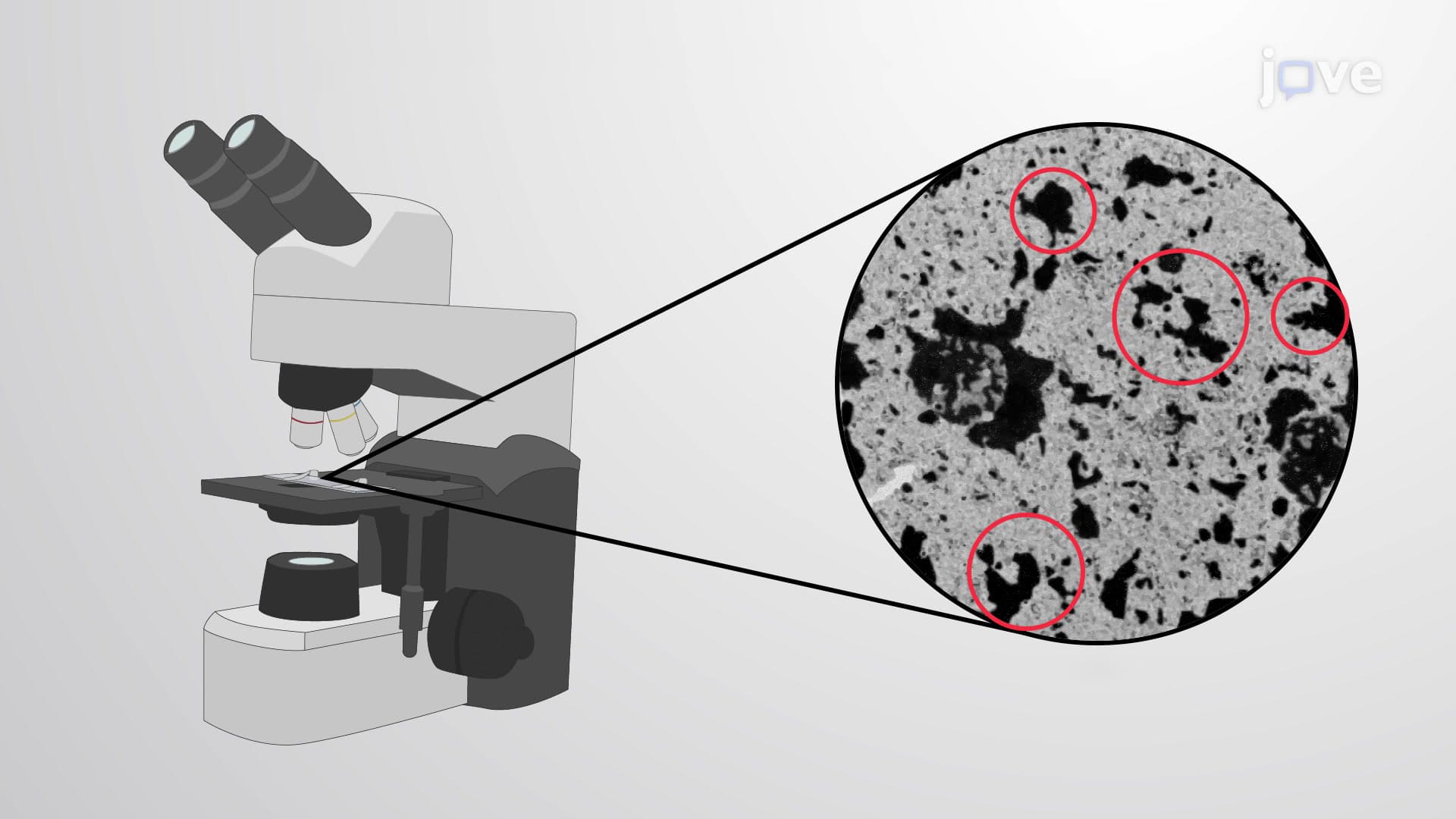
Chromatin spreading creates functionally distinct domains that are crucial for proper cellular function. Euchromatin domains, characterized by active histone marks, remain accessible for transcription and contain most actively expressed genes. Heterochromatin domains, marked by repressive modifications, maintain gene silencing and chromosomal stability. This compartmentalization is essential for processes ranging from X-chromosome inactivation in female mammals to the silencing of repetitive DNA elements that could otherwise cause genomic instability.
Students preparing for the MCAT or AP Biology exams should understand that chromatin spreading explains how cells maintain stable gene expression patterns without changing their underlying DNA sequence-a cornerstone concept in epigenetics that frequently appears in standardized tests.
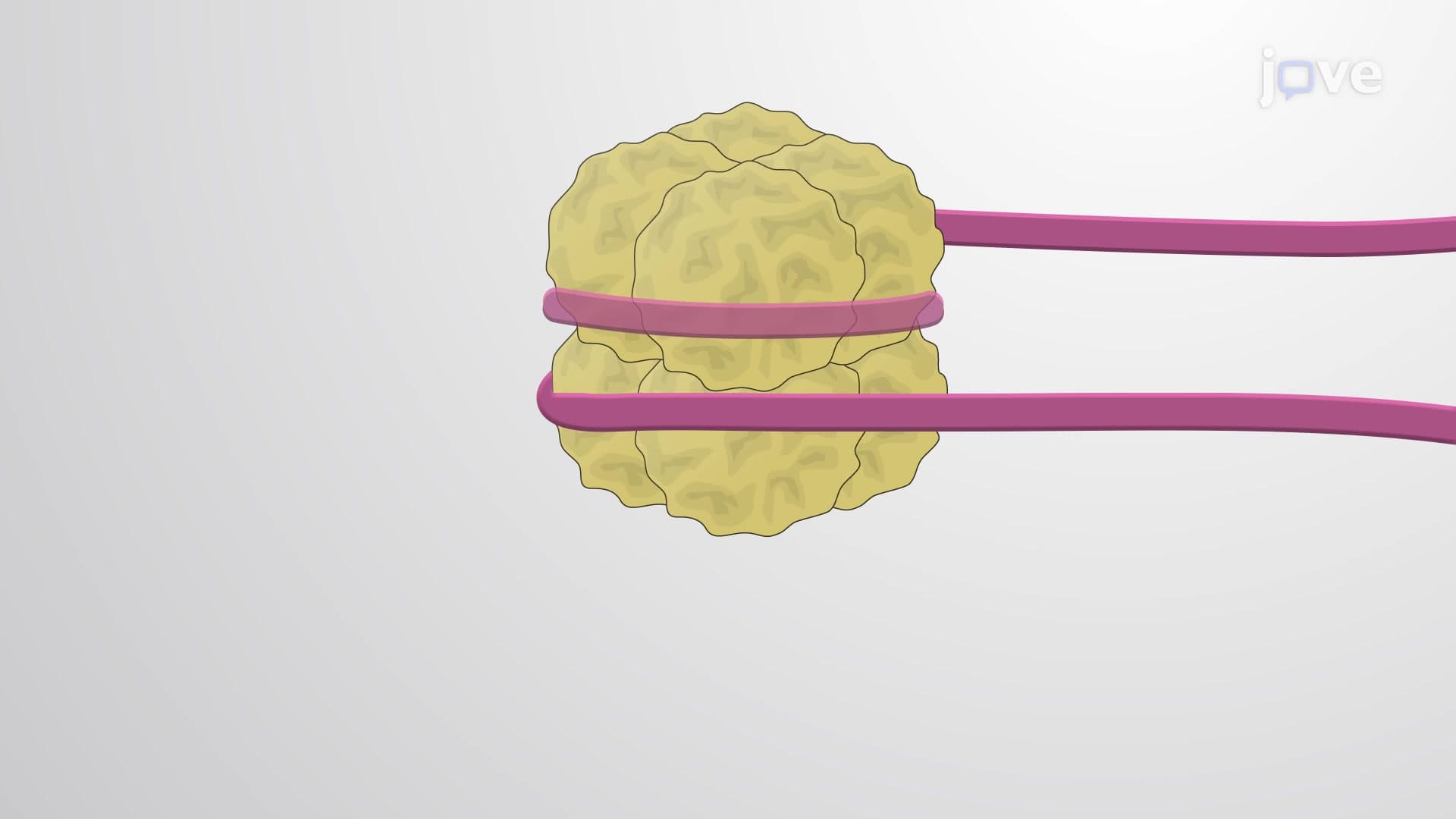
Barrier sequences and their associated proteins represent the cellular "stop signs" that prevent inappropriate chromatin spreading. These elements employ multiple strategies: recruiting eraser enzymes that remove spreading marks, physically covering nucleosomes to block modification, or tethering chromatin to nuclear structures like pores. The insulators found in mammalian genomes, such as CTCF binding sites, exemplify these barrier systems and are intensively studied at institutions like the National Institutes of Health for their roles in genetic diseases and cancer development.
Related Micro-courses