Loading subject page…


286,219 views

Video Summary: What Is the Nucleosome
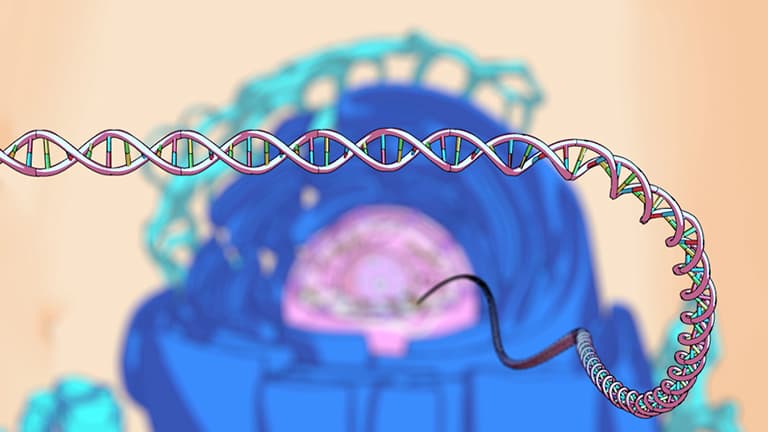
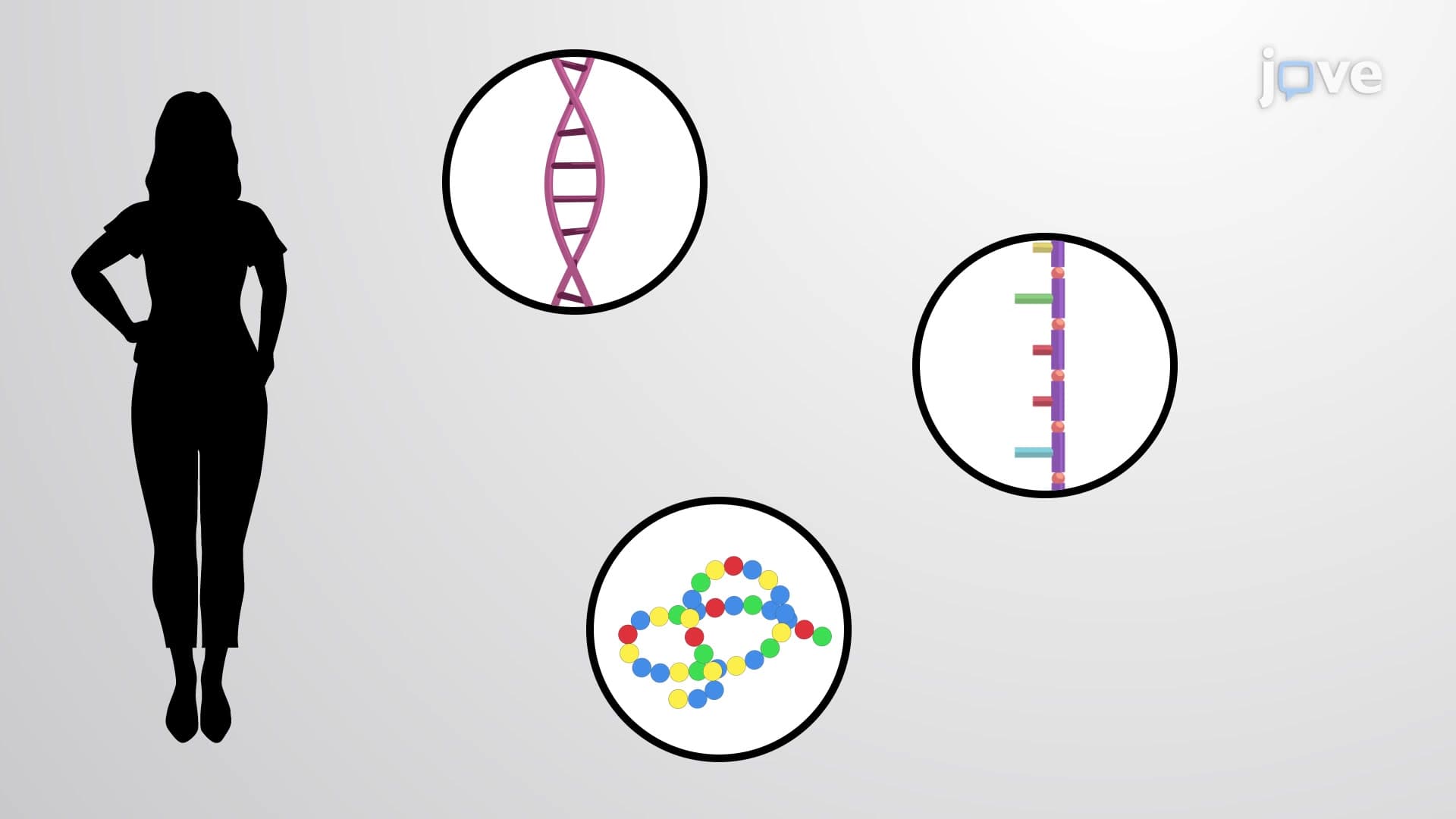
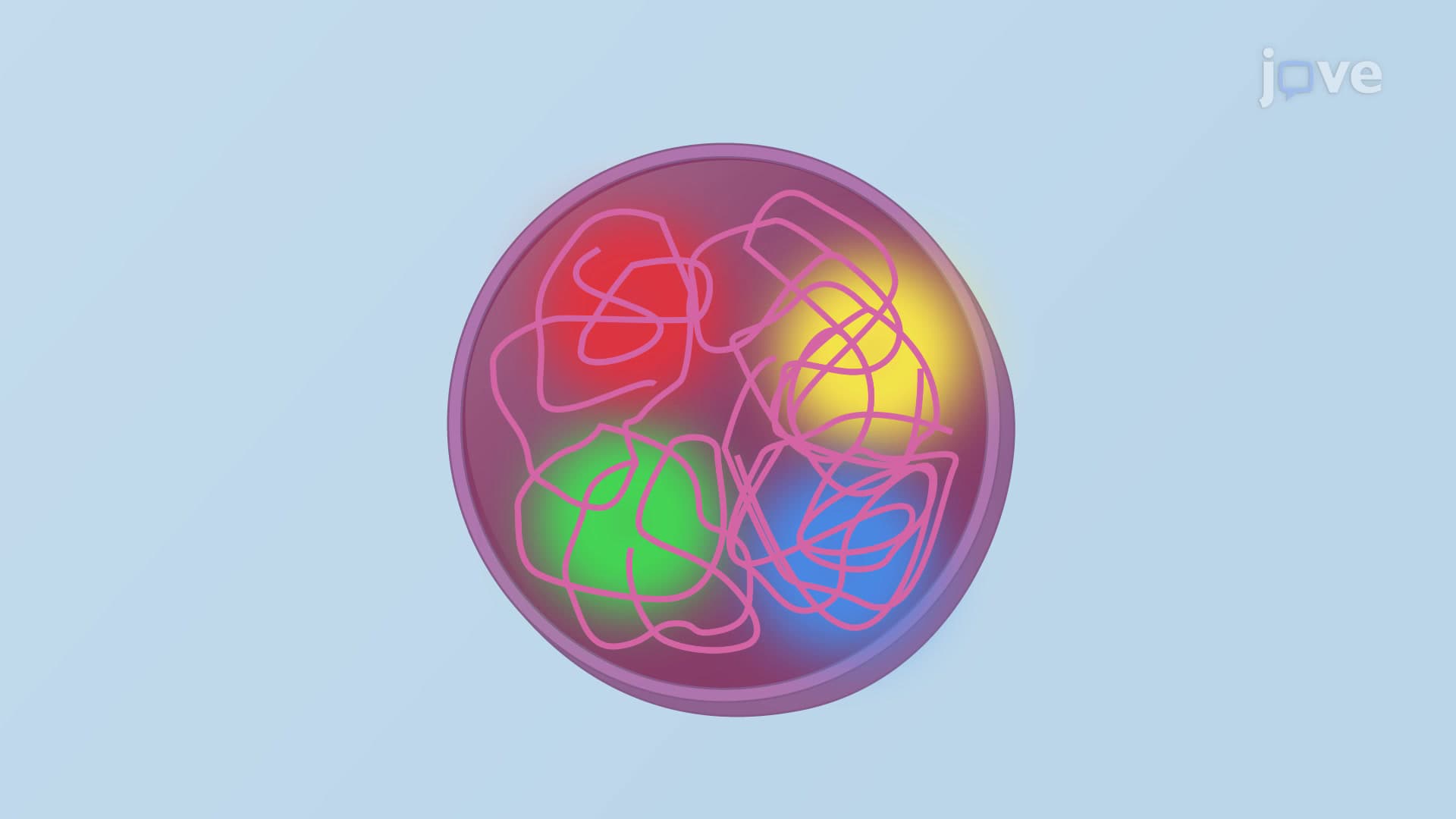
Ever wonder how 6 feet of DNA fits inside a cell nucleus smaller than the period at the end of this sentence? The answer lies in understanding what the nucleosome explained biology reveals about cellular organization. These remarkable structures, found in every cell from a Stanford student's neurons to a patient's cancer biopsy at Johns Hopkins, act like molecular spools that wind DNA into compact, manageable packages. Watch the full video on JoVE Coach to master this concept with expert-led visuals and step-by-step explanations.
The nucleosome structure function relationship exemplifies one of biology's most elegant solutions to a fundamental packaging problem. Consider that human cells must organize approximately 3.2 billion base pairs of DNA-equivalent to a 6-foot strand-within a nucleus measuring only 10 micrometers in diameter. This 10,000-fold compaction challenge requires sophisticated molecular machinery, with nucleosomes serving as the primary organizational units.
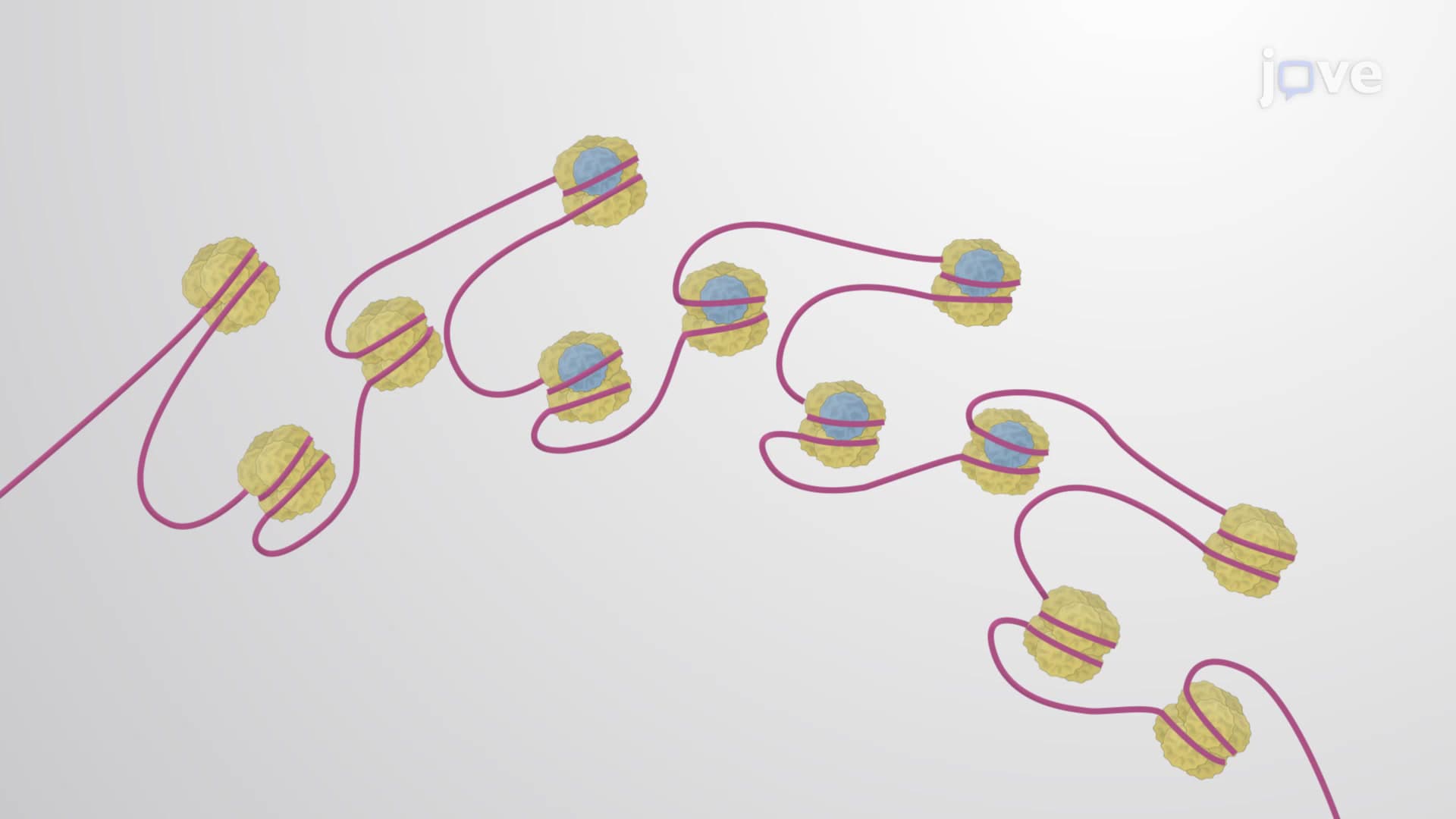
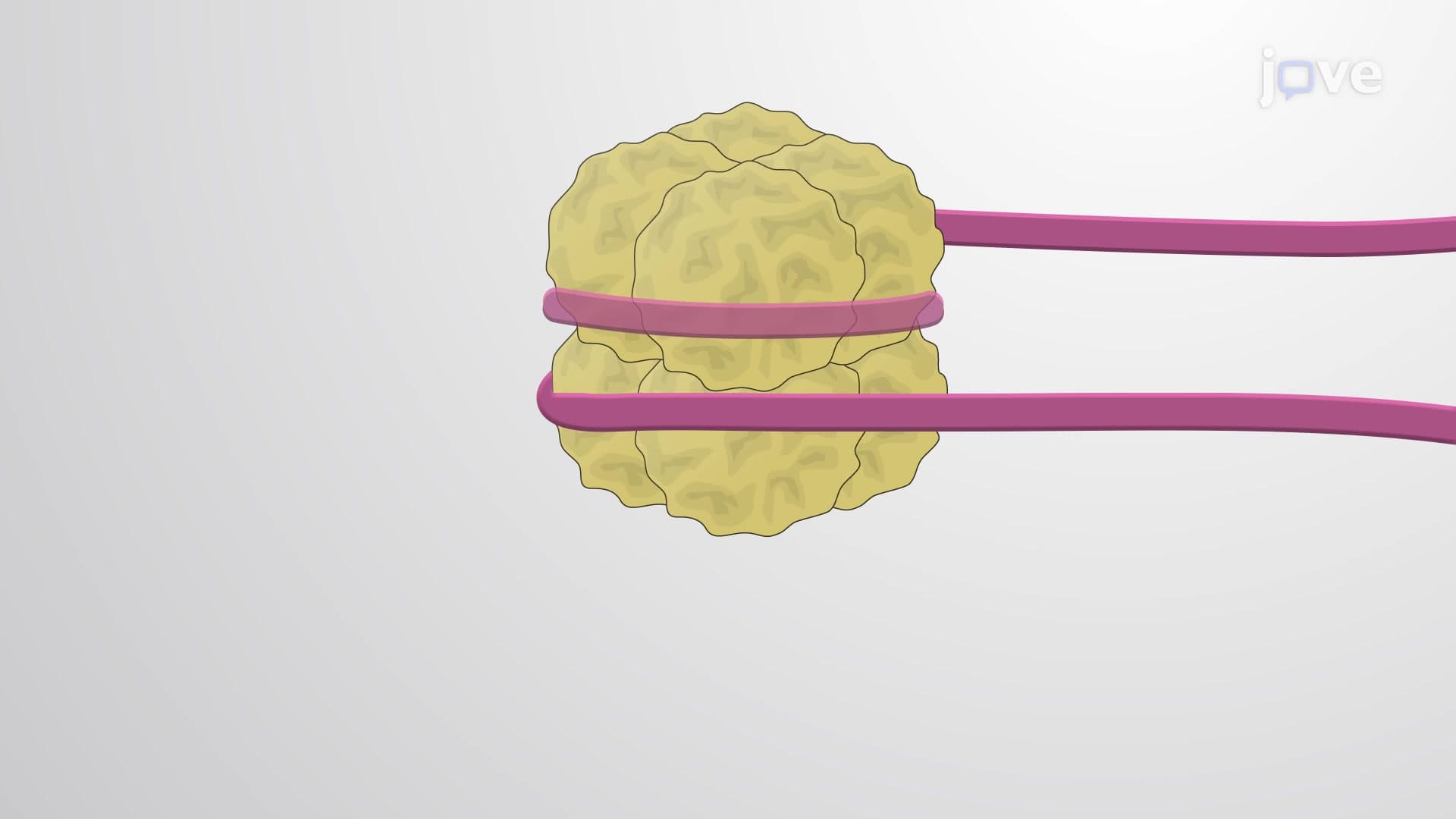
At the heart of nucleosome chromatin organization lies an octameric protein complex composed of two copies each of histones H2A, H2B, H3, and H4. These histones share common structural features: they're small (ranging from 11-15 kilodaltons), highly conserved across species, and rich in positively charged amino acids like lysine and arginine. This positive charge creates strong electrostatic attractions with DNA's negatively charged phosphate backbone, enabling stable nucleosome formation.
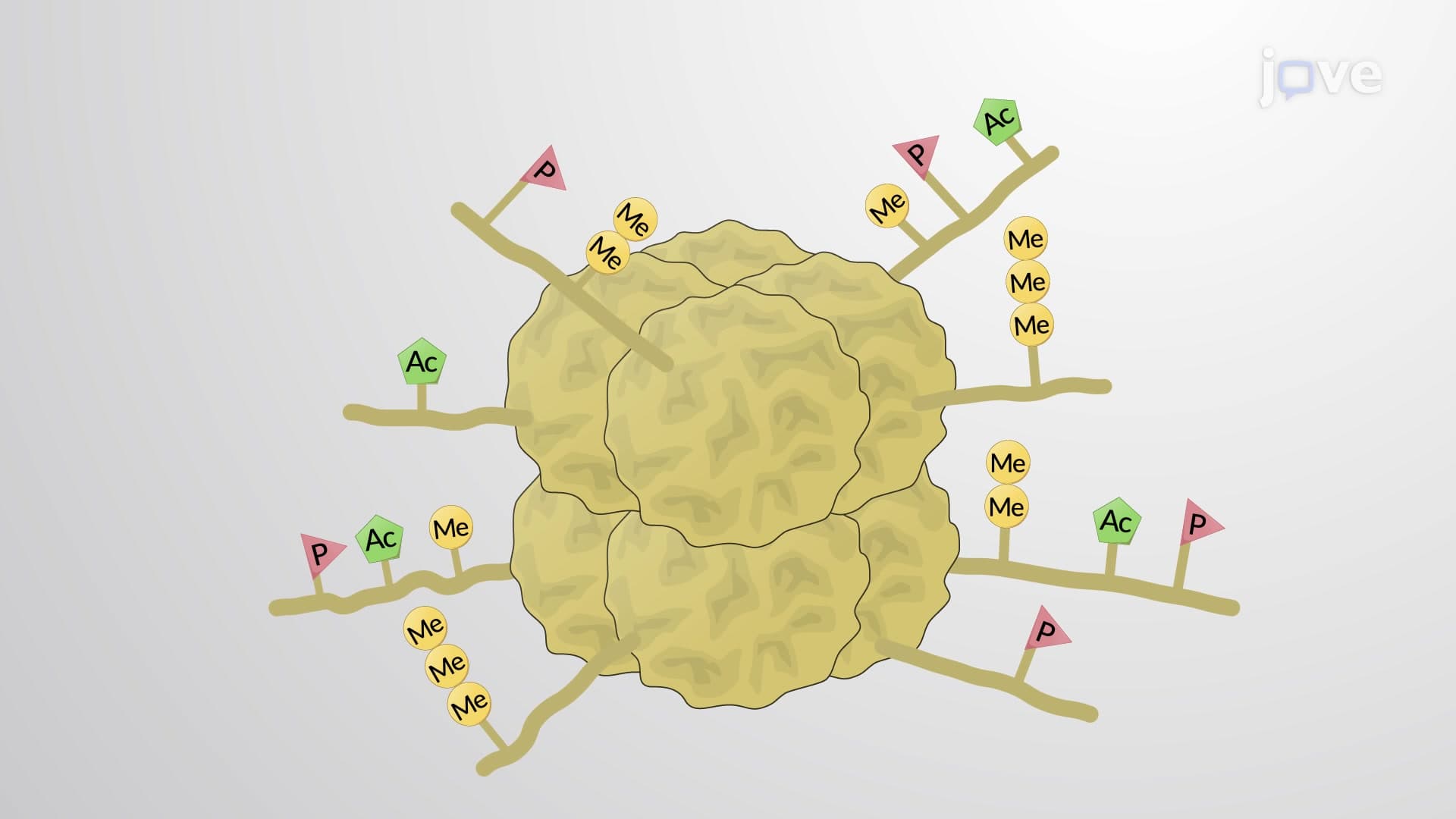
The histone fold domain, a three-helix bundle found in all core histones, facilitates the formation of heterodimers (H2A-H2B and H3-H4 pairs) that assemble into the stable octameric core. Each histone contributes flexible N-terminal tails extending outward from the core particle, providing sites for post-translational modifications crucial in gene regulation.
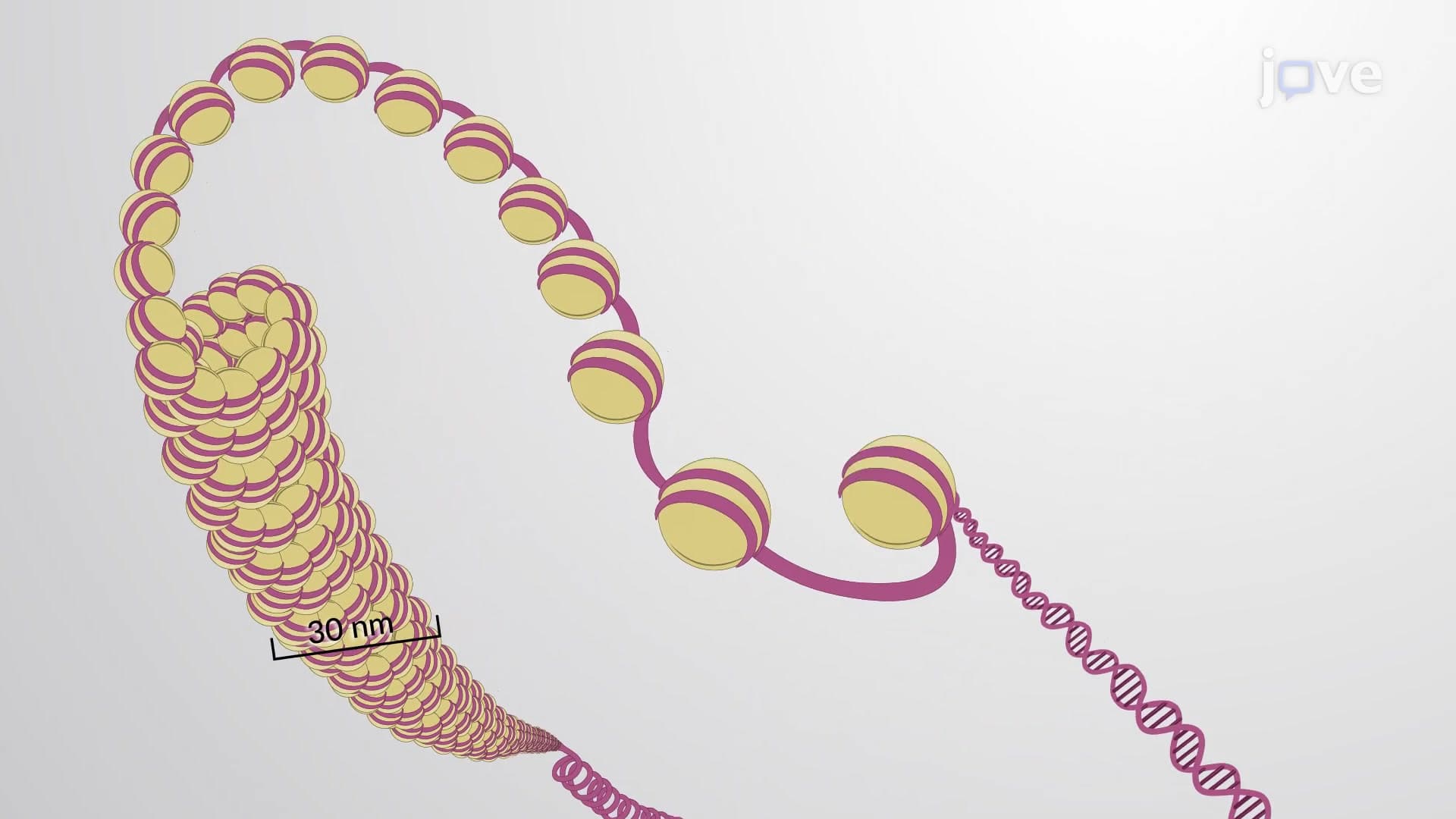
In the nucleosome core particle, 147 base pairs of DNA wrap around the histone octamer 1.65 times, following a left-handed superhelical path. This wrapping pattern creates 14 contact points between DNA and histones, with the DNA minor groove facing inward toward the protein surface. The wrapping reduces the linear DNA length by approximately 7-fold at this initial compaction level.
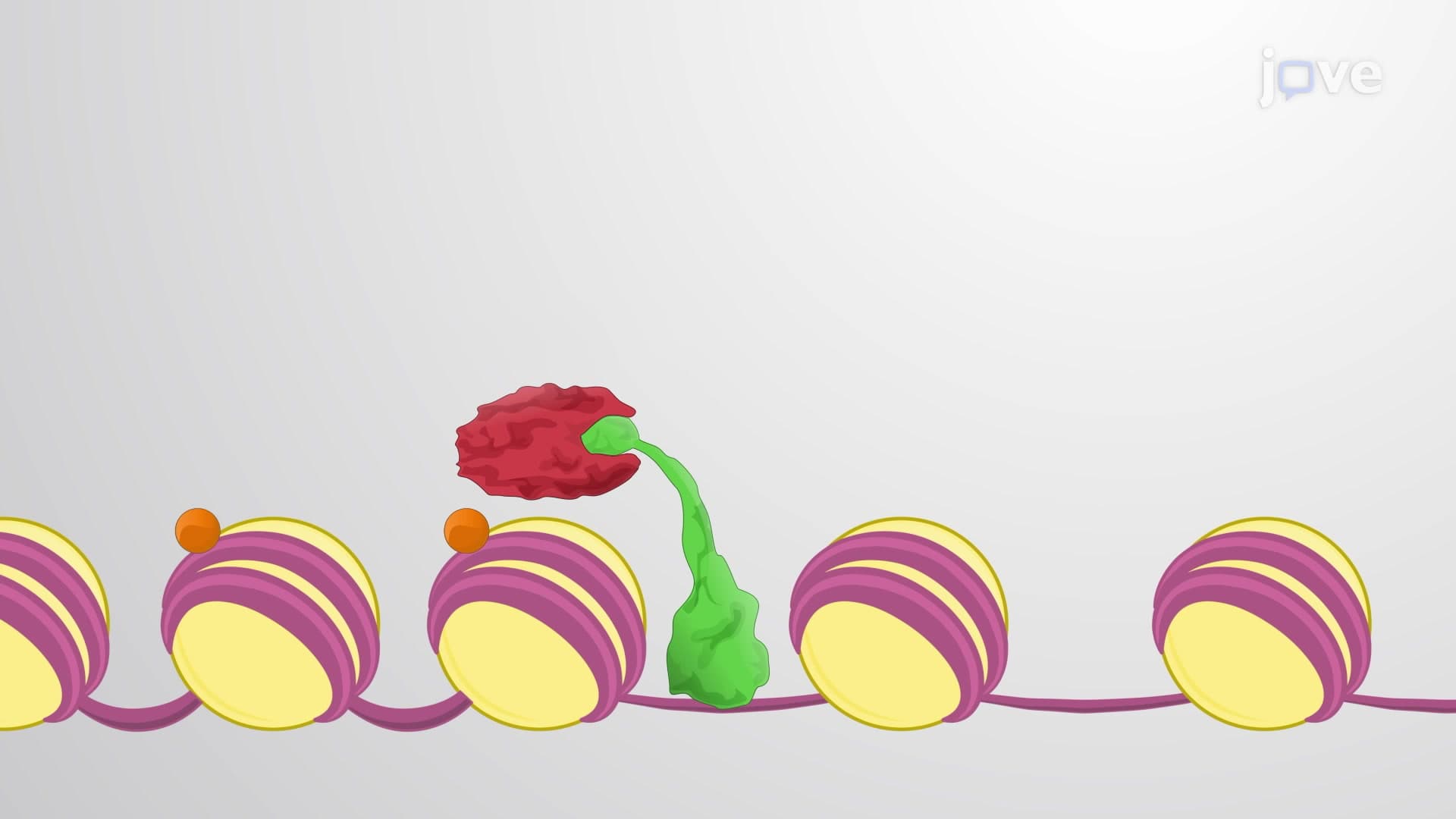
Histone H1, often called the "linker histone," binds to both the entry and exit points where DNA associates with the core particle. Acting as a molecular clamp, H1 stabilizes the nucleosome structure and promotes higher-order chromatin folding. The variable linker DNA regions between nucleosomes, typically 20-80 base pairs in mammals, provide flexibility for chromatin remodeling complexes to access and modify nucleosome positioning.
Understanding what is a nucleosome in cell biology proves essential for students preparing for the MCAT, AP Biology exams, and college-level genetics courses. Questions frequently test knowledge of histone-DNA interactions, chromatin modifications, and their roles in gene expression regulation. For pre-med students, nucleosome concepts connect to clinical scenarios involving cancer therapeutics that target histone-modifying enzymes, such as HDAC inhibitors used in treating certain lymphomas at major US cancer centers like MD Anderson and Memorial Sloan Kettering.
Related Micro-courses