Loading subject page…


286,219 views


Video Summary: What Is the Nucleosome Core Particle
Why are your skin cells different from your brain cells when they contain identical DNA? The nucleosome core particle explained reveals how DNA packaging controls gene expression in every cell. This fundamental unit consists of DNA wrapped around histone proteins, similar to how thread winds around a spool. At Harvard Medical School, researchers study these structures to understand genetic diseases like cancer. The nucleosome core particle serves as the basic repeating unit of chromatin, determining which genes are accessible for transcription. Watch the full video on JoVE Coach to master this concept with expert-led visuals and step-by-step explanations.
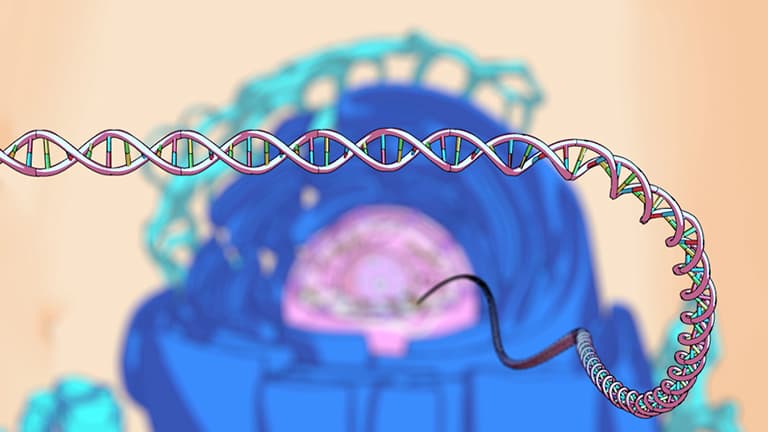
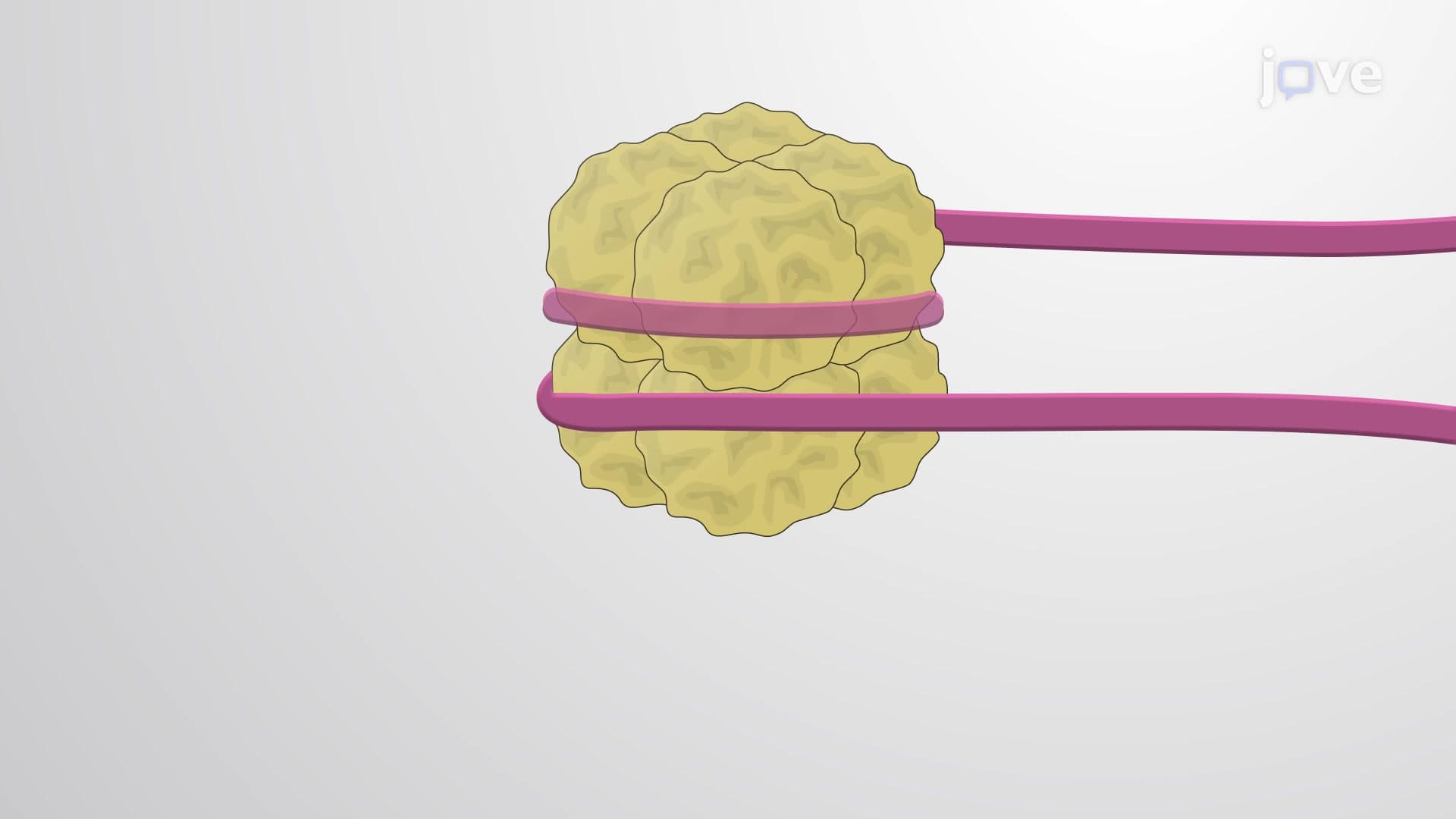
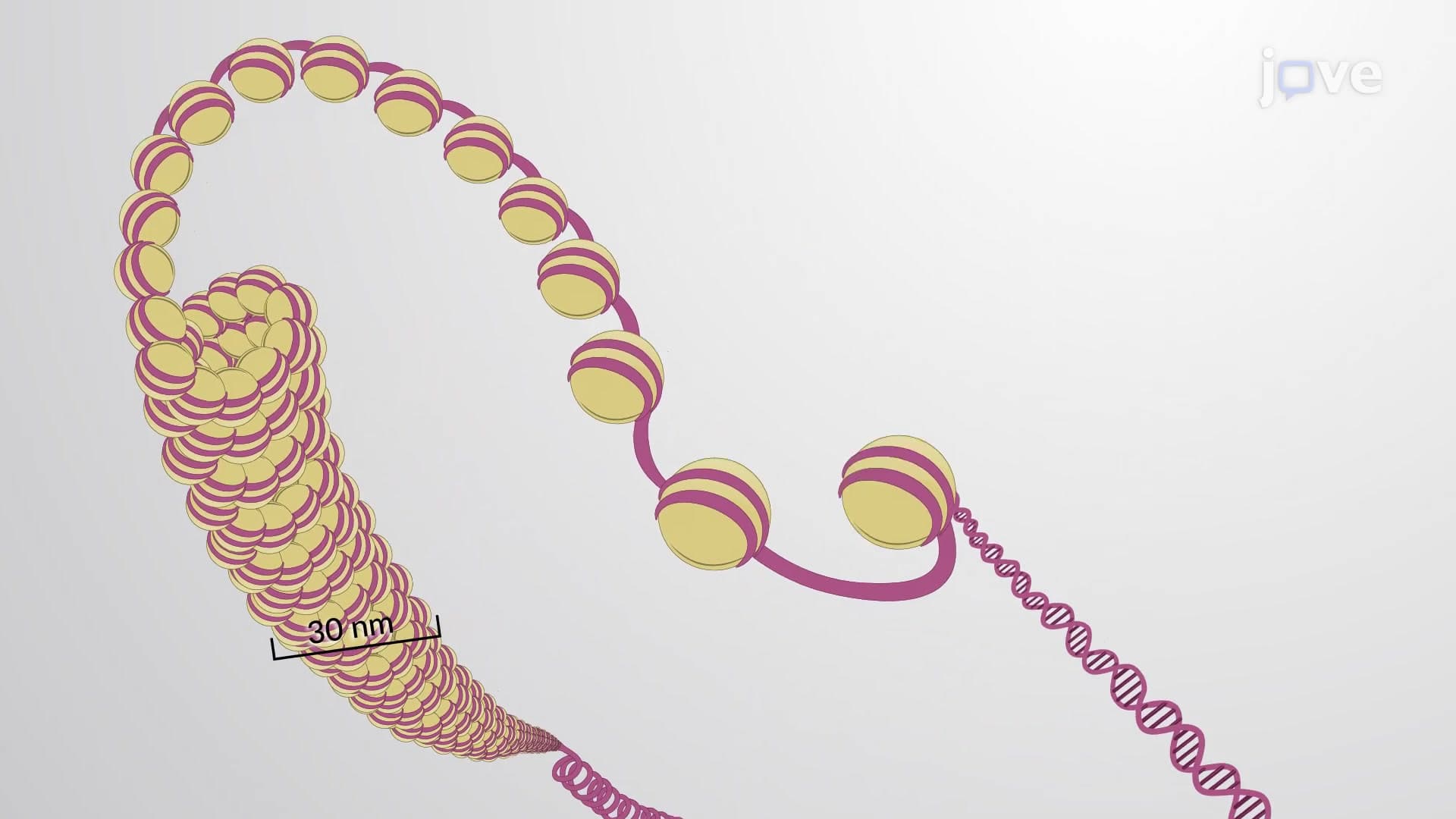
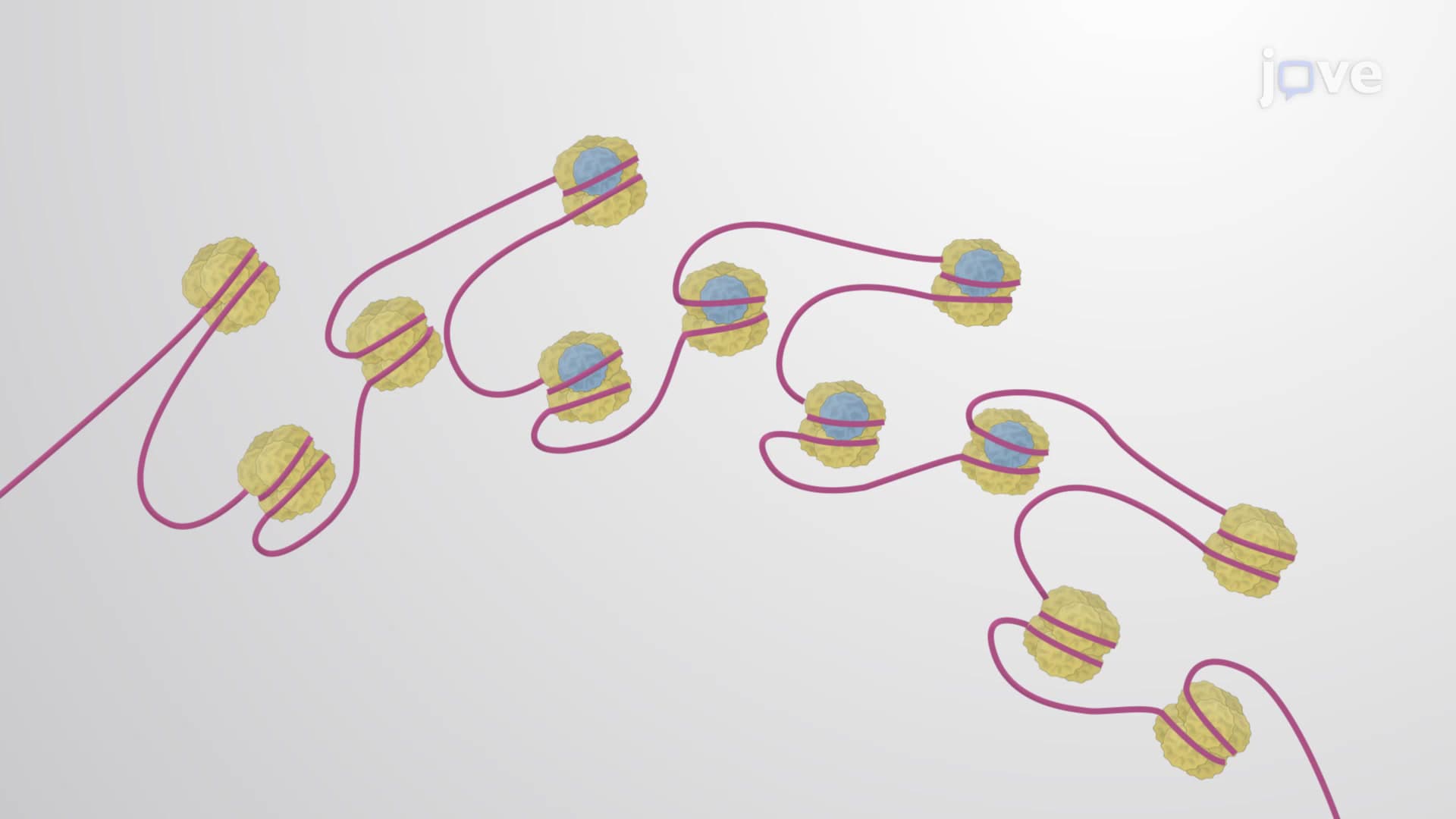
The nucleosome core particle structure represents one of biology's most elegant packaging solutions. Imagine trying to fit 6 feet of string into a marble-that's essentially what cells accomplish when packaging DNA into nuclei. This fundamental unit consists of an octamer of histone proteins wrapped by exactly 147 base pairs of DNA in a left-handed superhelix, making 1.65 turns around the protein core.
The histone octamer core particle contains two copies each of histones H2A, H2B, H3, and H4. These proteins are remarkably small, containing only 102-135 amino acids, yet they're among the most conserved proteins in eukaryotes. The conservation is so striking that cow and pea H4 histones differ by only two amino acids-a testament to their critical function. Each histone shares the characteristic histone fold domain: three alpha-helices connected by loops, creating a handshake-like interface for protein-protein interactions.
Assembly occurs through a precise choreography. H2A-H2B dimers and H3-H4 dimers form first through histone fold interactions. Two H3-H4 dimers then combine to create a stable tetramer, which serves as the nucleation site for adding H2A-H2B dimers, completing the octamer.
The DNA histone complex stability relies on over 100 hydrogen bonds between histone amino acid backbones and DNA's sugar-phosphate backbone. Additionally, histones are rich in positively charged lysine and arginine residues, which neutralize DNA's negative charges. This electrostatic complementarity is crucial-it's why high salt concentrations can disrupt nucleosomes in laboratory settings.
For students preparing for the MCAT or AP Biology exams, understanding that 147 bp DNA nucleosome wrapping creates both stability and regulatory opportunity is essential. The tight wrapping generally represses transcription by occluding transcription factor binding sites, while nucleosome-free regions remain transcriptionally active.
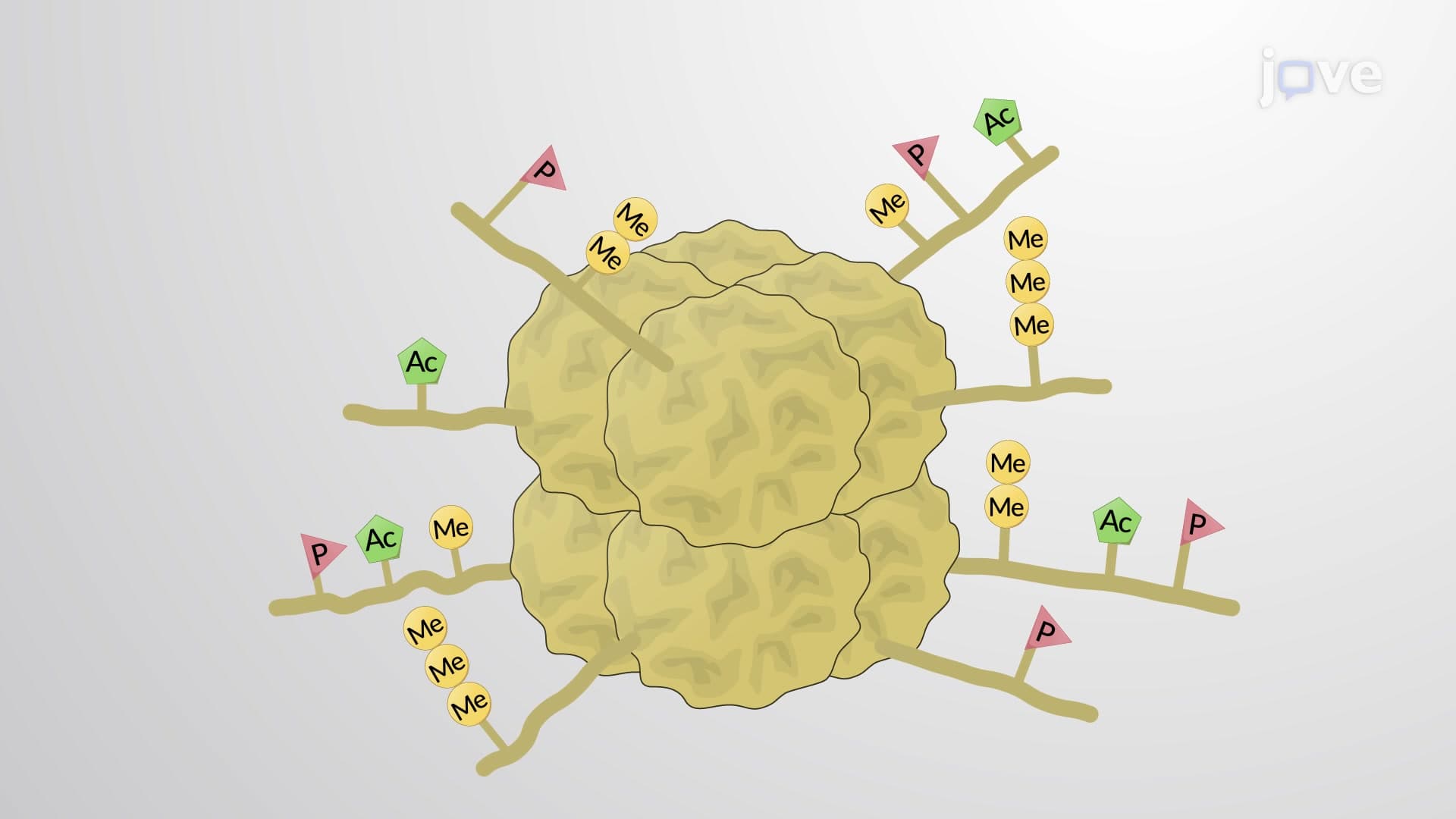
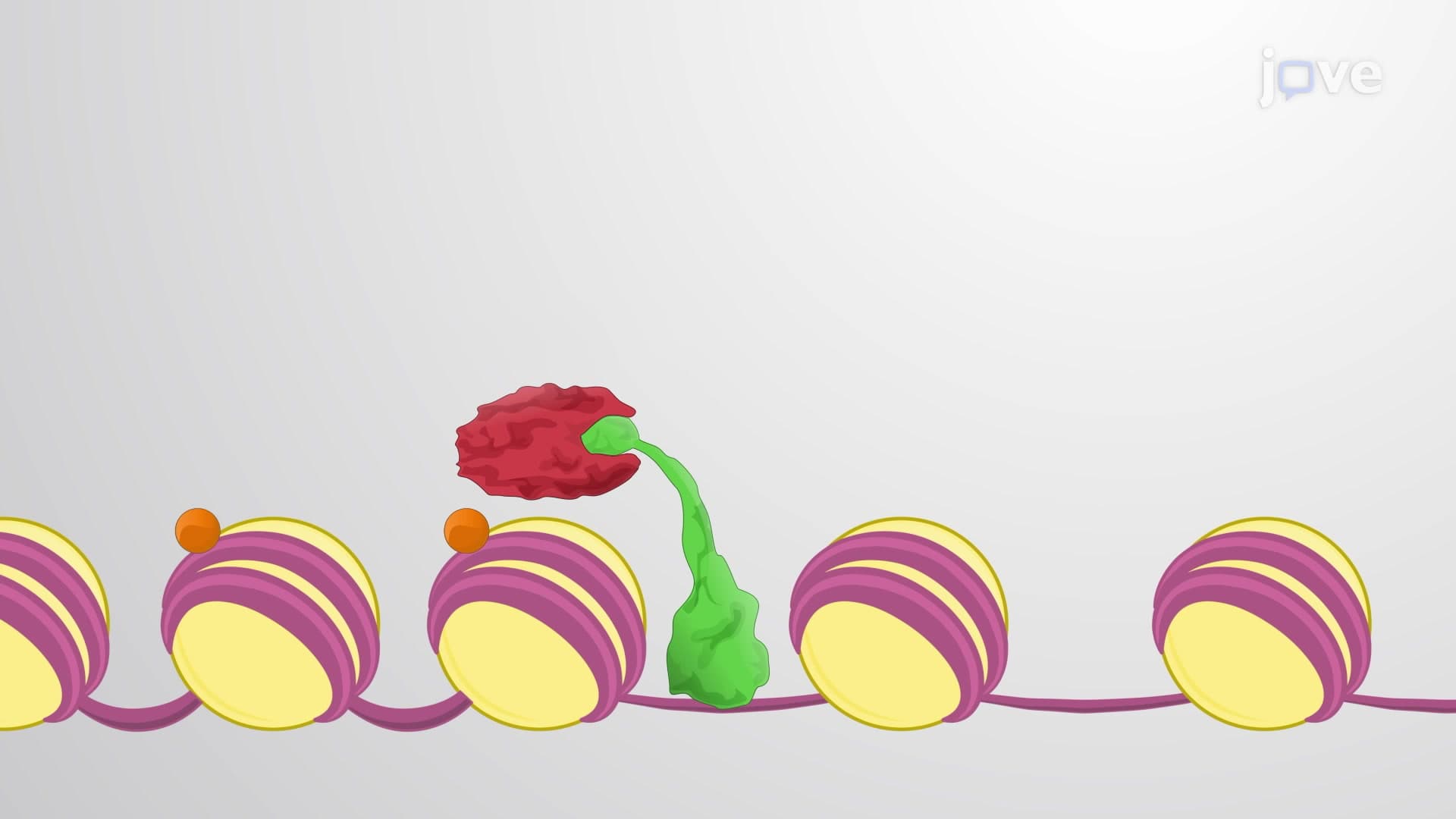
At institutions like the National Institutes of Health, researchers study how core particle chromatin modifications affect disease states. Histone acetylation, for example, loosens DNA-histone interactions, promoting gene expression-a mechanism exploited by HDAC inhibitor cancer drugs approved by the FDA. Understanding these fundamentals helps pre-med students grasp how epigenetic therapies work at the molecular level.
Related Micro-courses