Loading subject page…


204,001 views

Video Summary: Meiosis Definition
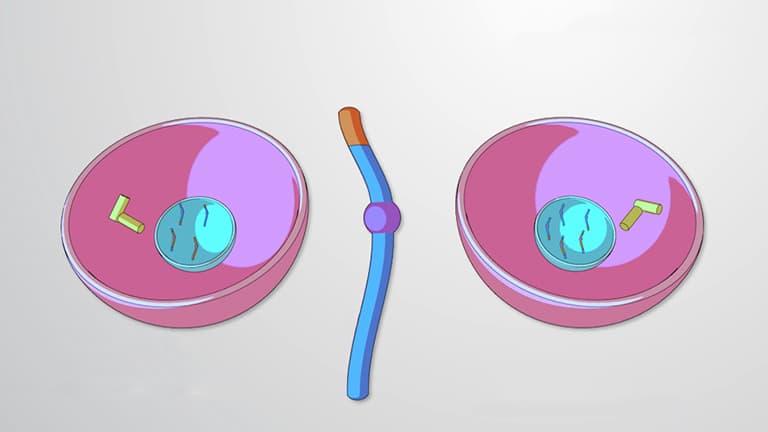
Ever wonder why you have your mom's eyes but your dad's smile? The meiosis definition biology reveals the cellular process behind genetic inheritance. During human reproduction, specialized cells in your ovaries or testes undergo meiosis-a unique type of cell division that creates genetically diverse eggs and sperm with exactly half your chromosomes. This chromosome reduction is essential for maintaining our species' genetic stability across generations. Watch the full video on JoVE Coach to master this concept with expert-led visuals and step-by-step explanations.
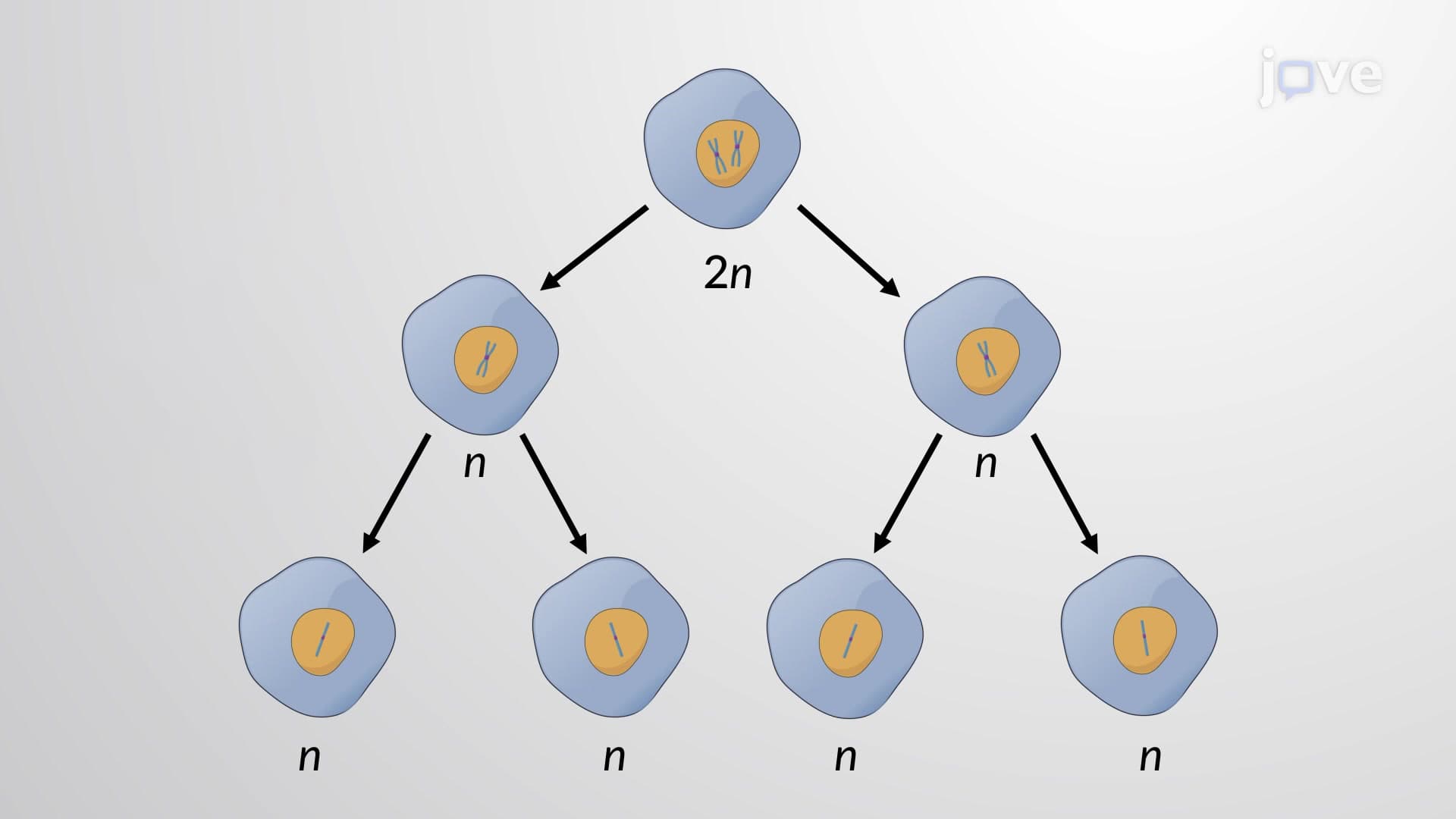
Meiosis definition biology encompasses a sophisticated cellular process where diploid germ cells undergo two consecutive divisions to produce four haploid gametes. Unlike mitosis, which maintains chromosome number, meiosis specifically reduces chromosome count by half-transforming human cells from 46 chromosomes to 23 chromosomes per gamete. This reduction division ensures that when sperm and egg unite during fertilization, offspring maintain the species-typical chromosome number.
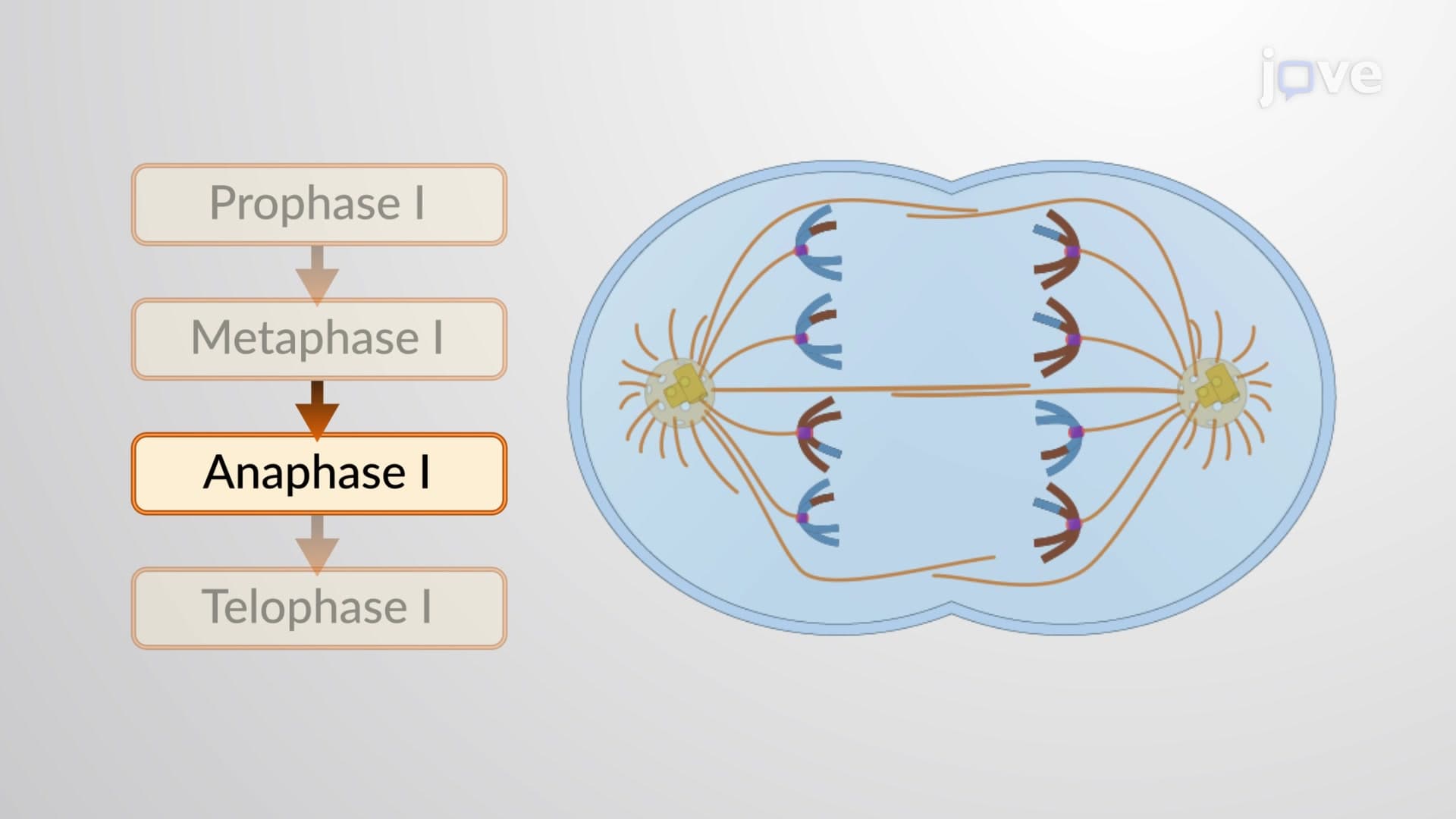
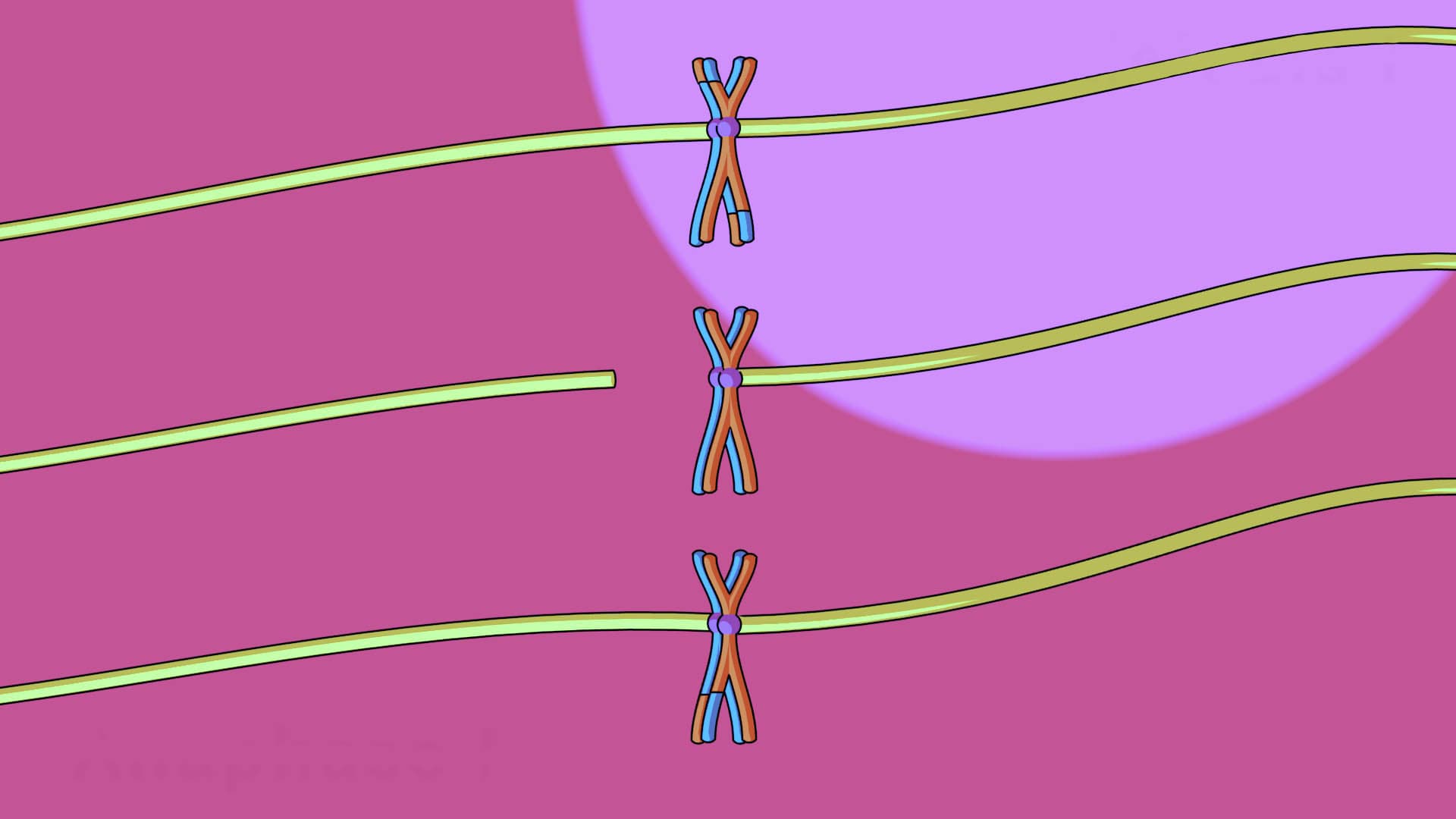
The meiosis I and II stages represent distinct cellular events with unique outcomes. Meiosis I, often called the "reductional division," separates homologous chromosome pairs after they exchange genetic material through crossing over. During prophase I, maternal and paternal chromosomes form synapses, creating opportunities for genetic recombination that generates novel allele combinations. Meiosis II resembles mitosis, separating sister chromatids to produce four genetically distinct haploid cells.
The chromosome reduction division serves multiple biological functions beyond simple cell reproduction. In human males, spermatogenesis occurs continuously in seminiferous tubules, producing approximately 300 million sperm daily through meiotic division. Female oogenesis follows a different timeline-oocytes begin meiosis during fetal development but arrest in prophase I until ovulation, sometimes decades later. This extended arrest period contributes to age-related fertility challenges and increased chromosomal abnormalities in older mothers.
Understanding gamete formation process proves essential for students pursuing healthcare careers and those preparing for standardized exams like the MCAT and AP Biology. Meiotic nondisjunction events cause genetic conditions frequently encountered in US medical practice, including trisomy 21 (Down syndrome) affecting approximately 1 in 700 births nationwide. Reproductive endocrinologists at institutions like Johns Hopkins and Mayo Clinic utilize meiosis principles when developing in vitro fertilization protocols and genetic screening procedures.
The crossing over genetic variation mechanism explains why siblings share roughly 50% genetic similarity despite identical parents. This concept appears regularly on AP Biology exams and college genetics courses, often requiring students to calculate recombination frequencies or analyze inheritance patterns in pedigree problems.
Related Micro-courses