Loading video…


 6 Concepts
 204K views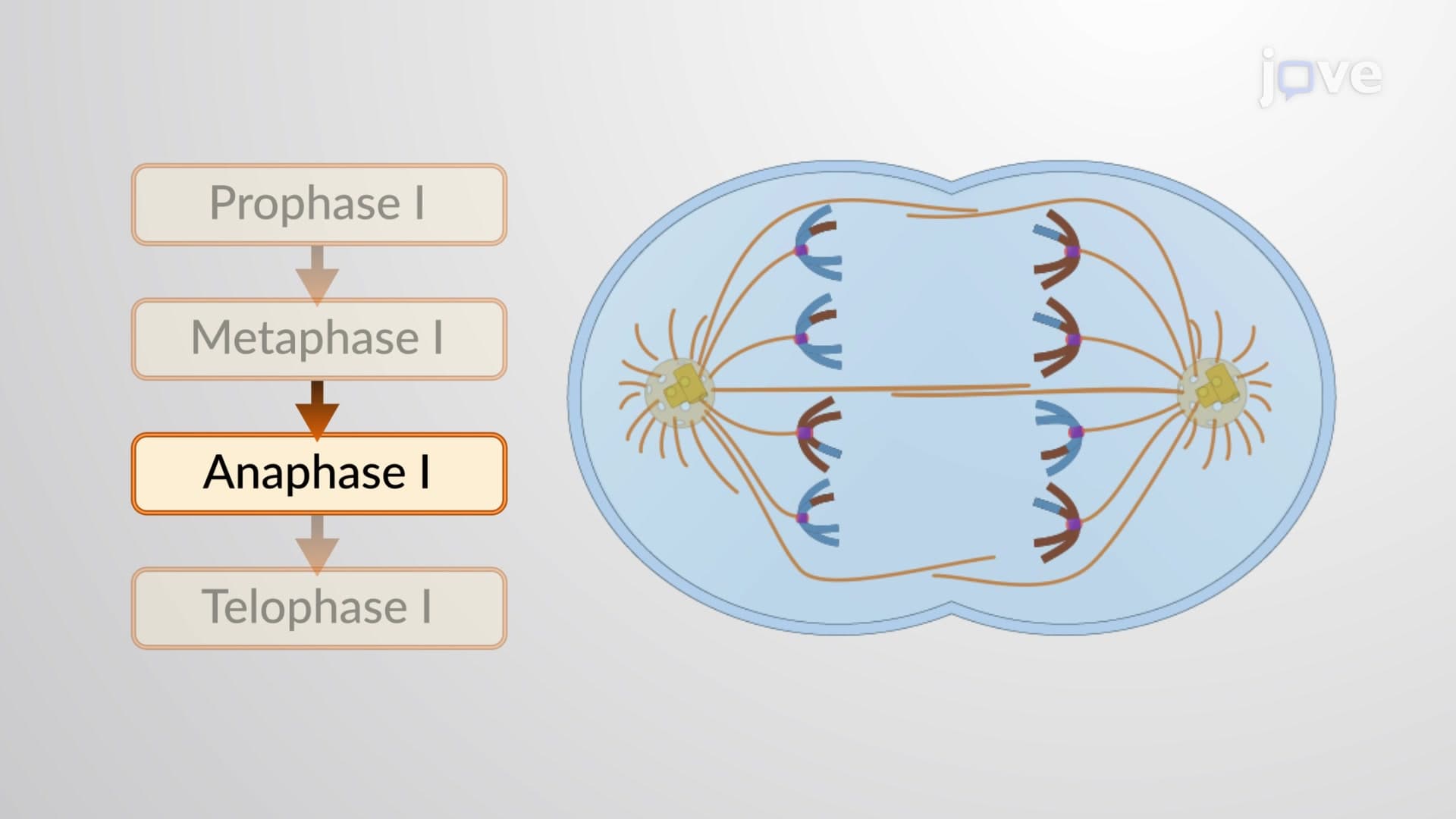

Video Summary: What Is Meiosis I
Ever wonder how you inherited your mother's eyes but your father's height? Meiosis creates the genetic lottery that makes each person unique through a specialized cell division process. Meiosis I, the first stage of this critical biological process, reduces chromosome number from diploid to haploid while shuffling genetic material through crossing over and independent assortment. Consider how genetic counselors at institutions like Johns Hopkins use meiosis principles to predict inheritance patterns for families. Watch the full video on JoVE Coach to master this concept with expert-led visuals and step-by-step explanations.
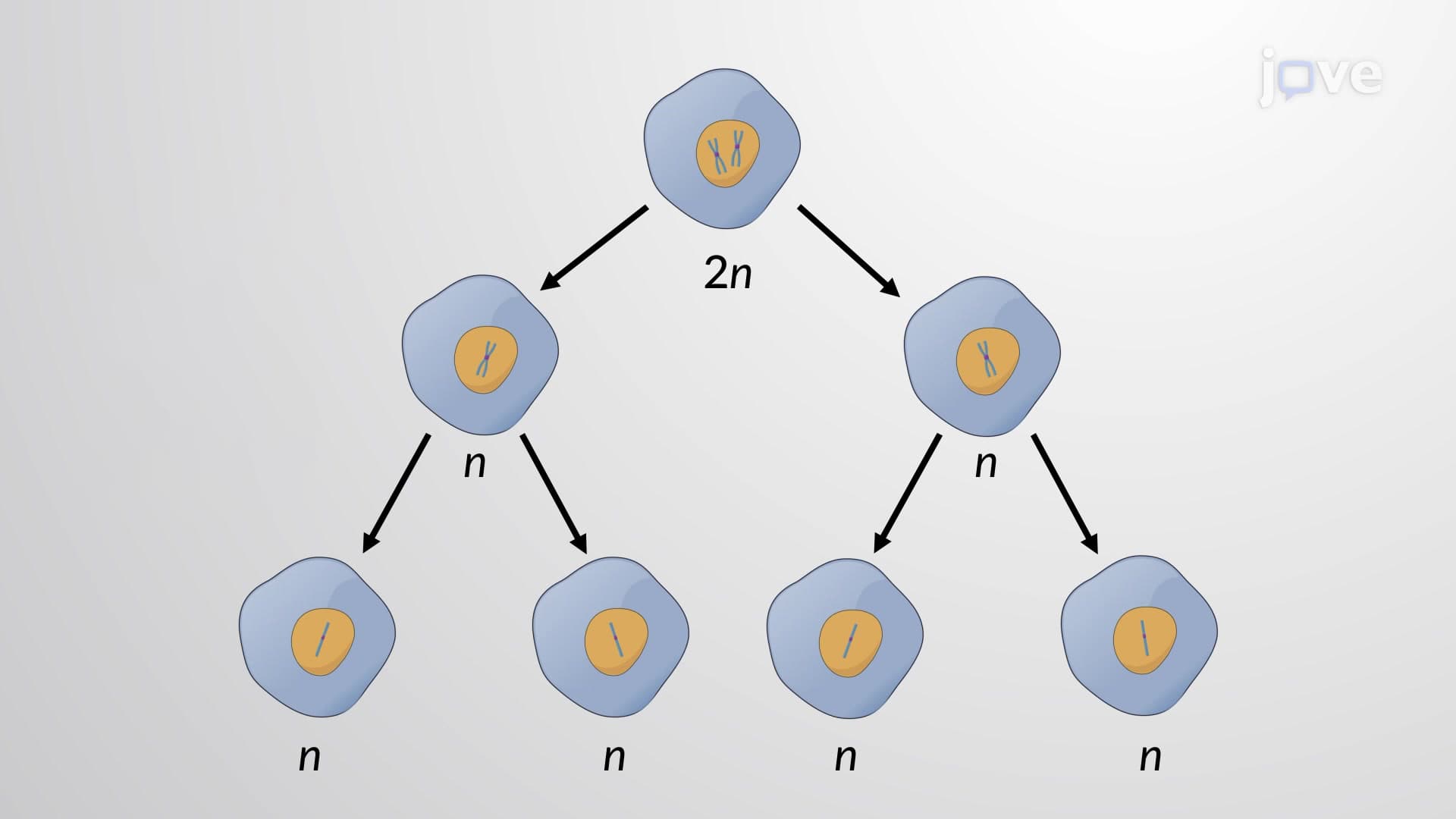
Meiosis I represents one of biology's most elegant solutions to genetic variation. Unlike mitosis, which produces identical diploid cells, meiosis I creates genetically unique haploid cells essential for sexual reproduction. This reductional division halves the chromosome number while maximizing genetic shuffling through two key mechanisms: crossing over and independent assortment.
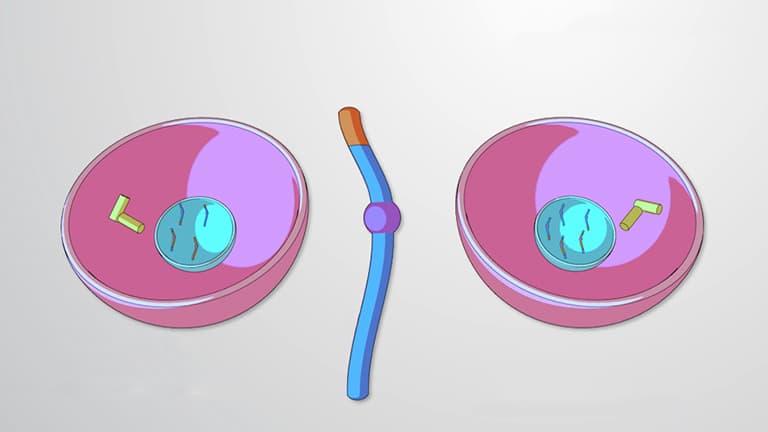
Prophase I dominates meiosis I duration, often lasting days or weeks in human cells. The five substages create a carefully orchestrated genetic exchange. During leptotene, chromosomes condense into visible threadlike structures. Zygotene initiates synapsis, where homologous chromosomes pair to form bivalents or tetrads. The synaptonemal complex, a protein ladder connecting paired chromosomes, facilitates this intimate association.
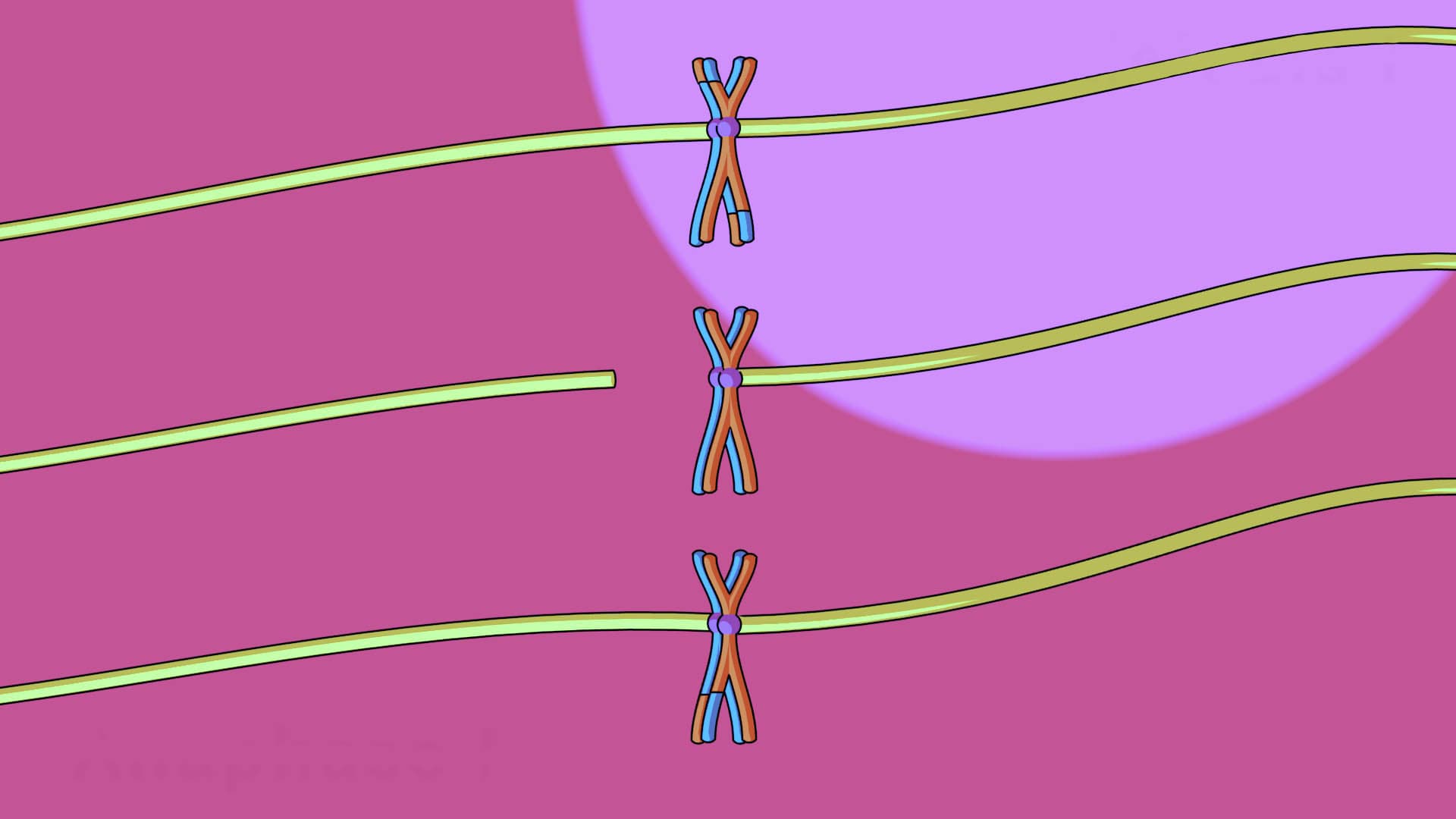
Pachytene marks the critical crossing over phase, where non-sister chromatids exchange genetic segments. This recombination creates new allele combinations absent in either parent. For AP Biology students, understanding that crossing over occurs between non-sister chromatids (not sister chromatids) frequently appears on exams. During diplotene, the synaptonemal complex dissolves, revealing chiasmata-visible crossover points that hold homologs together.
Metaphase I showcases independent assortment as homologous pairs randomly align at the cell equator. This random orientation means maternal and paternal chromosomes distribute independently to daughter cells. For humans with 23 chromosome pairs, this creates 2^23 (over 8 million) possible combinations per gamete.
Anaphase I differs fundamentally from mitotic anaphase-whole chromosomes (still as sister chromatid pairs) separate rather than individual chromatids. This maintains genetic linkage between sister chromatids while separating homologs. Telophase I completes the division with nuclear membrane reformation around haploid chromosome sets.
Understanding meiosis I proves crucial for pre-med students tackling MCAT genetics questions and nursing students preparing for NCLEX pharmacogenetics content. Genetic counseling programs at universities like Stanford emphasize how meiosis I errors cause conditions like Down syndrome through nondisjunction events.
Related Micro-courses