Loading video…


 6 Concepts
 204K views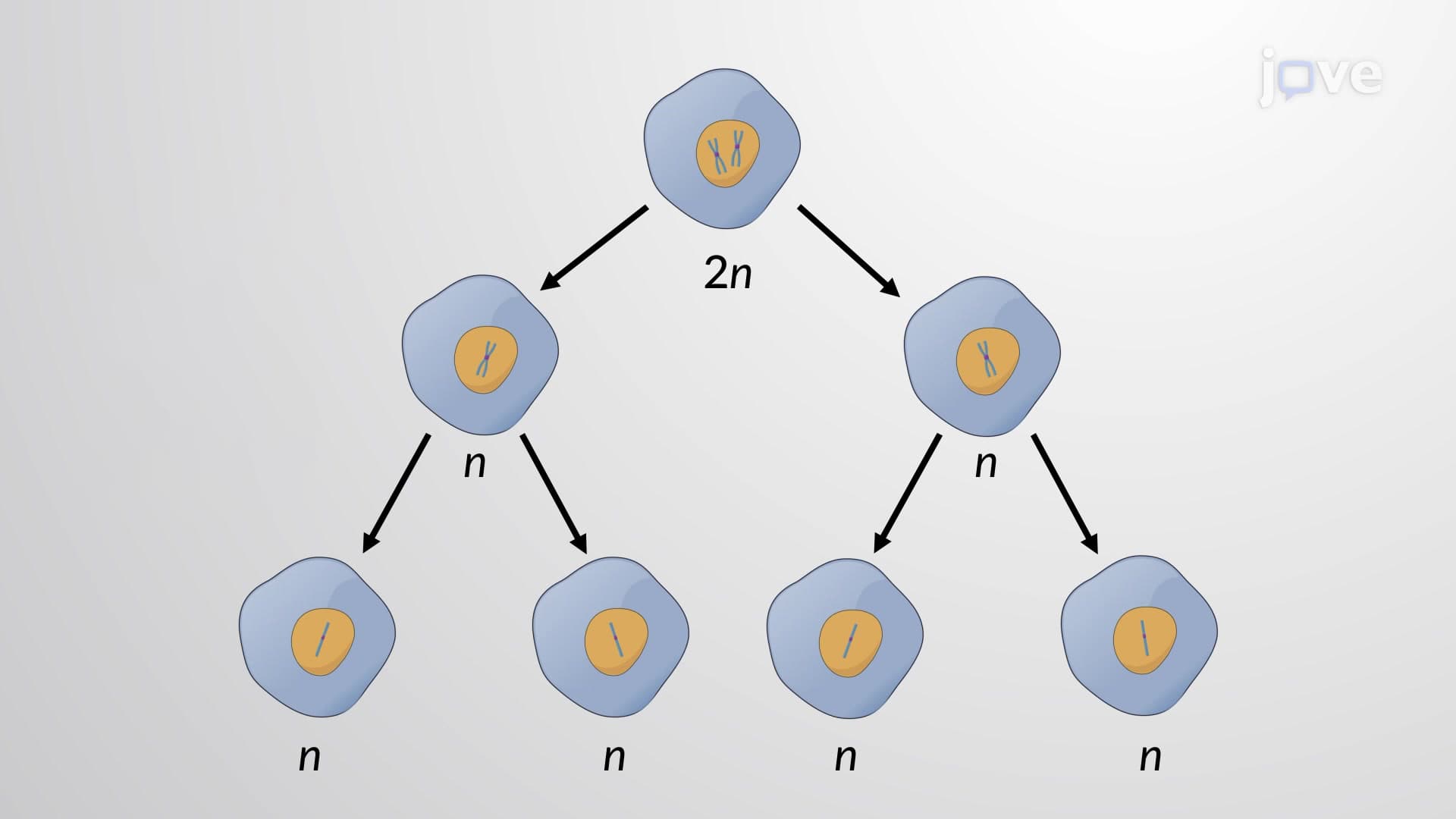

Video Summary: What Is Meiosis Ii
Did you know that every human inherits exactly 23 chromosomes from each parent, creating genetic combinations more diverse than all the people who have ever lived? Meiosis creates this incredible diversity through a two-stage process, with What is Meiosis II representing the final division that produces unique gametes. In the United States, fertility clinics rely on understanding meiotic divisions to help couples conceive, as errors in this process can lead to chromosomal abnormalities. Watch the full video on JoVE Coach to master this concept with expert-led visuals and step-by-step explanations.
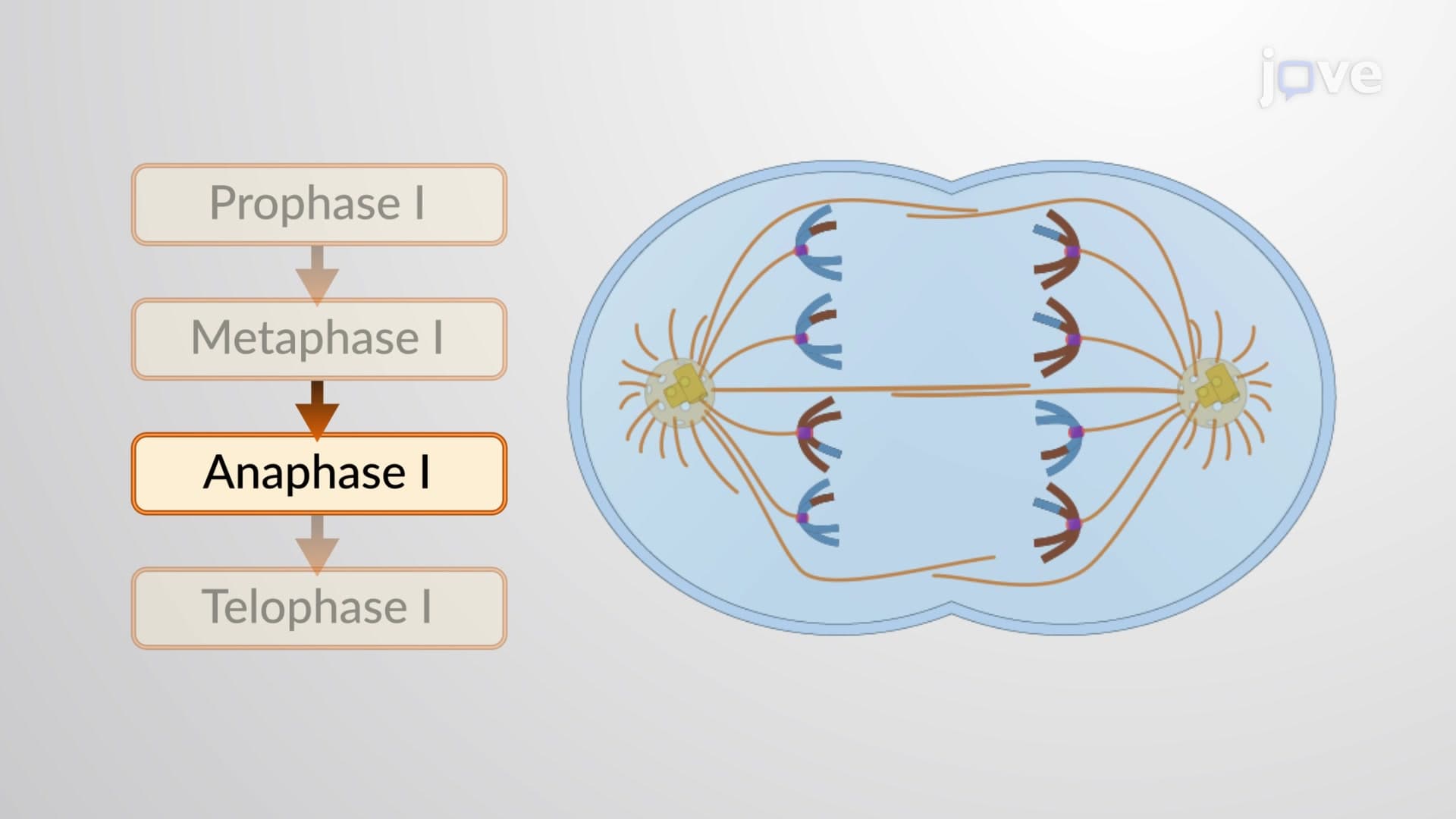
Meiosis represents one of biology's most elegant processes, and meiosis II serves as its crucial second act. Unlike the chromosome-reducing meiosis I, What is Meiosis II focuses on an equational division that maintains the haploid chromosome number while separating sister chromatids. This process can begin immediately after meiosis I or following a brief interkinetic period, depending on the organism and environmental conditions.
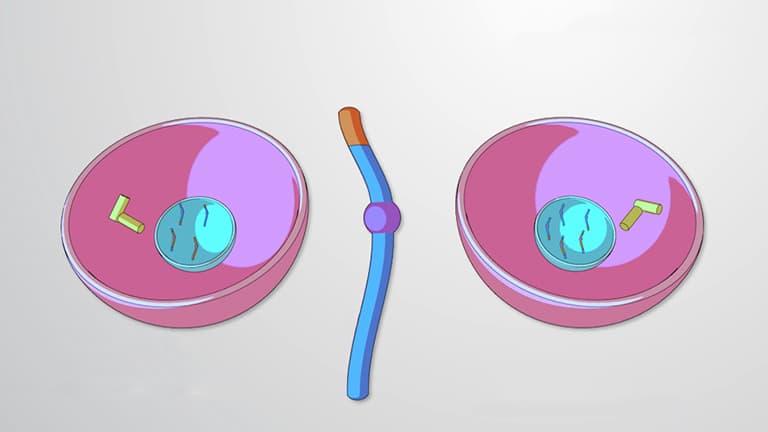
Prophase II initiates the division with chromosome condensation and nuclear envelope breakdown. The centrioles migrate to opposite cellular poles, establishing the spindle apparatus essential for chromosome movement. Unlike mitotic prophase, the chromosomes entering prophase II already carry genetic recombination from crossing over during meiosis I.
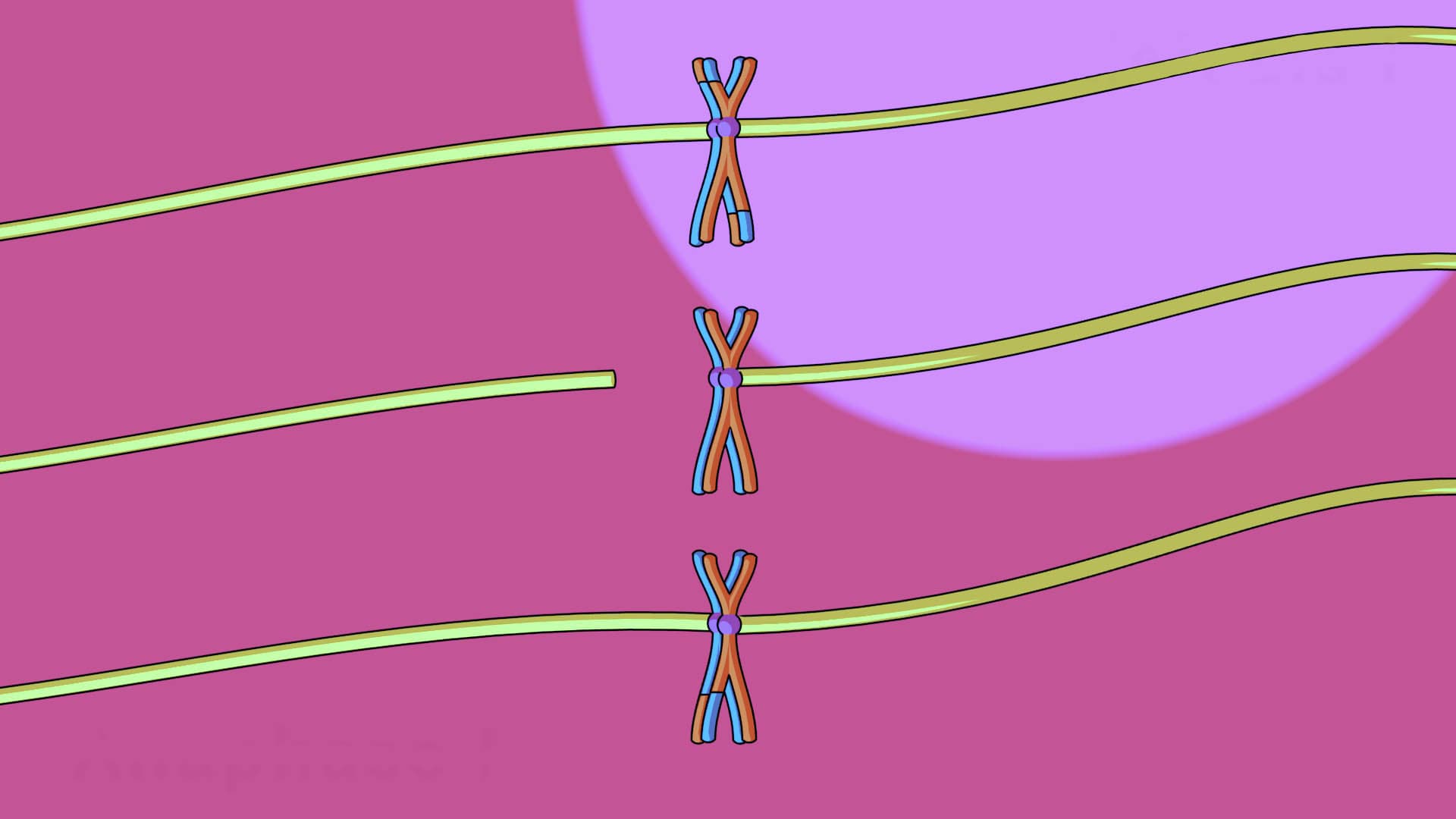
Metaphase II positions chromosomes along the cell's equatorial plane, resembling mitotic metaphase but with a critical difference: the sister chromatids are no longer genetically identical due to previous recombination events. This meiosis biology explained concept is fundamental to understanding genetic diversity.
Anaphase II represents the separation phase where cohesin proteins release their grip on sister chromatids. These chromatids, now individual chromosomes, migrate toward opposite spindle poles through independent assortment-a process that contributes significantly to gametic genetic variation.
Understanding meiosis II proves essential for students taking the AP Biology exam, where questions frequently test knowledge of chromosome behavior and genetic outcomes. Medical students preparing for the MCAT encounter detailed scenarios involving meiotic errors, particularly nondisjunction events that can occur during anaphase II, leading to conditions like Turner syndrome or Klinefelter syndrome.
In fertility medicine across the United States, reproductive endocrinologists analyze meiotic divisions when investigating causes of infertility or recurrent pregnancy loss. Advanced maternal age increases meiotic errors, making this knowledge directly applicable to clinical practice.
Telophase II reverses the early changes by reforming nuclear envelopes around each set of chromosomes and allowing chromatin decondensation. Cytokinesis then physically divides the cytoplasm, creating four genetically unique haploid cells from the original diploid parent cell. In animals, these become gametes; in plants, they develop into spores for the gametophyte generation.
Related Micro-courses