Loading video…


 6 Concepts
 204K views

Video Summary: What Is Meiosis Vs Mitosis
Ever wonder why you look different from your siblings despite having the same parents? The answer lies in meiosis vs mitosis, two fundamentally different types of cell division that serve distinct biological purposes. While mitosis creates identical diploid cells for growth and repair, meiosis produces genetically diverse haploid gametes essential for sexual reproduction. Consider how genetic counselors at institutions like Johns Hopkins use this knowledge to predict inheritance patterns in families with genetic disorders. Watch the full video on JoVE Coach to master this concept with expert-led visuals and step-by-step explanations.
Meiosis vs mitosis represents one of biology's most crucial distinctions, determining whether cells maintain or reduce their chromosome number. This fundamental difference impacts everything from tissue repair to genetic diversity in offspring.
Mitosis operates as an "equational division," producing two genetically identical diploid daughter cells from one diploid parent cell. This process drives growth in developing organisms and replaces damaged tissues throughout life. Think of skin cells constantly regenerating after a sunburn, that's mitosis at work.
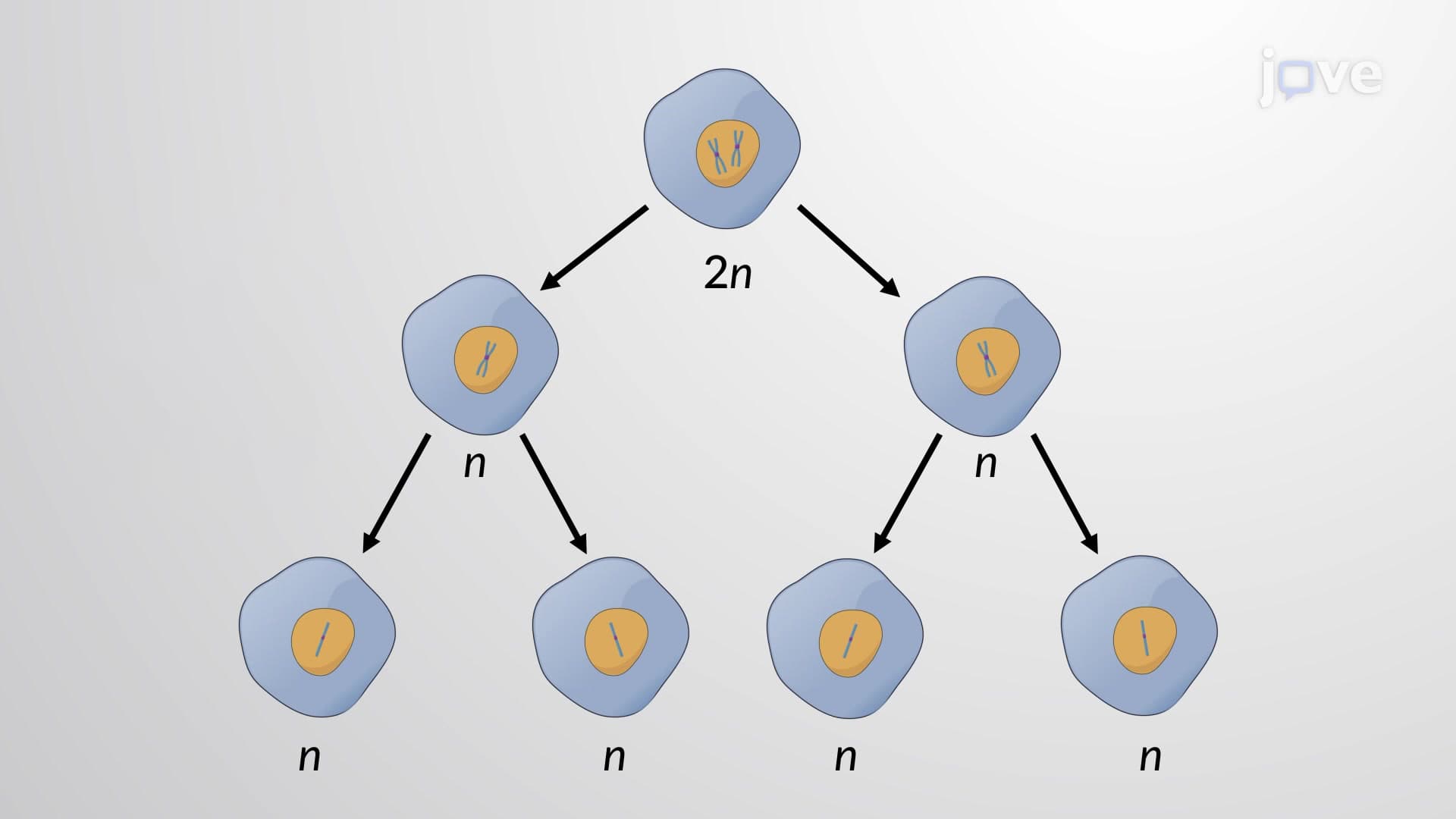
Conversely, meiosis functions as a "reductional division," generating four genetically distinct haploid gametes from one diploid germ cell. This reduction is essential for sexual reproduction, ensuring that when sperm meets egg, the resulting offspring maintains the species' characteristic chromosome number rather than doubling it with each generation.
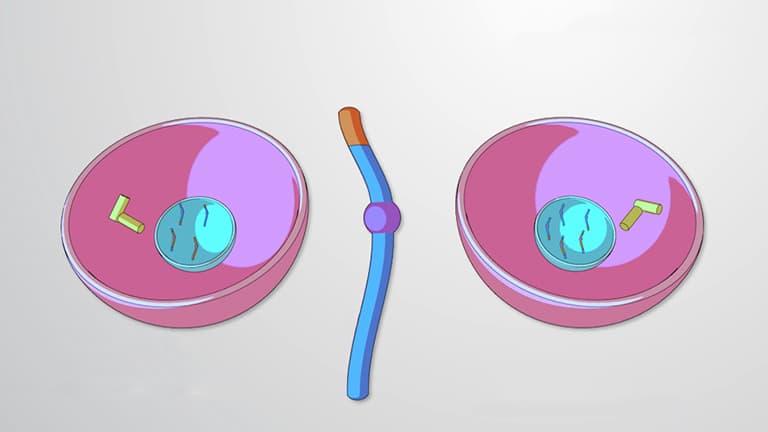
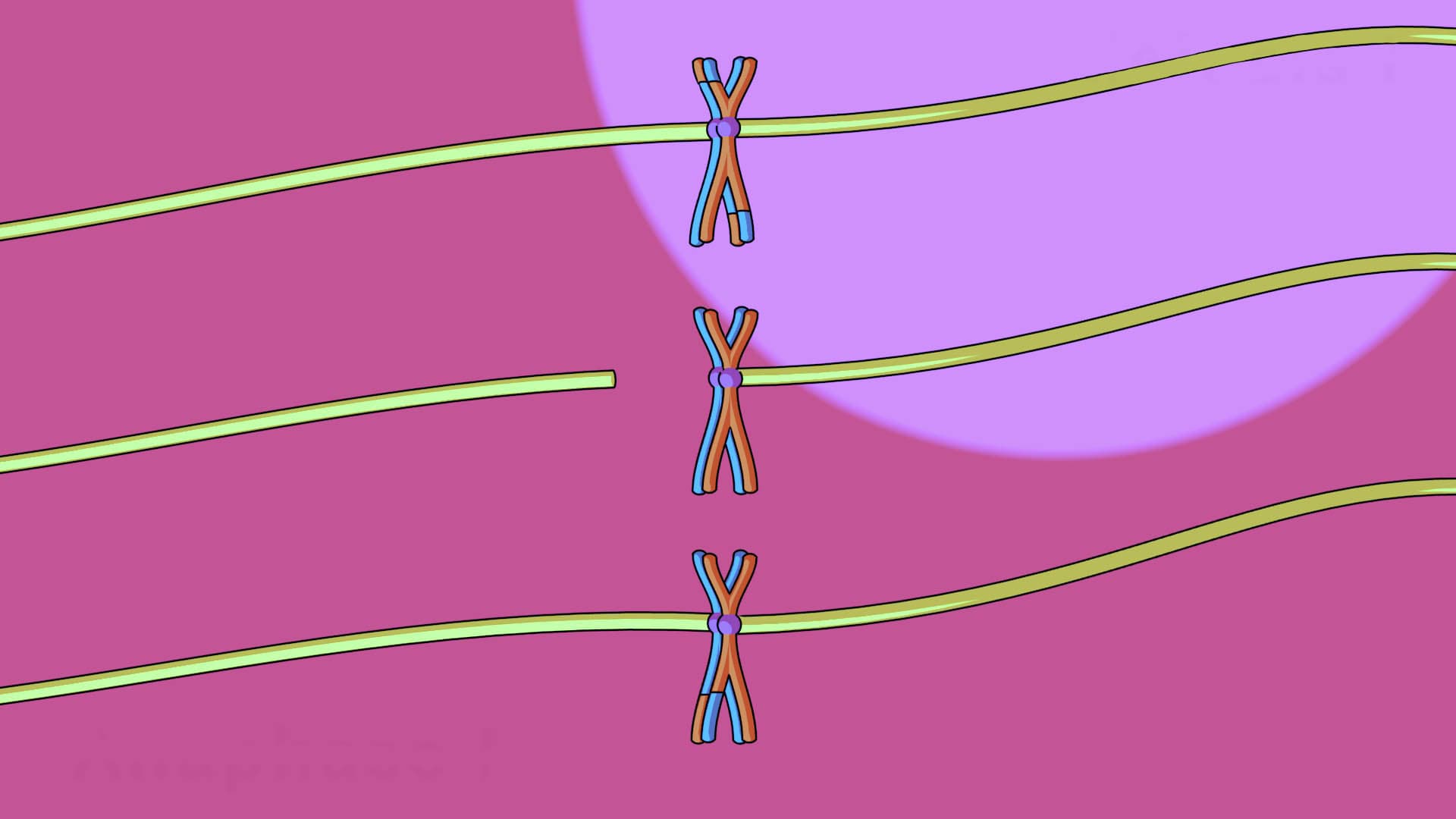
The most striking difference emerges during prophase. Mitotic prophase is relatively brief and straightforward, while meiotic prophase I extends through five distinct substages. During this extended phase, homologous chromosomes pair through synapsis, forming the synaptonemal complex, a protein structure that facilitates crossing over. This genetic recombination creates new allele combinations, explaining why siblings share similarities but aren't identical.
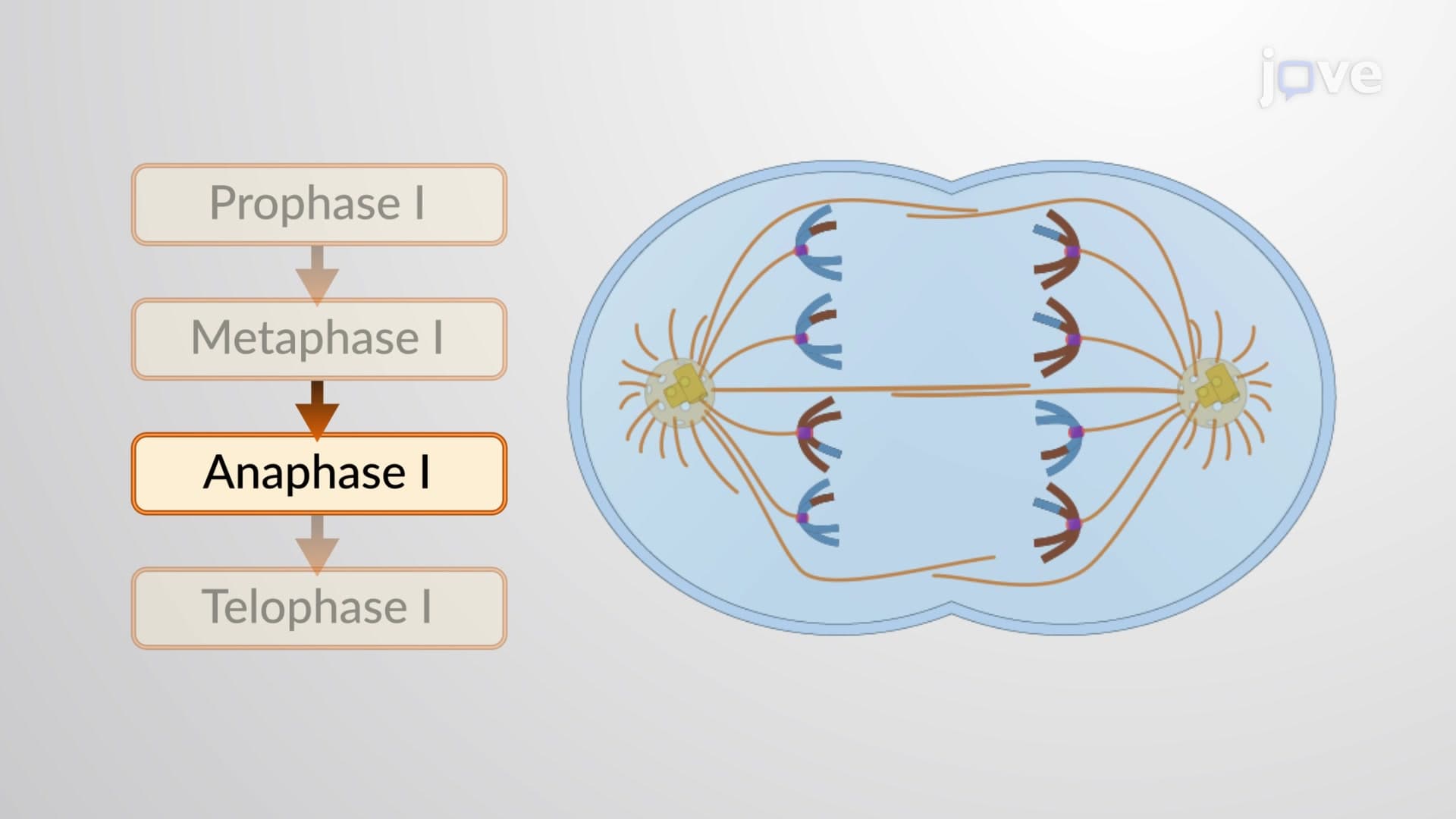
Metaphase alignment also differs significantly. Mitotic chromosomes line up individually along the cell's equator, while meiotic chromosomes align as homologous pairs during metaphase I. This arrangement sets up the critical separation that follows.
Understanding these processes proves essential for students preparing for advanced coursework and standardized exams. AP Biology extensively covers cell division mechanisms, while pre-med students encounter these concepts again in MCAT preparation. Medical professionals rely on this knowledge when counseling patients about genetic disorders, particularly those resulting from nondisjunction events during meiosis.
Chromosome segregation errors during meiosis can produce aneuploid gametes with incorrect chromosome numbers. When these participate in fertilization, conditions like Down syndrome (trisomy 21) may result. This connection between cellular mechanics and clinical outcomes demonstrates why mastering meiosis vs mitosis concepts extends far beyond academic requirements into real-world medical practice.
Related Micro-courses