Loading subject page…


204,001 views

Video Summary: What Is Nondisjunction
Did you know that approximately 1 in 700 babies born in the United States has Down syndrome due to a cellular error during reproduction? Nondisjunction occurs when chromosomes fail to separate properly during meiosis, creating gametes with abnormal chromosome numbers that can lead to conditions like Down syndrome, Turner syndrome, and Klinefelter syndrome. Understanding what is nondisjunction helps explain how these genetic disorders develop and why they affect millions of Americans. Watch the full video on JoVE Coach to master this concept with expert-led visuals and step-by-step explanations.
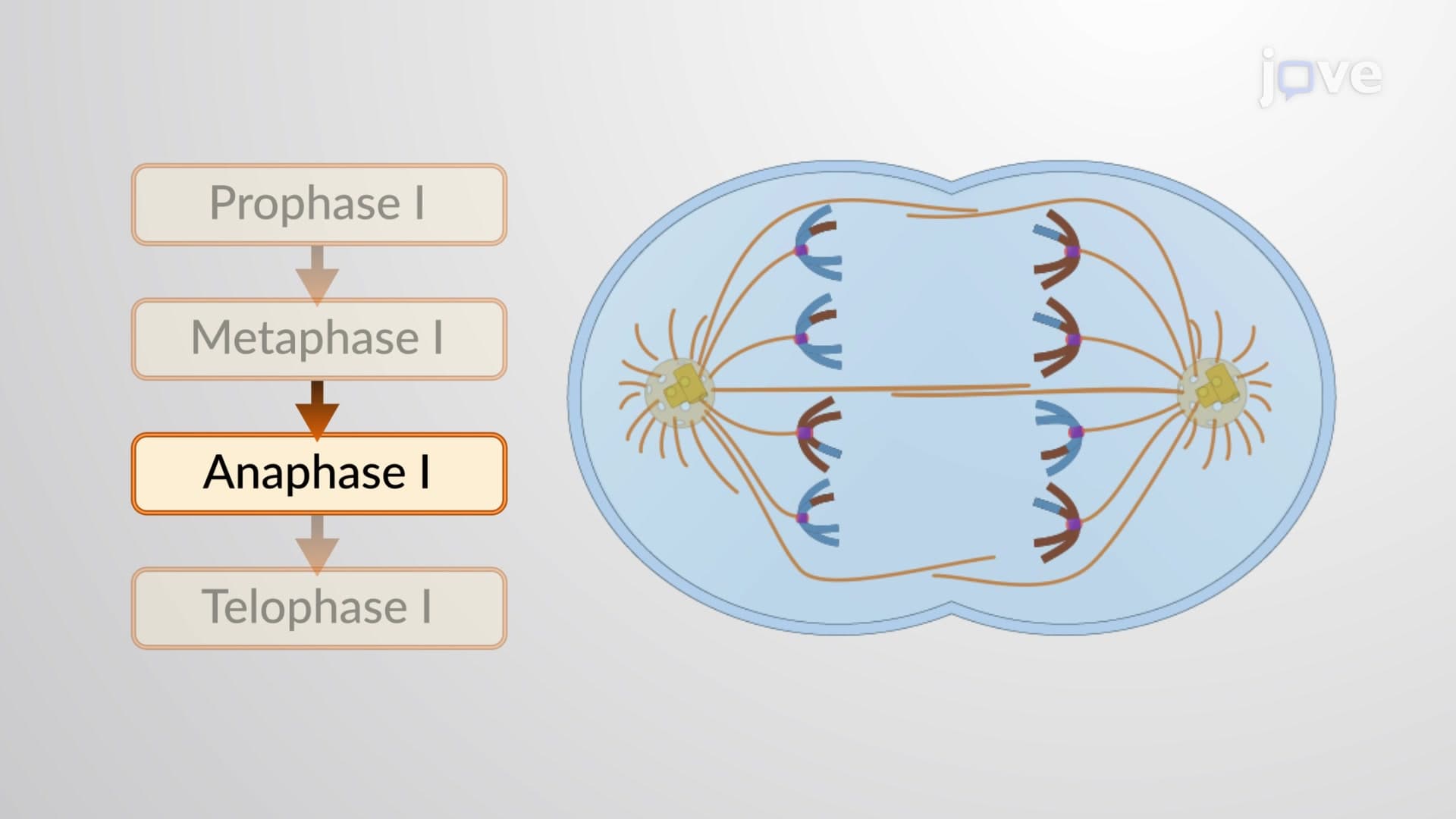
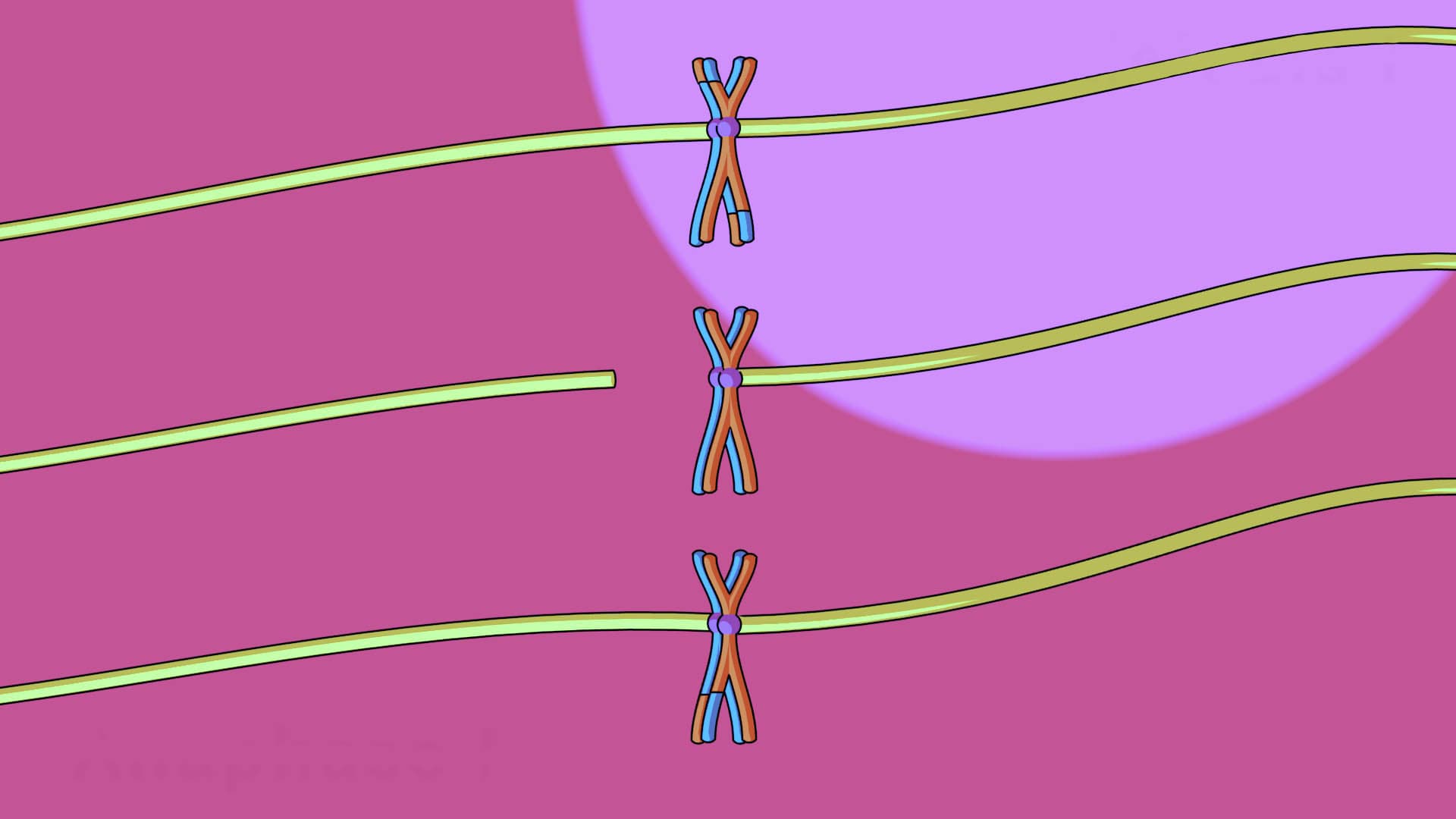
Nondisjunction represents one of the most significant errors that can occur during cellular reproduction, fundamentally altering the genetic makeup of offspring. This process involves the failure of homologous chromosomes to separate properly during meiosis I, or sister chromatids to separate during meiosis II. When nondisjunction occurs, it produces gametes (egg or sperm cells) containing an abnormal number of chromosomes-a condition called aneuploidy.
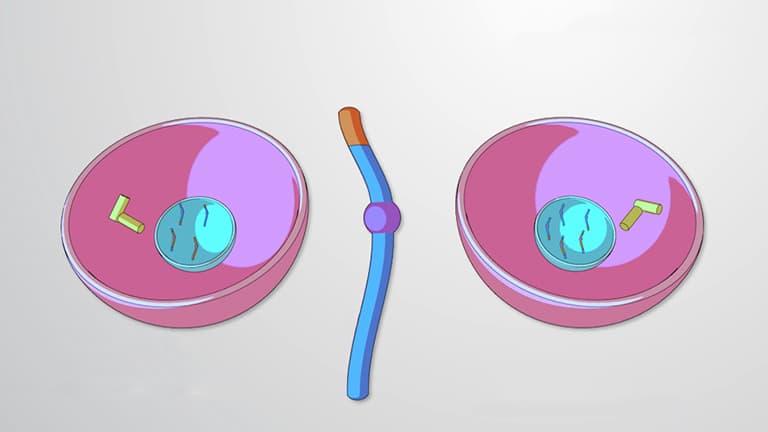
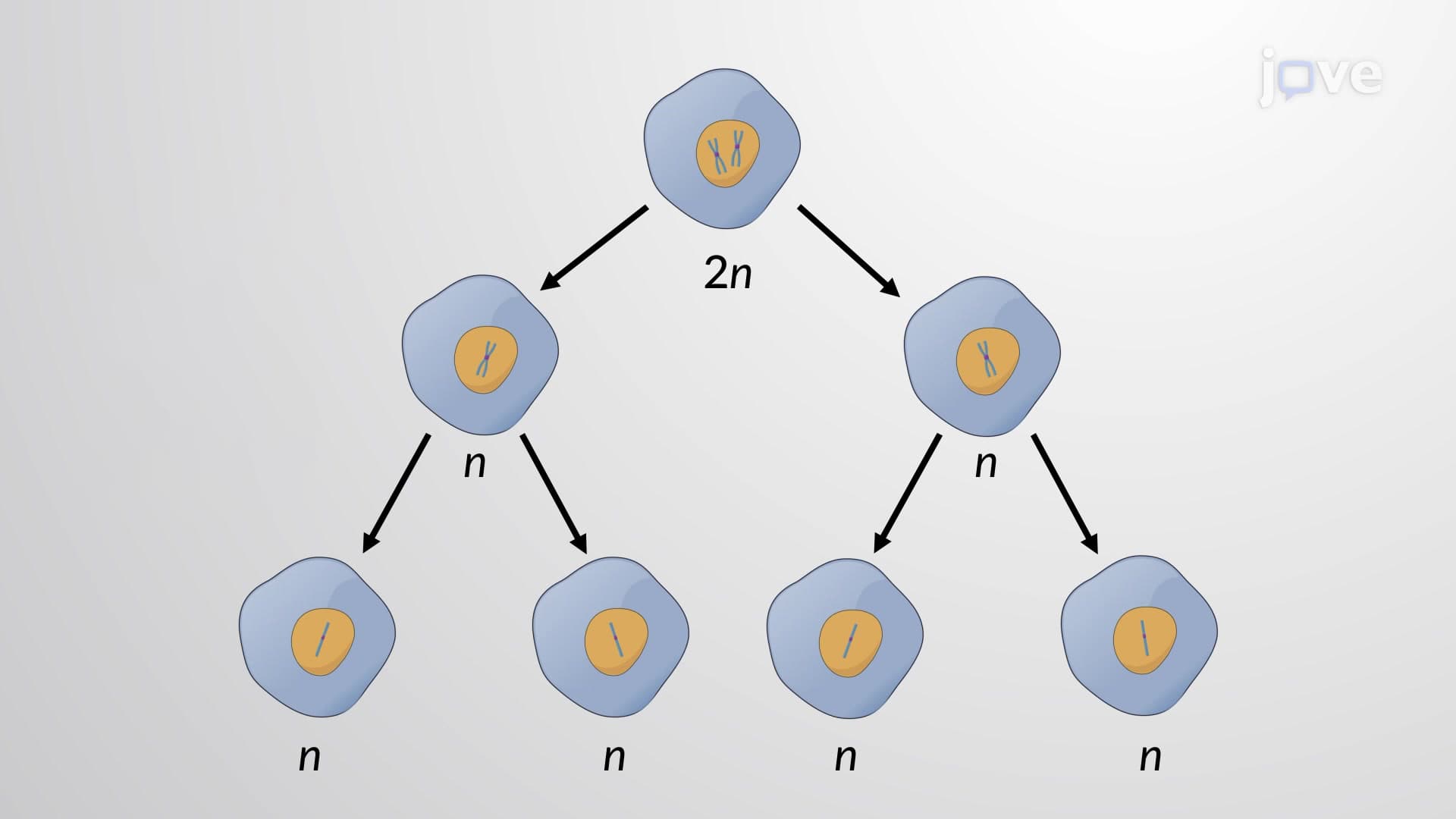
The nondisjunction definition explained centers on understanding normal meiotic division first. During typical meiosis, homologous chromosome pairs align at the cell's center and separate to opposite poles, ensuring each gamete receives exactly one copy of each chromosome. However, when the cellular machinery responsible for chromosome separation malfunctions, both chromosomes may migrate to the same daughter cell, leaving the other cell deficient.
The nondisjunction overview reveals several molecular factors contributing to separation failures. Cohesin proteins normally hold sister chromatids together until the appropriate separation signal arrives. When these proteins fail to release properly, or when spindle fibers don't attach correctly to kinetochores, nondisjunction results. Advanced maternal age significantly increases nondisjunction risk, particularly for chromosome 21, explaining why Down syndrome incidence rises with maternal age-from 1 in 1,250 births for 25-year-old mothers to 1 in 100 for 40-year-old mothers in the United States.
This nondisjunction concept explained becomes critically important when examining its medical implications. Down syndrome (trisomy 21) affects approximately 400,000 Americans, resulting from nondisjunction creating gametes with an extra chromosome 21. Turner syndrome (45,X) affects 1 in 2,500 female births, while Klinefelter syndrome (47,XXY) occurs in 1 in 650 male births. These conditions demonstrate how single nondisjunction events can profoundly impact development, fertility, and quality of life.
Students preparing for AP Biology exams, MCAT testing, or college genetics courses must master nondisjunction concepts to understand inheritance patterns and genetic counseling principles. Medical students studying for USMLE Step 1 encounter nondisjunction when learning about developmental disorders and cytogenetics. This knowledge proves essential for future healthcare professionals who will counsel families about genetic risks and interpret chromosomal analysis results in clinical practice.
Related Micro-courses