Loading video…


 6 Concepts
 2.9K views


Video Summary: Communicating with Senior Leaders
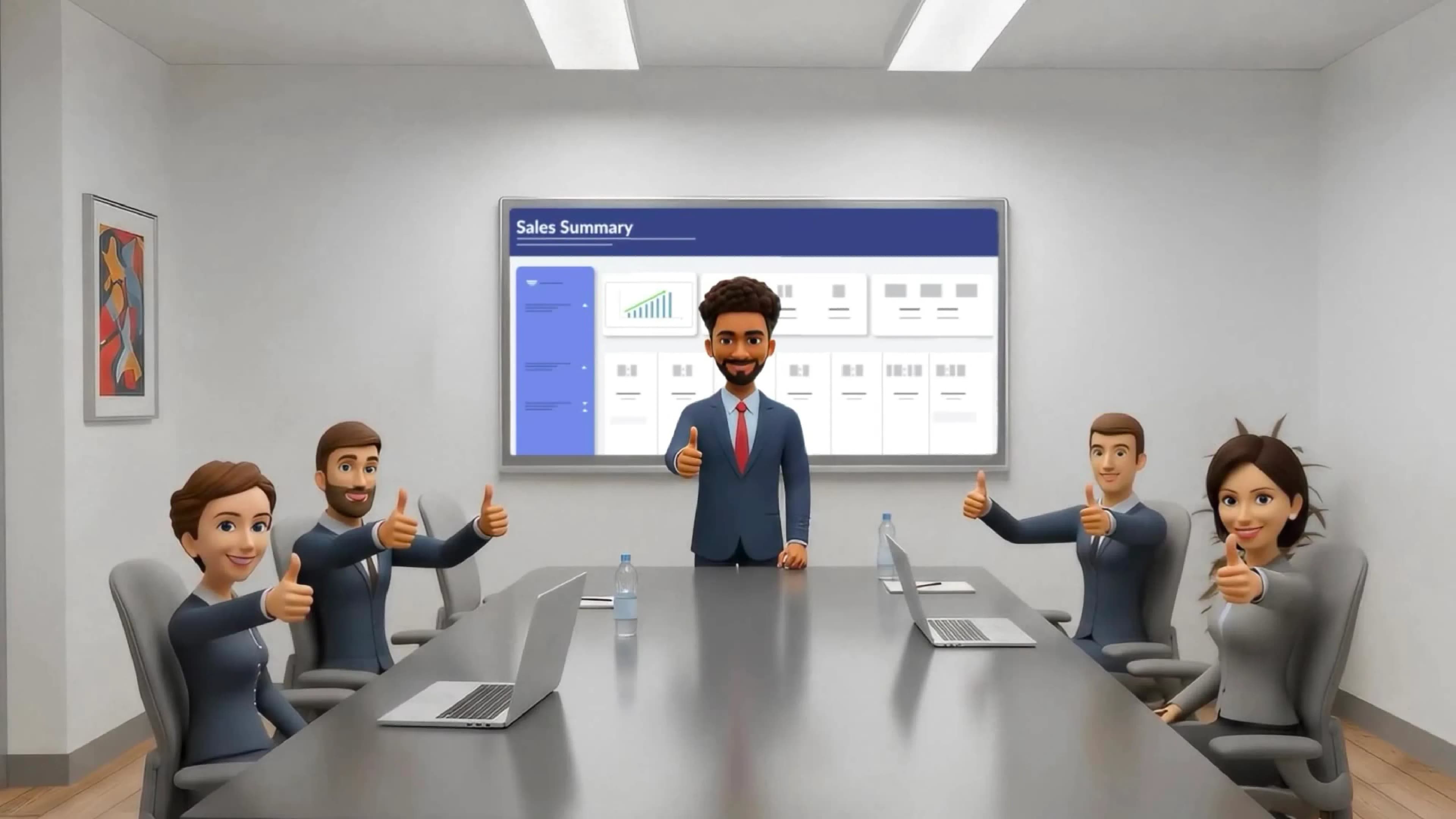
Communicating with senior leaders means selecting the right channel, format, and level of detail so your message is clear and appropriate to the situation. A short email with bullet points works well for routine updates, while sensitive issues that require leadership alignment call for a direct conversation. Matching your approach to the context helps leaders quickly grasp what they need to know and positions you as a credible communicator. This skill is central to building influence across teams.
Not every message belongs in the same format. Email works for quick, factual updates that leaders can read on their own time. A direct conversation is better when the topic is complex or sensitive and needs dialogue. Picking the wrong channel can cause confusion or undermine the message itself.
Format shapes how easily a leader can absorb information. A few concise bullet points covering status, progress, and key issues let busy leaders scan and understand quickly. Longer explanations are rarely necessary for routine updates and can actually obscure the key points you want to land.
Leaders need enough context to understand the situation, not a full account of every step taken. When understanding your manager's expectations, you can judge which details are relevant and which only add noise. The goal is to inform, not overwhelm.
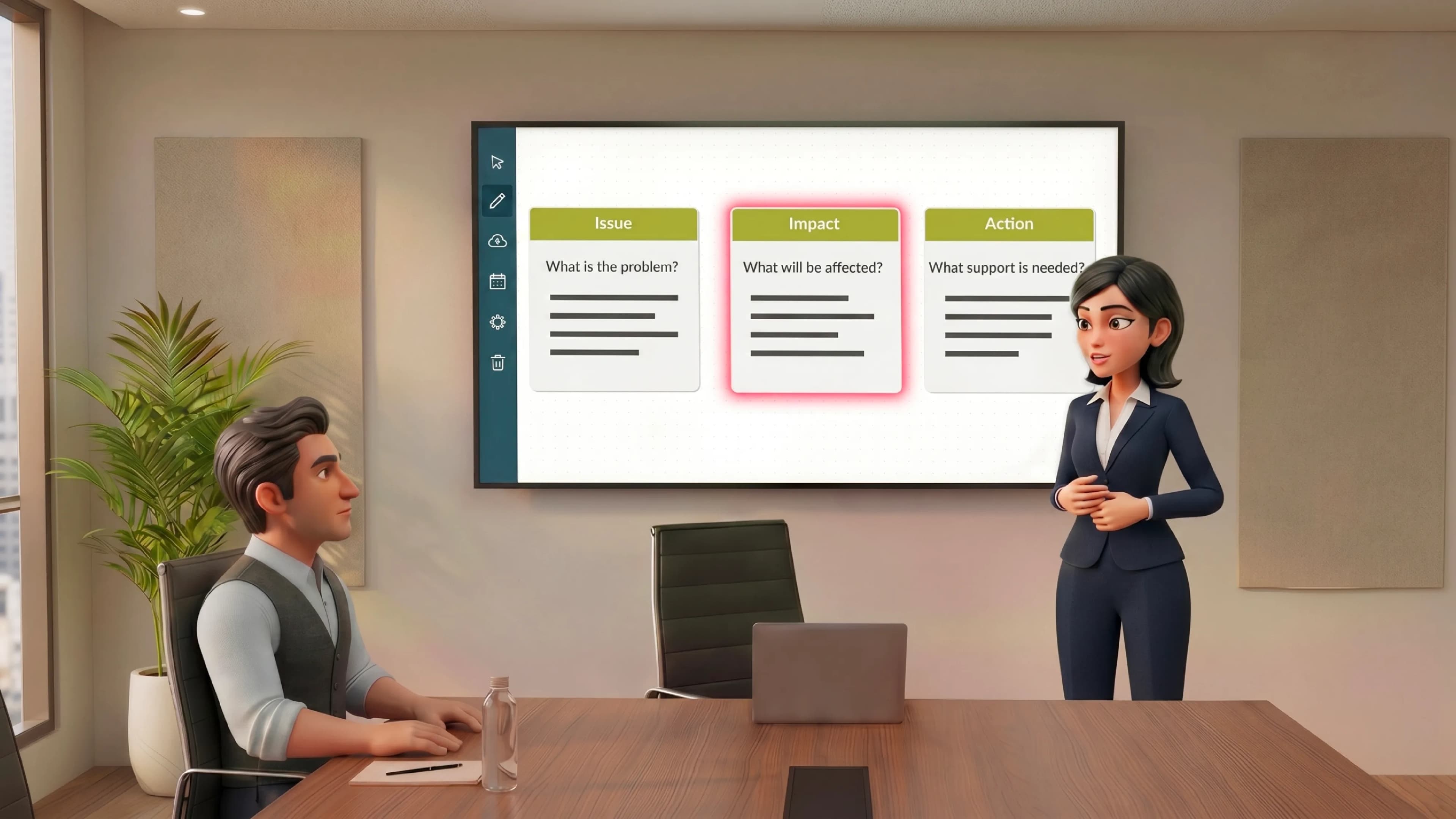
When a project challenge requires leadership alignment, a private one-on-one conversation is more appropriate than email. This gives both parties space to discuss the issue openly and reach a shared understanding. Choosing a private setting also signals that you take the issue seriously. For more on this skill, see escalating issues professionally.
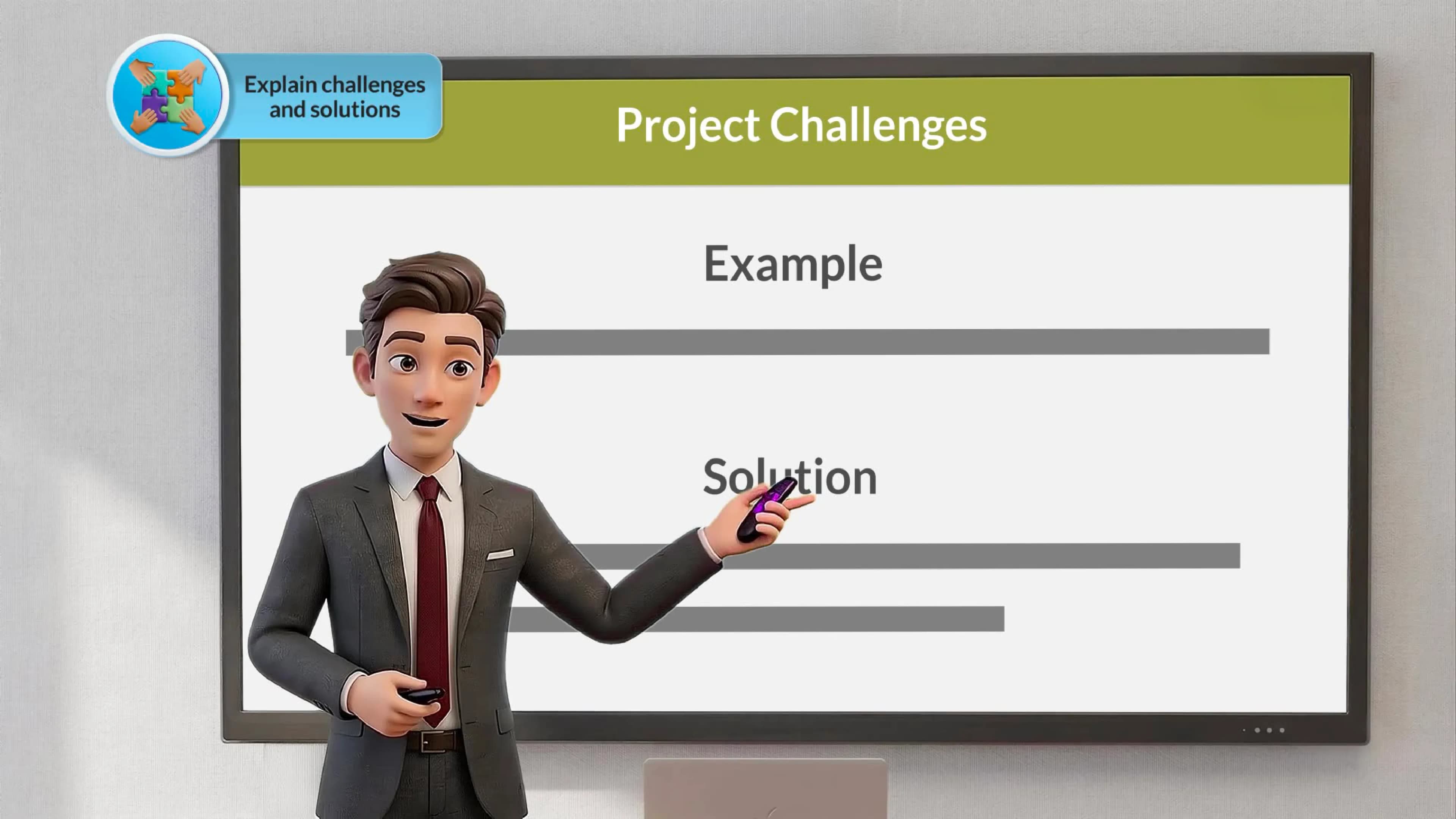
Bringing a problem to a senior leader is more effective when you also bring possible solutions. Explaining the context, naming the concern, and outlining options shows you have thought the issue through. This approach supports handling difficult conversations constructively rather than just flagging a problem and waiting.
Related Micro-courses