Loading subject page…
- New Manager Essentials
- How to Handle Difficult Conversations
- How to Turn Conflict into Constructive Dialogue
Micro-course: How to Handle Difficult Conversations
2,742 views
Learn key concepts and earn your certificate.



How to Turn Conflict into Constructive Dialogue

00:00
01:19
Video Summary: Turn Conflict Into Constructive Dialogue
When two high-performing team members clash over project direction, turning conflict into dialogue becomes critical for maintaining momentum and team cohesion. Most managers struggle with this transition, often letting disagreements escalate or forcing premature resolution. This breakdown explores proven techniques for reframing team conflict as constructive disagreement, using one-on-one conversations, neutral facilitation, and objective-focused mediation. Watch the full video on JoVE Coach to master this concept with expert-led visuals and step-by-step explanations.
- Facilitate individual listening sessions to understand each team member's perspective before bringing conflicting parties together
- Navigate emotional tensions by redirecting focus from personal criticism to professional evaluation of ideas and approaches
- Structure conflict resolution meetings in neutral settings with clear ground rules for constructive discussion
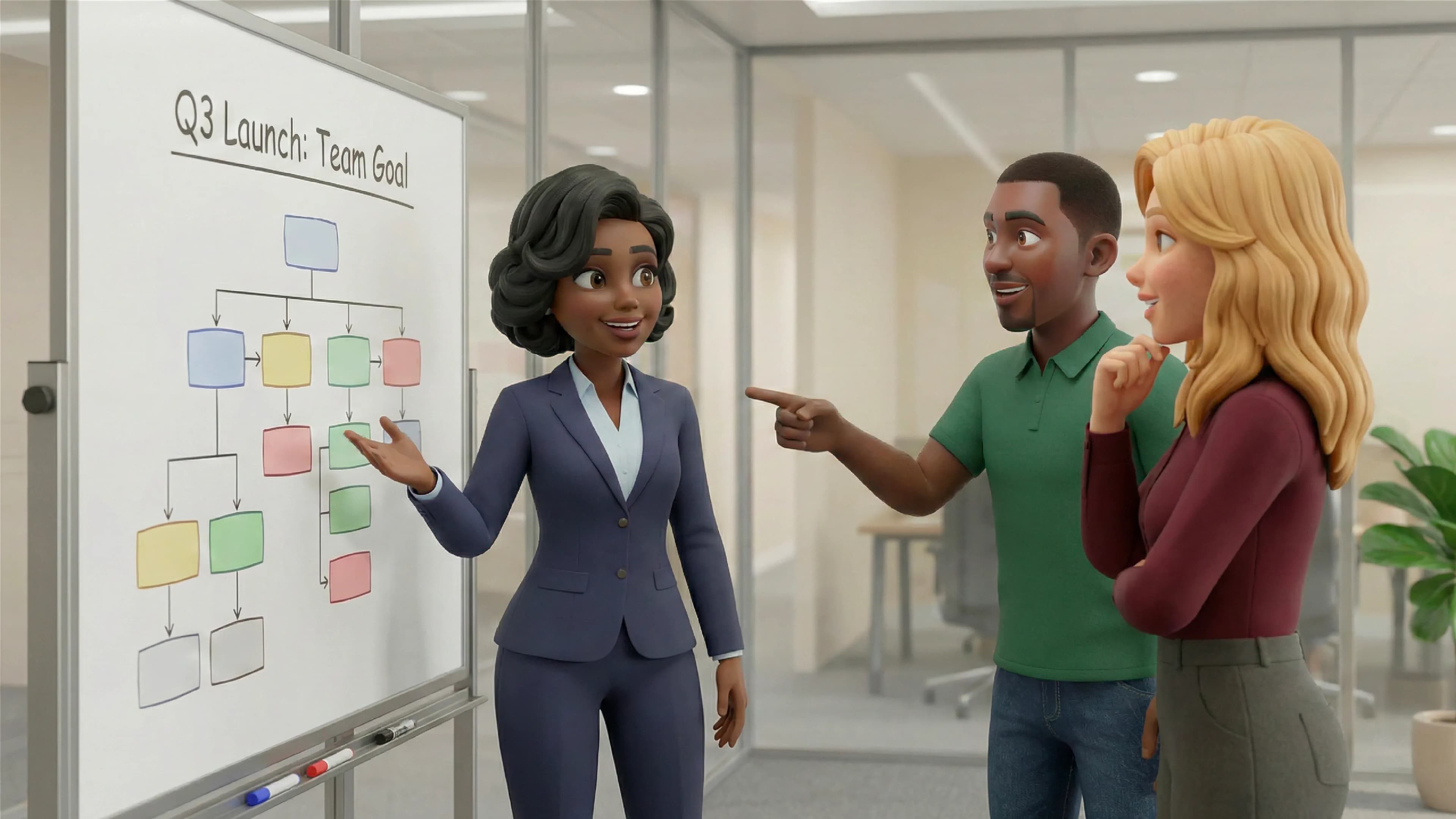
- Align team members around shared objectives and deliverables to create common ground for problem-solving
- Coach team members to articulate their approaches in detail, fostering mutual understanding of different viewpoints
- Build hybrid solutions by identifying and combining the strongest elements from competing proposals
- Set clear next steps and accountability measures to ensure resolution translates into coordinated action
- Manage follow-up conversations to reinforce alignment and prevent conflict recurrence
Turning Team Conflict Into Constructive Dialogue as a Manager
You walk into Monday morning to find your two senior analysts haven't spoken since Friday's heated exchange about budget allocation priorities. The tension is affecting the entire team's productivity, and you know that avoiding this conflict will only make it worse. This scenario plays out in management roles across every industry-high-stakes disagreements that can either derail team performance or become catalysts for breakthrough solutions.
Why Most Managers Struggle With Conflict Facilitation
The majority of managers default to either conflict avoidance or immediate resolution attempts, missing the opportunity for constructive team conflict. Many leaders lack a structured approach to conflict facilitation, instead relying on instinct or hoping disagreements resolve themselves. The result is often superficial peace-making that fails to address underlying issues, leading to recurring tensions and decreased team trust.
Effective conflict resolution for managers requires recognizing that disagreement itself isn't the problem-it's how teams handle disagreement that determines outcomes. When managed skillfully, conflict becomes a source of innovation, deeper problem-solving, and stronger team relationships.
A Three-Phase Framework for Constructive Dialogue
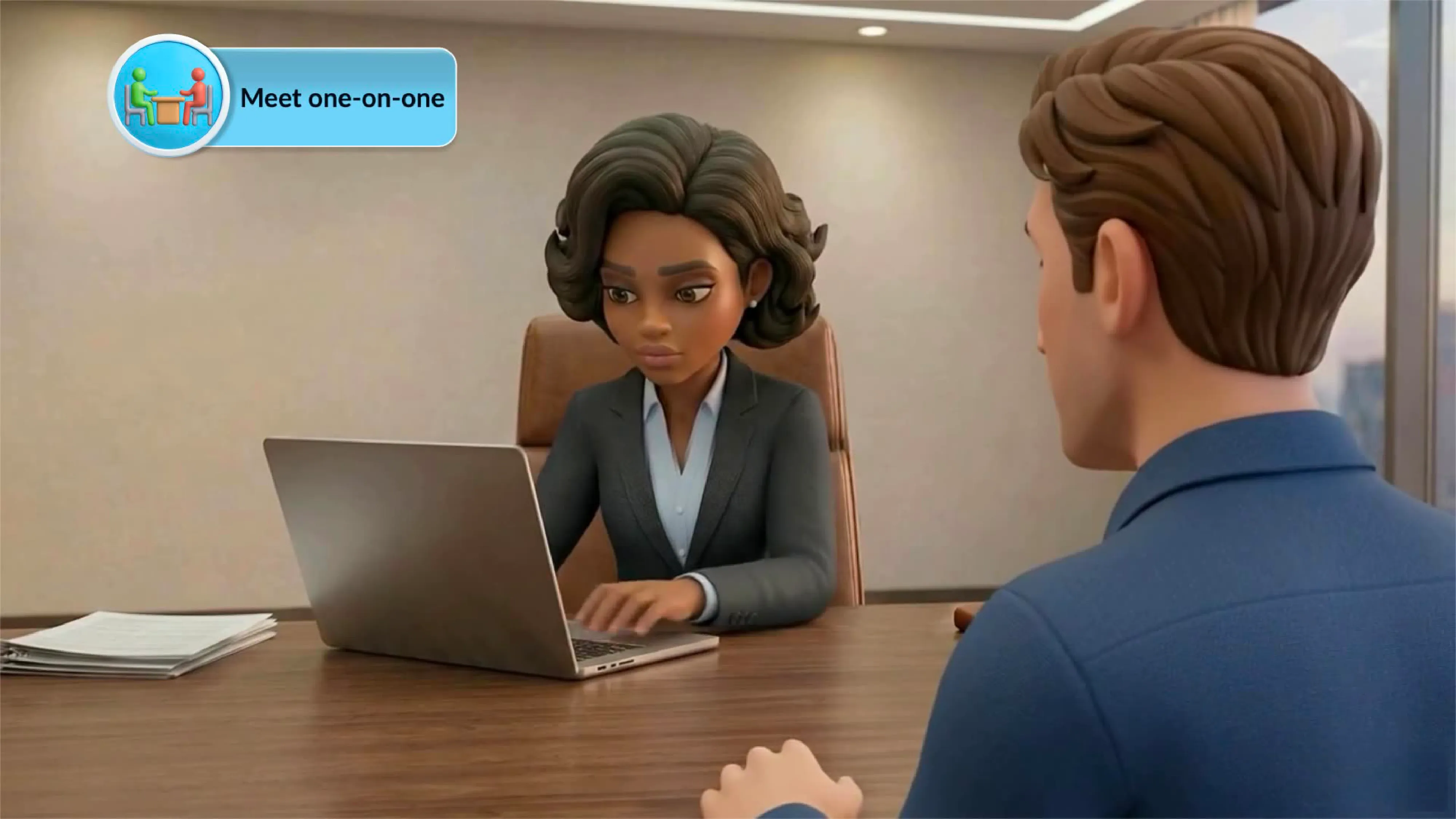
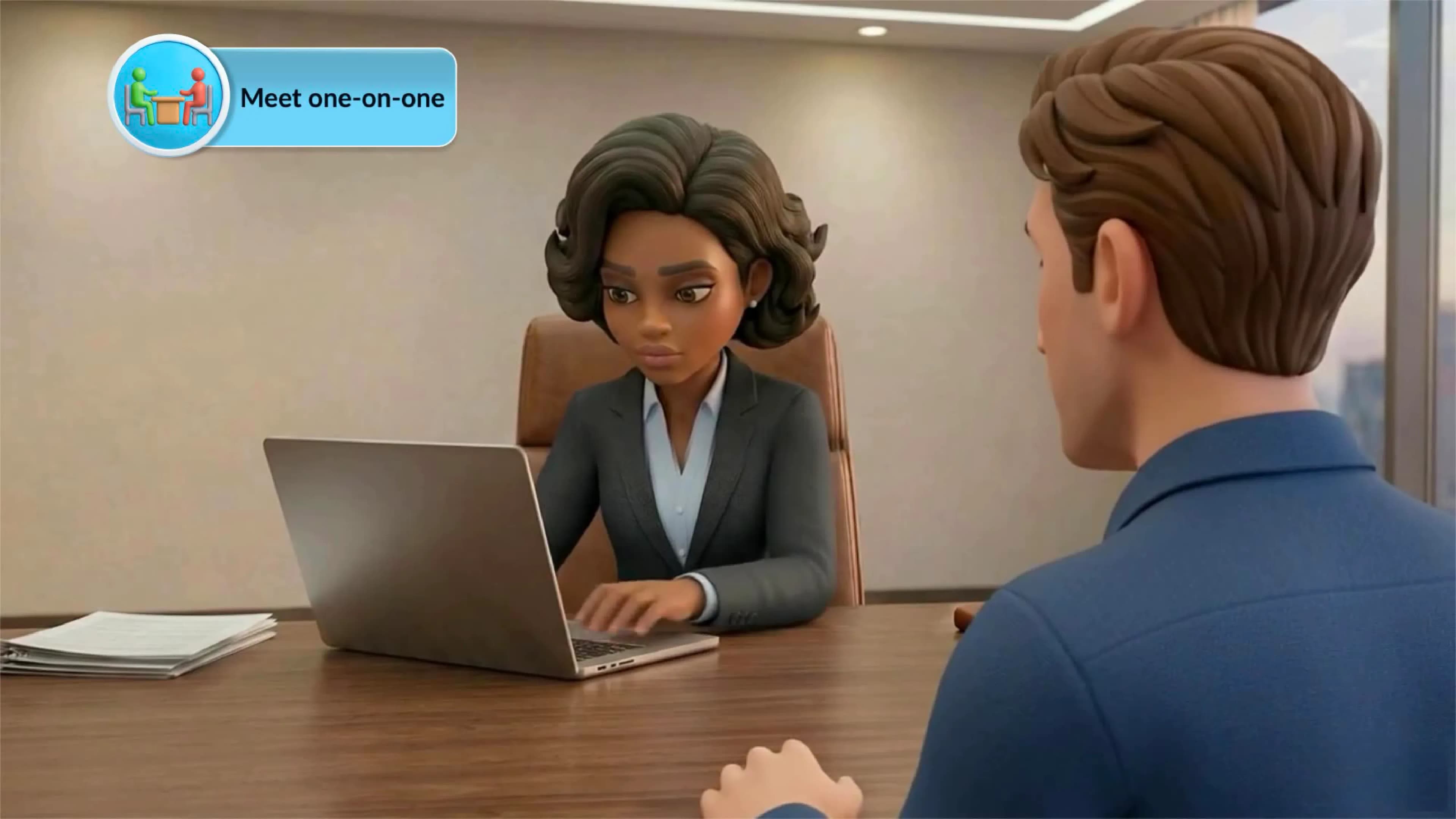
Phase 1: Individual Discovery - Meet separately with each party to understand their perspective without the pressure of defending their position. Use active listening techniques and ask clarifying questions about their reasoning, concerns, and desired outcomes. This phase prevents public defensiveness and gives you crucial context for facilitation.
Phase 2: Structured Mediation - Bring parties together in a neutral setting with clear ground rules. Implement the PEACE method: Present facts objectively, Explore underlying interests, Acknowledge valid concerns, Create collaborative solutions, and Establish next steps. Focus discussions on shared goals rather than individual positions.
Phase 3: Solution Integration - Guide the team toward hybrid approaches that incorporate the strongest elements from each perspective. Use techniques like assumption testing and scenario planning to evaluate different approaches objectively. Document agreed-upon solutions and create accountability mechanisms.
How to Apply This in Your Next Team Conflict
Start by scheduling separate 30-minute conversations with each party within 24 hours of identifying the conflict. During these meetings, ask open-ended questions like "Help me understand your concerns about this approach" rather than "Why are you upset?" Document key points and look for areas of potential alignment.
For the joint meeting, begin by restating shared objectives and ground rules for respectful dialogue. Use phrases like "Let's focus on what will make this project successful" to redirect from personal positions to professional outcomes. When emotions escalate, pause and refocus on facts and business impact.
Frequently Asked Questions
It means reframing team disagreements from personal disputes into professional problem-solving conversations focused on business objectives. Instead of viewing conflict as disruptive, you facilitate structured discussions that leverage different perspectives to reach better solutions. This approach transforms tension into productive collaboration while maintaining team relationships.
Address participation expectations in individual conversations first, emphasizing the business impact of unresolved conflict. Frame participation as professional accountability rather than personal choice. If resistance continues, clarify that constructive problem-solving is a performance expectation, and document non-participation as a development area requiring attention.
Always start with individual conversations to understand each perspective and assess emotional readiness for joint dialogue. Bring them together only after you've identified potential common ground and both parties demonstrate willingness to focus on professional outcomes. If emotions remain high or positions seem completely incompatible, continue individual coaching before attempting group facilitation.
Schedule a structured session focused on customer journey data and revenue impact rather than departmental preferences. Have each director present their qualification criteria with supporting metrics, then work together to identify a hybrid approach that serves both conversion goals and sales efficiency. Establish regular check-ins to refine the agreed-upon standards based on performance data.
While experience helps, the core skills involve active listening, neutral facilitation, and objective problem-solving-abilities you can develop immediately. Start with lower-stakes disagreements to practice these techniques. Focus on asking good questions, staying neutral, and keeping discussions focused on business outcomes rather than personal positions.
Teams with managers skilled in constructive conflict resolution show higher engagement, faster decision-making, and more innovative solutions. Your ability to navigate team tensions directly impacts productivity, retention, and your reputation as a leader who can handle complex interpersonal dynamics. This skill becomes increasingly valuable as you manage larger, more diverse teams.
Build skills in preventive conflict management by learning to identify early warning signs of team tension and address them proactively. Develop expertise in cross-functional conflict resolution, managing disagreements between departments or external stakeholders. Advanced facilitation skills for complex, multi-party conflicts will prepare you for senior leadership challenges.
Related Micro-courses
8 Concepts

9 Concepts

6 Concepts