Loading subject page…


2,707 views


Video Summary: Recognize and Appreciate Contributions
Many managers struggle with effectively recognizing team contributions, often missing opportunities to reinforce positive behaviors when team members go above and beyond. This oversight can lead to decreased morale and reduced discretionary effort over time. Recognizing team contributions requires more than a simple "thank you", it demands strategic timing, specific acknowledgment, and connection to business outcomes. Effective managers master the art of both private appreciation and public recognition to sustain high performance across their teams. Watch the full video on JoVE Coach to master this concept with expert-led visuals and step-by-step explanations.
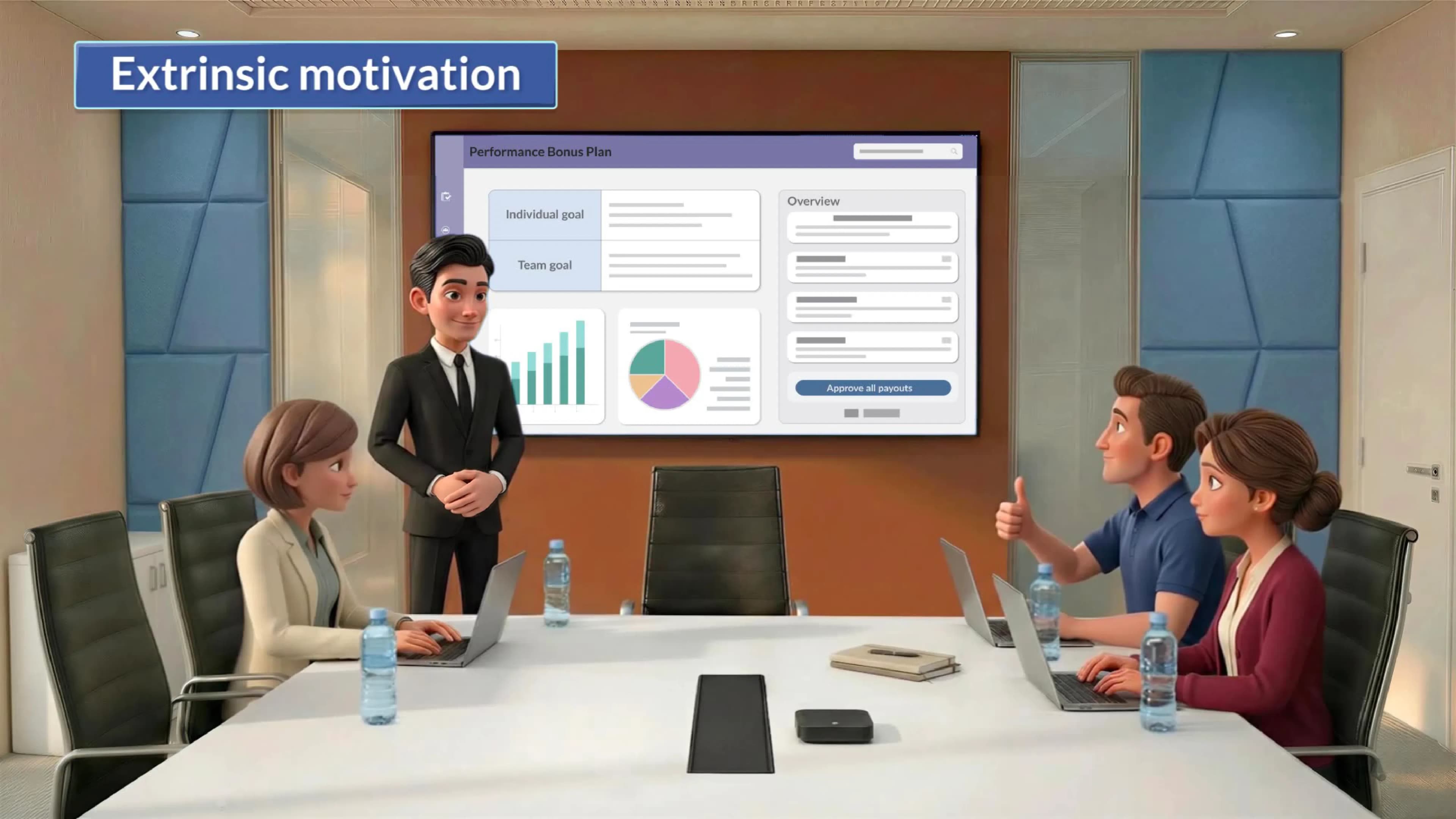
Most managers underestimate the compound effect of consistent recognition on team dynamics. When a team member consistently delivers beyond expectations, whether staying late to help colleagues, proactively solving problems, or maintaining quality under pressure, the absence of acknowledgment signals that such efforts go unnoticed. This creates a performance ceiling where discretionary effort gradually diminishes.
Traditional recognition programs often feel mechanical because they lack the three elements that make appreciation meaningful: specificity, timeliness, and connection to impact. The most effective employee recognition best practices focus on immediate, specific acknowledgment rather than delayed, generic praise. When you observe exceptional contribution, the recognition window is approximately 24-48 hours for maximum impact. Beyond this timeframe, the connection between behavior and acknowledgment weakens significantly.
Effective recognition follows a structured approach: Specific behavior, Impact on team/business, Meaning to the individual. Start with specific behaviors you observed: "I noticed you stayed late three times this week to help the reporting team meet their deadline." Next, connect to business impact: "This directly enabled us to deliver the client presentation on schedule." Finally, acknowledge the personal investment: "Your willingness to support colleagues during crunch periods demonstrates the leadership qualities we value."
This approach works because it demonstrates genuine observation rather than superficial praise. Public recognition amplifies this effect but requires careful timing and individual preference consideration. Some team members thrive on public acknowledgment, while others prefer private appreciation.
The challenge lies in maintaining authenticity while establishing consistent recognition patterns. Create systematic observation practices during your regular management routines, team meetings, project reviews, and informal interactions become opportunities to identify contribution visibility moments. Document notable contributions in real-time to ensure nothing falls through the cracks.
Effective managers also recognize different contribution types: the problem-solver who prevents issues, the collaborator who enables others' success, and the quality guardian who maintains standards. Each requires tailored appreciation approaches that acknowledge their unique value proposition.
Avoid recognition fatigue by varying your appreciation methods and ensuring each acknowledgment feels earned rather than routine. Generic praise like "great job" lacks the specificity that demonstrates genuine awareness. Similarly, delayed recognition loses emotional impact and may feel like an afterthought rather than sincere appreciation.
Related Micro-courses