Loading video…


 8 Concepts
 2.7K views

Video Summary: Recognizing and Preventing Team Burnout
The SMART work design model is a five-part framework managers use to prevent team burnout by reshaping how work is structured and experienced. It addresses five qualities of work: Stimulating, Mastery-oriented, Autonomous, Relational, and Tolerable. Early warning signs of burnout, such as rising errors and team tension, signal that one or more of these dimensions needs attention. Redesigning work across all five areas reduces stress and keeps teams performing well, even during high-pressure periods. Learn more about maintaining team morale during challenging periods.
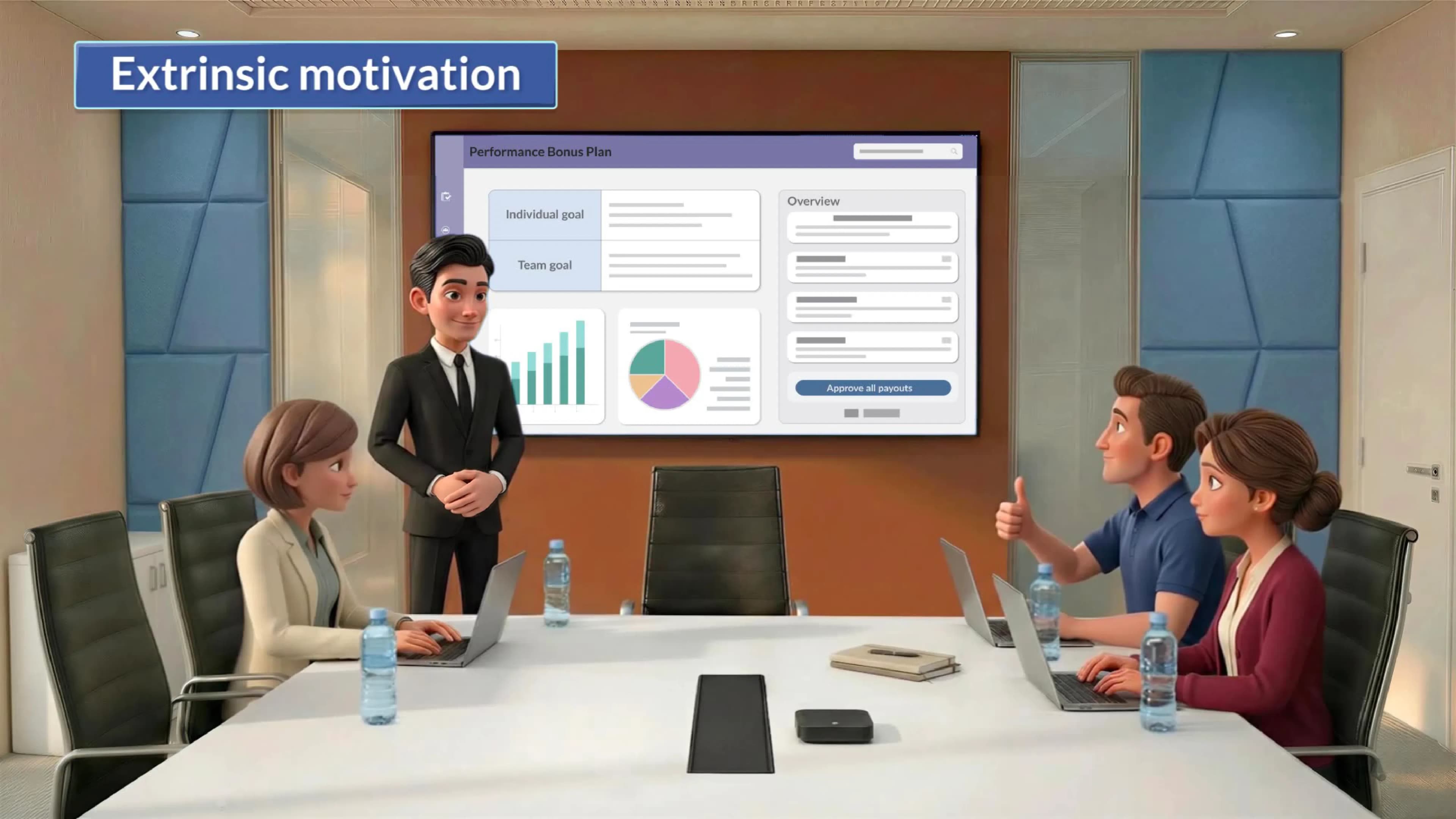
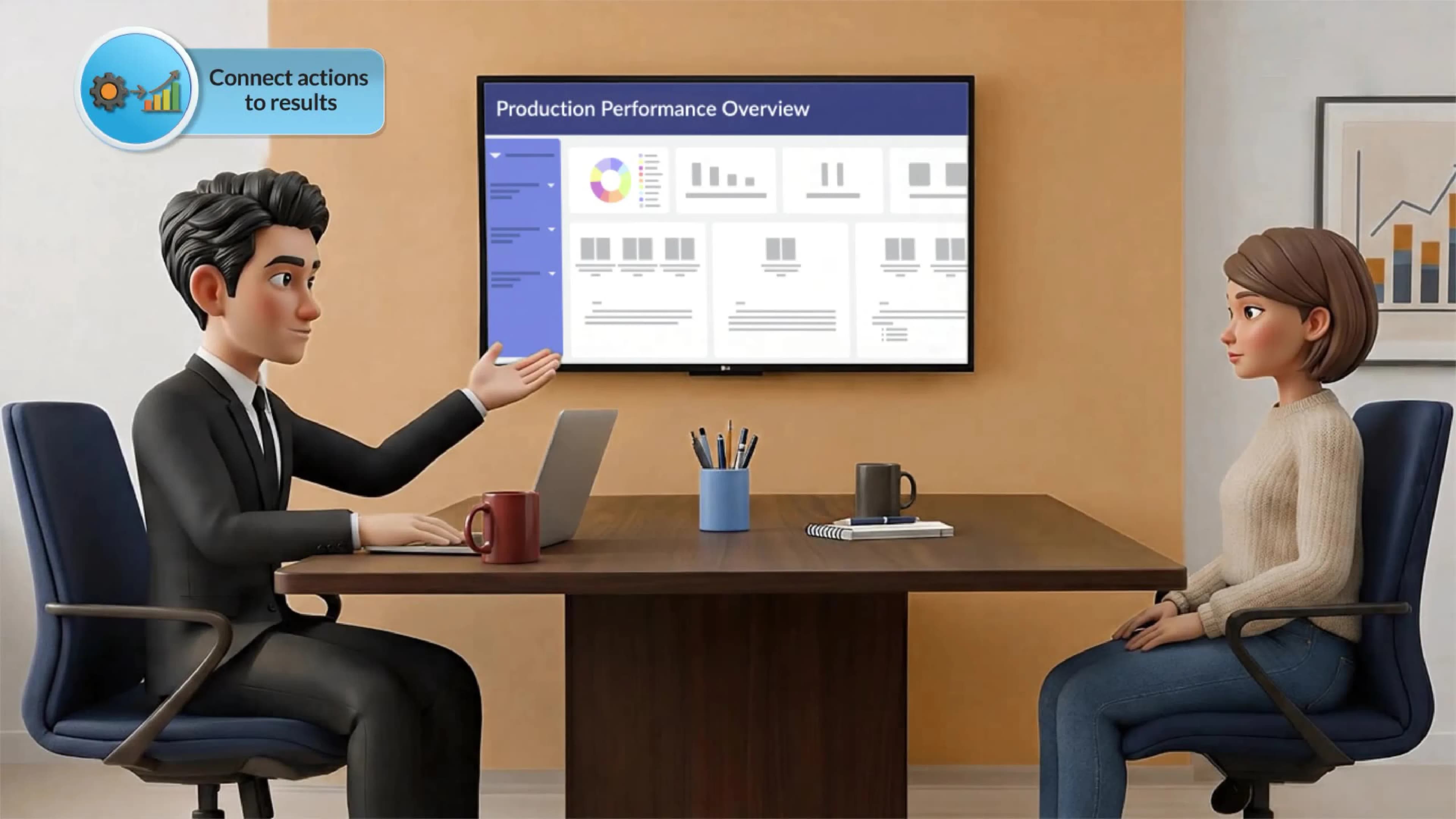
Keeping work stimulating means rotating team responsibilities so tasks stay varied and engaging. Involving the team in identifying better ways to complete their work also adds a layer of ownership that counteracts the monotony that often accelerates burnout. Understanding what drives team motivation helps managers make smarter rotation decisions.
Mastery-oriented work starts with clear role definitions so team members know exactly what is expected of them. Brief skill-building sessions and feedback focused on strengthening performance, rather than just correcting errors, build confidence and competence over time. This approach connects naturally to coaching and developing your team.
Autonomy means giving team members greater ownership over how they manage and execute their responsibilities. Even during high-pressure periods, preserving that sense of control reduces stress and builds trust. Structuring this well requires delegating work with clarity and accountability so ownership is real, not just nominal.
The relational dimension covers two things: fostering collaboration between team members and reinforcing why the work matters. When people feel connected to their colleagues and to a meaningful goal, they are more resilient under pressure. Building trust and collaboration strengthens both of these relational levers.
Tolerable work means distributing workloads evenly so no individual carries a disproportionate burden. Equally important is scheduling deliberate time to reset after intensive phases, rather than immediately loading the team with the next demanding project. Both steps protect long-term capacity.
Related Micro-courses