Loading video…

 8 Concepts
 2.7K views

Video Summary: Creating a Team That Learns Continuously
A team that learns continuously treats routine work as an opportunity to improve, rather than simply repeating familiar methods. The Build-Measure-Learn approach structures this habit by asking teams to design a process change, test it, and review the results. Applied consistently, this cycle helps teams move past entrenched workflows and build genuine adaptability over time. Understanding what drives team motivation can strengthen this effort further.
Many teams hesitate to try new approaches and fall back on established habits instead. This resistance limits improvement because familiar methods go unchallenged, even when they cause visible problems like delays or miscommunication. Maintaining morale during challenges can make it easier for teams to take the first step toward change.
The Build-Measure-Learn framework is a three-step cycle that turns routine work into a structured learning process. Rather than treating a project as a one-off event, the team uses each iteration to test a change, gather evidence, and refine their approach before the next round begins.
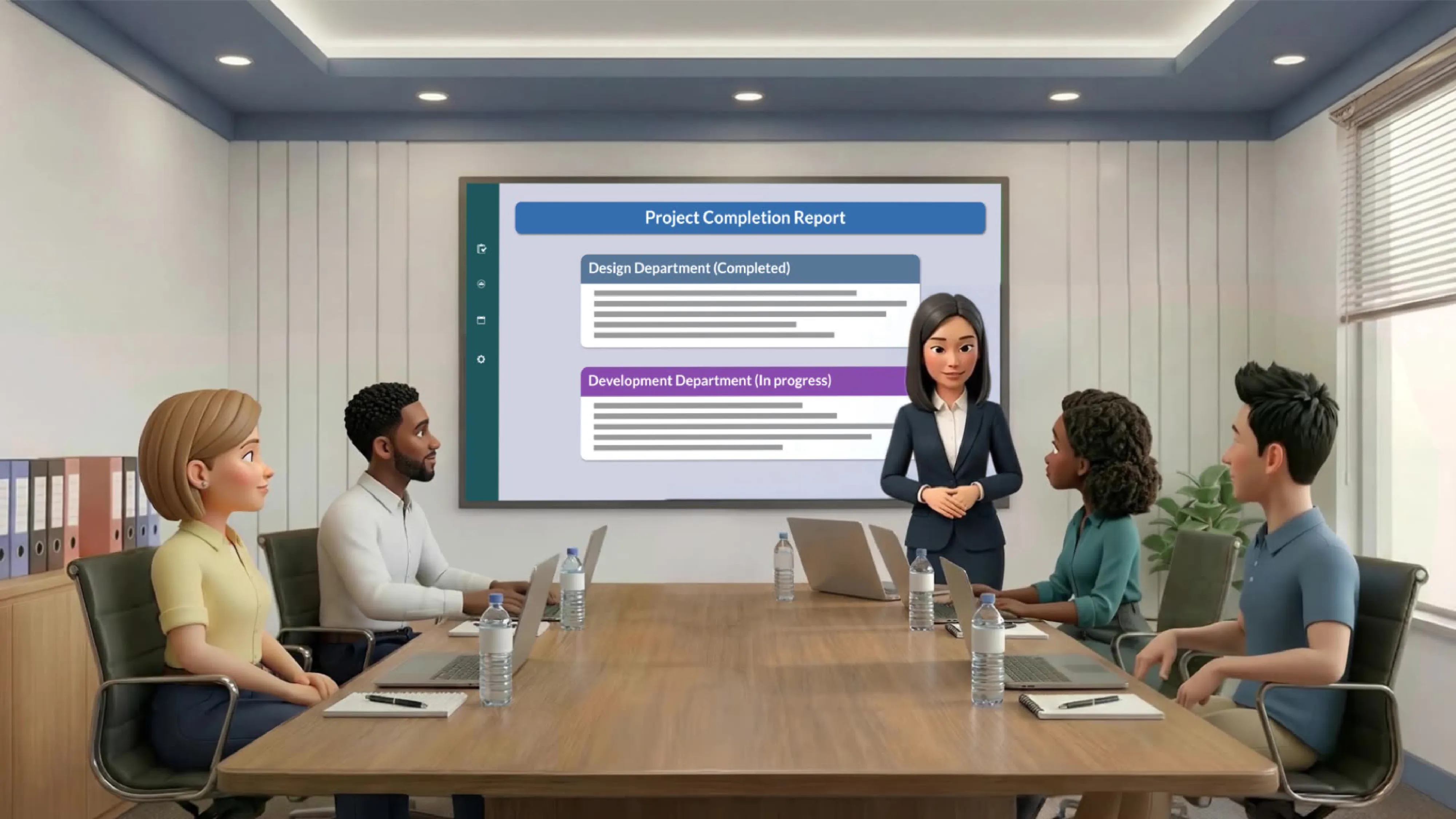
The Build step involves introducing a concrete improvement before the next project begins. For example, a team experiencing handover delays can build a standardized checklist to ensure design specifications are fully documented before tasks transfer. Setting up team rituals that support performance makes this kind of structured change easier to sustain.
The Measure step evaluates whether the process change worked by comparing specific outcomes across two projects. Tracking metrics like the number of handover delays and clarification requests gives the team objective data rather than impressions, making it straightforward to see what actually changed.
The Learn step closes the cycle by reviewing what the data showed and deciding how to adjust the process for future work. This review transforms a single experiment into lasting improvement. It also gives the team a reason to stay engaged, because keeping motivation high after success depends on teams seeing that their efforts made a real difference.
Related Micro-courses