Loading subject page…


2,691 views


Video Summary: Recognizing and Preventing Team Burnout
When high-pressure deadlines hit your team, preventing team burnout becomes critical as performance drops and tension rises between team members. This breakdown scenario plays out in countless organizations when managers miss early warning signs like increasing errors and interpersonal conflicts. The solution lies in applying the SMART work design framework-making work Stimulating, Mastery-oriented, Autonomous, Relational, and Tolerable-to redesign how your team operates under pressure while maintaining sustainable performance levels. Watch the full video on JoVE Coach to master this concept with expert-led visuals and step-by-step explanations.
You walk into the office and immediately sense the shift. Your usually collaborative team members are snapping at each other, quality issues are surfacing in deliverables that were previously solid, and that team member who always volunteers for extra work is suddenly quiet in meetings. These aren't isolated incidents-they're canaries in the coal mine signaling impending team burnout.
The challenge lies in distinguishing between temporary stress and the deeper patterns that indicate burnout. Stress manifests as temporary pressure responses, while burnout develops through sustained exposure to poorly designed work environments. Most managers focus on output metrics-deadlines met, tasks completed-while missing the behavioral indicators that predict performance collapse.
Effective managers track both quantitative signals (error rates, missed deadlines, decreased participation) and qualitative changes (communication tone, collaboration patterns, energy levels during meetings). The key is establishing baseline behaviors for each team member, then monitoring deviations that persist beyond normal stress cycles.
The SMART model provides a systematic approach to redesigning work before burnout takes hold. Stimulating work means rotating responsibilities and involving team members in process improvement-not just task execution. During your next team meeting, ask: "What's one thing we could change about how we approach this project?"
Mastery-oriented environments require clear role definitions paired with targeted skill development. Schedule brief, focused learning sessions during high-pressure periods rather than postponing development until "things calm down." Autonomous work design means granting decision-making authority over execution methods while maintaining clear outcome expectations.
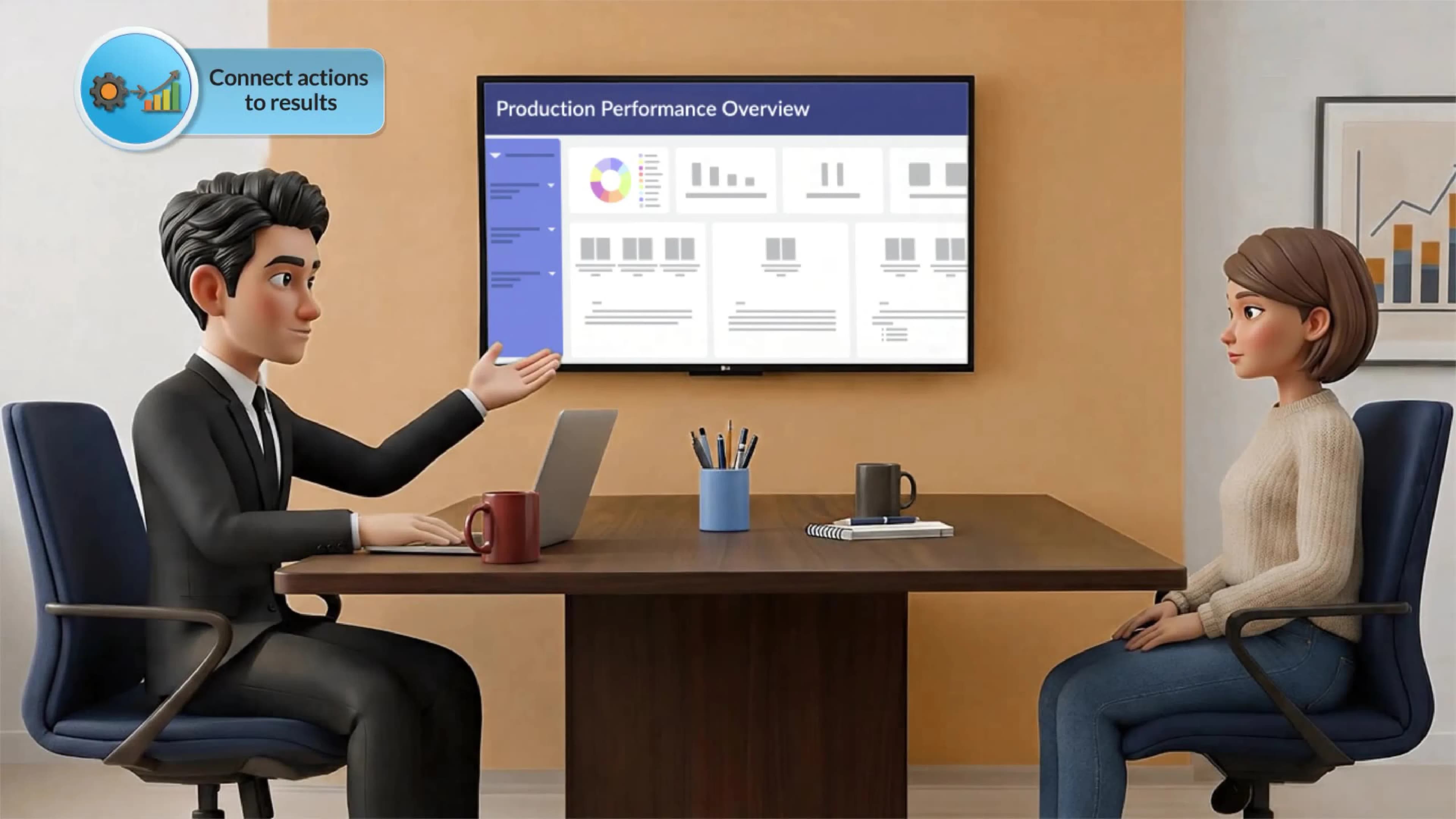
Relational strength comes from reinforcing shared purpose during stressful periods. In your next one-on-one, connect individual contributions to broader organizational impact. Tolerable workloads require strategic distribution-identify who has capacity versus who's already stretched thin, then redistribute accordingly.
The most overlooked element of team burnout prevention is building planned recovery into work rhythms. This isn't about longer vacations-it's about designing micro-recovery periods within intense work cycles. After completing major deliverables, schedule team retrospectives focused on process improvement rather than immediately jumping into the next sprint. Create buffer time between high-intensity projects, even if it's just a few days for reflection and relationship rebuilding.
Related Micro-courses