Loading subject page…

2,717 views

Video Summary: Understanding What Drives Team Motivation
Team motivation operates through two distinct pathways: extrinsic and intrinsic. Extrinsic motivators, such as incentives, recognition, and targets, drive short-term effort, while intrinsic motivators, including growth, ownership, and meaningful work, sustain engagement over time. As a manager, understanding both pathways helps you shape day-to-day behavior and build lasting commitment within your team. Explore the full module on motivating and recognizing teams to build on these foundations.
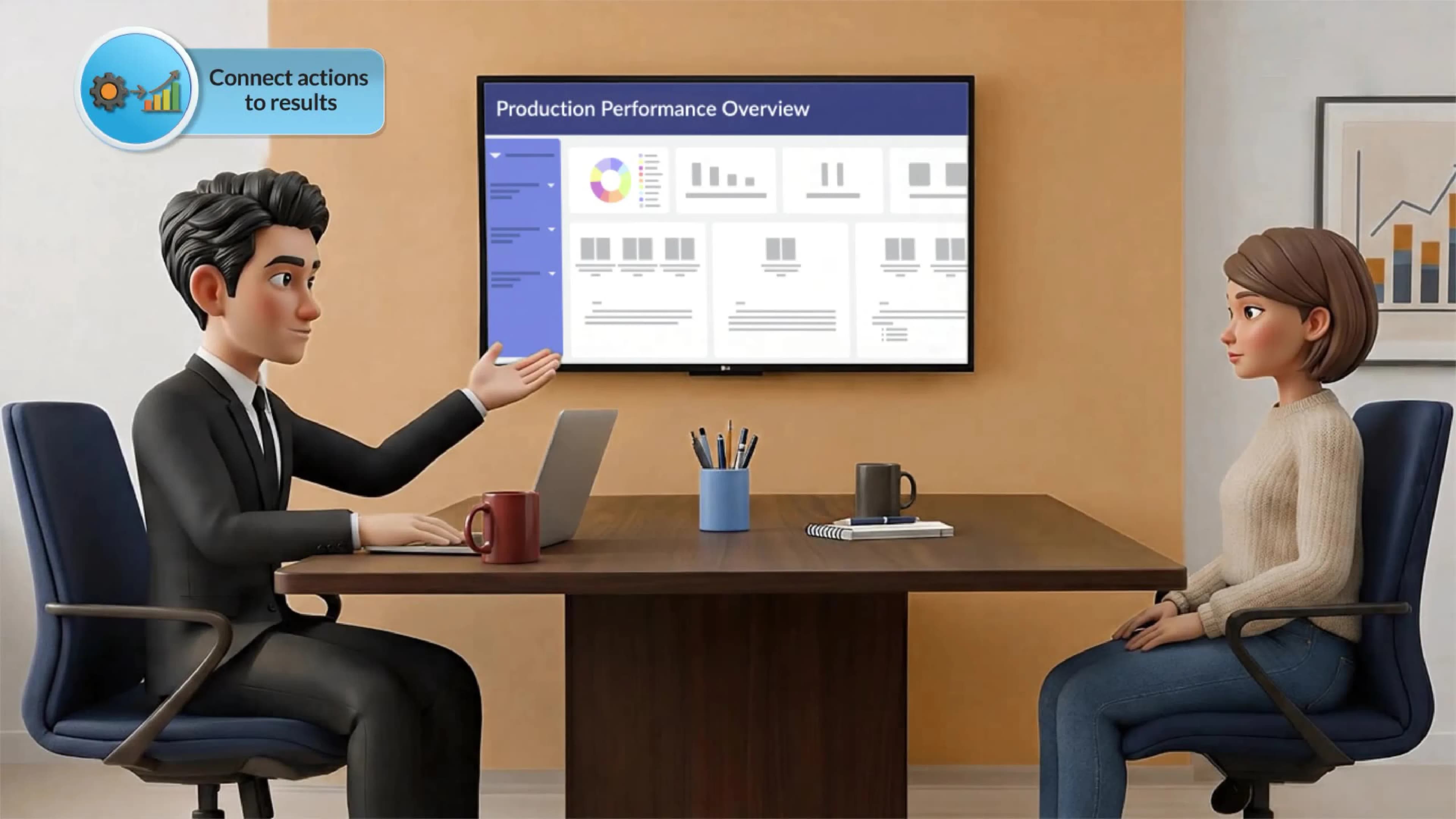
Motivation reaches people through two channels. Extrinsic motivation comes from outside the individual, things like bonuses or targets. Intrinsic motivation comes from within, through purpose, growth, or a sense of ownership. Both pathways are real, and both influence how people show up and perform at work.
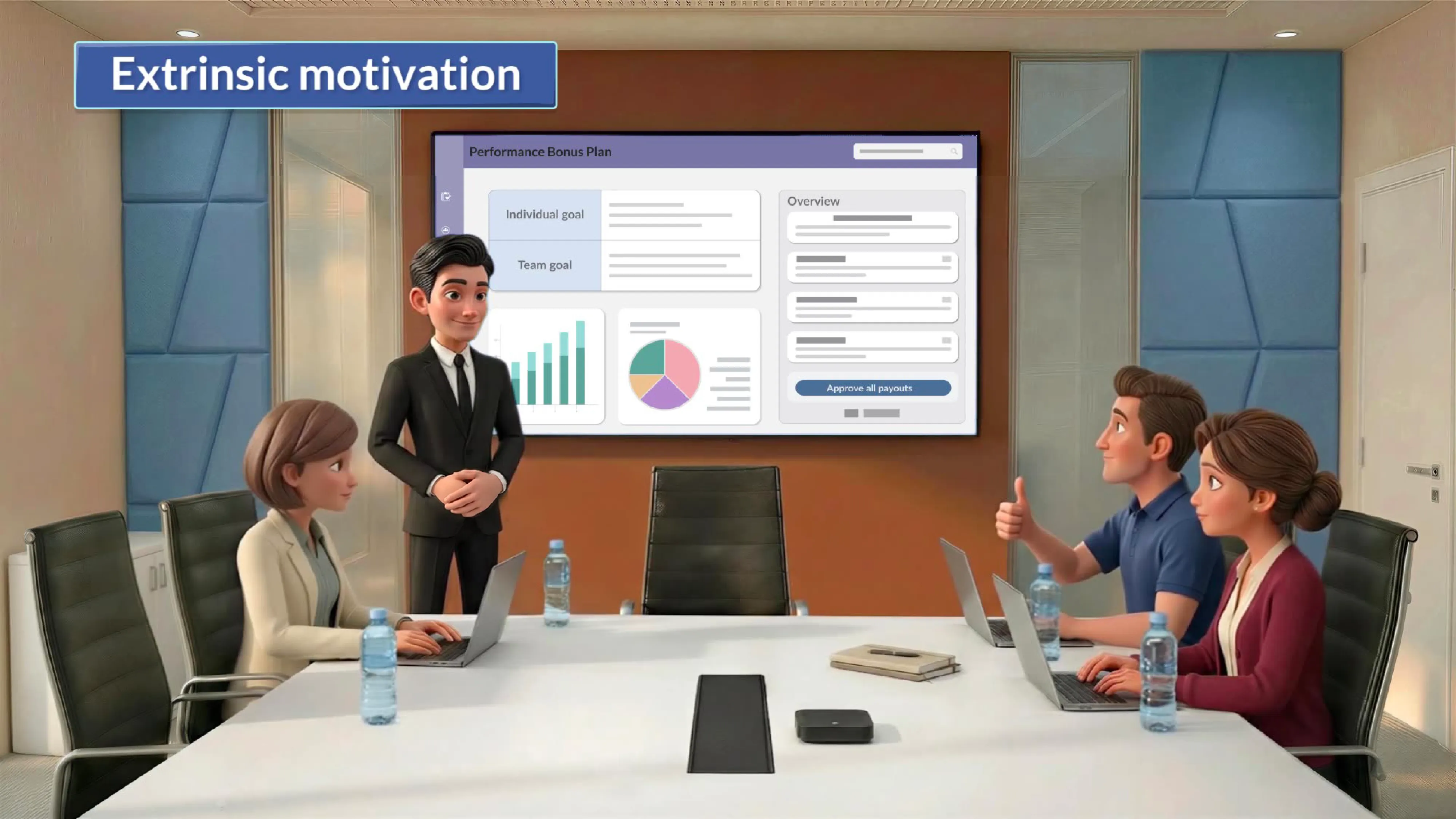
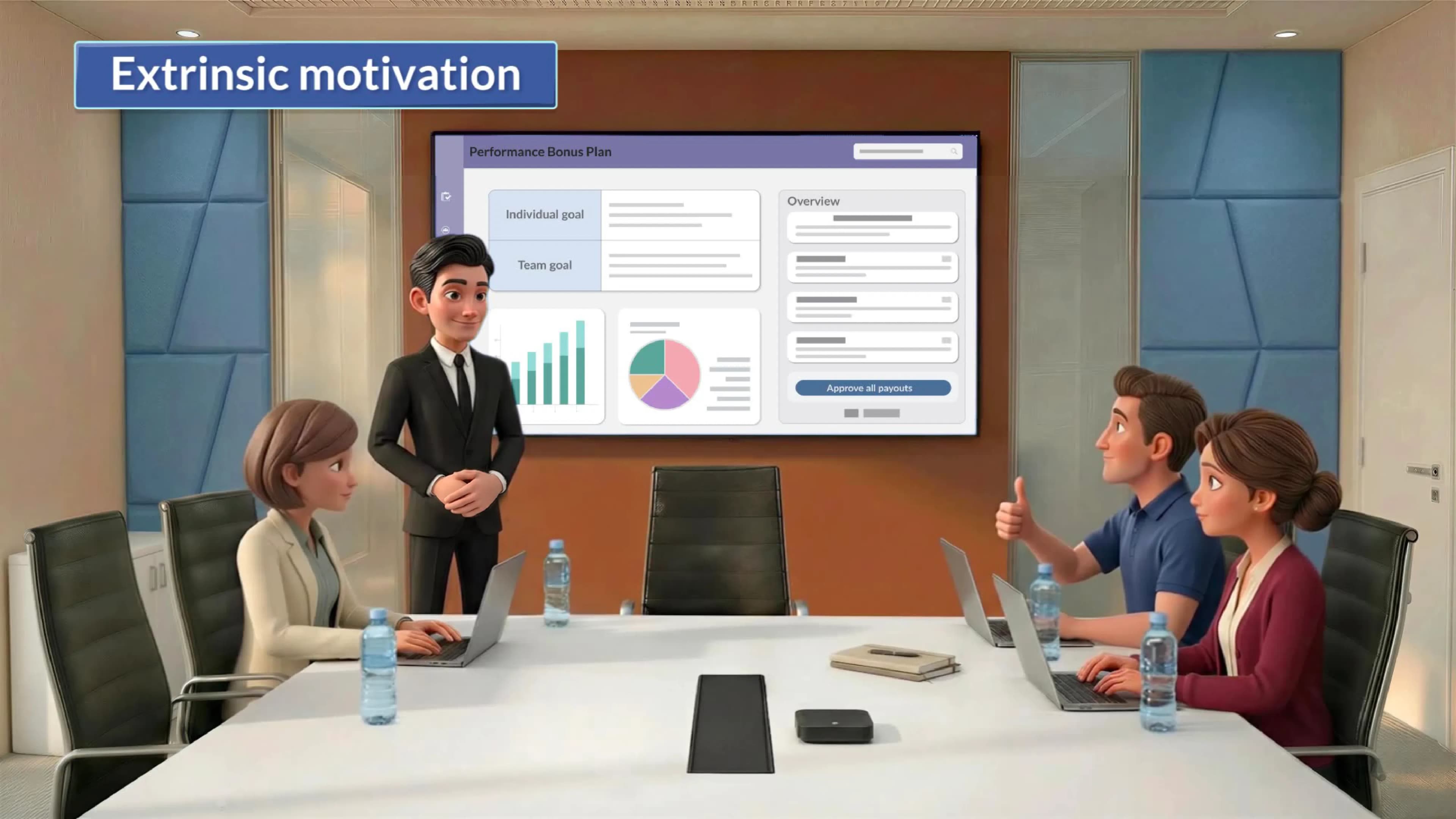
Extrinsic motivators, including incentives, recognition, and performance targets, prompt visible behavioral change in the near term. They work because they give people a clear, external reason to act. Explore how rewarding teams beyond monetary incentives can extend this effect across your team.
Intrinsic motivators, such as meaningful work, personal growth, and a sense of ownership, sustain effort well beyond any single reward cycle. They build commitment that persists even when external incentives are absent. Keeping motivation high after success often depends on these deeper, internal drivers.
A practical way to test extrinsic motivation is to introduce a visible incentive, such as announcing a monthly performance bonus, and observe whether it changes how team members work toward targets. Watching behavioral shifts in response to external rewards shows you which motivators your team responds to most readily. Consider recognizing and appreciating contributions as a complementary extrinsic approach.
Involving your team in decisions, such as letting them help plan the weekly workflow, lets you test whether ownership increases initiative and efficiency. When people shape their own work, they tend to invest more in the outcome. Creating rituals that inspire performance can reinforce this sense of shared ownership over time.
Related Micro-courses