Loading subject page…


21,637 views


Video Summary: What Is Pulse
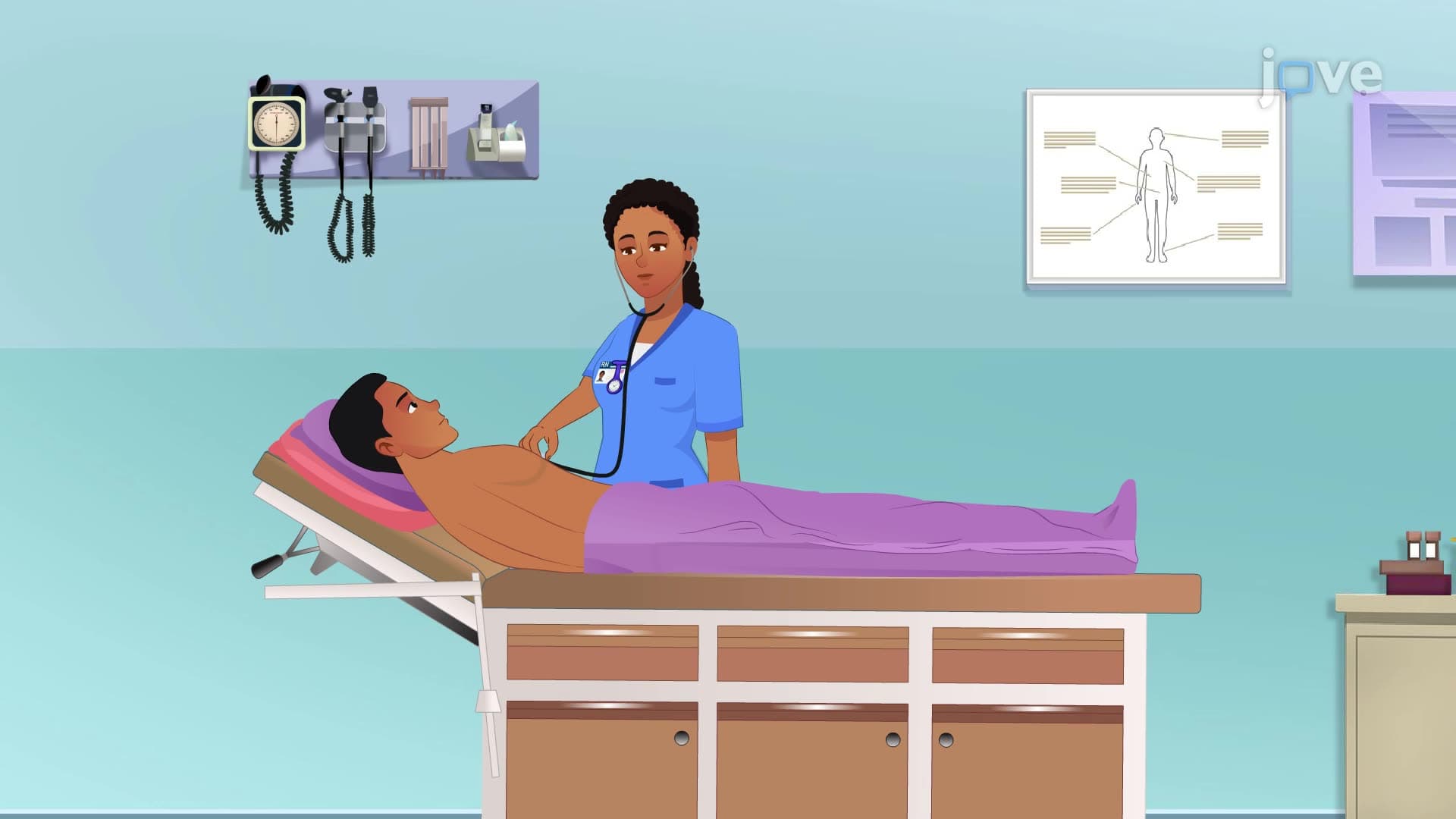
Ever wonder why healthcare workers at Johns Hopkins Hospital check your wrist during routine exams? Arterial pulse physiology reveals the heart's mechanical activity through wave-like sensations you can actually feel. What is pulse becomes clear when you understand it's your heart's stroke volume creating pressure waves that travel through arteries like the radial artery in your wrist. This cardiovascular mechanism allows medical professionals to assess heart rate, rhythm, and circulation status non-invasively. Watch the full video on JoVE Coach to master this concept with expert-led visuals and step-by-step explanations.
Arterial pulse physiology represents one of the most fundamental concepts in human biology, connecting cardiac mechanics to measurable clinical signs. The pulse serves as a direct window into cardiovascular function, allowing healthcare providers from EMTs to cardiologists to assess heart performance without invasive procedures.
The pulse originates from the heart's pumping mechanism, specifically the left ventricle's forceful contraction. When the sinoatrial (SA) node generates electrical impulses, ventricular contraction follows, ejecting stroke volume into the aorta. This blood volume creates a pressure wave that propagates through the arterial system at approximately 3-5 meters per second-much faster than actual blood flow velocity.
Pulse measurement explained biology involves understanding how arterial walls expand and recoil with each heartbeat. The elastic properties of arteries, particularly the aorta and large arteries, accommodate stroke volume during systole and maintain pressure during diastole. This creates the characteristic pulse wave pressure that travels peripherally to accessible locations like the radial, carotid, and femoral arteries.
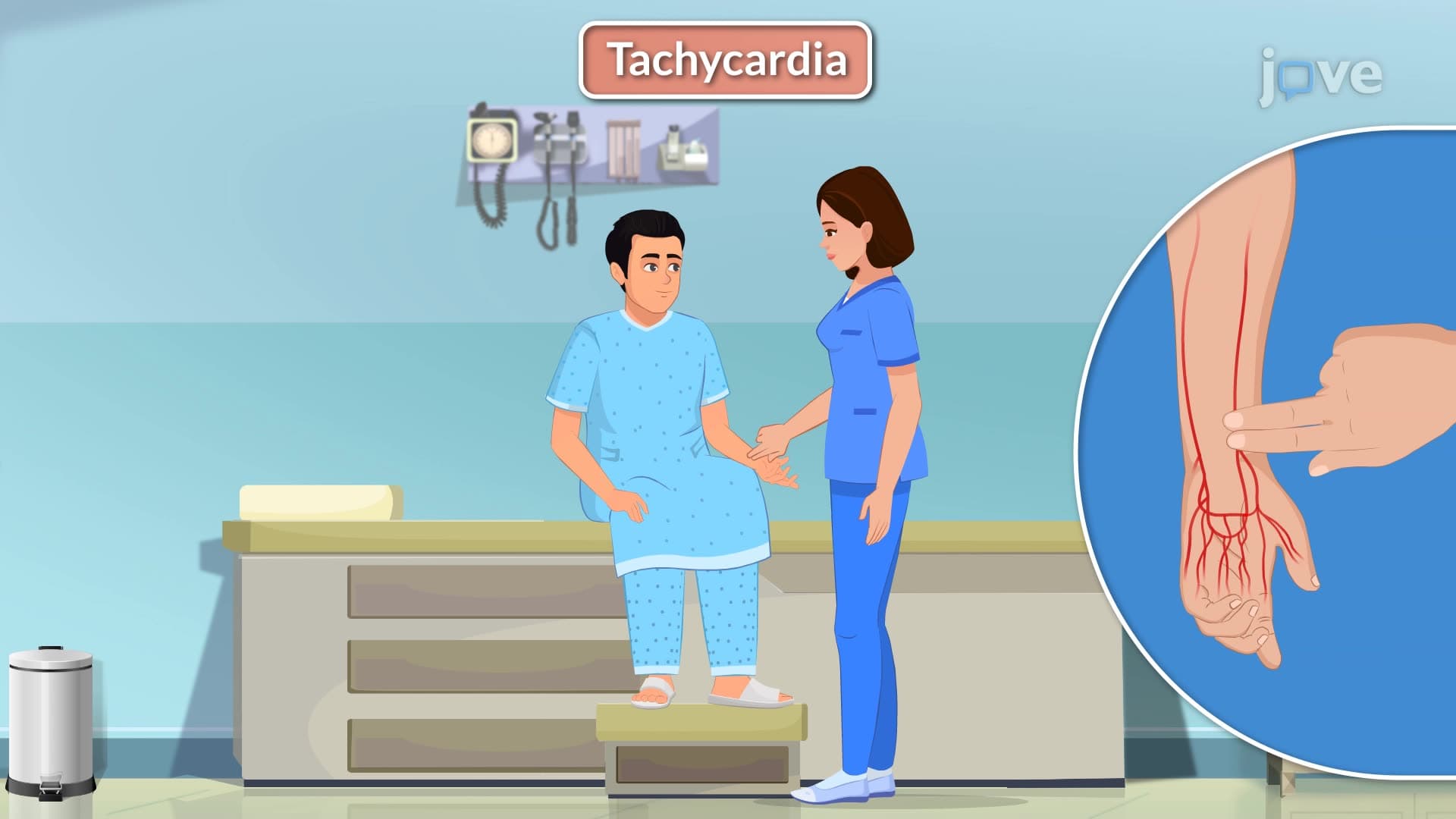
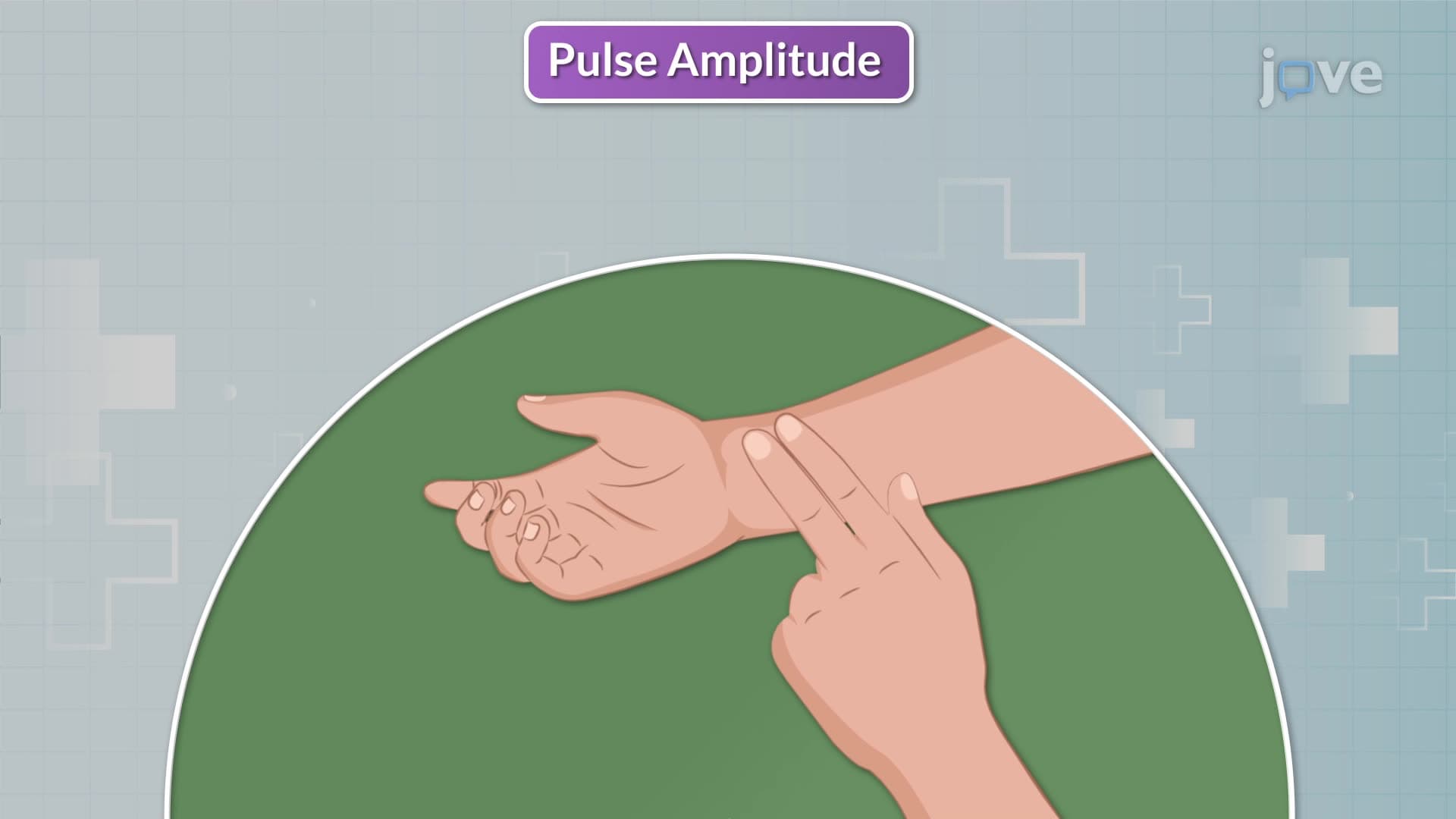
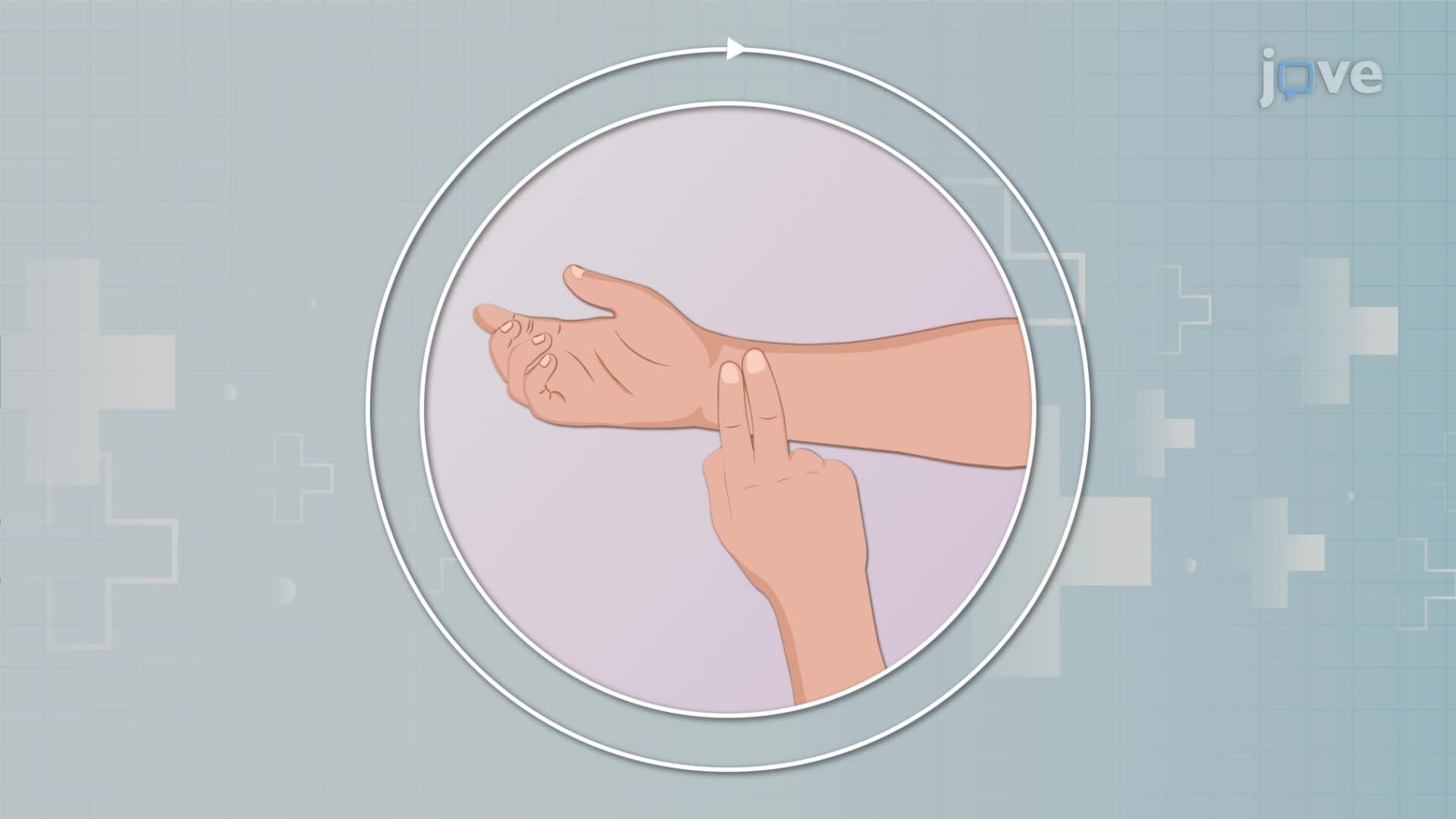
In US medical education, students learn pulse assessment as early as high school anatomy courses and refine techniques through college pre-health programs. The radial pulse measurement at the wrist remains the standard technique, requiring gentle compression against the radius bone to detect arterial pulsations.
What is pulse in cardiovascular physiology extends beyond simple counting. Healthcare professionals assess pulse amplitude pressure, rhythm regularity, and pulse pressure-the difference between systolic and diastolic pressures. Normal adult pulse rates range 60-100 beats per minute, with variations indicating potential cardiac conditions requiring further evaluation.
Students preparing for the MCAT, AP Biology exams, or nursing entrance tests like the HESI A2 must understand pulse rate heart rate relationships and cardiac output calculations. The formula Cardiac Output = Stroke Volume × Heart Rate appears frequently on standardized exams and connects pulse physiology to broader cardiovascular concepts.
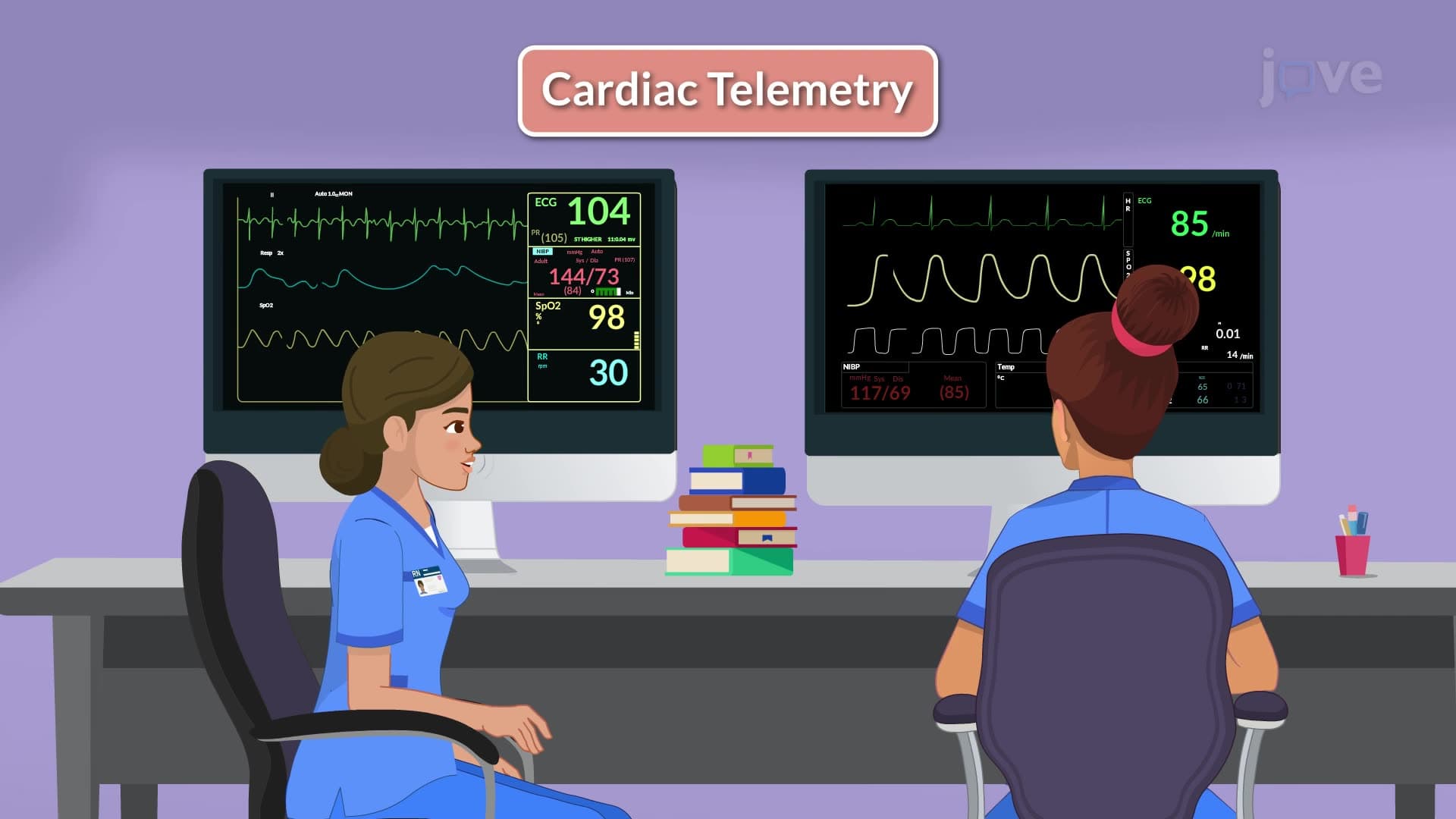
Clinical applications include monitoring patients during procedures at facilities like Mayo Clinic or Cleveland Clinic, where pulse changes indicate hemodynamic status. Emergency medical technicians rely on pulse assessment for rapid patient evaluation, while nurses use pulse monitoring for medication administration and patient safety protocols.
Related Micro-courses