Loading subject page…


21,638 views

Video Summary: What Is Pulse Amplitude and Quality
When a nurse checks your pulse at the doctor's office, they're not just counting beats-they're evaluating pulse amplitude quality to assess your heart's pumping strength and circulation health. This critical assessment technique helps healthcare professionals detect everything from dehydration to heart failure in patients across US hospitals and clinics. Understanding what is pulse amplitude and quality reveals how medical professionals grade pulses on a 0 to 4+ scale to evaluate cardiovascular function. Watch the full video on JoVE Coach to master this concept with expert-led visuals and step-by-step explanations.
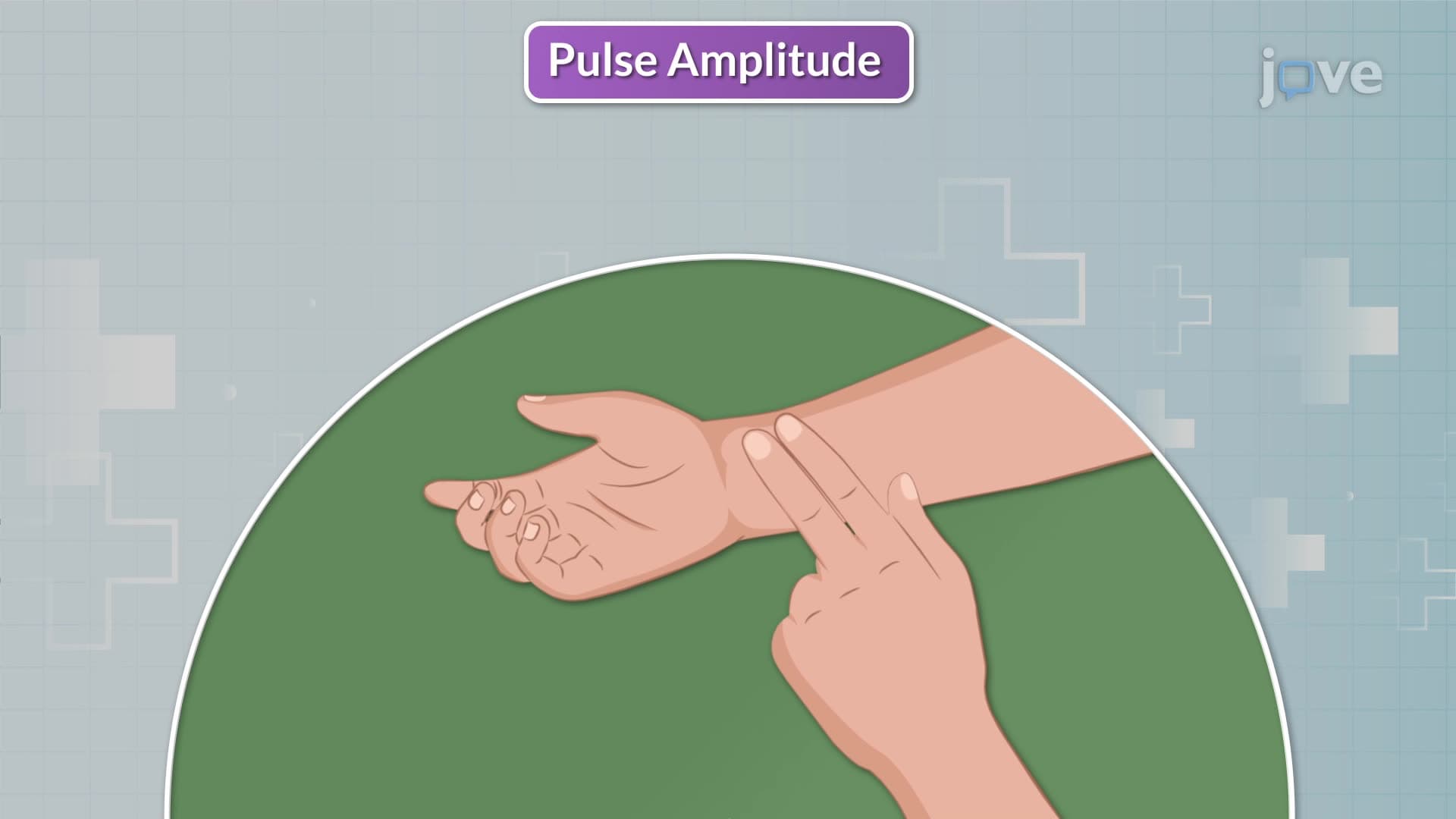
Pulse amplitude and quality represent fundamental cardiovascular assessment parameters that healthcare professionals use to evaluate heart function and circulatory health. The amplitude refers to the strength or volume of the pulse wave felt during palpation, while quality describes the characteristics of that pulse wave, including its consistency, strength, and how it responds to applied pressure.
This assessment technique measures the effectiveness of left ventricular contraction-the heart's main pumping chamber-and indicates how uniformly blood circulates through the vascular system. When the left ventricle contracts strongly, it generates a robust pulse wave that travels through arteries, creating palpable pulses at superficial arterial locations.
The standardized grading system ranges from 0 to 4+, providing consistent terminology across US healthcare facilities. A grade of 0 indicates complete absence of palpable pulse, often seen in severe shock or arterial occlusion. The 1+ grade describes a thready pulse-barely detectable and easily obliterated by light pressure-commonly found in patients with significant blood loss or severe dehydration.
A 2+ pulse appears weak but stronger than thready, disappearing with light pressure, while 3+ represents normal pulse amplitude that most healthy individuals exhibit. The 4+ bounding pulse feels unusually strong and persists even with moderate pressure, potentially indicating conditions like hypertension, fever, or hyperthyroidism.
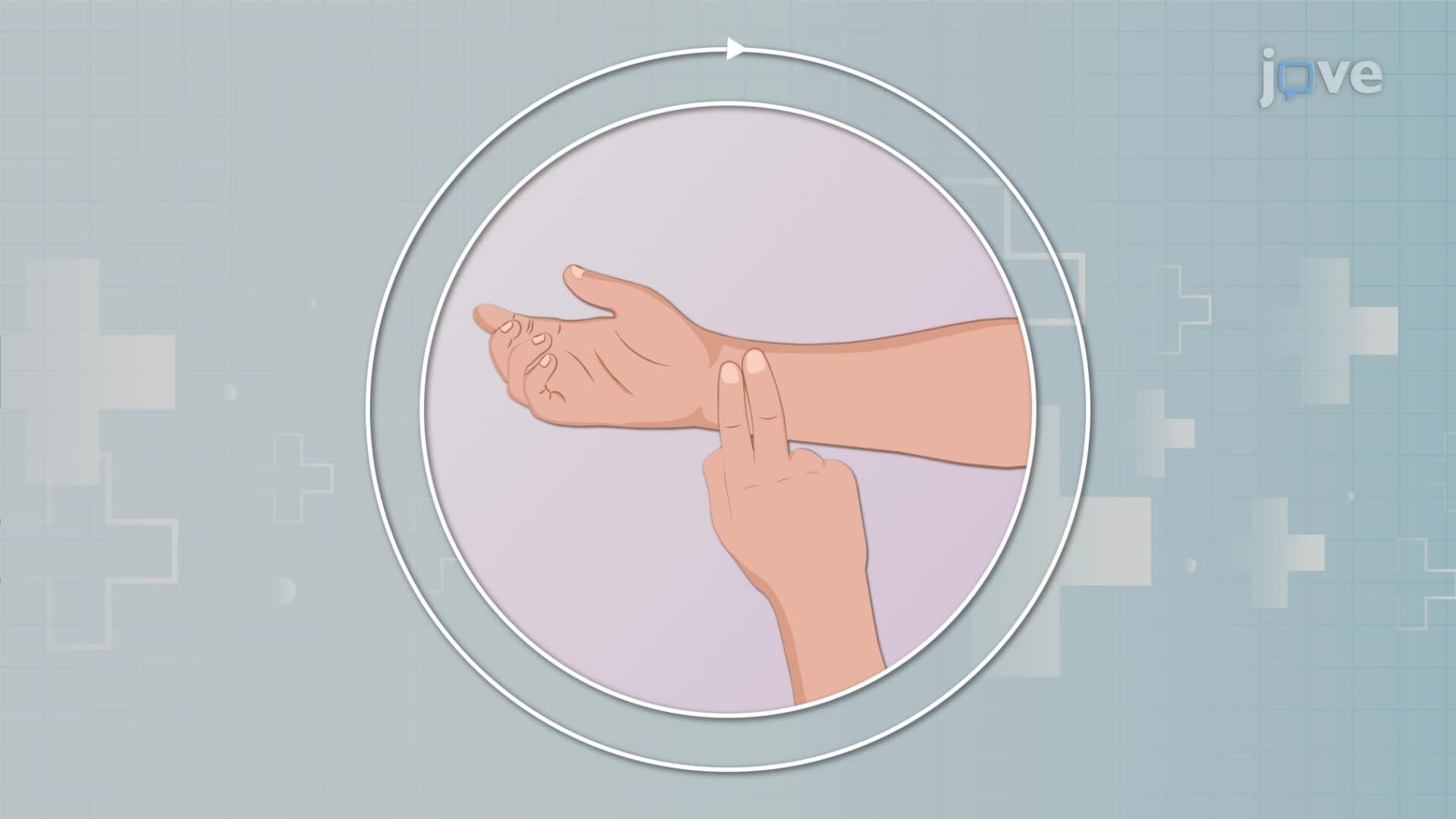
Healthcare professionals assess pulse quality at multiple anatomical sites where arteries run close to the skin surface. The carotid pulse in the neck provides strong central circulation information, while radial pulses at the wrist offer convenient peripheral assessment. The dorsalis pedis pulse on the foot's dorsum helps evaluate lower extremity circulation, particularly important for diabetic patients who may develop peripheral vascular disease.
This multi-site assessment approach appears frequently in MCAT cardiovascular system questions and NCLEX nursing examinations, where students must demonstrate understanding of proper palpation techniques and clinical interpretation.
Emergency departments across the United States rely heavily on pulse amplitude assessment for rapid patient triage. A weak, thready pulse might indicate shock requiring immediate intervention, while a bounding pulse could suggest hypertensive crisis. Nurses in intensive care units monitor pulse quality changes to detect early signs of hemodynamic instability, making this skill essential for HESI A2 and TEAS exam success.
Related Micro-courses