Loading video…


 12 Concepts
 21.6K views

Video Summary: What Is Regulation of Pulse
Ever wondered why your heart races before a big test but slows during meditation? The regulation pulse system controls this through your autonomic nervous system, which automatically adjusts your heart rate without conscious thought. When a college student experiences test anxiety at UCLA, their sympathetic nervous system releases norepinephrine to increase pulse rate, while deep breathing activates the parasympathetic system to slow it down. Watch the full video on JoVE Coach to master this concept with expert-led visuals and step-by-step explanations.
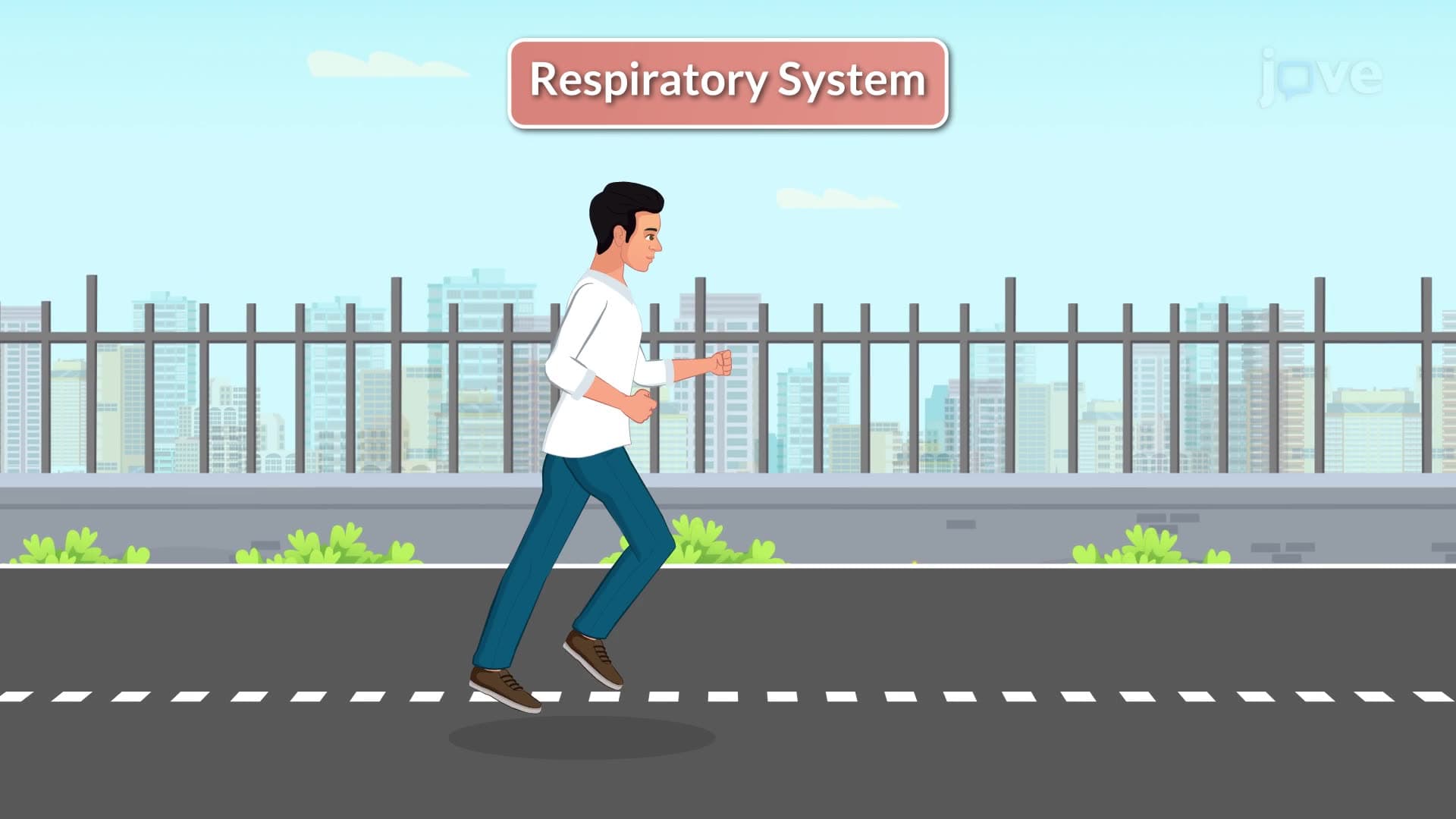
The regulation of pulse represents one of the most sophisticated automatic control systems in human physiology. This intricate mechanism ensures your cardiovascular system adapts instantly to changing demands, from climbing stairs at your high school to running marathons. The sinoatrial (SA) node, located in the right atrium, serves as the heart's natural pacemaker, generating electrical impulses that coordinate each heartbeat.
The autonomic nervous system orchestrates pulse regulation through two opposing branches. The parasympathetic system, primarily through the vagus nerve, releases acetylcholine to decrease heart rate and contractile force. This "rest and digest" response activates during calm periods, like studying for AP Biology exams. Conversely, the sympathetic system releases norepinephrine and epinephrine, increasing both heart rate and contractility during stress responses-crucial when students face standardized tests like the MCAT or NCLEX.
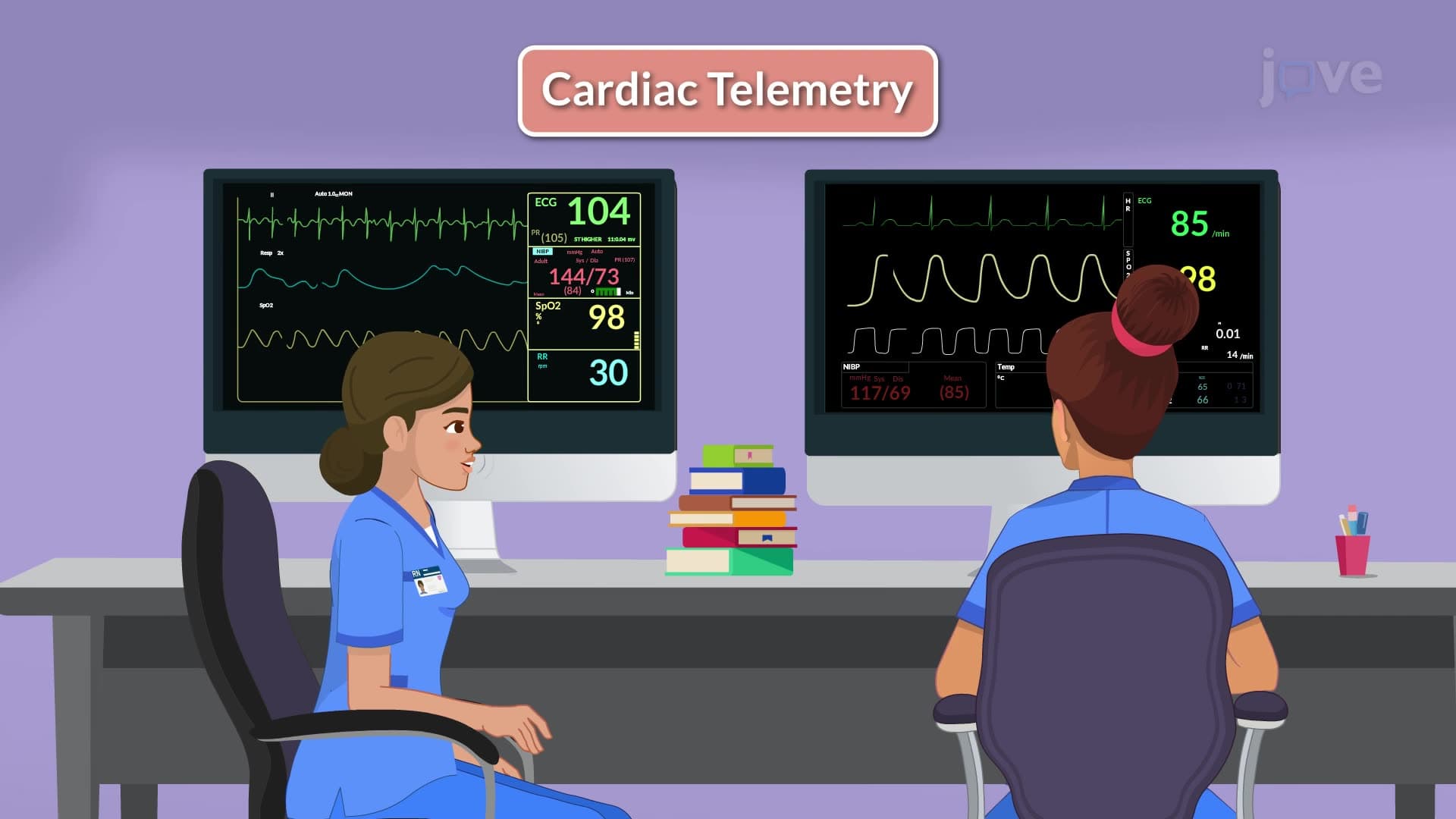
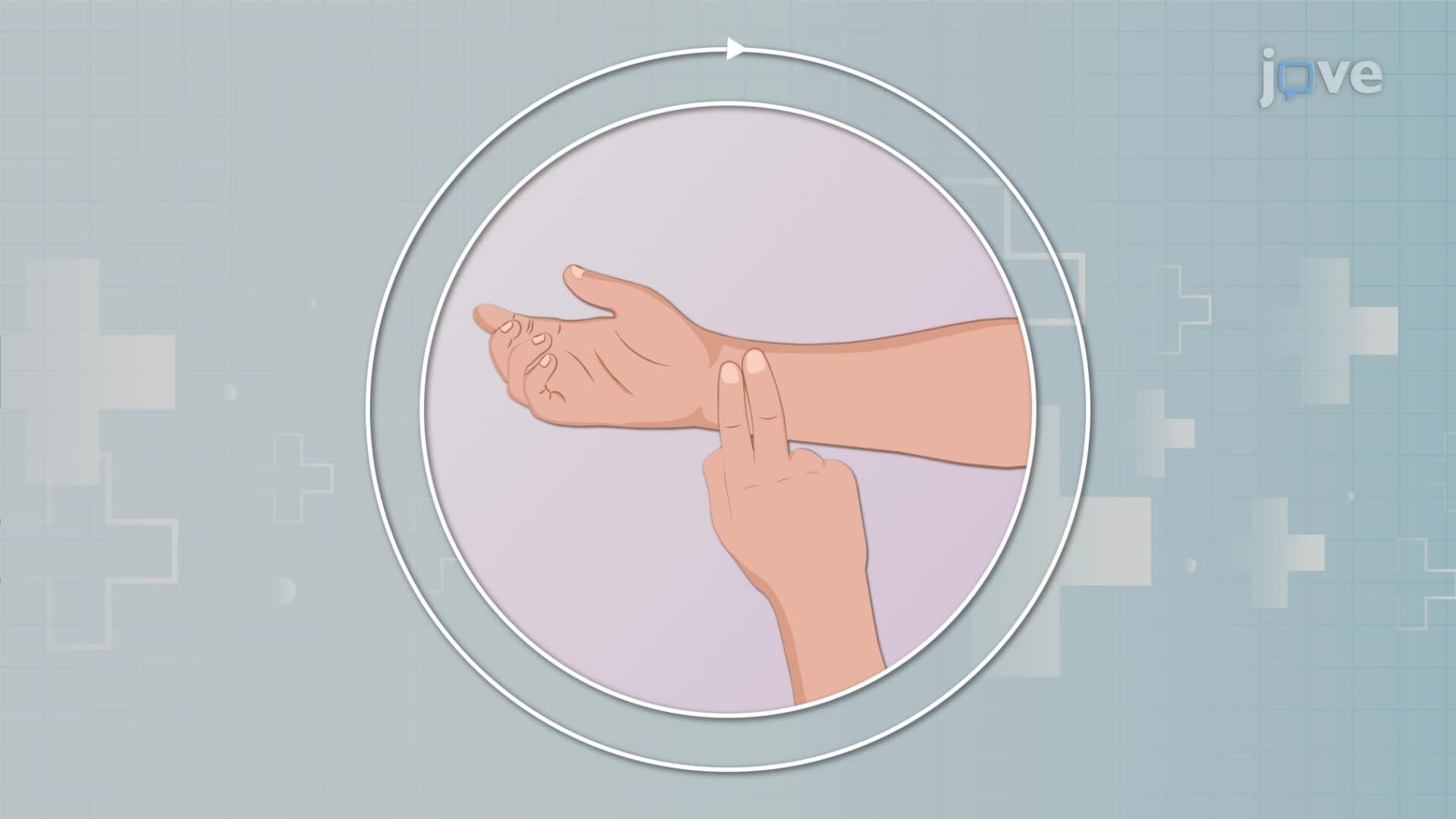
Healthcare professionals evaluate four critical pulse characteristics during patient assessment. Pulse rate measures heartbeats per minute, with normal adult ranges between 60-100 bpm. Tachycardia (>100 bpm) often indicates stress, fever, or cardiovascular issues, while bradycardia (<60 bpm) may suggest athletic conditioning or cardiac problems. Pulse rhythm refers to the regularity of heartbeat intervals, with dysrhythmia indicating potentially serious cardiac arrhythmias that require immediate medical attention.
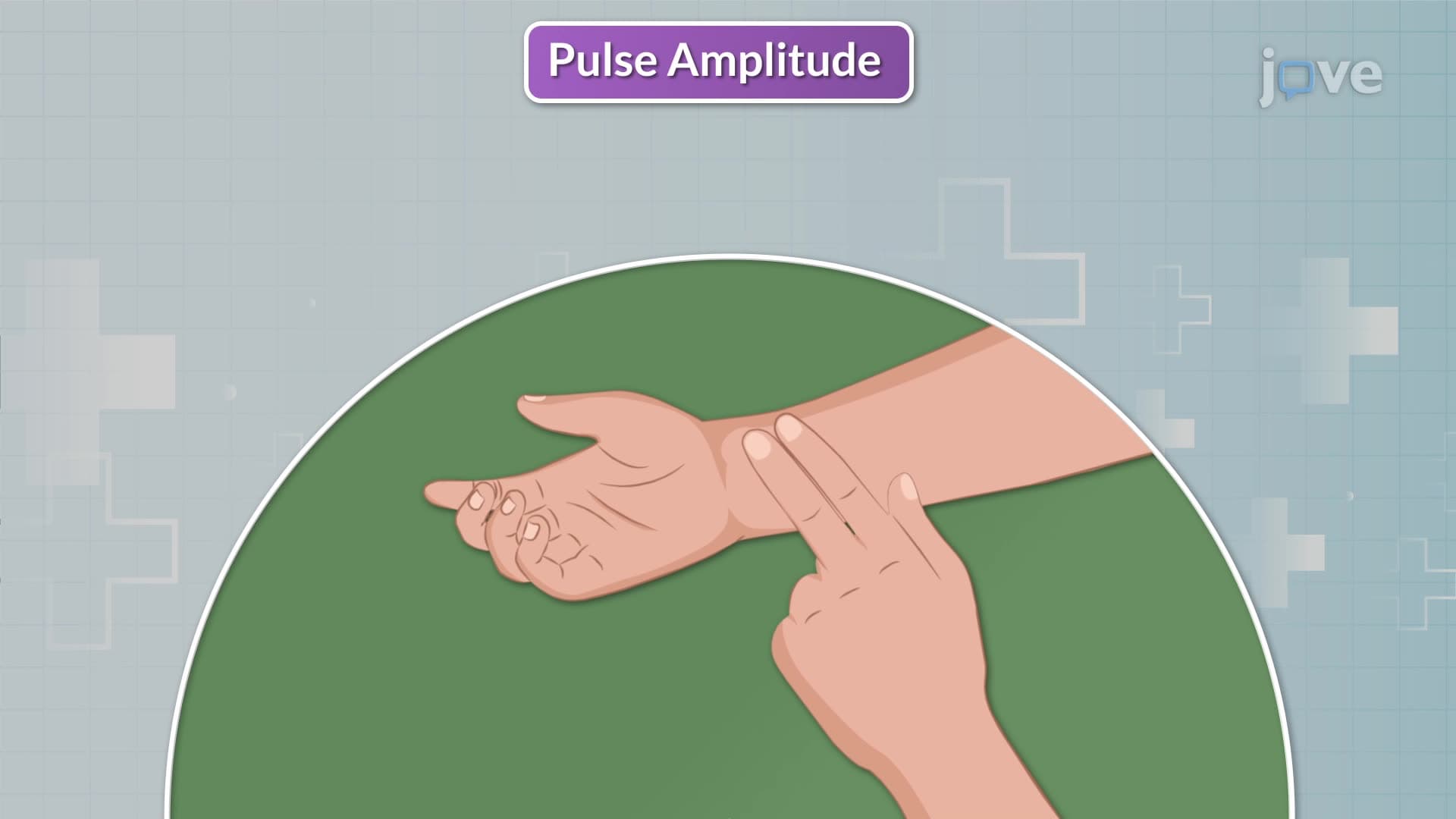
Pulse volume assessment helps clinicians evaluate circulation effectiveness. A strong pulse indicates robust cardiac output, while weak or thready pulses suggest reduced circulation or shock conditions. Bounding pulses may indicate hypertension or hyperthyroidism. Equality assessment compares bilateral pulses-differences between left and right radial pulses could indicate arterial blockages or circulation problems. These skills prove essential for nursing students preparing for HESI A2 or TEAS exams, where cardiovascular assessment scenarios frequently appear.
Understanding regulation pulse concepts directly applies to college-level anatomy and physiology courses, appearing regularly on midterm examinations and clinical practicum evaluations throughout healthcare education programs.
Related Micro-courses