Loading subject page…


59,017 views

Video Summary: Concepts of Health and Illness Explained
Did you know that the CDC estimates 60% of American adults live with at least one chronic disease, yet many still consider themselves healthy? The concepts of health and illness extend far beyond simply being disease-free, encompassing physical, mental, and social well-being in complex ways. For instance, a college student managing diabetes through proper medication and lifestyle choices may experience excellent overall health despite having a chronic condition. Understanding these concepts of health and illness explained through various theoretical models helps healthcare professionals and patients alike navigate the spectrum of wellness. Watch the full video on JoVE Coach to master this concept with expert-led visuals and step-by-step explanations.
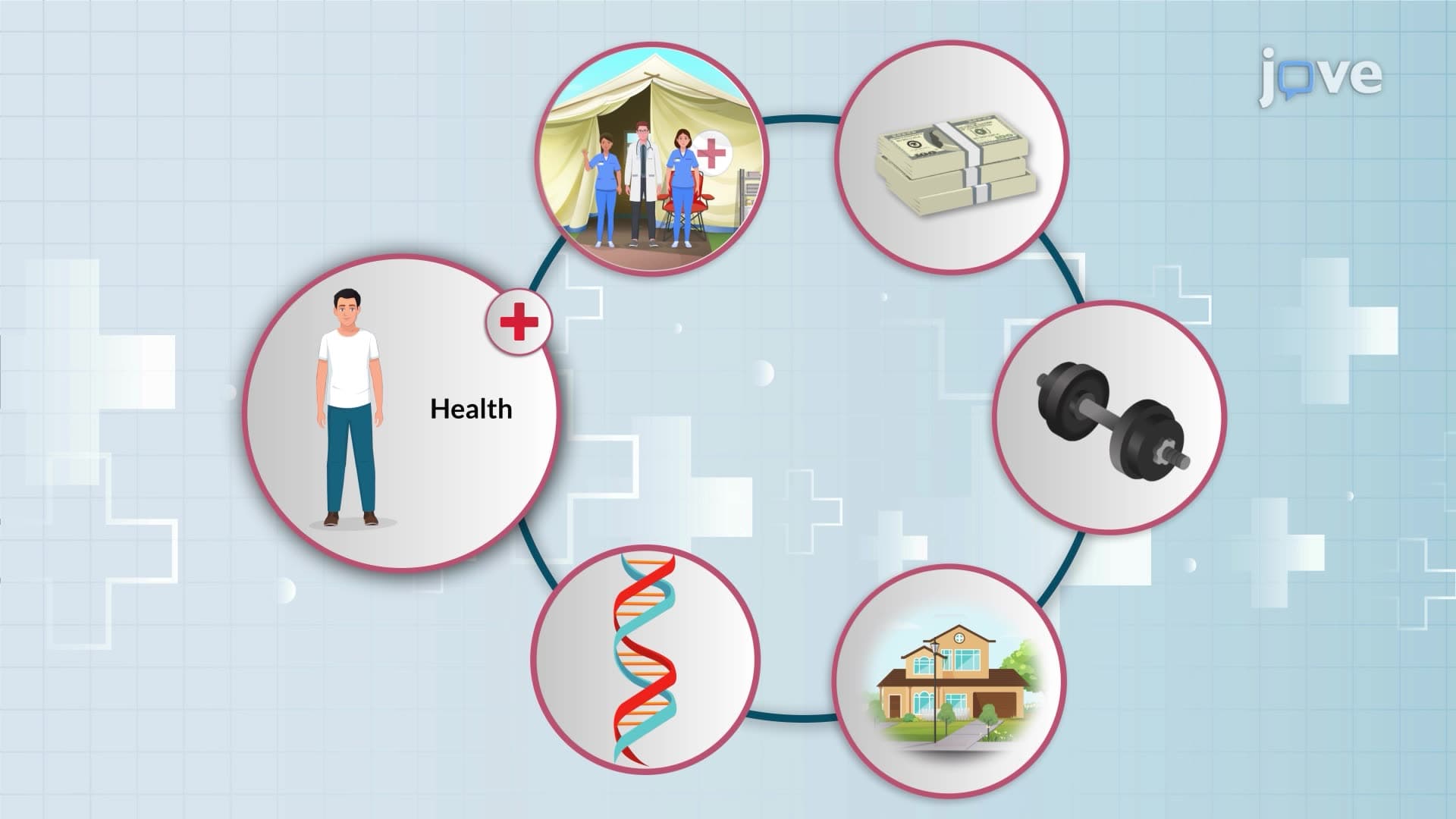
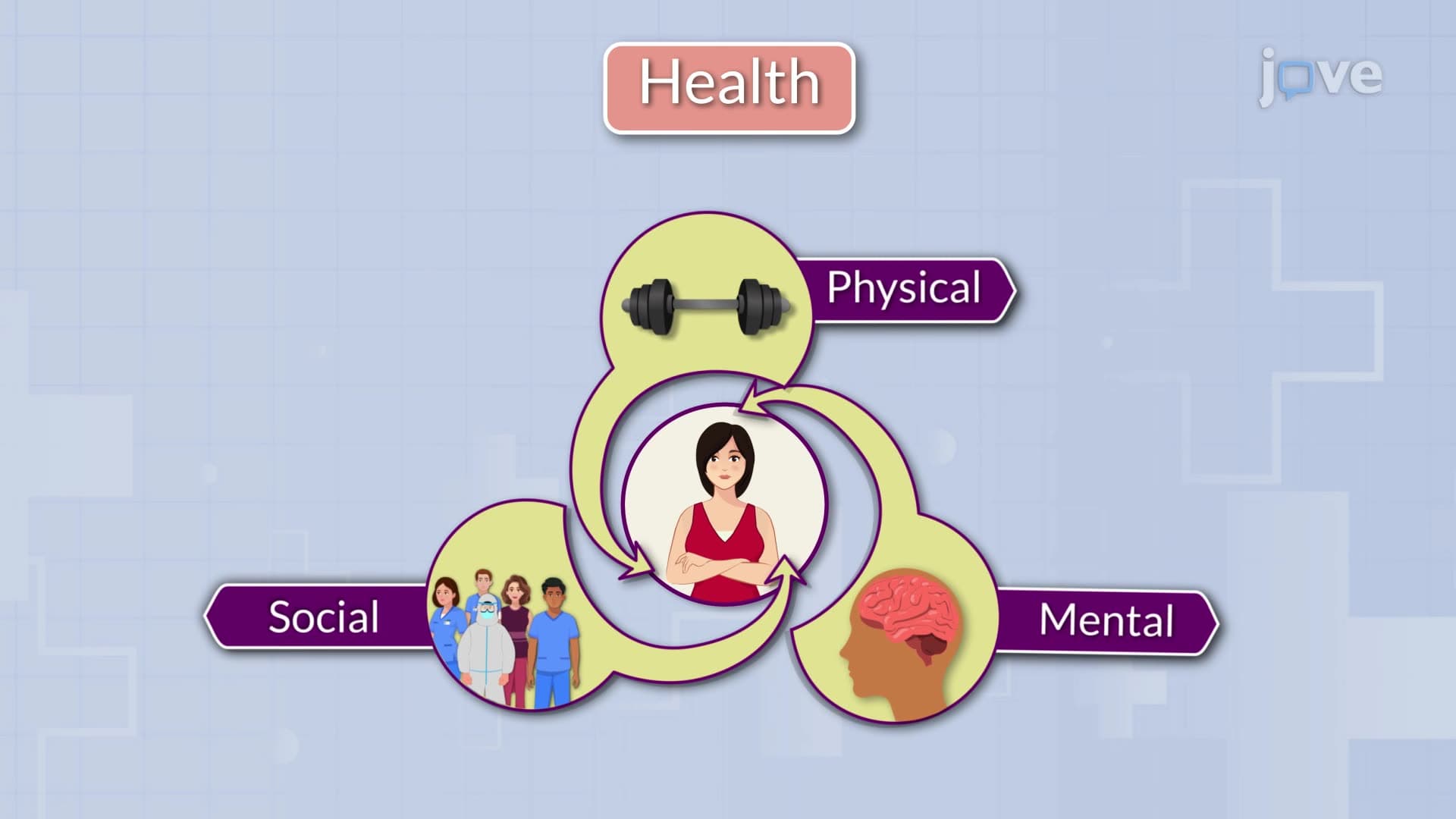
The modern understanding of health has evolved significantly from the traditional medical model that simply defined health as the absence of disease. Today's concepts of health and illness encompass a holistic view that recognizes the dynamic interplay between physical, mental, and social well-being. This comprehensive approach is essential for students preparing for healthcare careers and appears frequently on exams like the MCAT, NCLEX, and AP Psychology.
The Health Belief Model, developed by social psychologists in the 1950s, remains one of the most widely used frameworks in public health. This model focuses on individual perceptions that drive health-related behaviors. The three core components include perceived susceptibility (how likely someone believes they are to get a condition), perceived seriousness (how severe they view the consequences), and perceived benefits minus perceived barriers to taking action.
For example, during the COVID-19 pandemic, Americans who perceived themselves as highly susceptible to severe illness were more likely to adopt protective behaviors like mask-wearing and vaccination. This model helps explain why some college students might skip flu vaccinations despite campus health campaigns, they may perceive low susceptibility or minimal seriousness of consequences.
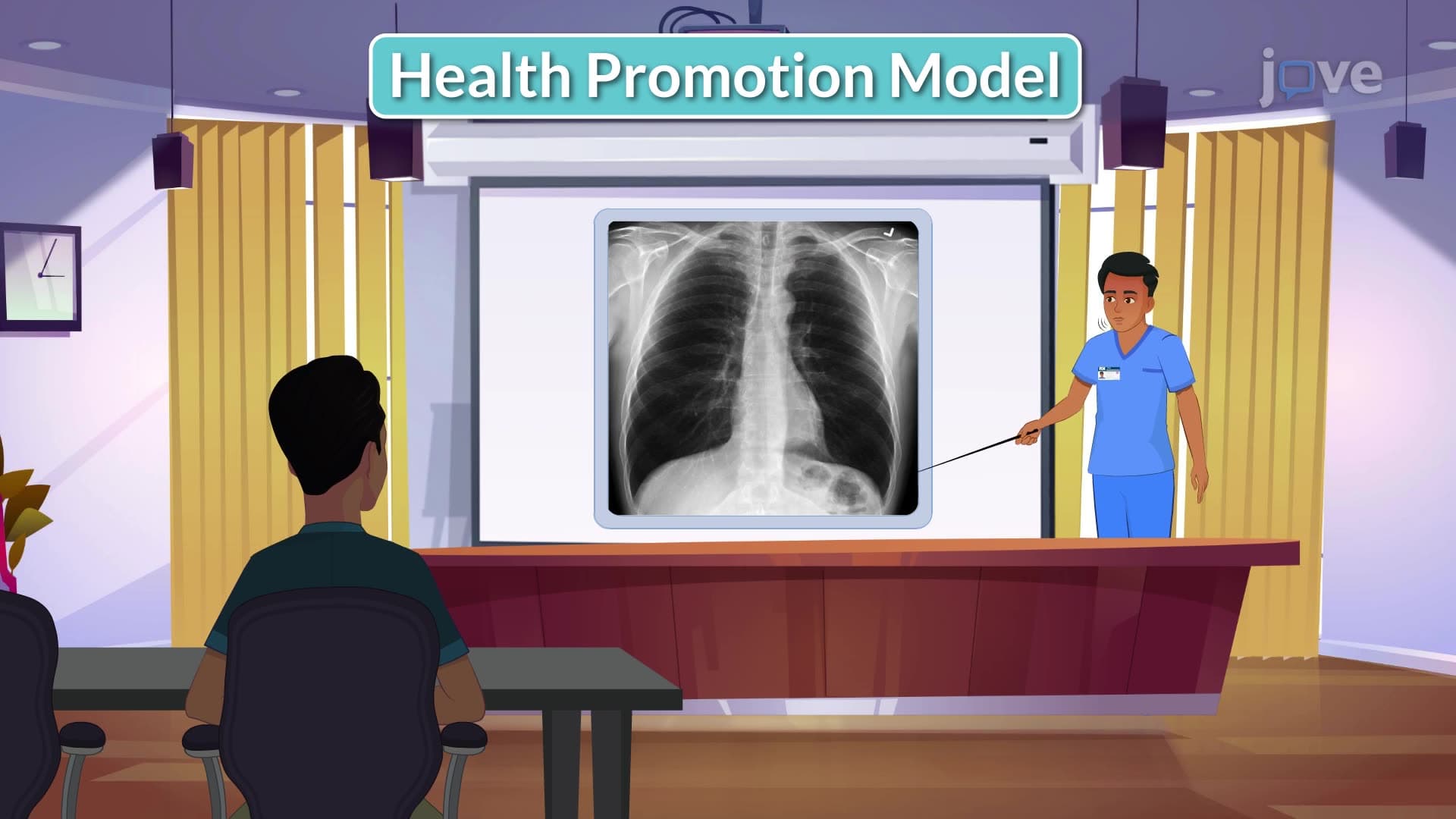
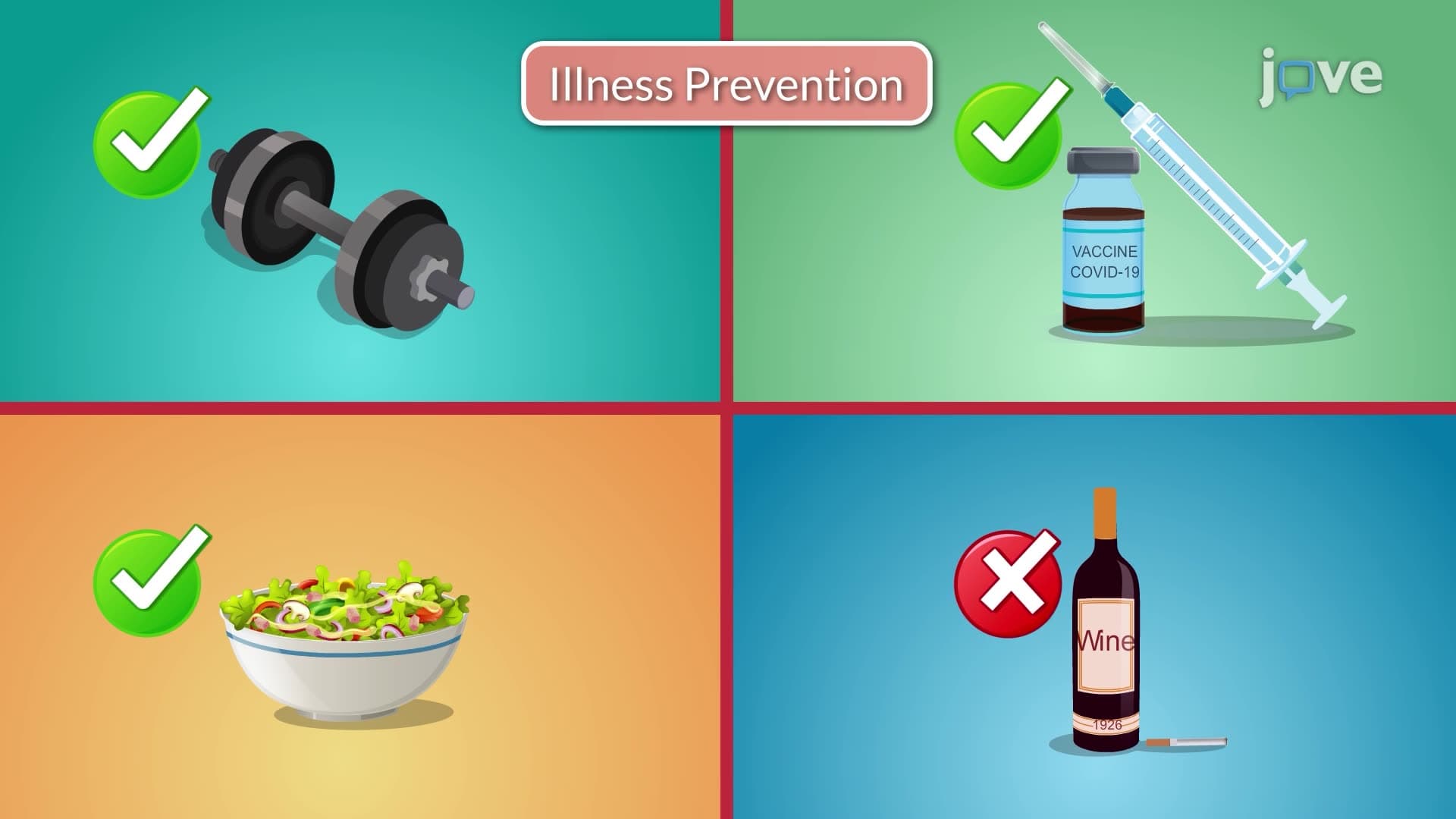
The Health Promotion Model expands beyond individual beliefs to encompass broader strategies for maintaining wellness. Its three pillars, health education, illness prevention, and health protection, work synergistically to optimize population health. Health education involves teaching individuals about healthy behaviors, while illness prevention focuses on specific interventions to avoid disease onset. Health protection encompasses environmental and policy measures that safeguard community health.
American universities exemplify this model through comprehensive campus wellness programs that combine nutritional education workshops, preventive screenings like annual physicals, and protective policies such as smoke-free campuses.
Perhaps the most practical model for everyday application is the Health-Illness Continuum, which views health as a constantly changing state along a spectrum. Unlike static models, this framework acknowledges that individuals move dynamically between different levels of wellness based on various factors. Students can progress toward optimal health through awareness, education, and personal growth, even while managing chronic conditions.
This model particularly resonates in college health centers, where students might experience varying levels of wellness throughout the semester due to stress, lifestyle choices, and academic pressures. Understanding this continuum helps both students and healthcare providers develop realistic, adaptive health goals.
Related Micro-courses