Loading subject page…


59,017 views

Video Summary: Health Promotion Models and Illness Prevention Frameworks I
Did you know that predicting whether someone will get a flu vaccine involves understanding their personal beliefs about disease risk? Models of health promotion and illness prevention I provide frameworks that healthcare professionals use to understand and predict health behaviors. For instance, the CDC applies these models when designing campaigns to increase vaccination rates among college students. Health Promotion Models and Illness Prevention Frameworks I encompass theoretical approaches like the Health Belief Model and Health Promotion Model that explain why people make specific health choices. Watch the full video on JoVE Coach to master this concept with expert-led visuals and step-by-step explanations.
Health Promotion Models and Illness Prevention Frameworks I represent essential theoretical foundations that explain how and why people engage in health-protective behaviors. These models serve as roadmaps for healthcare professionals, public health officials, and researchers to design effective interventions and predict behavioral outcomes.
The Health Belief Model (HBM), developed in the 1950s by social psychologists at the U.S. Public Health Service, remains one of the most widely used frameworks in health psychology. This model operates on the premise that health-related actions depend on three critical perceptions.
First, perceived susceptibility reflects how vulnerable individuals believe they are to a specific health condition. For example, a college student's decision to get tested for sexually transmitted infections depends largely on their perception of personal risk based on their behaviors and circumstances.
Second, perceived severity encompasses both the medical consequences and social implications of a health threat. Students preparing for the MCAT often encounter questions about how perceived severity influences health decisions, such as a person's willingness to undergo cancer screening based on their understanding of potential outcomes.
Third, the benefits-barriers calculation involves weighing the perceived advantages of taking action against the obstacles or costs involved. This component explains why some individuals avoid preventive care despite understanding the risks-the barriers (cost, time, fear) outweigh the perceived benefits.
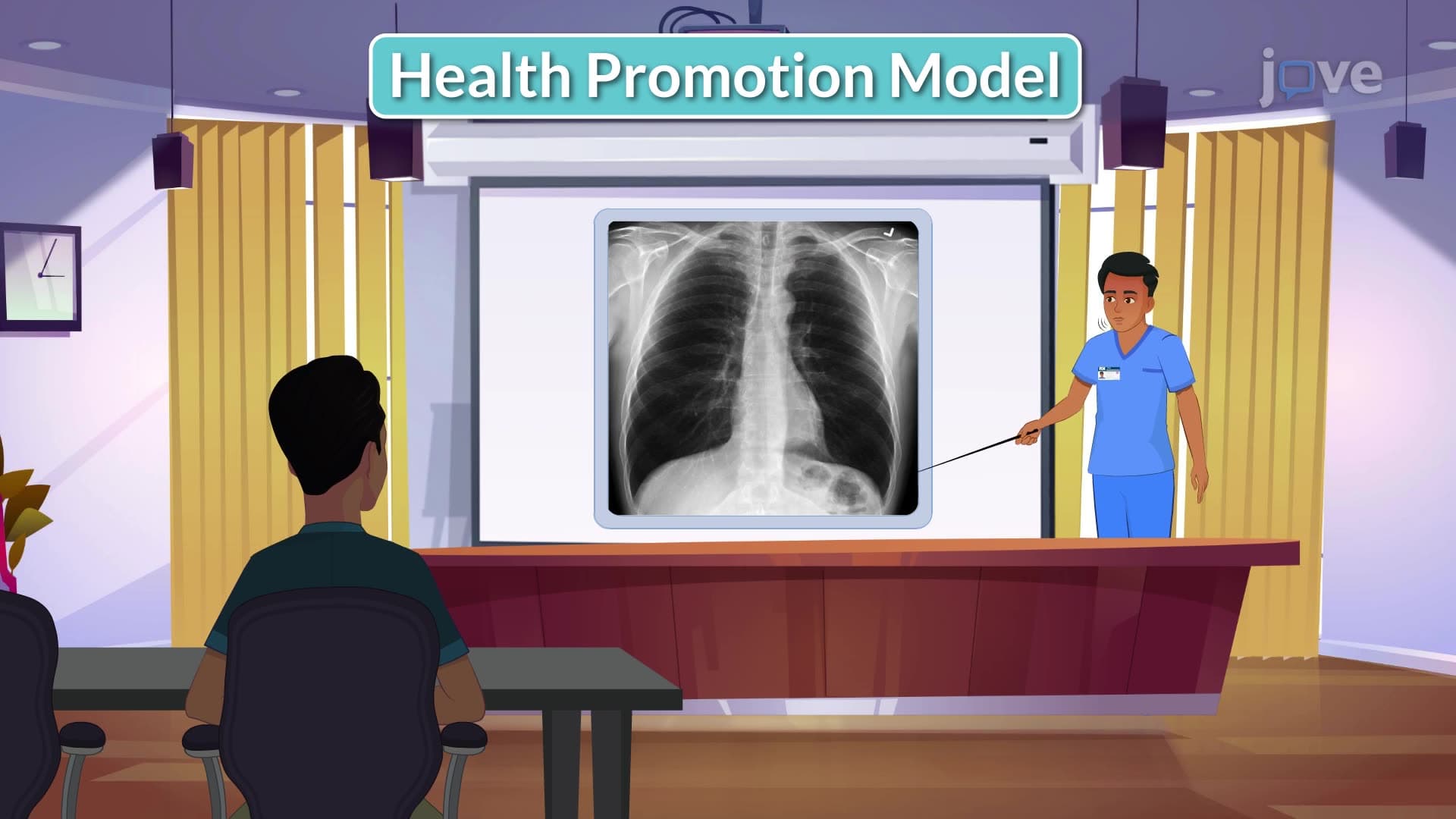
Nola Pender's Health Promotion Model (HPM) takes a more comprehensive approach, emphasizing positive health outcomes rather than disease avoidance. This model recognizes that health behaviors result from complex interactions between individuals and their environments.
The HPM's individual characteristics and experiences component acknowledges that prior behaviors and personal factors significantly influence future health choices. For instance, a high school athlete's previous positive experiences with regular physical activity increase the likelihood of maintaining exercise habits into adulthood.
Behavior-specific cognitions and affect focus on the beliefs and feelings directly related to specific health behaviors. This component is particularly relevant for AP Psychology students studying motivation and behavior change, as it explains how expectations about outcomes drive decision-making.
These models guide real-world interventions across the United States. The CDC uses HBM principles in designing vaccination campaigns, addressing perceived barriers like vaccine hesitancy while emphasizing personal susceptibility and severity. Similarly, college health centers apply HPM concepts when creating wellness programs that consider students' individual characteristics and campus environmental factors.
Understanding these frameworks proves essential for students pursuing healthcare careers, as NCLEX and HESI A2 exams frequently test knowledge of health promotion theories and their applications in patient care.
Related Micro-courses