Loading subject page…


59,017 views

Video Summary: Health Promotion Models and Illness Prevention Frameworks Ii
Did you know that your health status changes constantly throughout each day, moving along an invisible spectrum between wellness and illness? Models of health promotion and illness prevention II explore this dynamic relationship through frameworks that help us understand how diseases develop and spread. For example, the CDC uses the agent-host-environment model to track outbreaks like foodborne illnesses at school cafeterias across the United States. Watch the full video on JoVE Coach to master this concept with expert-led visuals and step-by-step explanations.
Health Promotion Models and Illness Prevention Frameworks II represent advanced conceptual tools that healthcare professionals and public health experts use to understand, predict, and prevent disease while promoting optimal wellness. These frameworks move beyond basic health concepts to explore the dynamic, ever-changing nature of human health status and the complex interactions that determine whether individuals and communities thrive or face health challenges.
The health-illness continuum model revolutionizes how we think about health by presenting it as a fluid spectrum rather than a binary state. Unlike traditional models that classify people as simply "healthy" or "sick," this framework recognizes that health exists on a continuous scale. Individuals constantly move along this spectrum based on various internal and external factors.
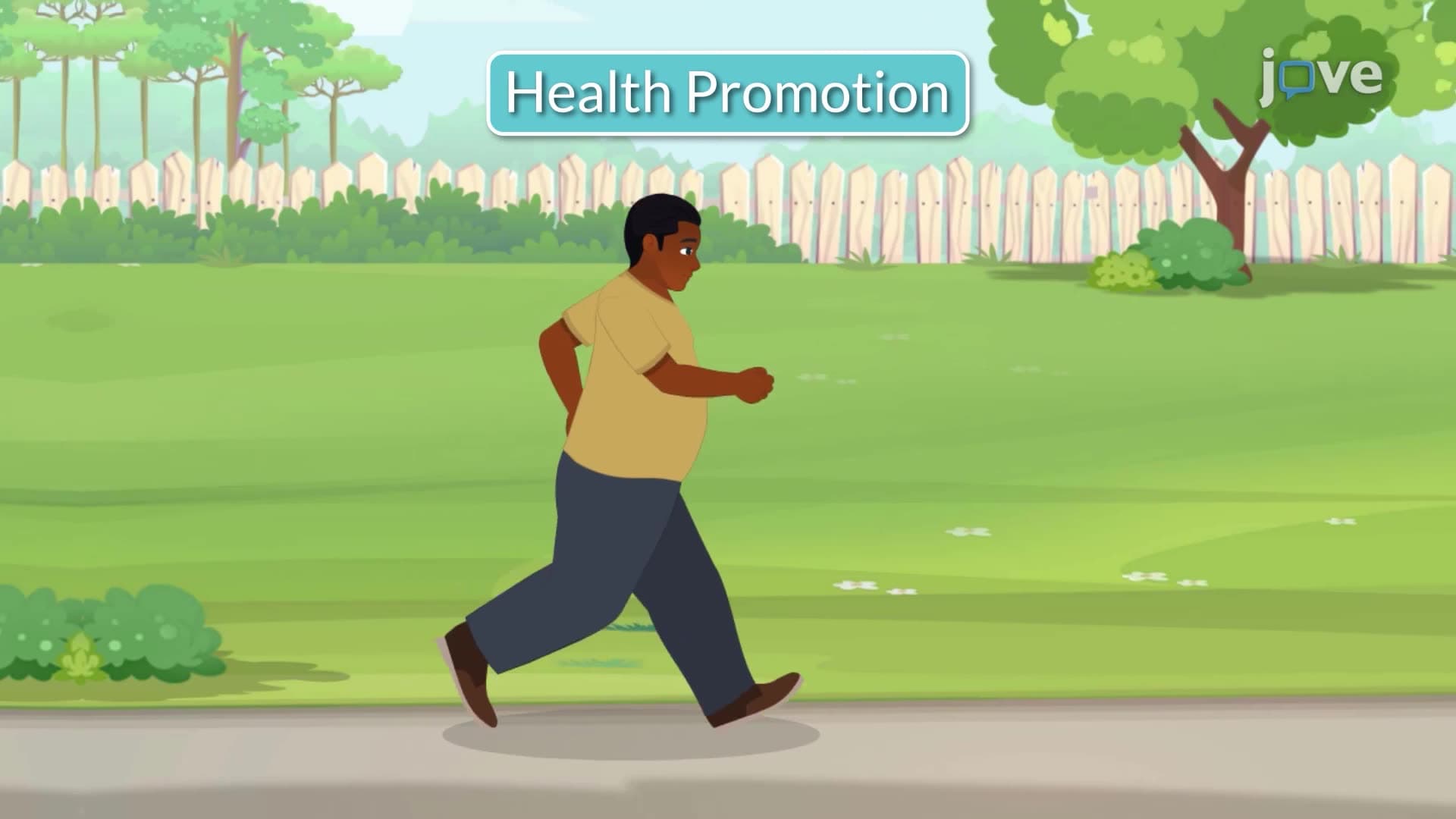
Movement toward the wellness end of the continuum occurs through health-promoting behaviors such as regular exercise, balanced nutrition, stress management, and preventive healthcare. For instance, a high school student who starts a regular fitness routine and improves their sleep habits moves toward higher wellness levels. Conversely, movement toward the illness end can begin subtly with fatigue, poor dietary choices, or chronic stress, potentially progressing through recognizable symptoms, functional limitations, and in severe cases, premature death.
This model proves particularly valuable for AP Biology students studying homeostasis and for pre-med students preparing for the MCAT, as it demonstrates how biological systems maintain balance while responding to internal and external challenges. College health courses frequently use this framework to help students understand their own health behaviors and make informed lifestyle choices.
The agent-host-environment model, also known as the epidemiological triangle, provides a systematic approach to understanding how diseases develop and spread. This framework proves essential for students pursuing careers in public health, nursing, or medicine, and appears frequently on exams like the NCLEX-RN and HESI A2.
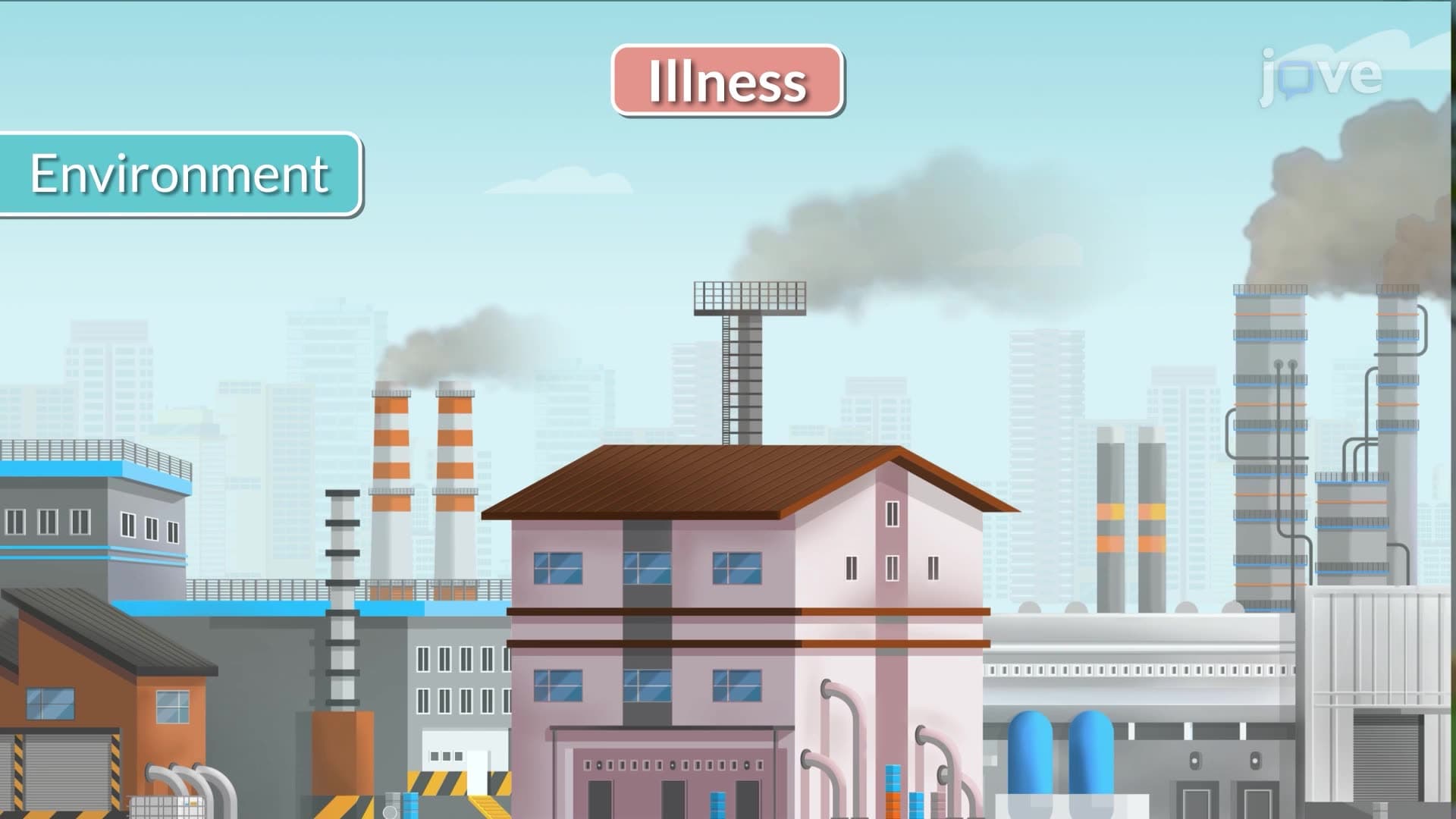
The agent represents the causative factor of disease, bacteria, viruses, toxins, or even behavioral factors like poor nutrition. The host refers to the susceptible individual or population, with factors like age, immune status, and genetic predisposition influencing susceptibility. The environment encompasses all external factors that influence disease transmission, including physical conditions, social factors, and economic circumstances.
Consider the 2018 E. coli outbreak linked to romaine lettuce that affected 210 people across 36 US states. The agent was E. coli bacteria, the hosts were consumers who ate contaminated lettuce, and the environment included contaminated irrigation water and distribution systems that allowed widespread transmission.
These models appear regularly in standardized exams and college coursework. MCAT test-takers encounter questions about disease prevention strategies and population health frameworks. AP Environmental Science students apply these concepts when studying environmental health impacts. Nursing students use both models to develop care plans and understand patient risk factors for NCLEX preparation.
Understanding these frameworks enables healthcare professionals to develop targeted interventions, predict outbreak patterns, and create effective prevention programs that address all components of health and disease processes.
Related Micro-courses