Loading subject page…

- Nursing
- Introduction to Health
- Factors Affecting Illness
Micro-course: Introduction to Health
59,001 views
Learn key concepts and earn your certificate.




Factors Affecting Illness

00:00
01:18
Video Summary: What are Factors Affecting Illness
Did you know that your daily choices could determine whether you develop chronic diseases decades from now? The factors affecting illness fall into two main categories: those you can control and those you cannot. Consider how smoking cigarettes-a modifiable lifestyle choice-can eventually lead to lung cancer, transforming a controllable risk into a permanent health condition. Understanding what are factors affecting illness helps explain why some Americans develop diabetes or heart disease while others remain healthy despite similar genetics. Watch the full video on JoVE Coach to master this concept with expert-led visuals and step-by-step explanations.
- Understand what are factors affecting illness by distinguishing between modifiable and non-modifiable risk factors that influence human health outcomes
- Identify how lifestyle choices like smoking, diet, and exercise directly contribute to chronic disease development in American populations
- Analyze the relationship between genetic predisposition and environmental triggers in common illnesses such as Type 2 diabetes and cardiovascular disease
- Compare age-related health vulnerabilities across different life stages, from school-age children to elderly adults
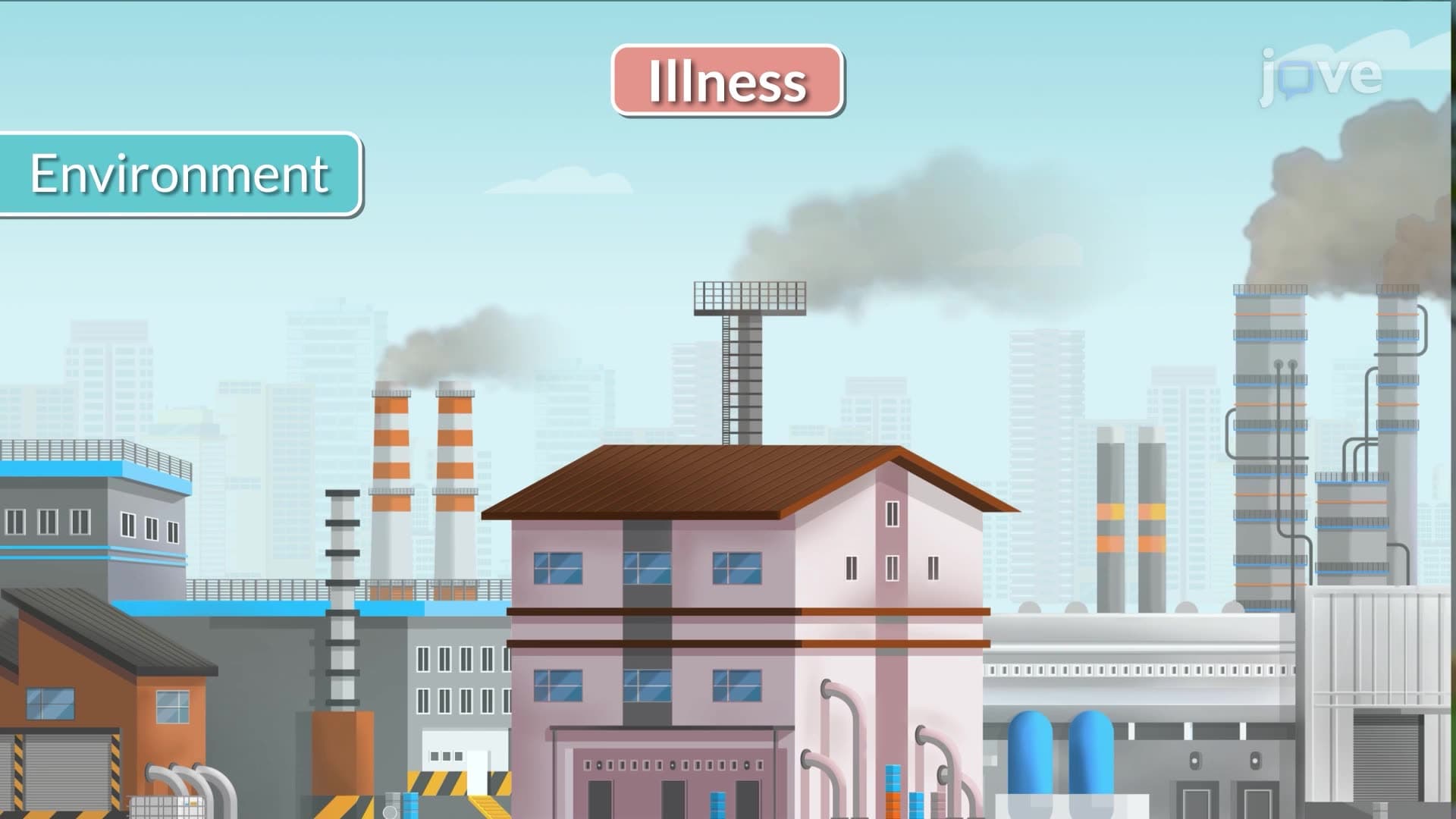
- Evaluate workplace and environmental hazards that increase illness risk, including occupational exposure to toxic substances
- Apply knowledge of physiological risk factors like obesity to predict potential health complications and prevention strategies
- Recognize how modifiable factors can eventually create non-modifiable health conditions through long-term damage
- Explore the interconnected nature of multiple risk factors and their cumulative effects on overall health status
Understanding What are Factors Affecting Illness
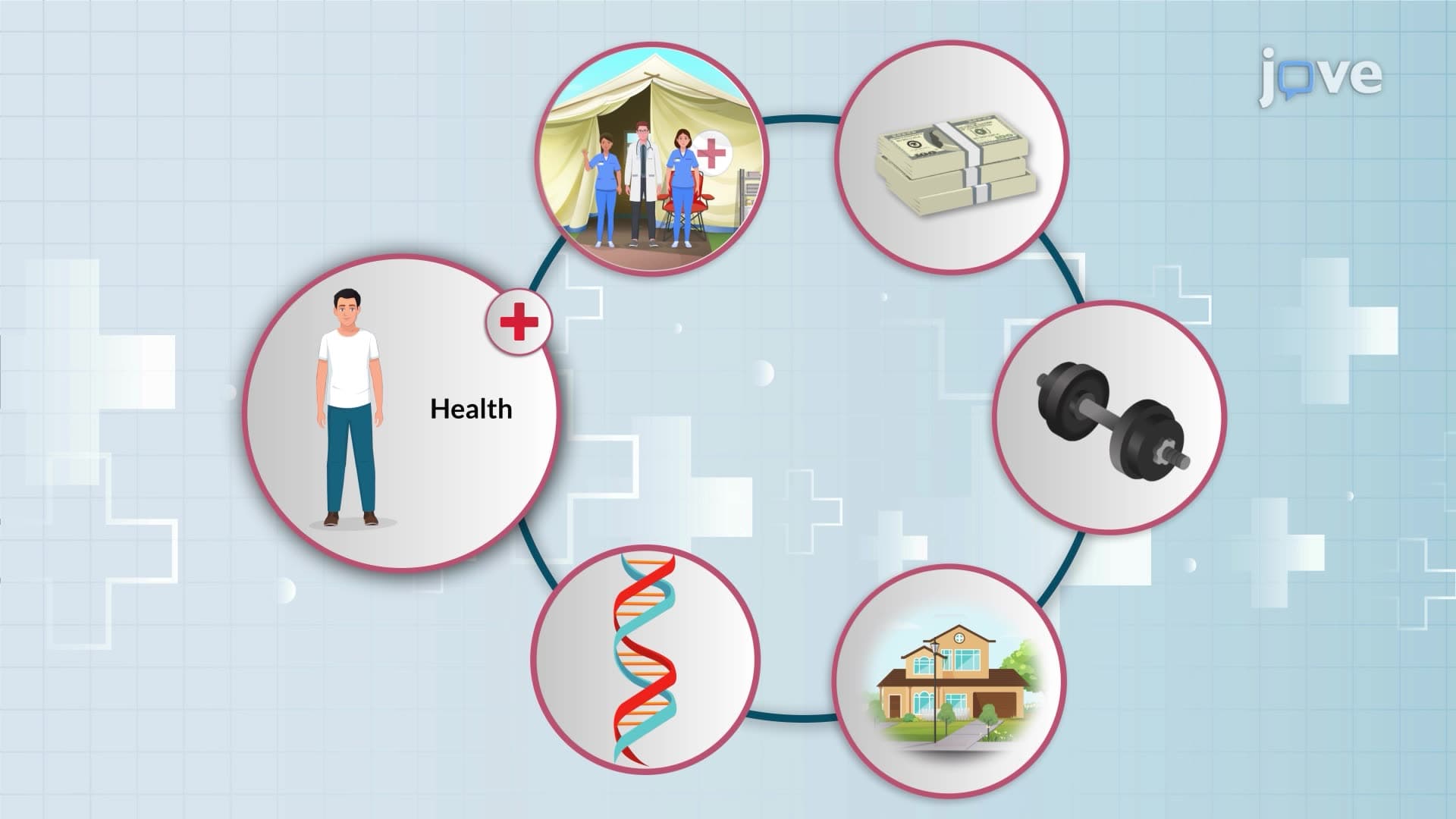
Factors affecting illness represent the complex web of influences that determine whether individuals develop health problems throughout their lives. Unlike simple cause-and-effect relationships, illness factors operate through intricate interactions between controllable lifestyle choices and unchangeable biological characteristics. This concept forms a cornerstone of preventive medicine and public health education, helping explain why chronic diseases like diabetes and heart disease have reached epidemic proportions in the United States.
The fundamental distinction lies between modifiable and non-modifiable factors. Modifiable factors include behaviors and environmental exposures that individuals can change through conscious decisions. Non-modifiable factors encompass characteristics like age, genetics, and existing medical conditions that cannot be altered. Understanding this distinction empowers students to focus prevention efforts where they can make the greatest impact.
Types of Factors Affecting Illness: The Modifiable Category
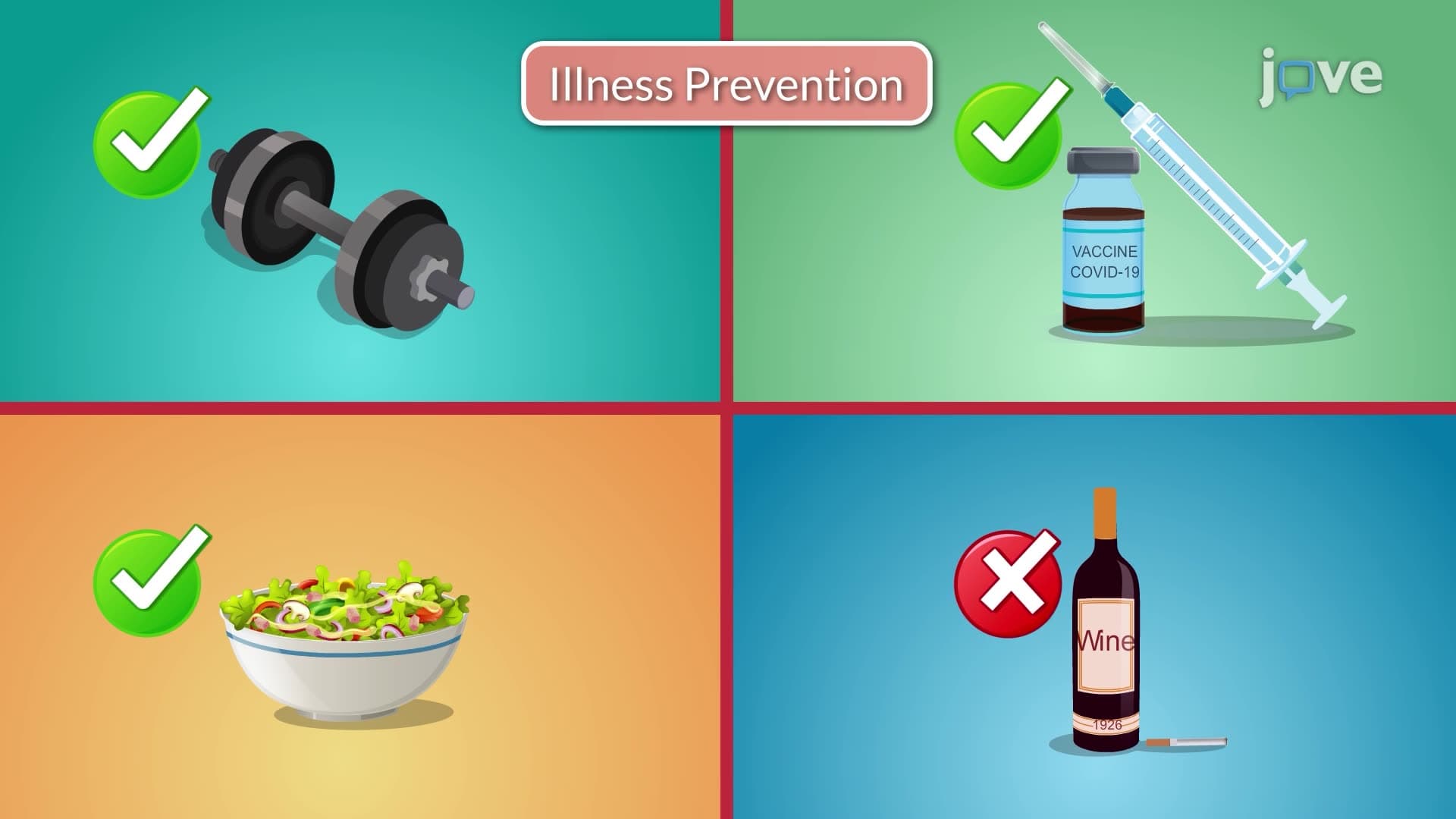
Lifestyle factors represent the most significant modifiable influences on health outcomes. Tobacco use affects approximately 34 million American adults, directly contributing to lung cancer, heart disease, and stroke. Poor nutritional choices-including excessive processed food consumption and inadequate fruit and vegetable intake-contribute to obesity rates exceeding 36% among US adults.
Physical inactivity ranks among the most preventable risk factors, with the CDC reporting that only 23% of Americans meet recommended exercise guidelines. Environmental exposures in occupational settings also create modifiable risks. For example, construction workers face higher rates of respiratory illness due to dust and chemical exposure, while healthcare workers encounter infectious disease risks that proper protocols can minimize.
Stress management represents another crucial modifiable factor. Chronic stress triggers inflammatory responses that increase cardiovascular disease risk and suppress immune function. Students preparing for high-stakes exams like the MCAT or NCLEX often experience stress-related health impacts, demonstrating how psychological factors translate into physical symptoms.
Non-Modifiable Risk Factors and Their Health Implications
Age creates unavoidable vulnerability patterns across the lifespan. School-age children show increased susceptibility to infectious diseases due to developing immune systems and close contact in educational settings. Elderly Americans face elevated risks for chronic conditions as cellular repair mechanisms decline and accumulated damage manifests as illness.
Genetic predisposition plays increasingly recognized roles in disease development. Family history of conditions like breast cancer, Huntington's disease, or sickle cell anemia creates inherited risks that current medical technology cannot eliminate. However, genetic counseling helps individuals understand their risks and make informed decisions about screening and prevention strategies.
The Dynamic Relationship Between Factor Categories
The most important concept for students to grasp involves how modifiable factors can create non-modifiable conditions over time. This transformation explains why prevention receives such emphasis in medical education and public health policy. When someone smokes cigarettes for decades, they may develop chronic obstructive pulmonary disease (COPD)-converting their modifiable smoking habit into permanent lung damage.
This concept frequently appears on AP Biology exams, MCAT questions, and nursing school assessments like the HESI A2. Students should understand that early intervention with modifiable factors prevents the development of irreversible health conditions, making prevention more effective than treatment in many cases.
Frequently Asked Questions
Factors affecting illness are conditions, behaviors, or characteristics that increase or decrease the likelihood of developing health problems. These factors work individually and in combination to determine whether someone stays healthy or develops acute or chronic conditions. Understanding these factors helps predict disease risk and guides prevention strategies.
The MCAT frequently tests understanding of modifiable versus non-modifiable risk factors through passage-based questions about disease prevention and epidemiology. Students encounter scenarios comparing lifestyle interventions with genetic predisposition, often requiring analysis of relative risk calculations. AP Biology exams also include questions about environmental factors influencing human health outcomes.
Nursing exams emphasize practical application of risk factor knowledge in patient care scenarios. Questions typically present case studies where students must identify modifiable risks and prioritize nursing interventions. TEAS exams include questions about lifestyle factors contributing to chronic diseases and their prevention strategies.
The opioid crisis demonstrates how prescription medication use (initially modifiable) can develop into addiction (becoming non-modifiable without treatment). Similarly, the high prevalence of Type 2 diabetes in American adults often results from modifiable factors like poor diet and sedentary lifestyle, eventually requiring lifelong management once the condition develops.
This concept builds on basic biology knowledge that high school students already possess about genetics, lifestyle, and environmental influences. The main challenge involves understanding how multiple factors interact rather than memorizing individual risk factors. Students with basic health education can master these concepts with proper guidance.
Create comparison charts distinguishing modifiable from non-modifiable factors, then practice with case studies showing factor interactions. Use real disease examples like diabetes or heart disease to trace how lifestyle choices lead to chronic conditions. Focus on understanding prevention principles rather than memorizing lists of risk factors.
Students should investigate epidemiology principles, including incidence and prevalence calculations, to understand how risk factors affect populations. Public health policy and health promotion strategies provide practical applications. Disease-specific studies of conditions like cardiovascular disease or cancer offer detailed examples of factor interactions.
Related Micro-courses

19 Concepts

17 Concepts

22 Concepts