Loading subject page…


59,017 views

Video Summary: What Is Classification of Illness
Why do some patients recover from pneumonia in days while others battle diabetes for decades? The classification of illness provides the framework healthcare professionals use to categorize diseases based on their onset, duration, and progression patterns. This systematic approach helps distinguish between conditions like acute appendicitis requiring immediate surgery versus chronic hypertension managed through lifelong medication. Understanding illness classification enables students to grasp fundamental concepts in health sciences and prepares them for advanced study in nursing, medicine, and public health. Watch the full video on JoVE Coach to master this concept with expert-led visuals and step-by-step explanations.
The classification of illness serves as the cornerstone of modern healthcare, providing a systematic framework that healthcare professionals use to categorize diseases and guide treatment decisions. This classification system directly impacts how medical professionals approach diagnosis, develop treatment plans, and predict patient outcomes across all healthcare settings from emergency departments to long-term care facilities.
The primary division in illness classification distinguishes between acute and chronic conditions based on three key characteristics: onset speed, disease progression, and duration. Acute illnesses demonstrate rapid onset, quick progression, and relatively short duration. Consider acute conditions commonly seen in US emergency departments: bacterial pneumonia typically resolves within 7-10 days with appropriate antibiotic treatment, while bone fractures heal within 6-8 weeks with proper immobilization.
Chronic illnesses follow a different pattern, developing gradually over months or years and persisting for extended periods, often requiring lifelong management. Type 2 diabetes affects over 34 million Americans and exemplifies chronic illness characteristics-slow onset often goes undetected for years, progressive complications develop without proper management, and patients require ongoing medication, dietary modifications, and regular monitoring throughout their lives.
Illness behavior encompasses the psychological and social responses individuals exhibit when experiencing health problems. The first stage, expressing symptoms, occurs when individuals recognize deviations from their normal health status. For example, a college student noticing persistent fatigue and frequent urination might initially attempt self-care measures like increasing sleep and reducing caffeine intake.
The second stage involves assuming the sick role, where individuals seek professional medical evaluation when self-care proves insufficient. This transition often occurs in urgent care centers or primary care offices where patients receive formal diagnosis and treatment recommendations.
During the third stage, assuming a dependent role, patients accept their diagnosis and comply with prescribed treatments while temporarily relinquishing some independence. This stage proves crucial for recovery success and often involves family support systems and healthcare team coordination.
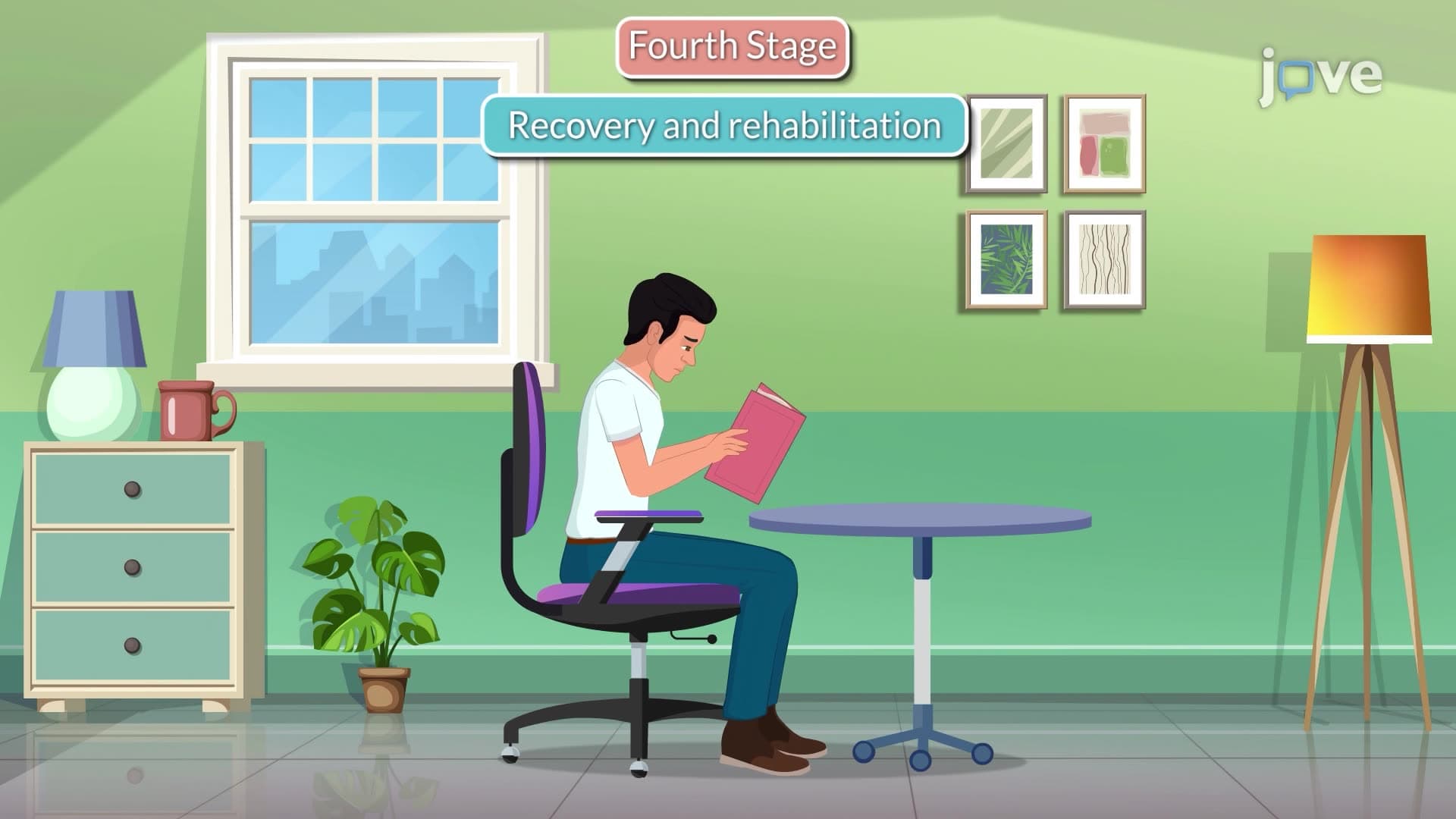
The final stage, recovery and rehabilitation, focuses on regaining independence and resuming normal activities. Physical therapy following orthopedic surgery exemplifies this stage, where patients gradually rebuild strength and mobility under professional guidance.
Understanding illness classification proves essential for students preparing for healthcare careers and standardized examinations. The MCAT includes questions about disease patterns and patient responses, while nursing students encounter these concepts in NCLEX preparation. Pre-health students benefit from mastering these classifications as they provide foundational knowledge for pathophysiology, pharmacology, and clinical decision-making courses in medical and nursing programs.
Related Micro-courses