Loading subject page…


48,273 views

Video Summary: Assessing Body Temperature Temporal Artery Explained
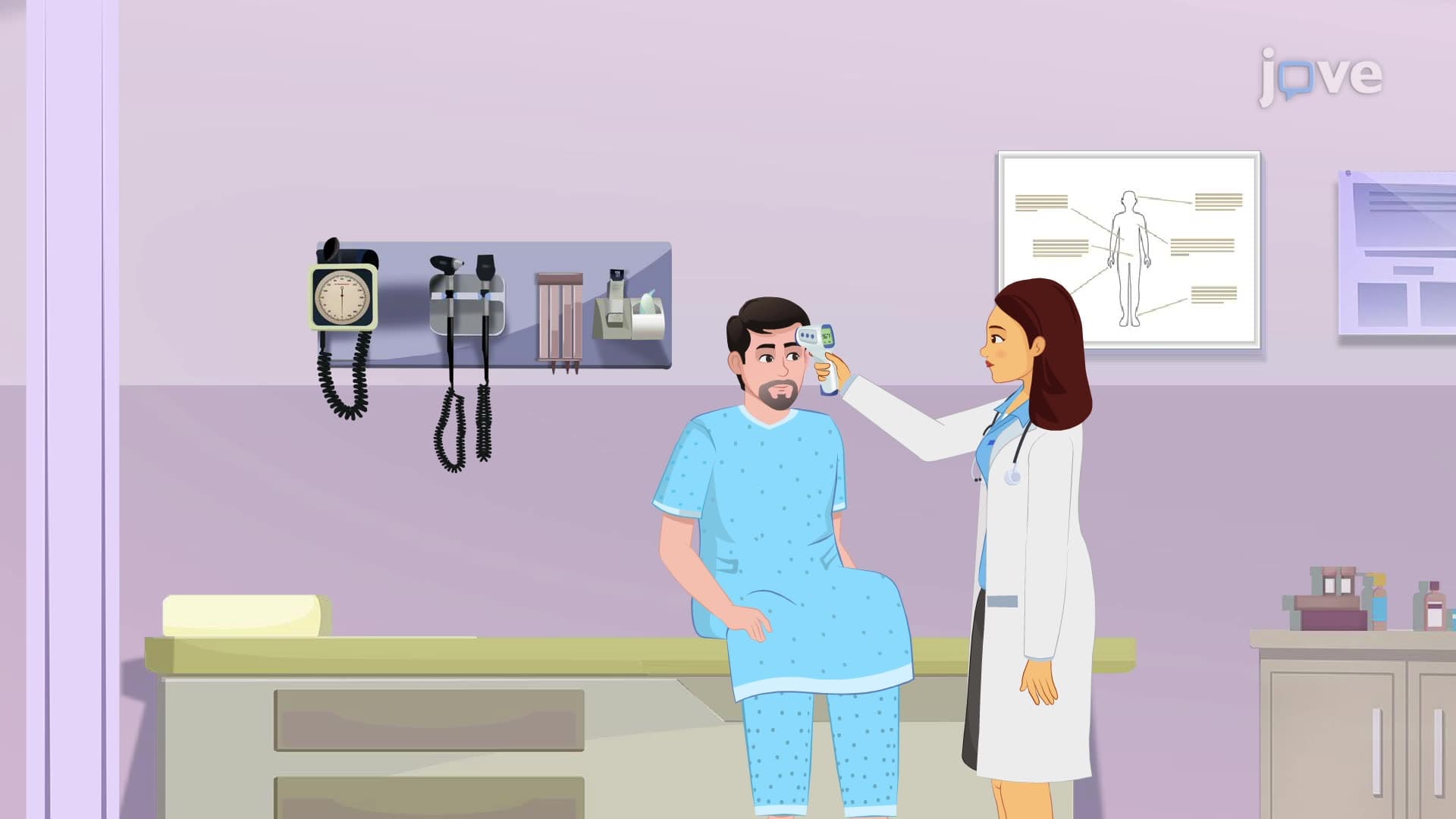
Did you know that temporal artery thermometers can detect fever in just 3 seconds, making them the preferred choice in busy US emergency rooms like those at Johns Hopkins Hospital? Assessing body temperature temporal artery methods provide rapid, non-invasive readings by scanning the superficial temporal artery on the forehead. This technique, known as assessing body temperature temporal artery explained, combines infrared technology with proper scanning procedures to ensure accurate measurements. Healthcare professionals rely on this method for infection control and patient comfort. Watch the full video on JoVE Coach to master this concept with expert-led visuals and step-by-step explanations.
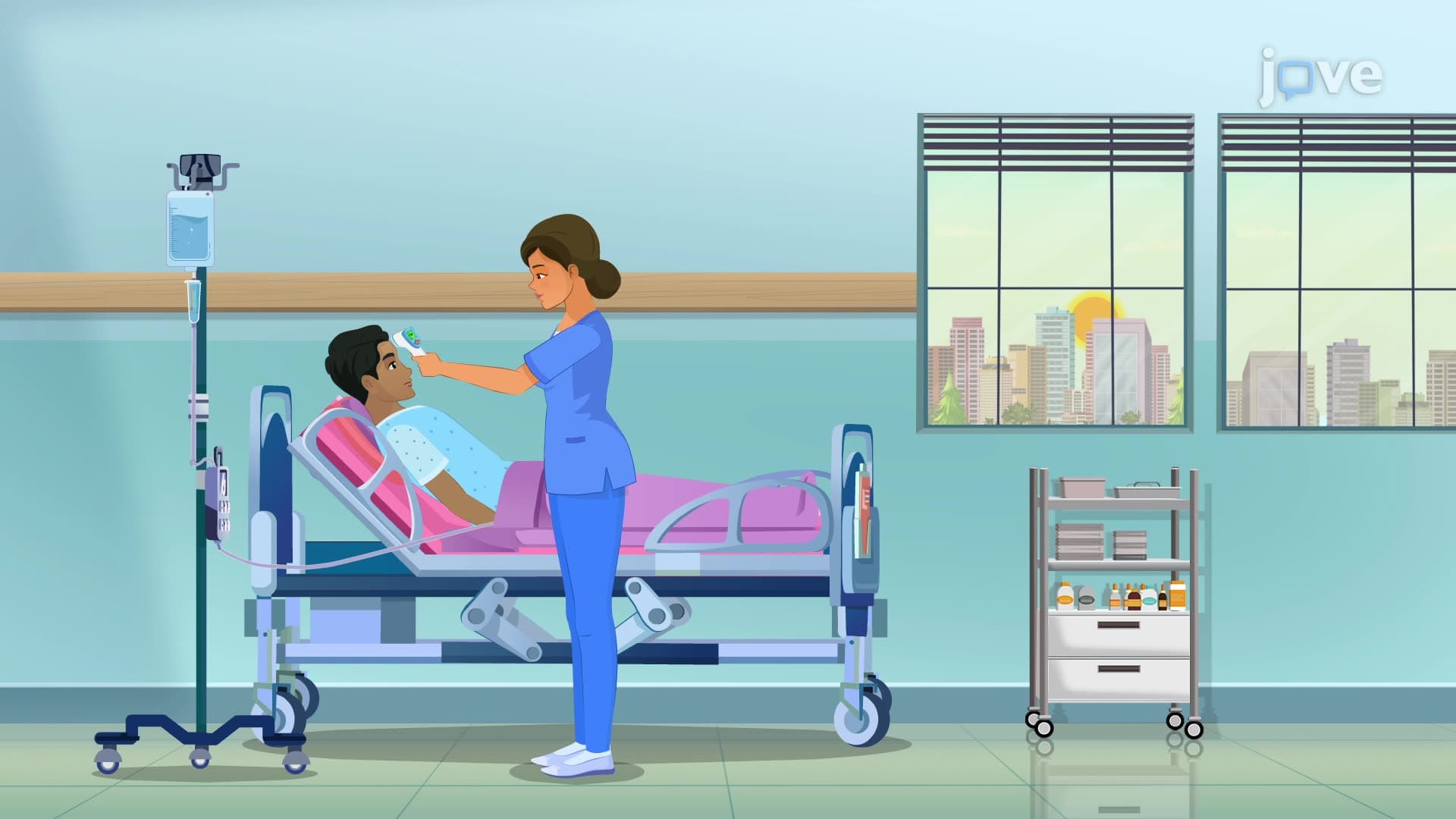
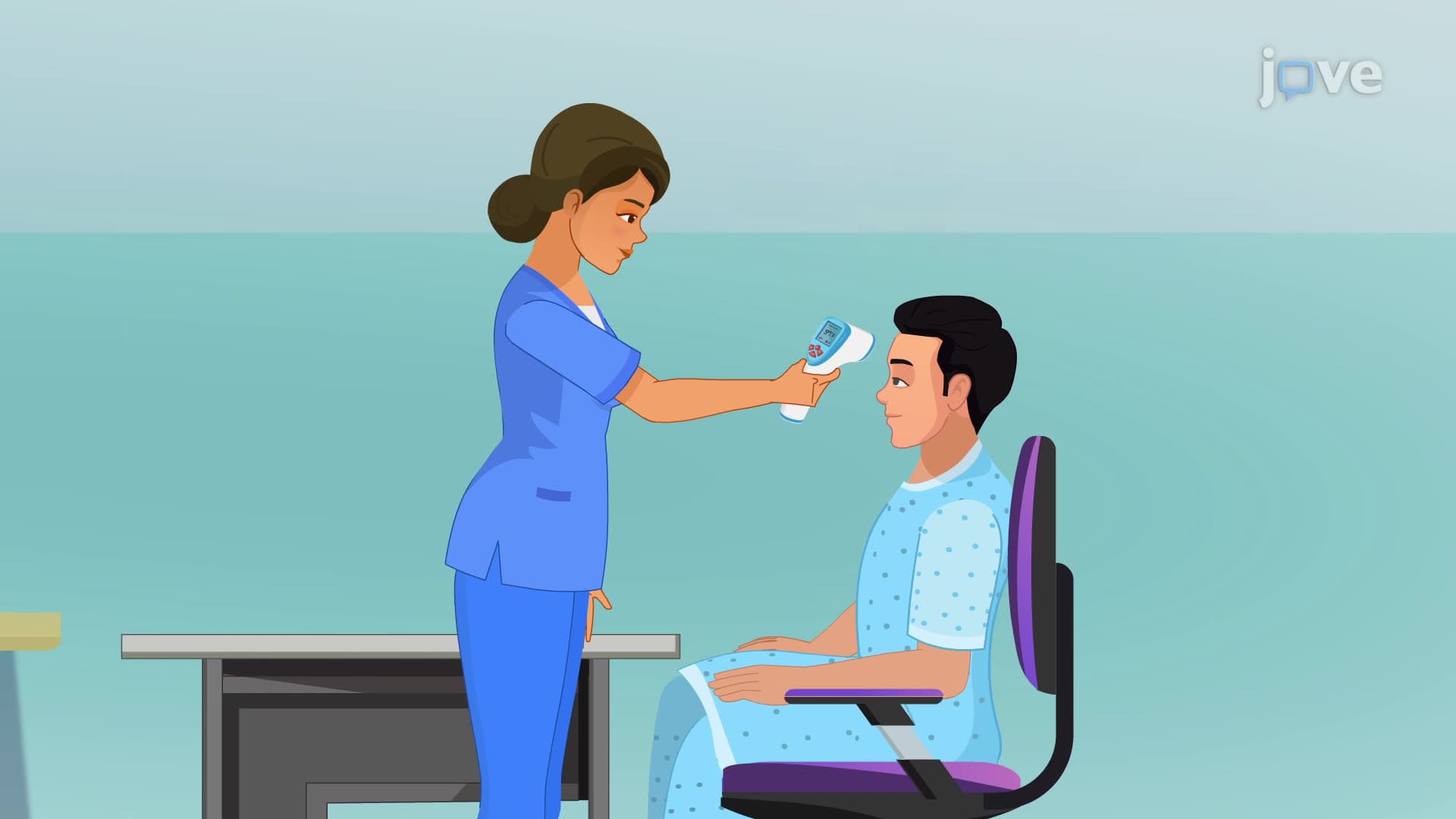
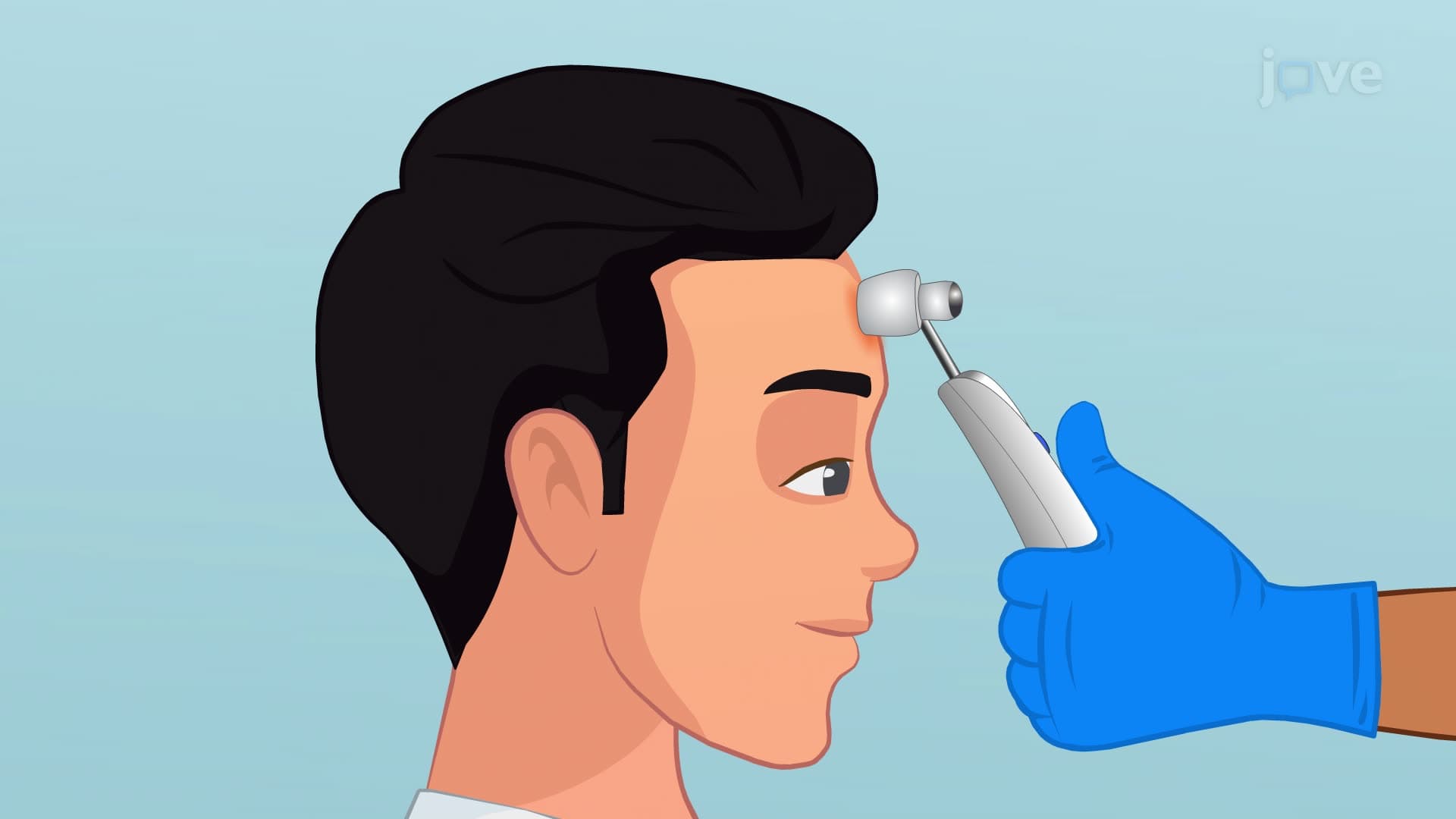
Assessing body temperature temporal artery explained represents a significant advancement in clinical thermometry that has revolutionized temperature measurement in healthcare facilities across the United States. The temporal artery, located just beneath the skin on the forehead, carries blood directly from the heart's core, making it an ideal site for accurate body temperature assessment. This method utilizes infrared technology to detect heat emitted by the temporal artery, providing core body temperature readings within seconds.
The temporal artery thermometer works by detecting infrared heat naturally emitted by the skin over the temporal artery. As blood flows from the heart through this superficial vessel, it maintains core body temperature, making the forehead an excellent proxy for internal temperature. This physiological principle explains why temporal artery readings closely correlate with pulmonary artery temperatures, considered the gold standard for core body temperature measurement in critical care settings like those found at Mayo Clinic or Cleveland Clinic.
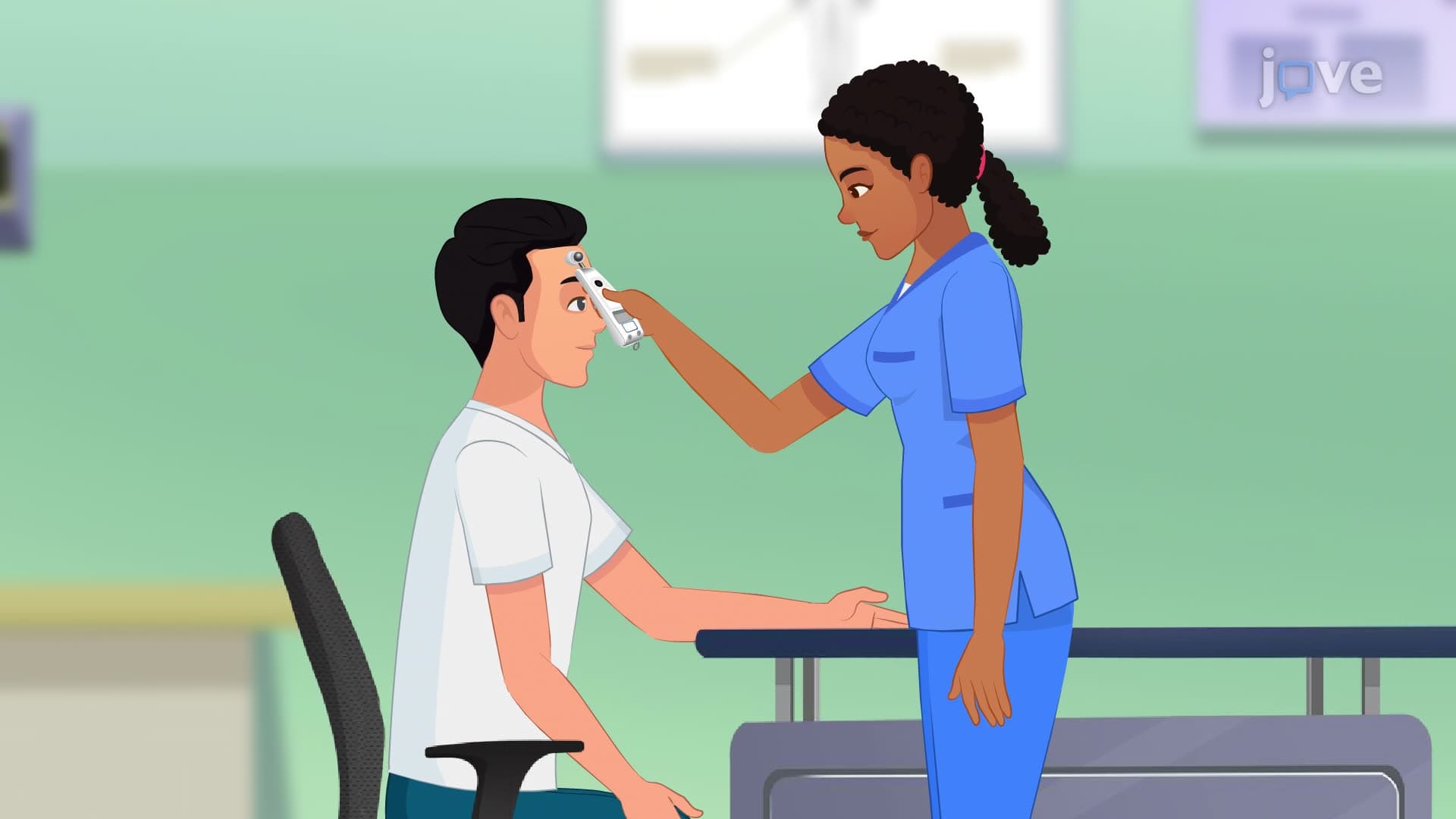
Proper technique is crucial for accurate temporal artery temperature assessment. Healthcare professionals must ensure the forehead is dry, as moisture can interfere with infrared sensors and produce falsely low readings. The scanning motion should be slow and deliberate, maintaining firm contact between the sensor and skin throughout the measurement. The additional step of touching the sensor behind the earlobe helps capture the highest temperature reading, as this area often remains warmer when the forehead is cooled by ambient air or sweating.
This temperature assessment method is particularly valuable in pediatric settings, where traditional methods may cause distress. US nursing programs, including those preparing students for the NCLEX-RN examination, emphasize temporal artery thermometry as an essential skill. Students studying for the HESI A2 or TEAS exams will encounter questions about temperature assessment techniques, making understanding of this method crucial for academic success. In AP Biology courses, students explore thermoregulation and homeostasis concepts that directly relate to body temperature measurement principles.
The method's non-invasive nature makes it ideal for patients with compromised immune systems, reducing infection risk while maintaining accuracy. Healthcare facilities from community hospitals to major medical centers like Johns Hopkins have adopted temporal artery thermometers as standard equipment, demonstrating the technique's reliability and clinical utility in modern medicine.
Related Micro-courses