Loading subject page…


48,273 views

Video Summary: Assessing Body Temperature Tympanic Membrane Explained
Ever wondered why ear thermometers are standard equipment in every US emergency room? Assessing body temperature tympanic measurements provide rapid, accurate readings within seconds, making them essential for busy healthcare environments like those at Mayo Clinic or Johns Hopkins Hospital. This technique, known as assessing body temperature tympanic membrane explained, involves precise probe placement and proper ear canal positioning to ensure reliable temperature readings. The method requires understanding anatomical landmarks and following strict infection control protocols. Watch the full video on JoVE Coach to master this concept with expert-led visuals and step-by-step explanations.
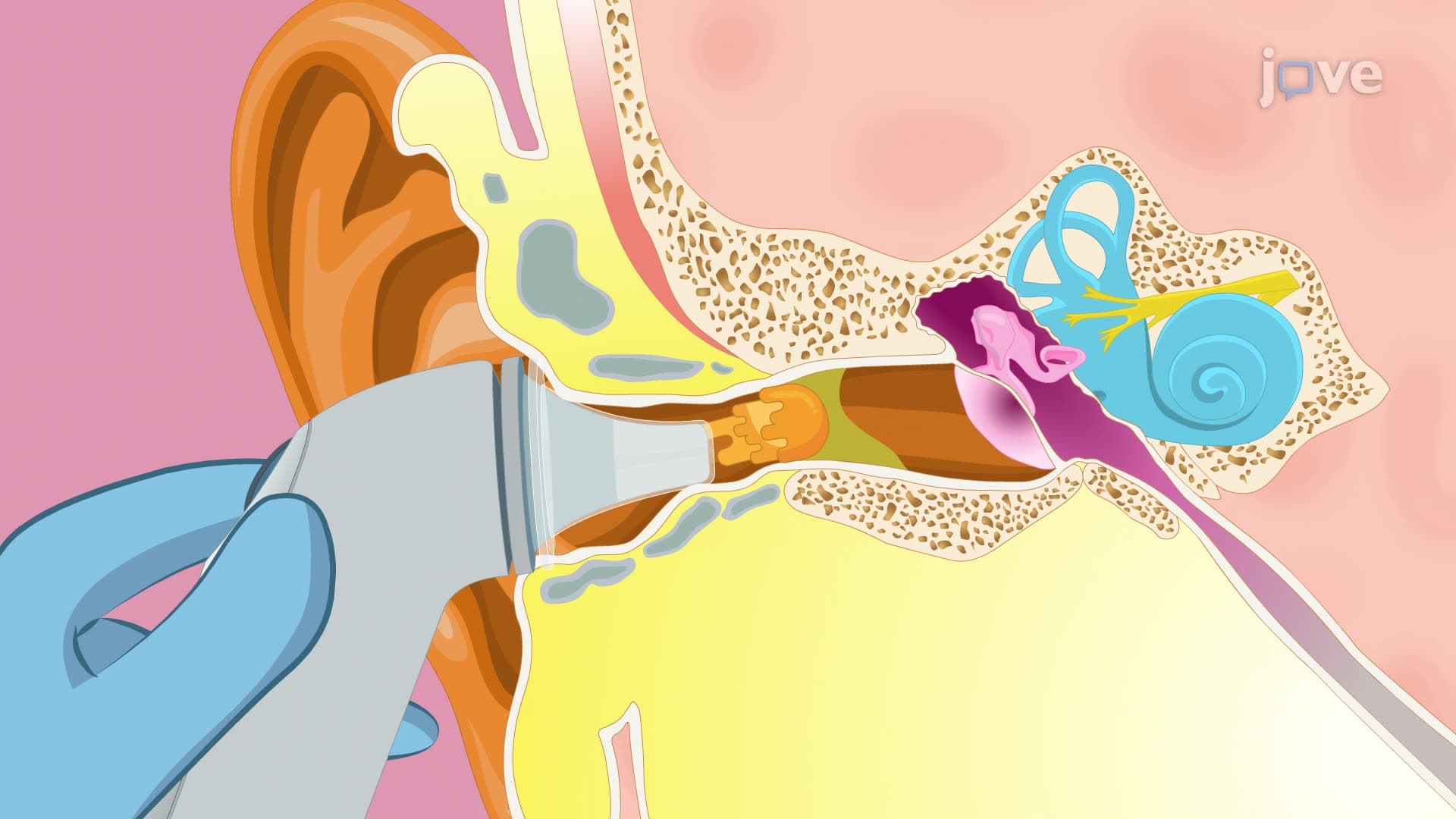
Assessing body temperature tympanic membrane explained represents a sophisticated approach to clinical thermometry that leverages infrared technology to measure heat radiation from the tympanic membrane. This method has revolutionized temperature assessment in healthcare facilities across the United States, from pediatric units at Children's Hospital of Philadelphia to adult intensive care units at Cleveland Clinic. The tympanic membrane shares blood supply with the hypothalamus-the body's thermoregulatory center-making it an ideal location for core body temperature measurement.
The ear's anatomy plays a crucial role in successful tympanic temperature assessment. The external auditory canal follows an S-shaped curve that must be straightened through proper pinna manipulation. In adults and children over three years, healthcare providers pull the pinna upward and backward, while infants require downward and backward positioning. This anatomical consideration directly impacts the accuracy of temperature readings and appears frequently on nursing examinations like the NCLEX-RN and medical school assessments.
Understanding cerumen (earwax) interference represents another critical aspect of assessing body temperature tympanic. Excessive cerumen can block the infrared sensor, leading to falsely low readings. This concept often appears in AP Biology coursework when students study sensory organs and their clinical applications.
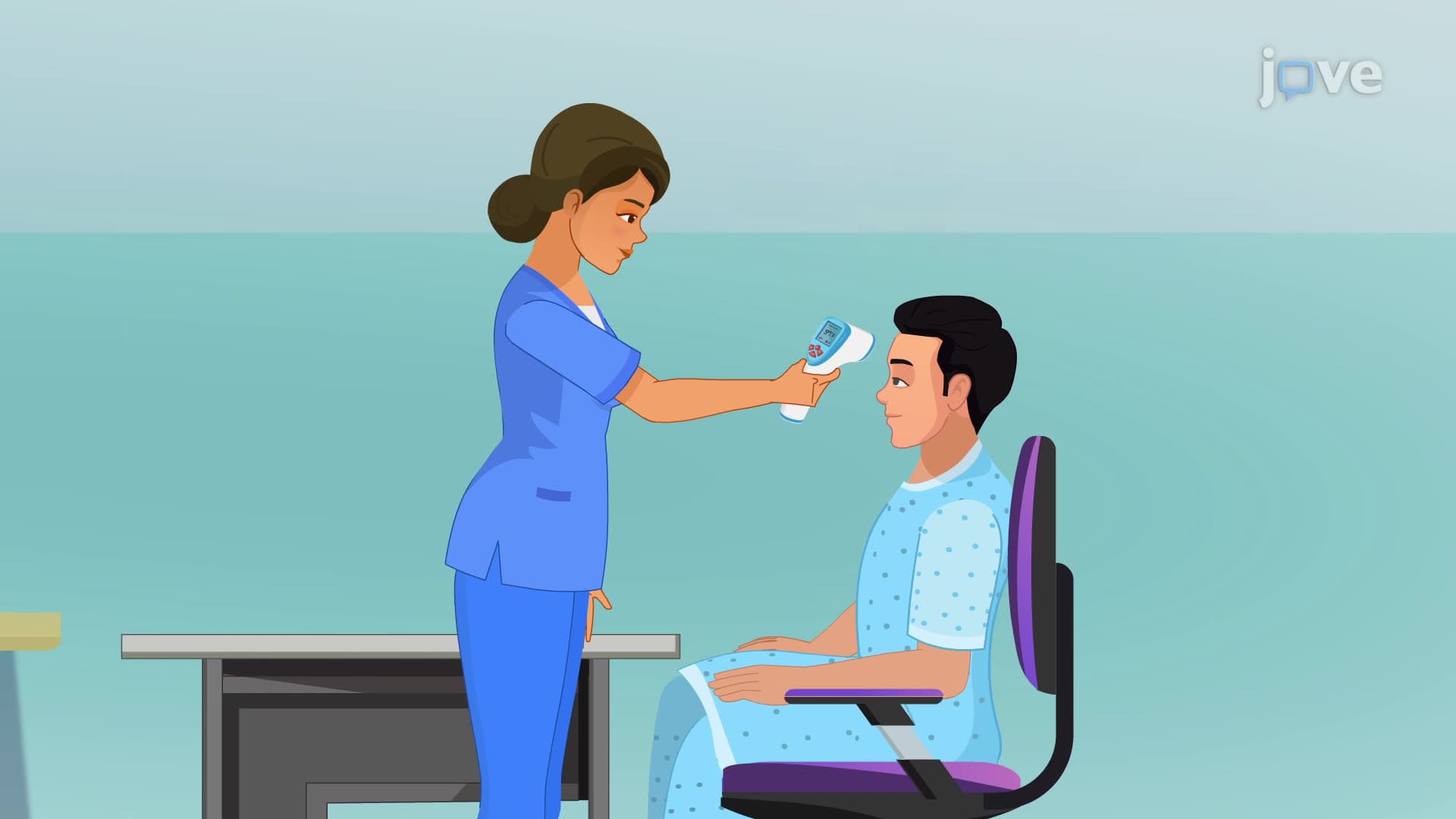
Tympanic thermometry offers several advantages in clinical practice, particularly in emergency departments and outpatient clinics throughout the US healthcare system. The method provides results within 2-3 seconds, making it ideal for pediatric patients who may not cooperate with oral thermometry. Additionally, the technique minimizes cross-contamination risks when proper probe covers are utilized.
Temperature accuracy depends heavily on proper technique execution. Healthcare providers must ensure complete probe insertion to create an adequate seal, preventing room temperature air from affecting readings. This principle often appears on MCAT passages testing physics concepts related to heat transfer and clinical applications.
Modern healthcare facilities require precise documentation of vital signs, including the method used for temperature assessment. When documenting tympanic temperatures, healthcare providers typically note "T (tympanic)" followed by the numerical value. This documentation standard appears on nursing fundamentals examinations and clinical competency assessments across US nursing programs.
The integration of assessing body temperature tympanic membrane into electronic health records has streamlined patient care workflows, allowing for rapid vital sign trending and clinical decision-making in hospitals nationwide.
Related Micro-courses