Loading video…


 17 Concepts
 48.3K views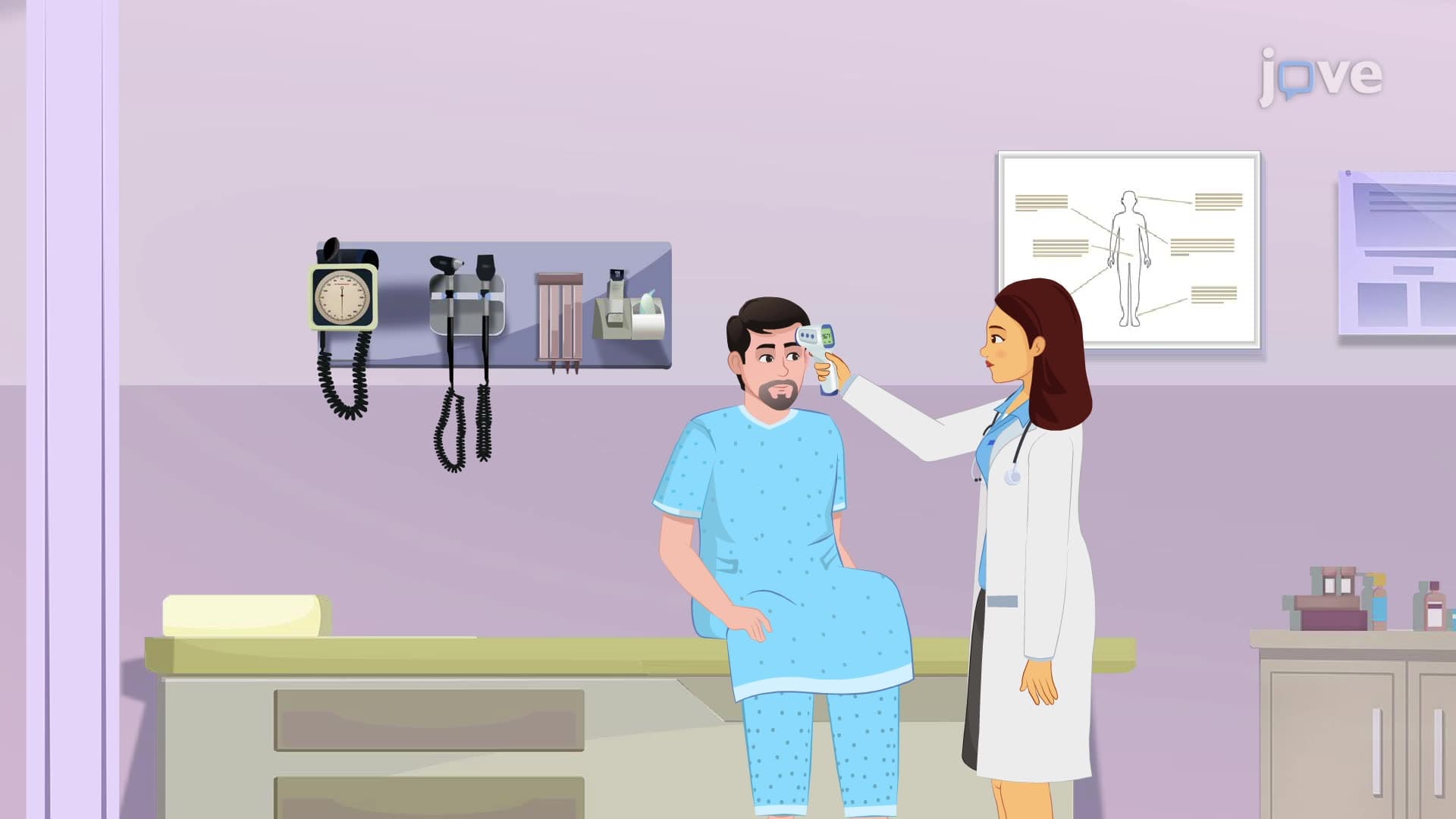

Video Summary: Equipments Used to Measure Body Temperature Explained
When a COVID-19 patient arrives at Johns Hopkins Emergency Department, healthcare workers instantly reach for temperature measurement devices to assess fever-but which equipment provides the most accurate reading? Equipments used to measure body temperature have evolved dramatically from dangerous mercury-filled glass thermometers to sophisticated infrared sensors that can detect heat from your temporal artery in seconds. Modern hospitals and clinics across the United States now rely on digital, tympanic, and infrared thermometers for precise patient care. Watch the full video on JoVE Coach to master this concept with expert-led visuals and step-by-step explanations.
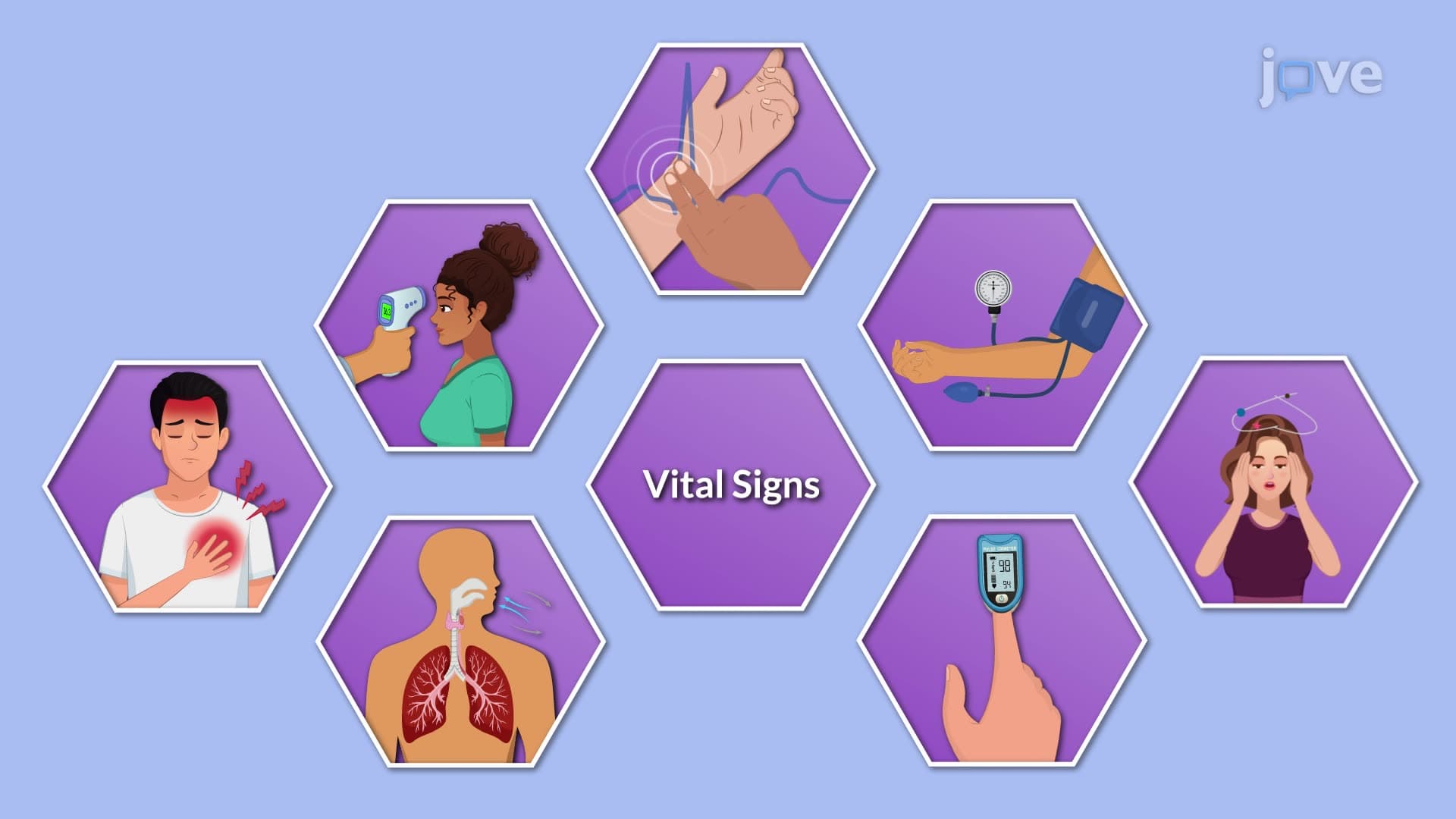
Body temperature measurement represents one of the four fundamental vital signs assessed in every US healthcare facility, from rural clinics to major academic medical centers like Mayo Clinic and Cleveland Clinic. The evolution of temperature measurement equipment reflects both technological advancement and patient safety priorities that have transformed modern medicine.
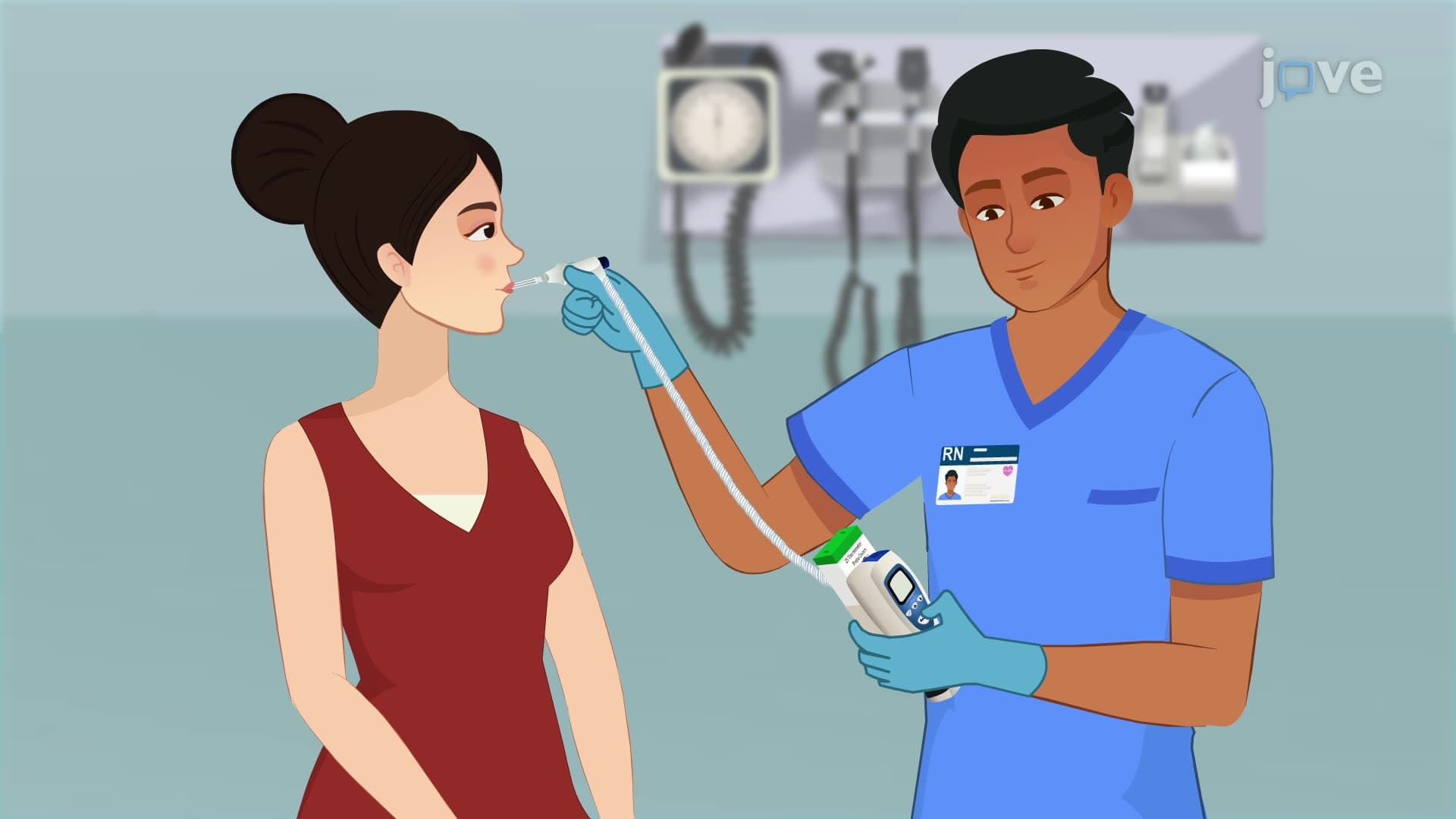
Digital thermometers have become the gold standard in US hospitals due to their accuracy, safety, and ease of use. These battery-powered devices utilize thermistor sensors-electronic components that change electrical resistance based on temperature variations. Unlike their mercury predecessors, digital thermometers eliminate toxic exposure risks while providing readings within 10-60 seconds. Electronic thermometers with detachable probes offer versatility for oral, rectal, and axillary measurements, making them essential tools in pediatric units at children's hospitals across America.
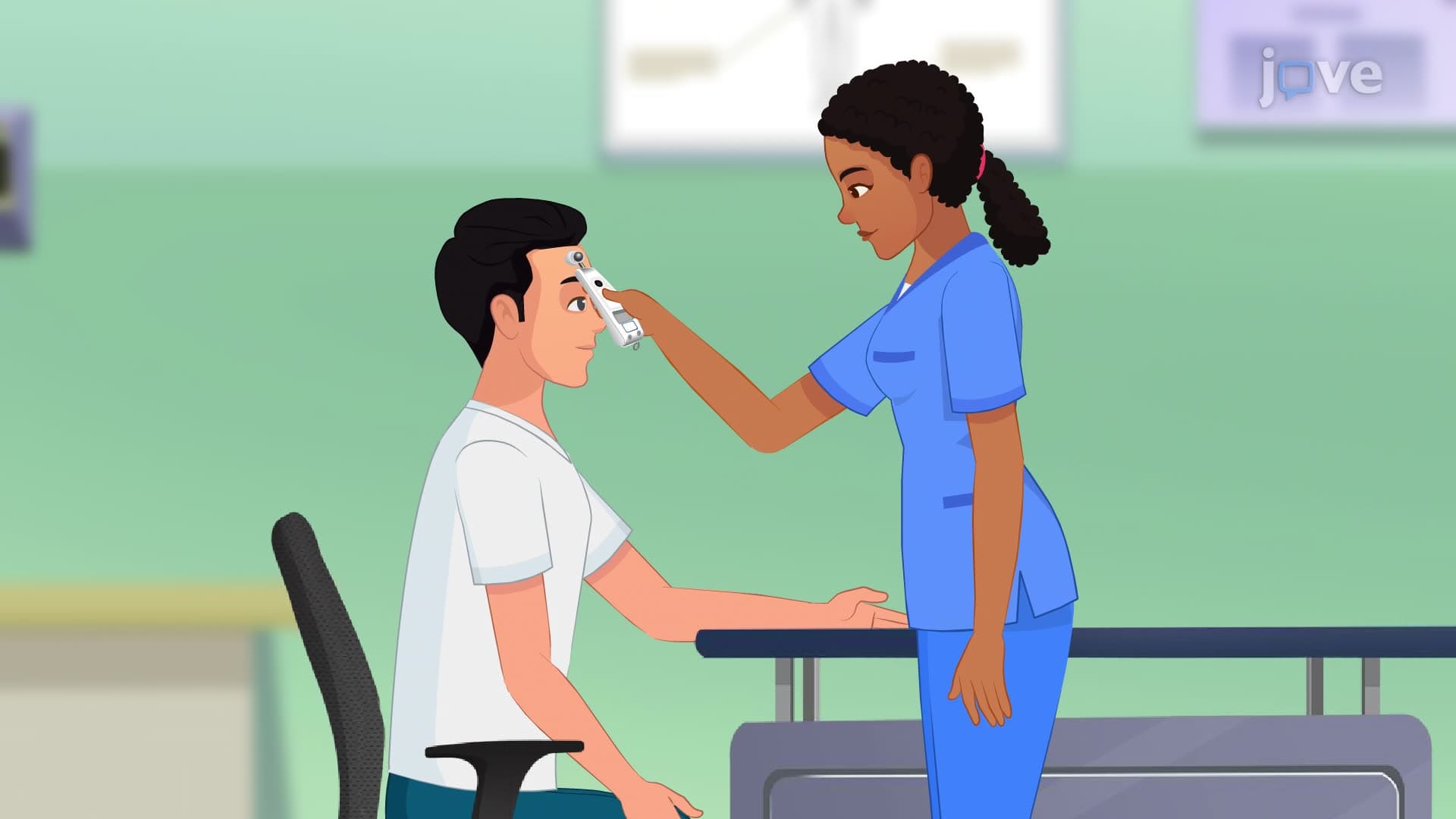
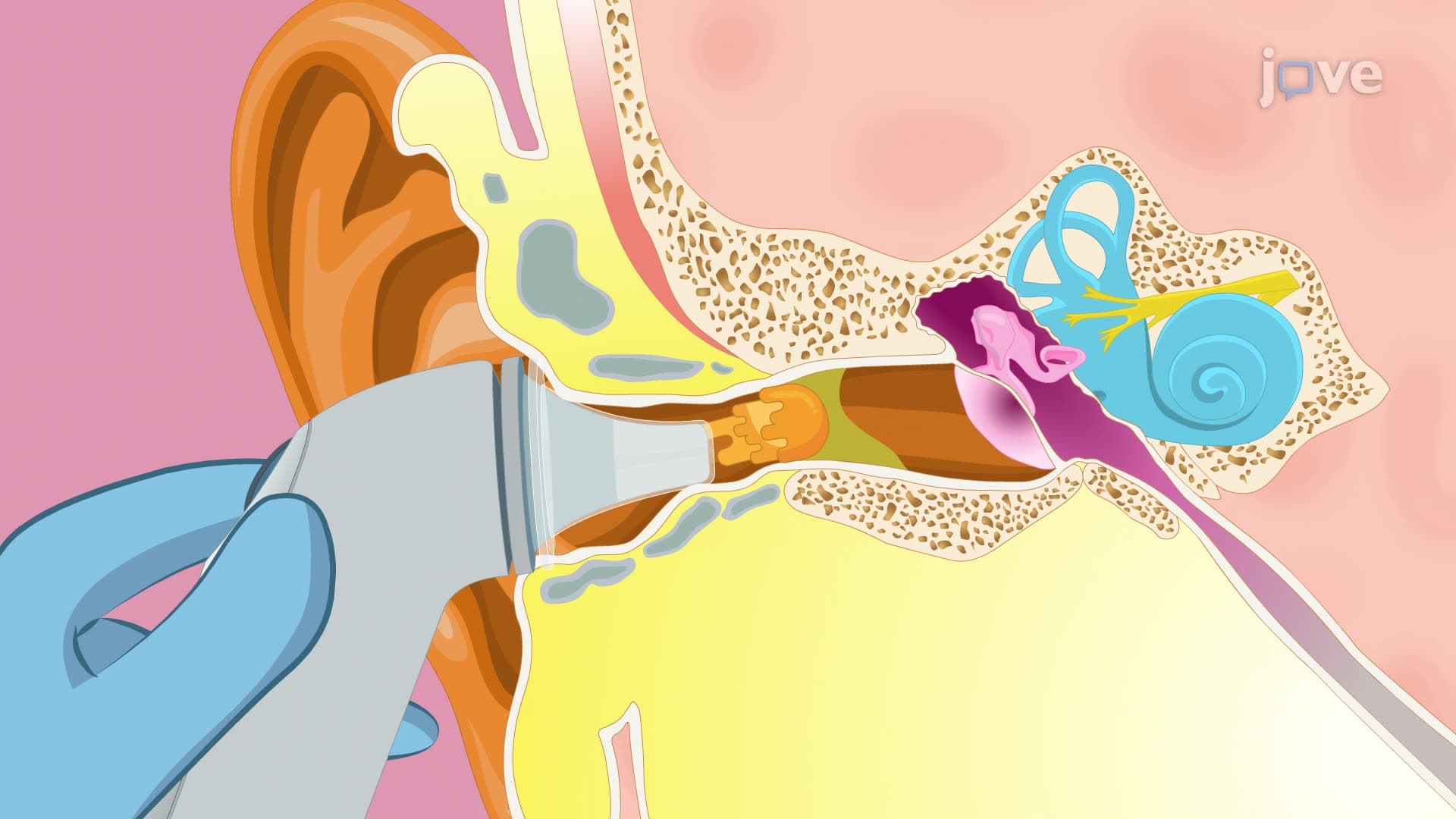
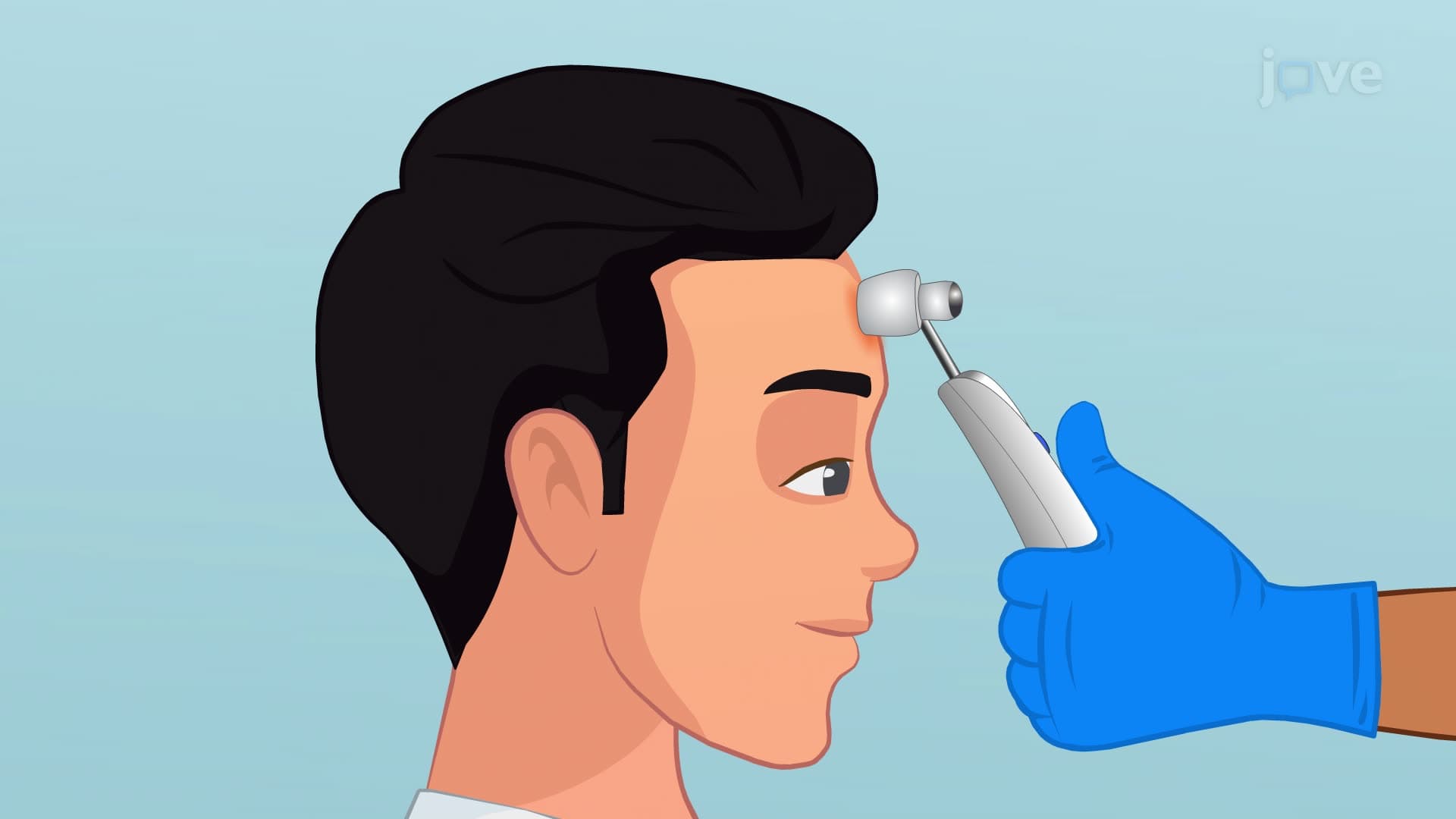
Tympanic membrane thermometers revolutionized temperature assessment by measuring infrared radiation emitted from the eardrum, which shares blood supply with the hypothalamus-the body's temperature control center. These otoscope-like devices provide readings in 1-2 seconds, making them invaluable in emergency departments and urgent care centers. Temporal artery thermometers scan the forehead's superficial temporal artery, offering non-invasive measurement particularly useful for sleeping patients or infection control situations.
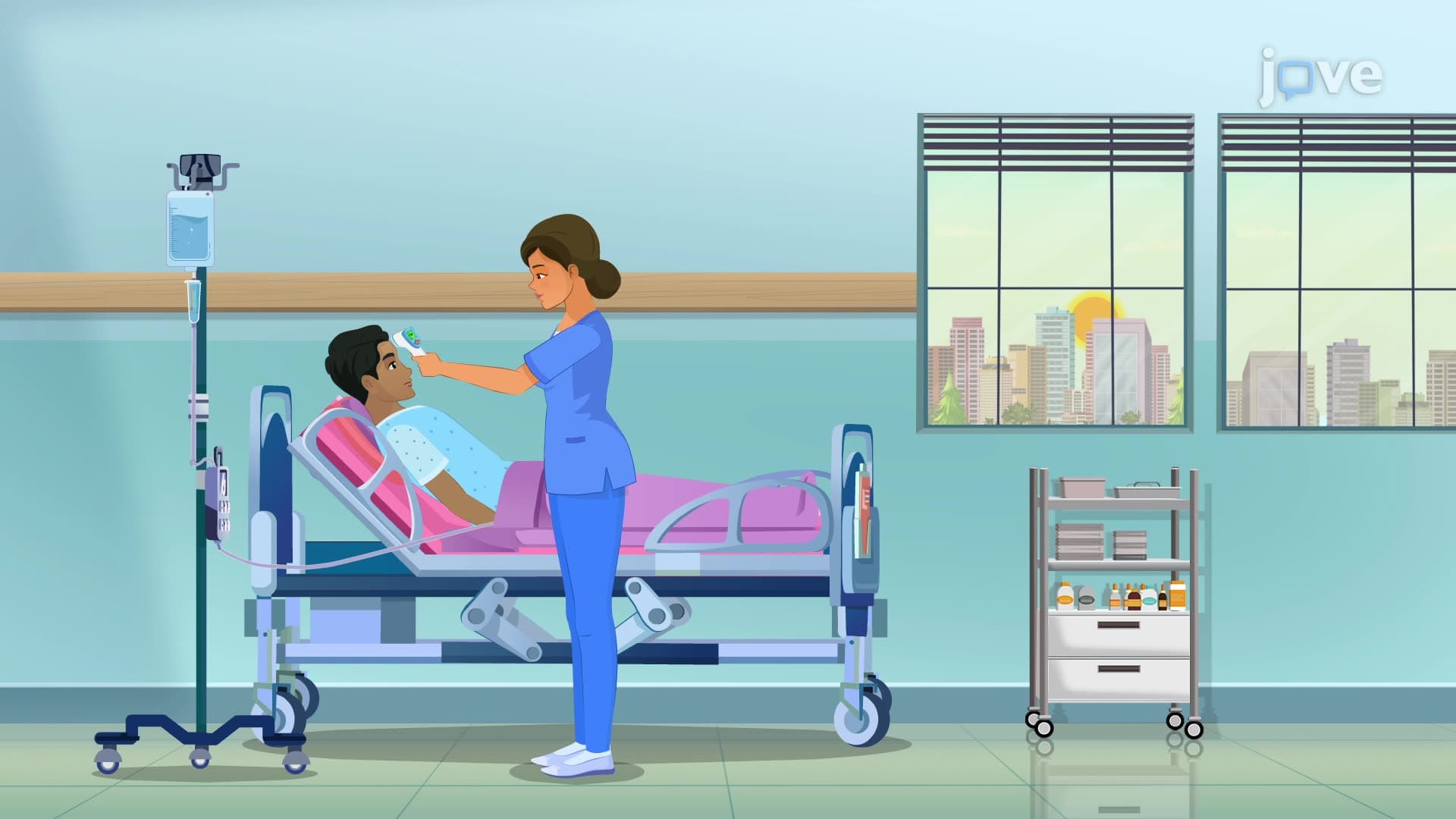
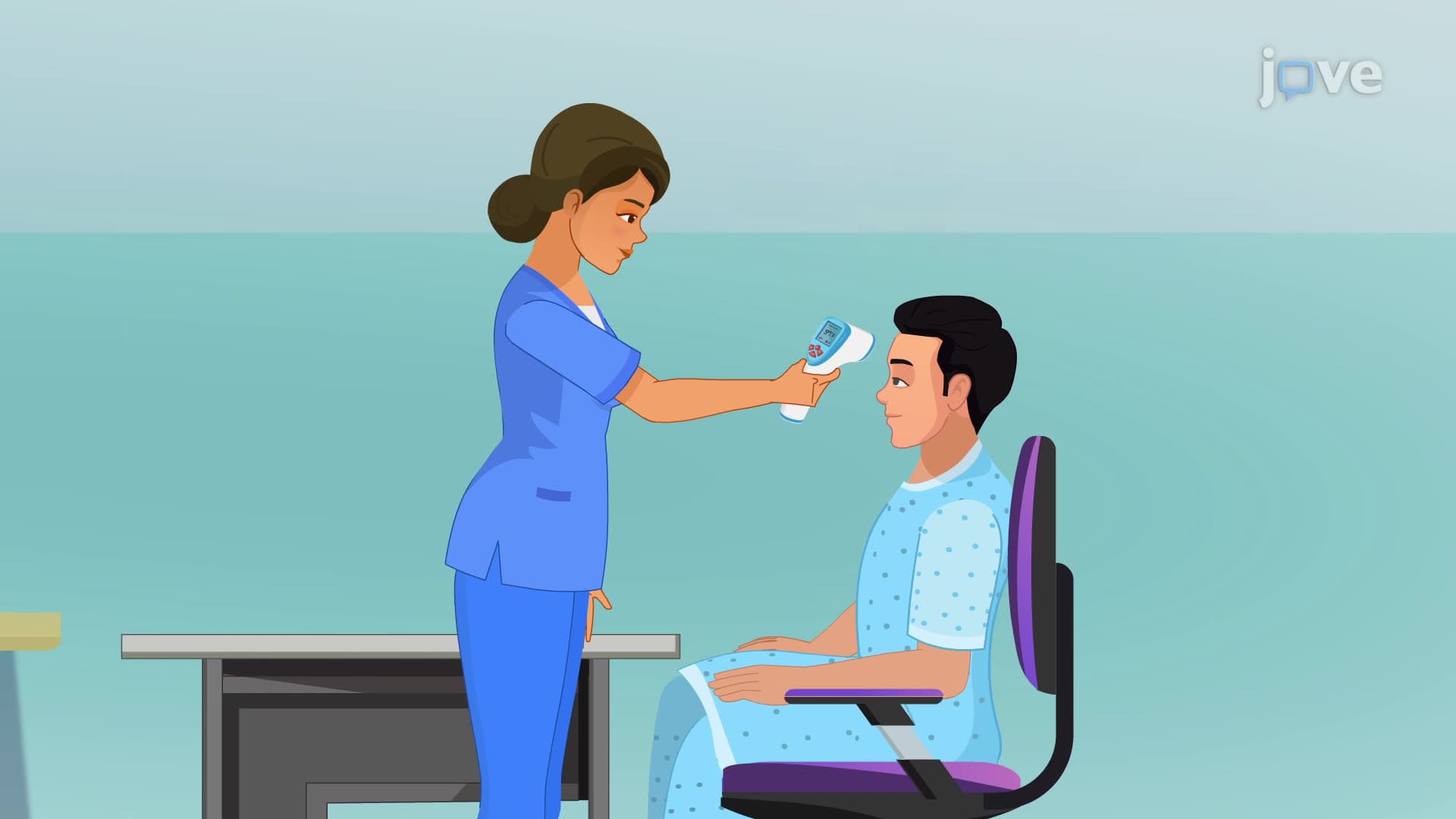
Chemical-dot thermometers serve specific roles in US healthcare, particularly in mass screening scenarios like school health checks or workplace temperature monitoring during pandemic responses. These temperature-sensitive strips change color at predetermined temperature thresholds, though they provide less precise readings than electronic alternatives. Infrared contactless thermometers gained prominence during COVID-19, enabling rapid screening in hospitals, airports, and educational institutions while maintaining social distancing protocols.
Students preparing for MCAT, USMLE, or nursing certification exams (NCLEX, HESI A2, TEAS) should understand that temperature measurement accuracy depends on proper technique, calibration, and equipment selection based on clinical context and patient populations.
Related Micro-courses