Loading subject page…


48,273 views


Video Summary: Guidelines for Measuring Vital Signs Explained
Did you know that incorrect vital sign measurements contribute to over 40,000 preventable deaths annually in US hospitals? Understanding guidelines for measuring vital signs is crucial for accurate patient assessment and safety. For instance, using an improperly sized blood pressure cuff on a patient at Johns Hopkins Hospital could lead to misdiagnosis and inappropriate treatment decisions. The Guidelines For Measuring Vital Signs Explained framework provides essential protocols that healthcare professionals must follow to ensure reliable, consistent measurements. Watch the full video on JoVE Coach to master this concept with expert-led visuals and step-by-step explanations.
The systematic approach to vital sign measurement represents one of the most fundamental skills in healthcare practice. These guidelines serve as the foundation for accurate patient assessment, forming the basis for clinical decisions that directly impact patient outcomes. In US healthcare settings, from community hospitals to major medical centers like the Mayo Clinic, adherence to standardized vital sign protocols is mandatory for maintaining Joint Commission accreditation and ensuring patient safety.
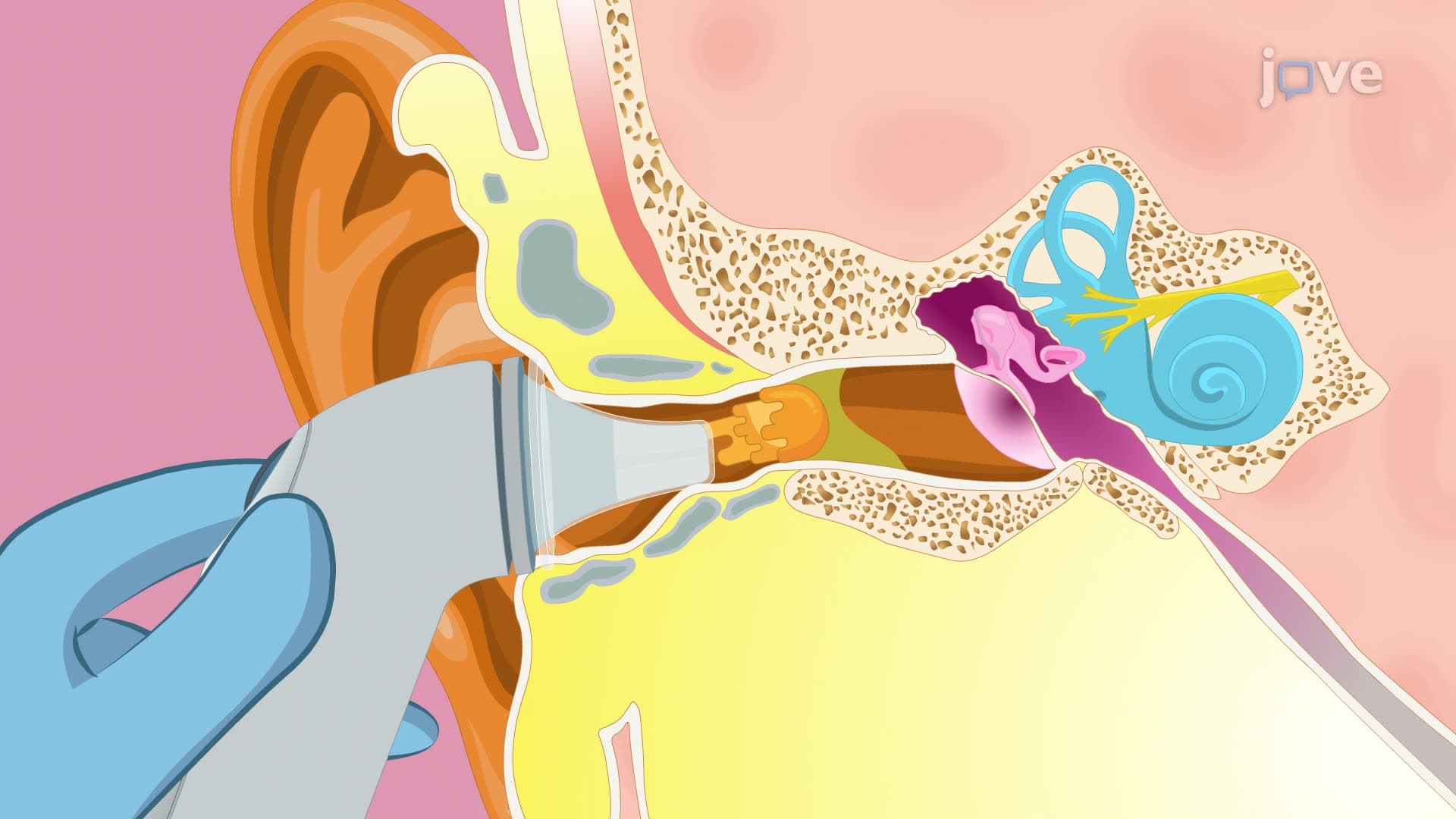
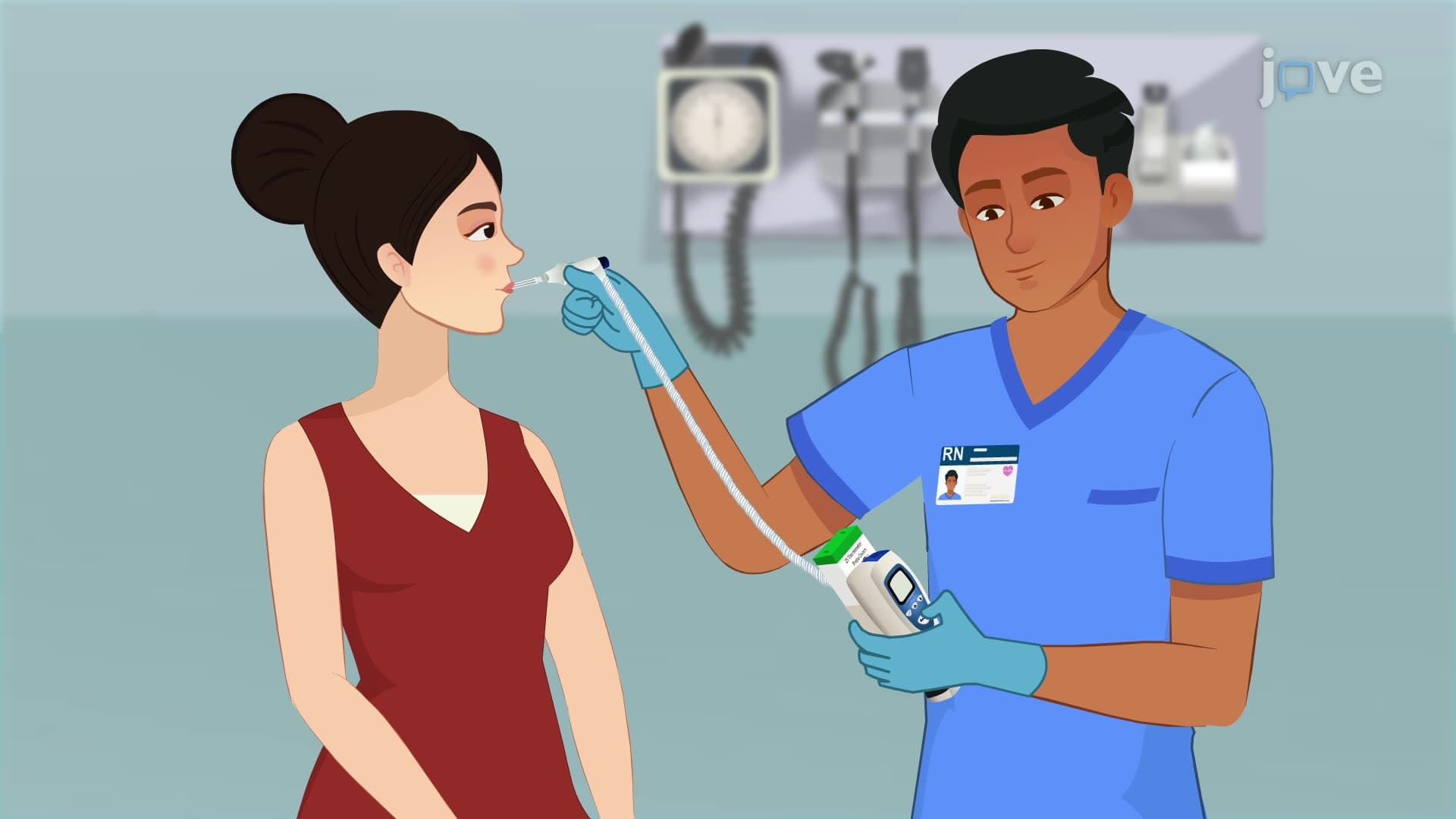
Proper equipment selection forms the cornerstone of accurate vital sign measurement. Healthcare providers must consider multiple patient factors when choosing instruments. For blood pressure measurement, cuff size directly correlates with reading accuracy-using a standard adult cuff on a pediatric patient or an obese adult can result in significantly skewed readings. The American Heart Association specifically recommends that cuff width should equal 40% of the patient's arm circumference. Similarly, thermometer selection varies based on patient age, consciousness level, and clinical condition. Temporal artery thermometers work well for conscious adults, while rectal measurements remain the gold standard for core temperature in critical care settings.
Establishing accurate baseline measurements enables healthcare teams to detect subtle changes that may indicate developing complications. In US nursing education programs and NCLEX preparation, students learn that a patient's "normal" may differ significantly from textbook ranges. A marathon runner might have a resting heart rate of 45 beats per minute, which would be concerning in a sedentary individual but represents their healthy baseline. Trend analysis becomes particularly crucial in settings like intensive care units at institutions such as Cleveland Clinic, where small changes can signal life-threatening complications requiring immediate intervention.
Environmental factors significantly impact vital sign accuracy, a concept heavily emphasized in US healthcare quality improvement initiatives. Temperature measurements can be affected by ambient air temperature, recent food or beverage consumption, or proximity to heating/cooling sources. Blood pressure readings may be elevated in noisy, stressful environments-a phenomenon called "white coat hypertension" that affects up to 30% of patients in clinical settings. Respiratory rate assessments require quiet environments where patients remain unaware of the measurement to prevent conscious breathing pattern alterations.
Related Micro-courses