Loading video…


 17 Concepts
 48.3K views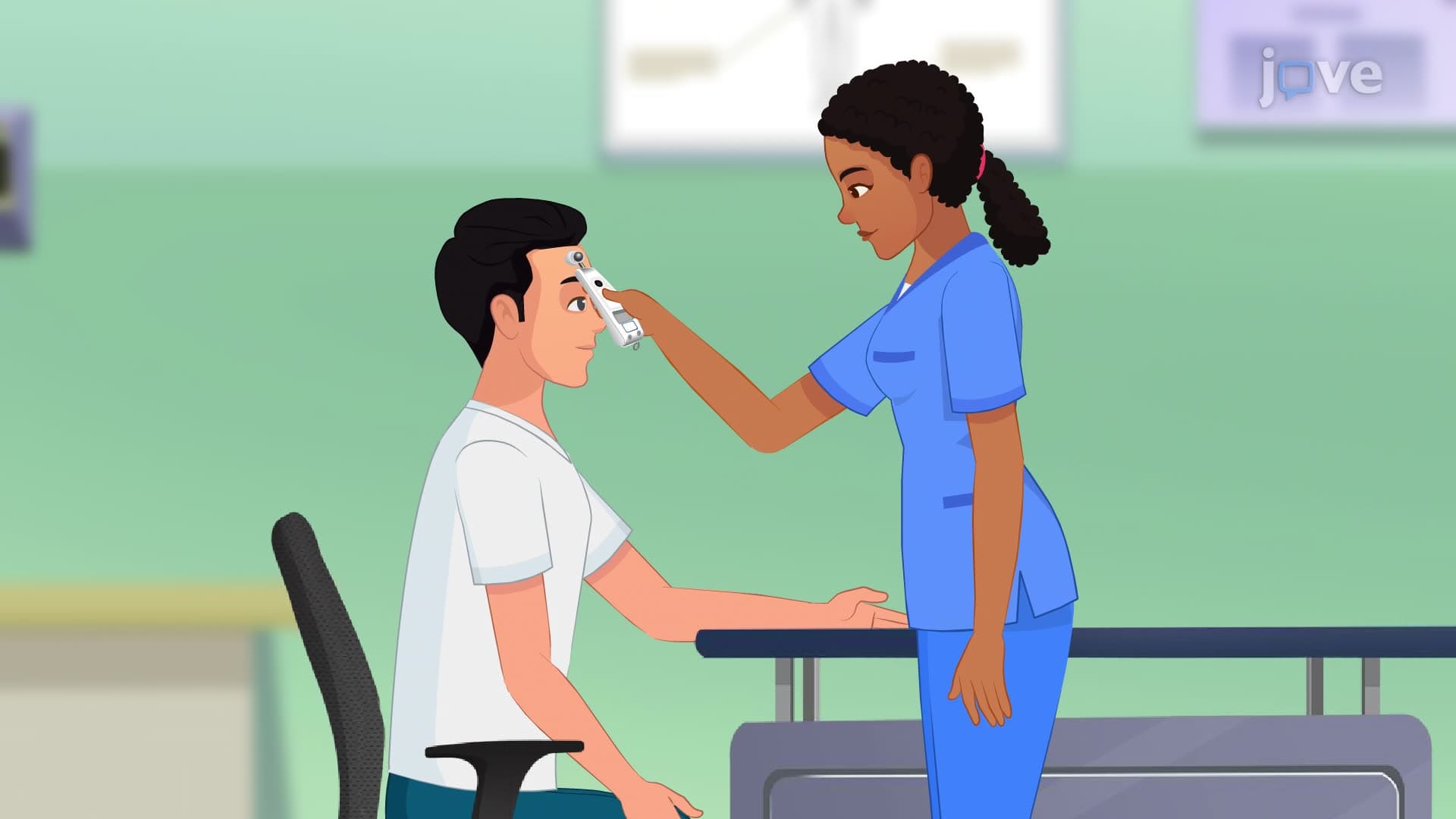

Video Summary: What are Temperature Measurement Sites
Did you know that a rectal thermometer reading can be up to 1.8°F higher than an oral reading from the same person? Understanding temperature measurement sites is crucial for accurate health assessment, whether you're checking a fever at home or working as a nursing student at Johns Hopkins School of Nursing. What are temperature measurement sites involves knowing where and how body temperature can be reliably measured across different anatomical locations. Each site-from oral and axillary to tympanic and rectal-offers unique advantages and limitations based on blood vessel proximity and measurement accuracy. Watch the full video on JoVE Coach to master this concept with expert-led visuals and step-by-step explanations.
Temperature measurement sites refer to specific anatomical locations where healthcare professionals and individuals can accurately assess body temperature using various thermometric devices. These sites are strategically chosen based on their proximity to major blood vessels, accessibility, and ability to reflect either surface or core body temperature. The human body maintains a complex thermal regulation system, and different measurement locations provide varying degrees of accuracy in representing true physiological temperature.
The distinction between surface and core temperature measurement sites is fundamental to clinical practice. Surface sites include oral, axillary, and temporal locations, which are influenced by environmental factors and peripheral circulation. Core sites, particularly rectal and tympanic measurements, more accurately reflect the body's internal temperature regulation mechanisms.
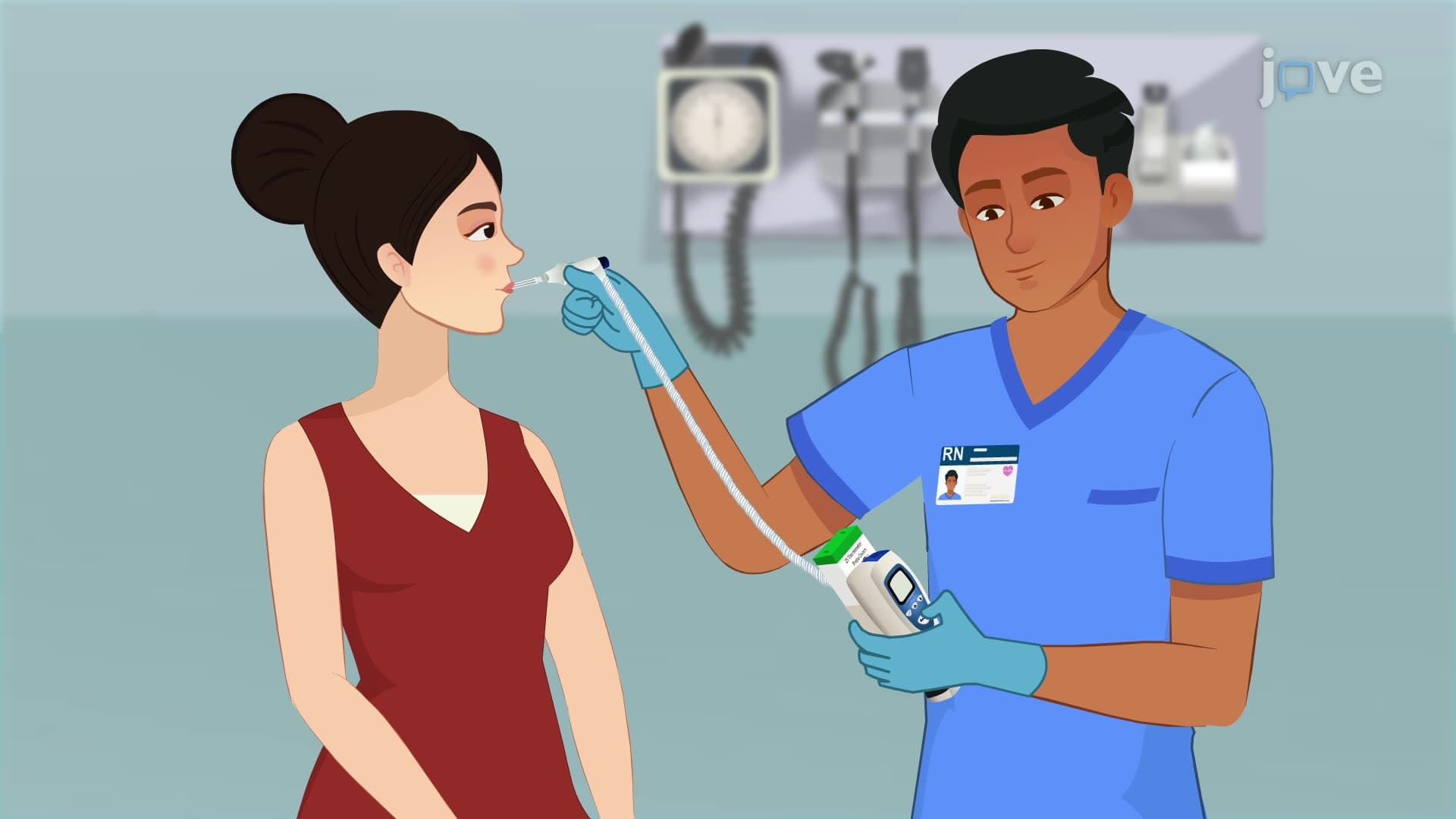
Oral temperature measurement involves placing a thermometer in the sublingual pocket, located under the tongue near the sublingual artery. This proximity to major vascular structures makes oral readings reliable indicators of core body temperature changes. The sublingual artery carries blood directly from the heart, allowing temperature fluctuations to be detected within minutes of physiological changes.
For optimal accuracy, patients must keep their mouth closed for 3-5 minutes before measurement and avoid consuming hot or cold substances for at least 15 minutes prior. This method is commonly used in outpatient settings and is frequently referenced in NCLEX-RN examinations and nursing fundamentals courses at institutions like the University of Pennsylvania School of Nursing.
Axillary temperature measurement, while convenient and non-invasive, presents significant limitations in clinical accuracy. The axillary region lacks proximity to major blood vessels, making readings typically 0.5-1.0°F lower than core temperature. This method requires proper technique, including arm adduction against the chest wall for 10-15 minutes to achieve thermal equilibrium.
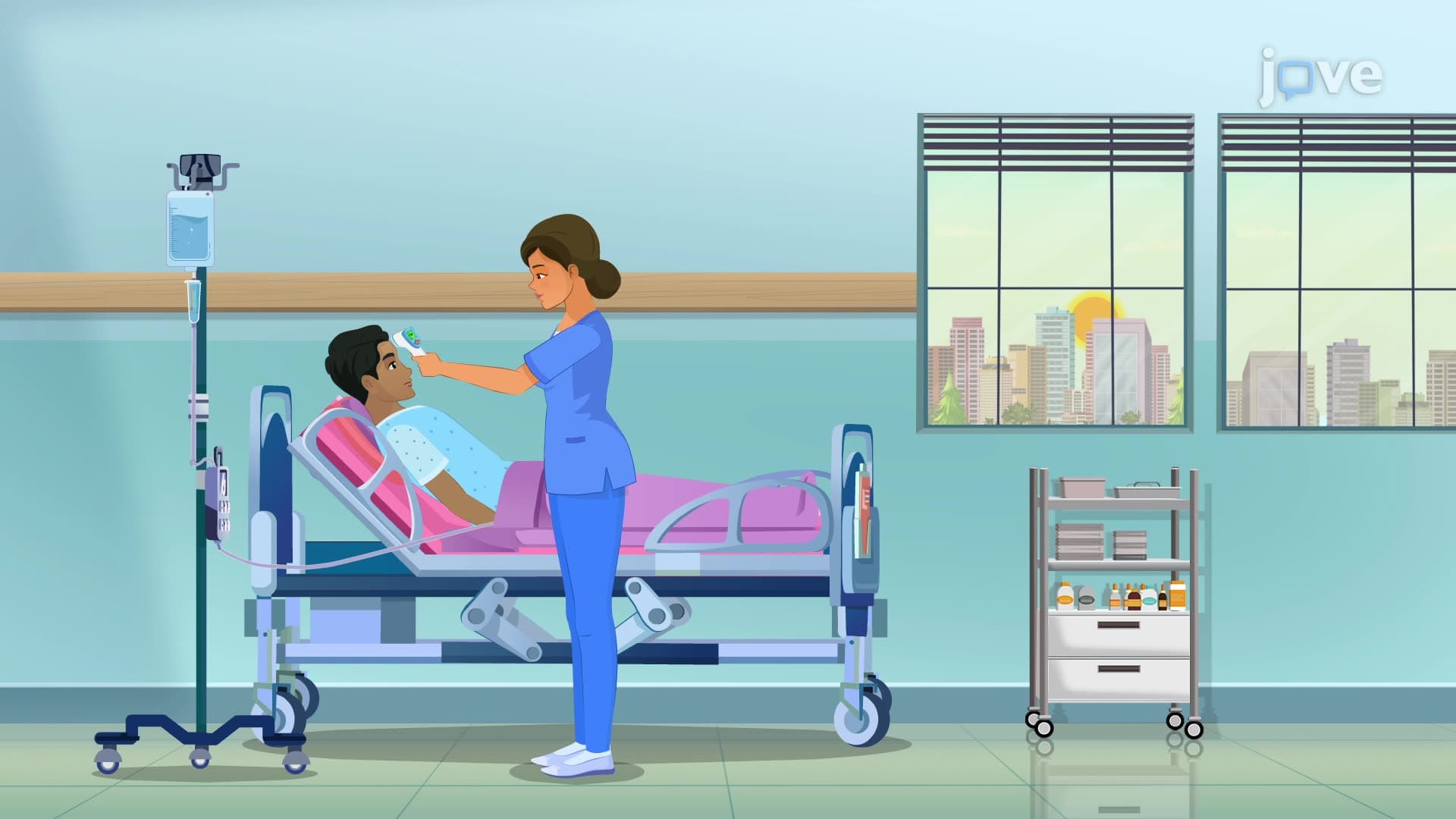
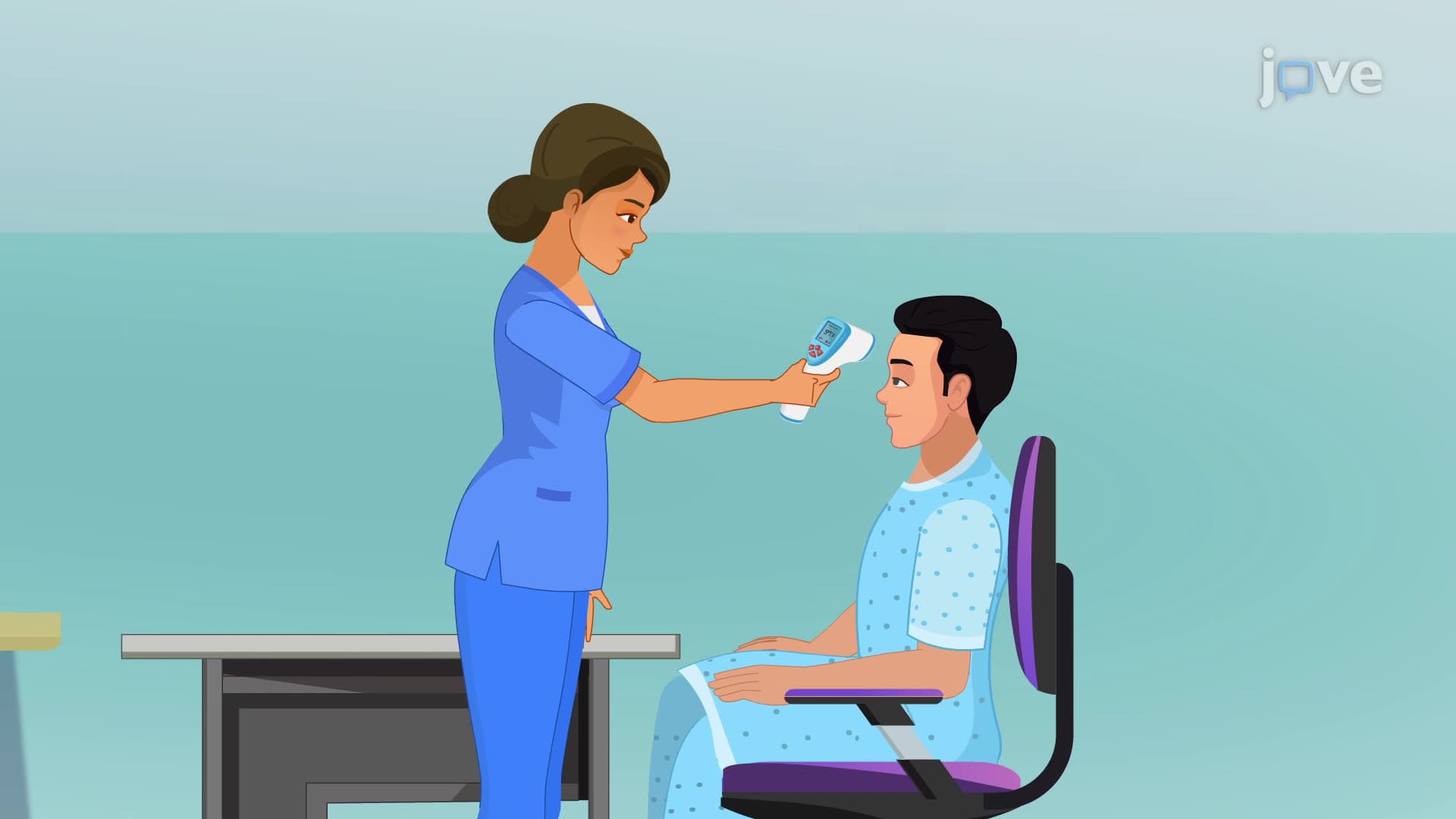
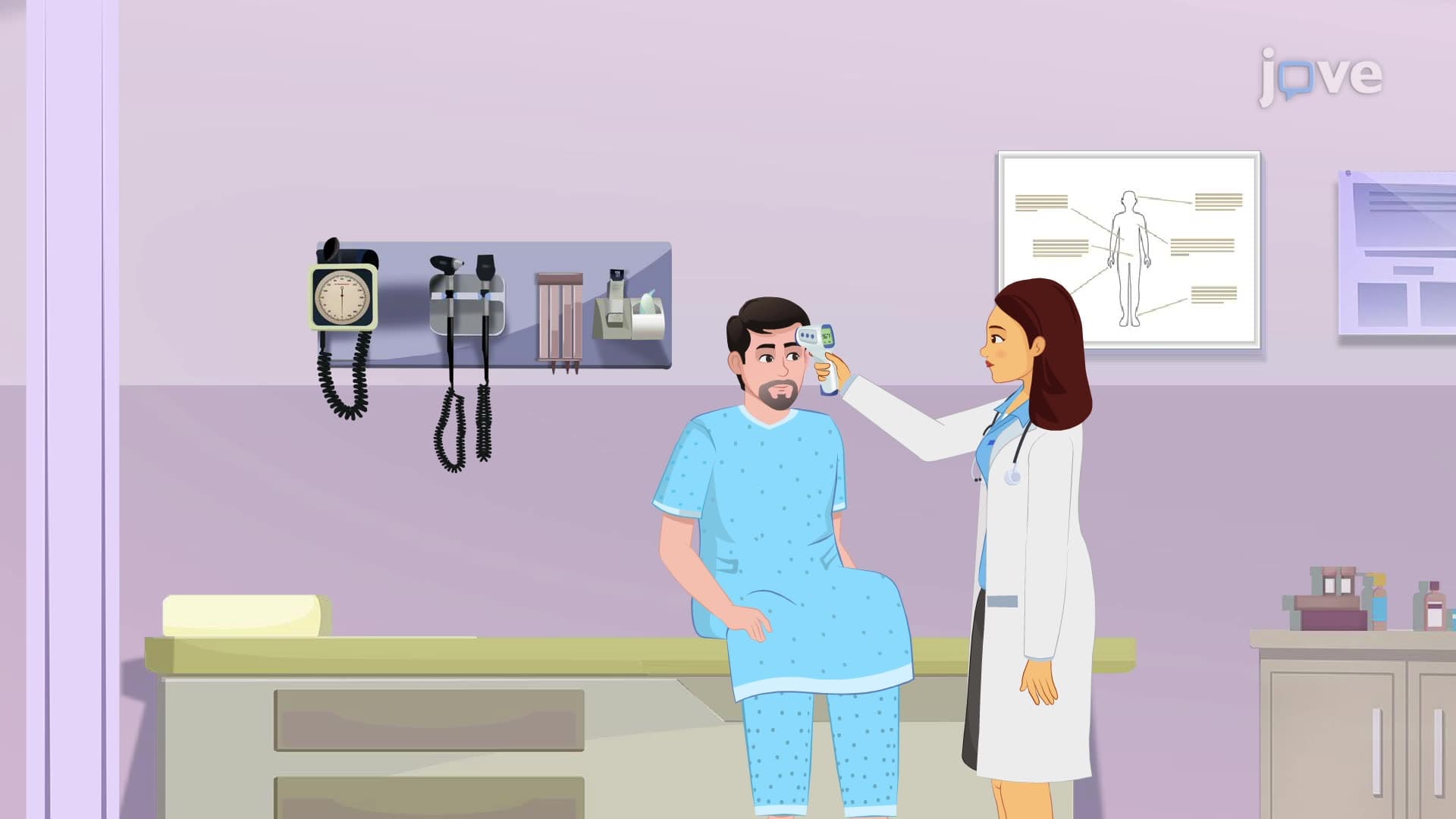
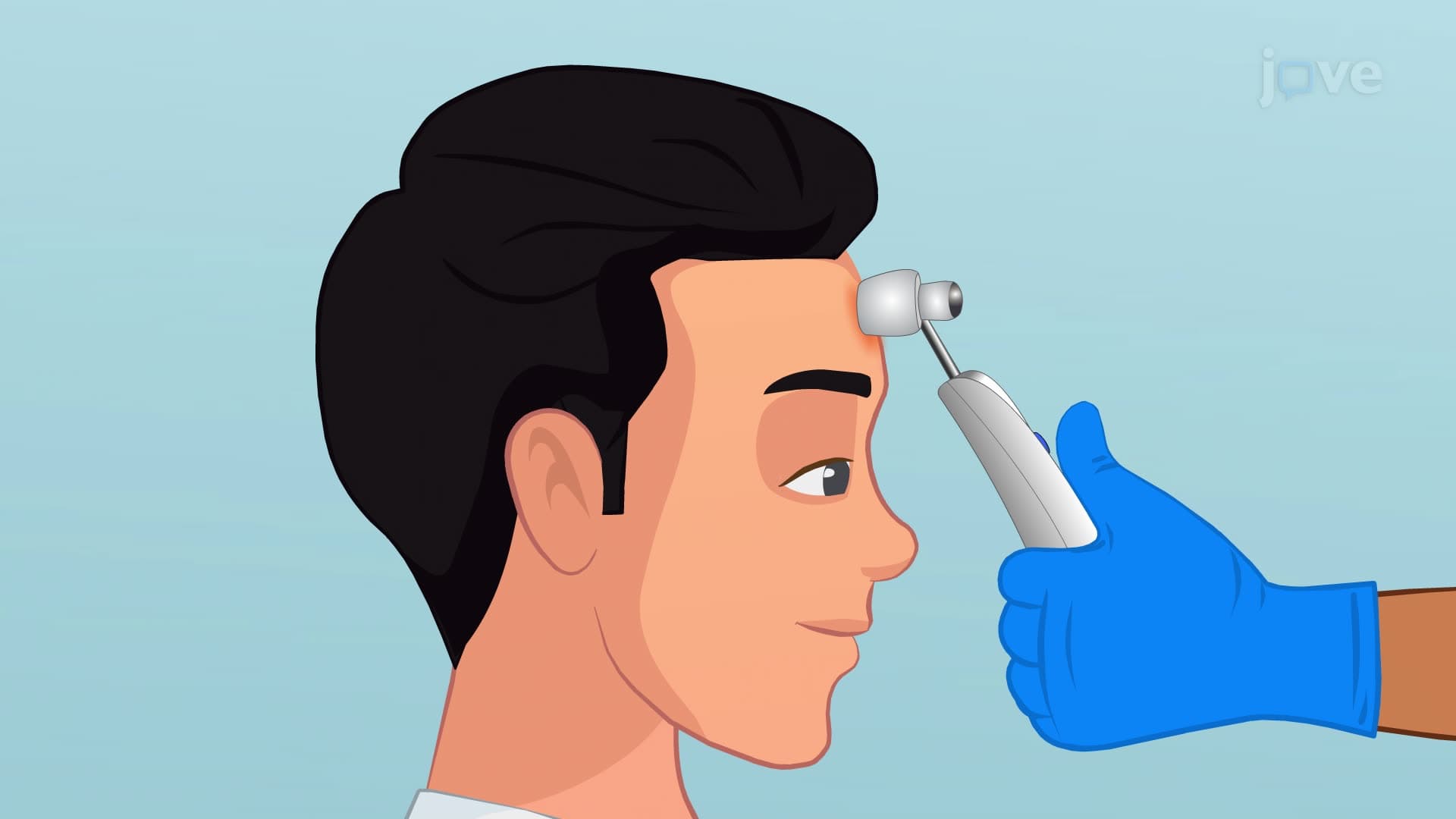
Temporal artery thermometry utilizes infrared technology to detect heat emission from the temporal artery, which runs across the forehead. This non-contact method has gained popularity in pediatric settings and during infection control protocols, such as those implemented during COVID-19 screening at major medical centers like Mayo Clinic and Cleveland Clinic.
Rectal temperature measurement remains the gold standard for core body temperature assessment, particularly in critical care settings and pediatric populations. The rectum's rich vascular supply and insulation from environmental factors provide readings within 0.1°F of true core temperature. This method is essential knowledge for USMLE Step 1 examinations and advanced pathophysiology courses.
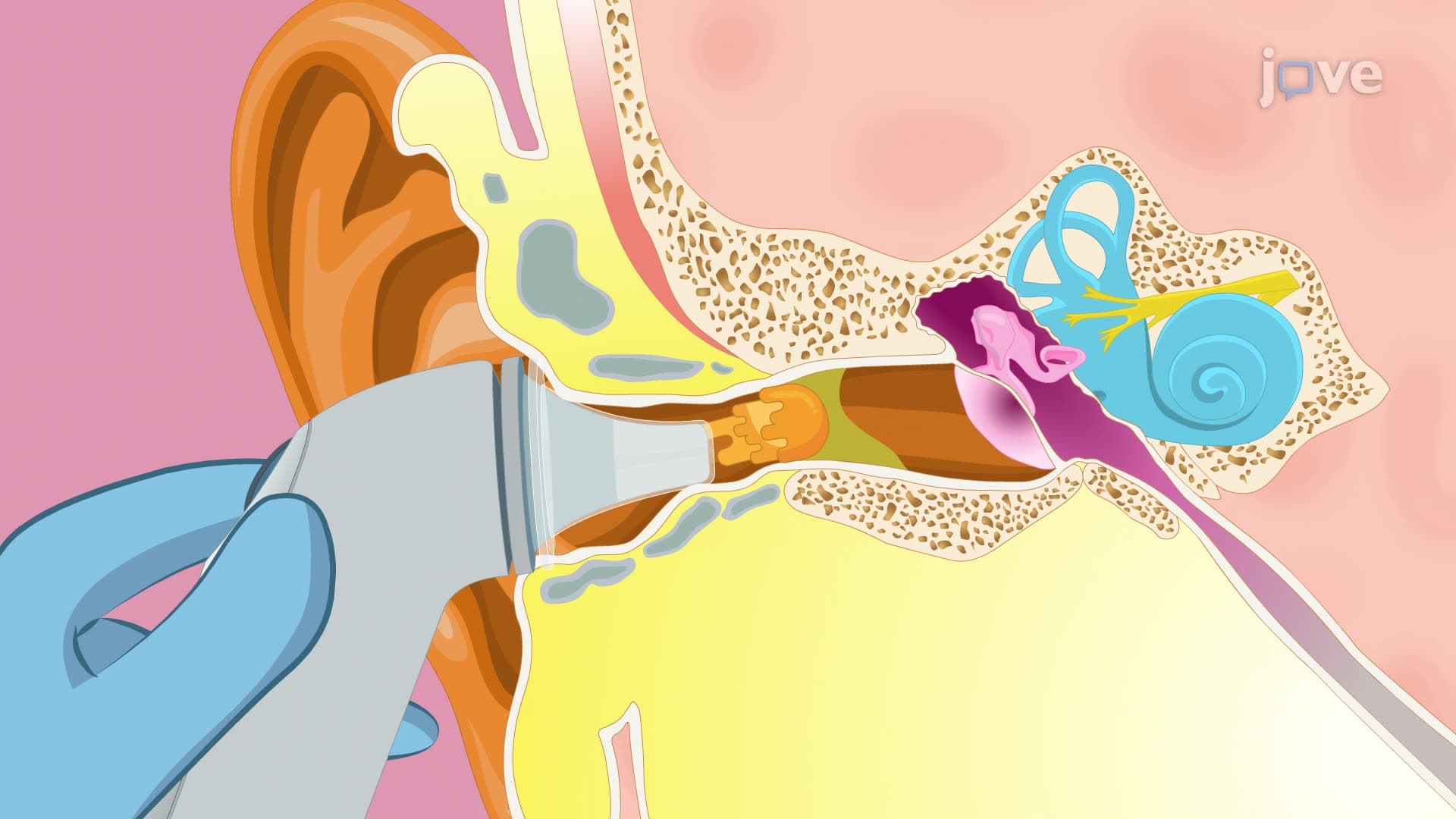
Tympanic membrane thermometry offers a rapid alternative to rectal measurement, utilizing the shared blood supply between the tympanic membrane and hypothalamus. Proper technique requires gentle insertion and contact with the eardrum, making this method valuable in emergency departments across major US hospitals like Johns Hopkins Hospital and Massachusetts General Hospital.
Related Micro-courses