Loading video…


 17 Concepts
 48.3K views

Video Summary: What Is Assessing Body Temperature Axilla
Did you know that axillary temperature readings are typically 1°F lower than oral measurements, making proper technique crucial for accurate patient assessment? Assessing body temperature axilla involves using the armpit as a safe, non-invasive site for temperature measurement, commonly employed in US hospitals like Johns Hopkins for pediatric patients and immunocompromised individuals. What is assessing body temperature axilla becomes essential knowledge for nursing students preparing for clinical rotations. Watch the full video on JoVE Coach to master this concept with expert-led visuals and step-by-step explanations.
Assessing body temperature axilla represents a fundamental clinical skill that healthcare professionals use to monitor patient health status through armpit temperature measurement. This non-invasive technique proves especially valuable in pediatric units at hospitals like Children's Hospital of Philadelphia, where traditional oral thermometry may be impractical or unsafe. The axillary method provides a reliable alternative when rectal temperatures pose infection risks or oral measurements aren't feasible due to patient condition.
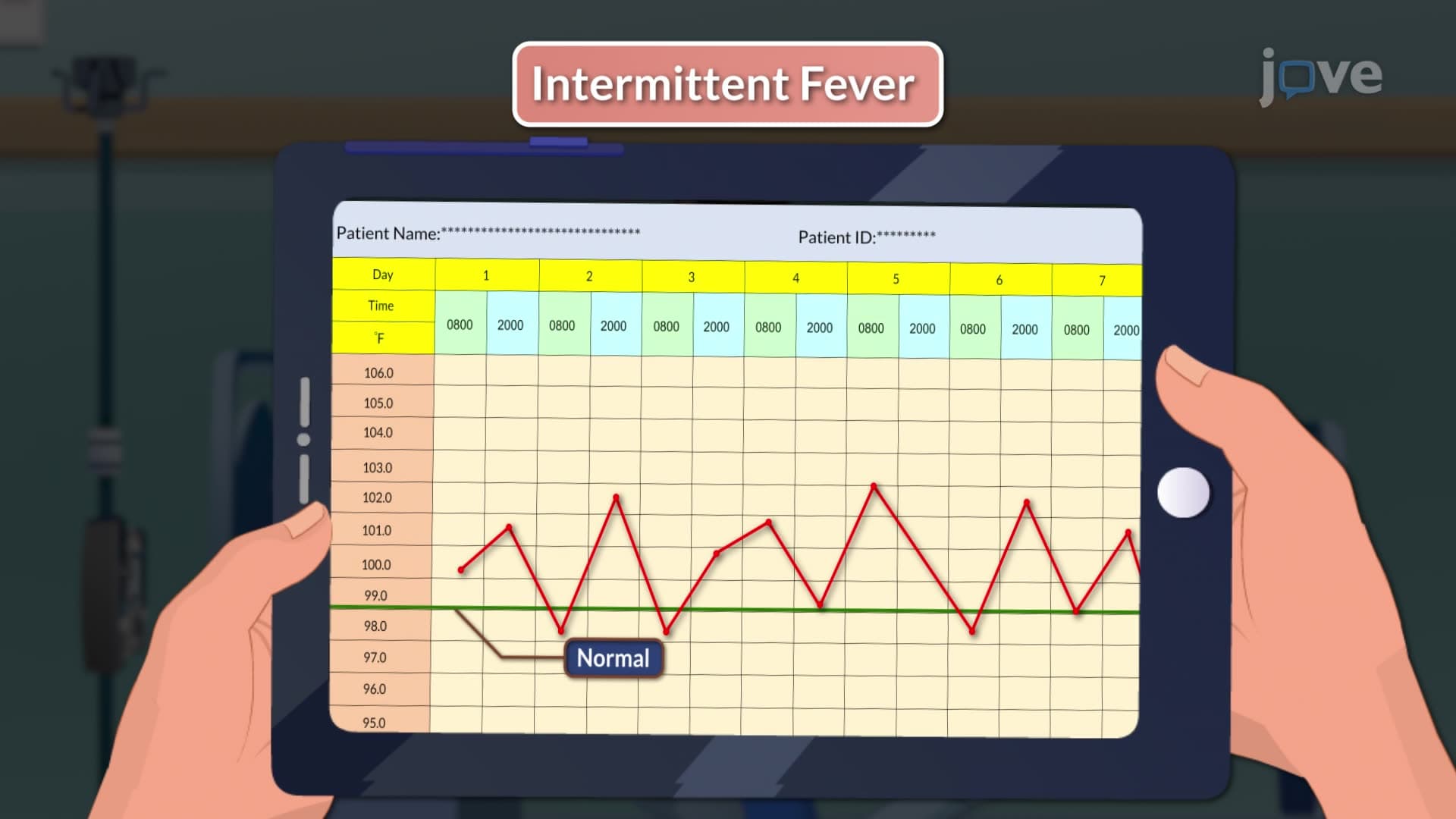
Axillary temperatures typically register 0.5-1.0°F (0.3-0.6°C) lower than core body temperature, with normal ranges falling between 97.8-99.1°F (36.5-37.3°C). This differential occurs because the armpit represents a peripheral measurement site rather than core body temperature. Healthcare facilities like Mayo Clinic emphasize understanding these variations when interpreting axillary readings for clinical decision-making. Students preparing for NCLEX-RN examinations must recognize that fever thresholds differ based on measurement site, with axillary fever typically defined as temperatures above 99.1°F.
Successful axillary temperature assessment requires meticulous attention to sterile technique and patient positioning. The procedure begins with thorough hand hygiene and clean glove application, following CDC guidelines for infection prevention. Armpit preparation using alcohol swabs removes moisture and bacterial contamination that could affect thermometer accuracy. Patient positioning with the arm elevated and elbow flexed ensures optimal thermometer contact with the axillary artery, while having patients hold their arm across the torso maintains consistent placement throughout the measurement period.
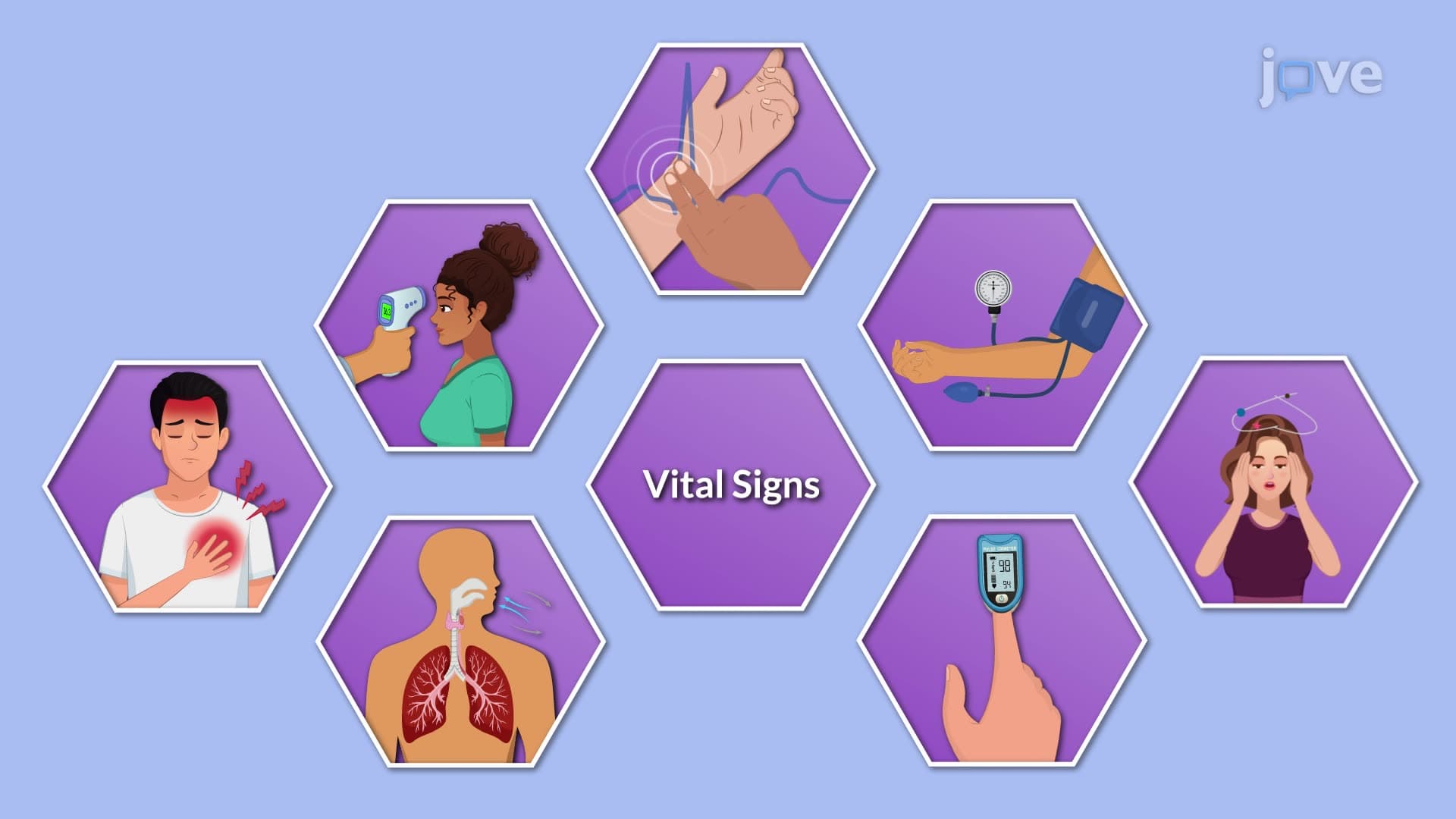
This concept frequently appears on nursing fundamentals examinations, including HESI A2 and TEAS assessments for nursing school admission. College-level anatomy and physiology courses at institutions like University of California system schools emphasize temperature regulation mechanisms and measurement techniques. Students should understand that axillary temperature assessment represents one component of comprehensive vital sign monitoring, often tested alongside blood pressure, pulse, and respiratory rate measurements in clinical skills evaluations.
Related Micro-courses