Loading video…


 17 Concepts
 48.3K views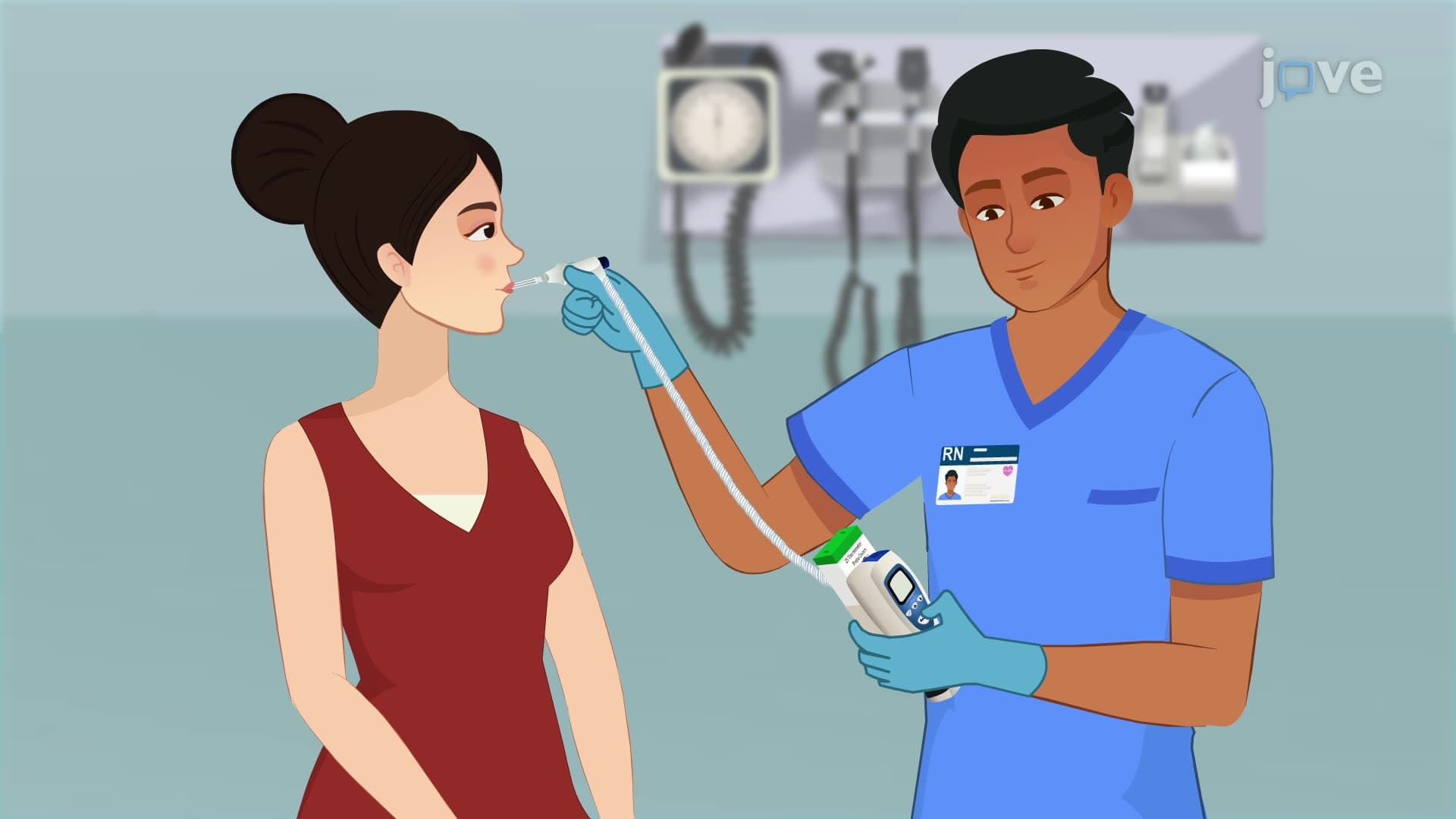

Video Summary: What Is Assessing Body Temperature Oral
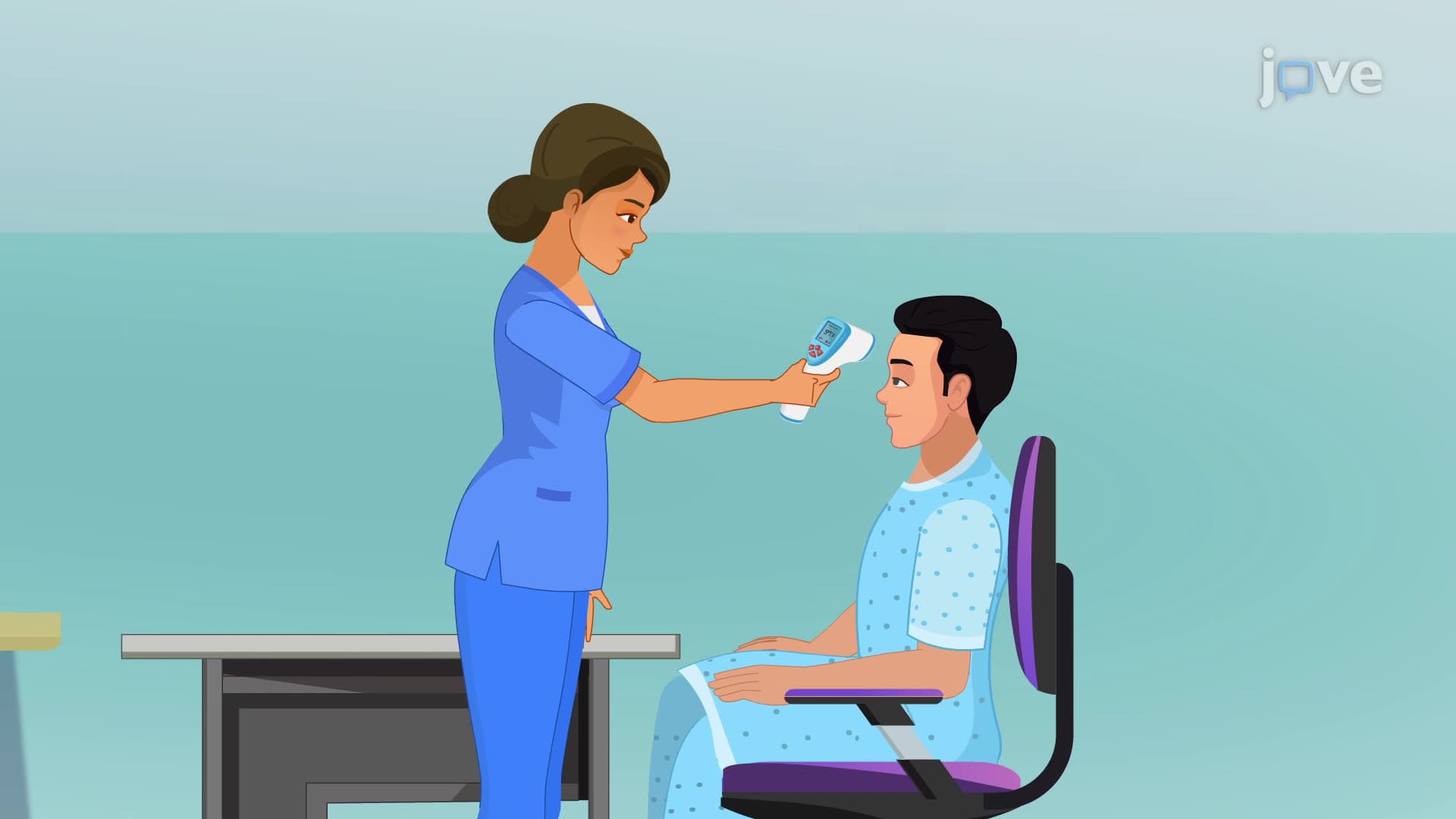
Did you know that a temperature difference of just 1°F can indicate the onset of illness in healthy individuals? Assessing body temperature oral represents one of the most fundamental vital sign measurements in healthcare, requiring precise technique to ensure accurate readings. Nurses at hospitals like Mayo Clinic rely on this method daily to monitor patient health status and detect early signs of infection or fever. What is assessing body temperature oral involves the systematic placement of an electronic thermometer probe beneath the tongue to measure core body temperature through the sublingual artery. Watch the full video on JoVE Coach to master this concept with expert-led visuals and step-by-step explanations.
Assessing body temperature oral serves as a cornerstone procedure in clinical practice, measuring core body temperature through the rich vascular supply of the sublingual region. This method leverages the proximity of sublingual arteries to provide accurate readings that reflect internal body temperature, making it preferred over surface measurements in conscious, cooperative patients.
The oral cavity contains multiple temperature-sensitive areas, but the posterior sublingual pockets offer the most reliable readings due to their vascular anatomy. These bilateral spaces, located beneath the tongue near the lower jaw's center, contain branches of the lingual artery that closely reflect core body temperature. Understanding this anatomical foundation helps explain why proper probe placement significantly impacts measurement accuracy.
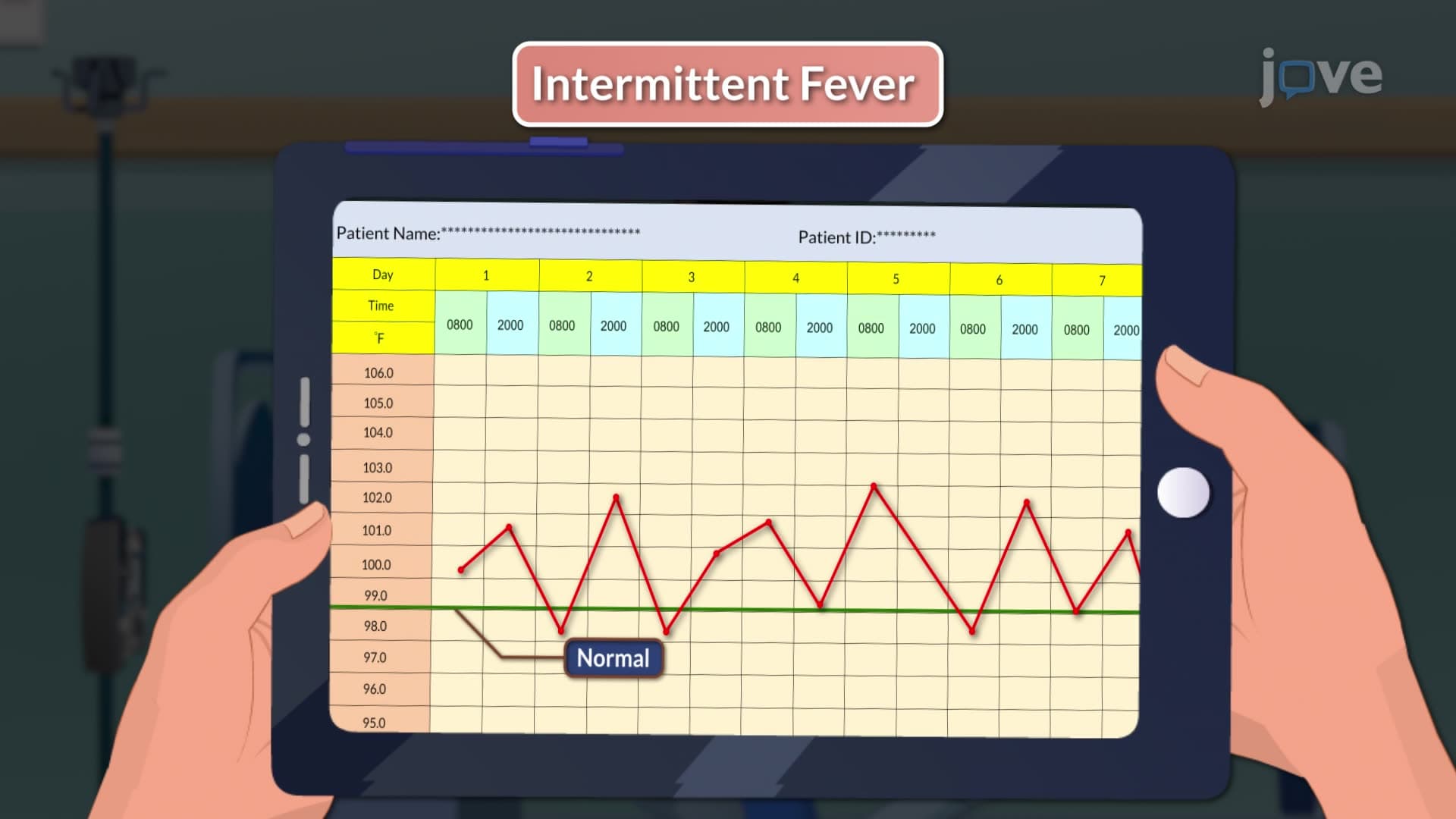
Healthcare professionals across US medical facilities, from community hospitals to major academic medical centers like Johns Hopkins, rely on oral temperature assessment for initial patient evaluation and ongoing monitoring. Normal oral temperature ranges from 97.6°F to 99.6°F (36.4°C to 37.6°C), with readings above 100.4°F (38°C) generally indicating fever requiring further evaluation.
This assessment method proves particularly valuable in detecting early signs of infection, monitoring medication effectiveness, and tracking disease progression. For students preparing for healthcare careers, mastering oral temperature assessment represents essential preparation for clinical rotations and professional practice. The technique appears frequently on nursing certification exams like NCLEX-RN and medical school assessments.
Modern electronic thermometers provide rapid, accurate measurements when used correctly. The procedure requires specific attention to probe placement, patient cooperation, and environmental factors. Patients should avoid hot or cold substances for 15-30 minutes before measurement to prevent artificially altered readings.
Cross-contamination prevention through proper hand hygiene and disposable probe covers represents critical infection control measures. These practices align with CDC guidelines and Joint Commission standards implemented across US healthcare facilities. Students studying for AP Biology or college-level anatomy courses should understand how this procedure integrates infection control principles with physiological measurement techniques.
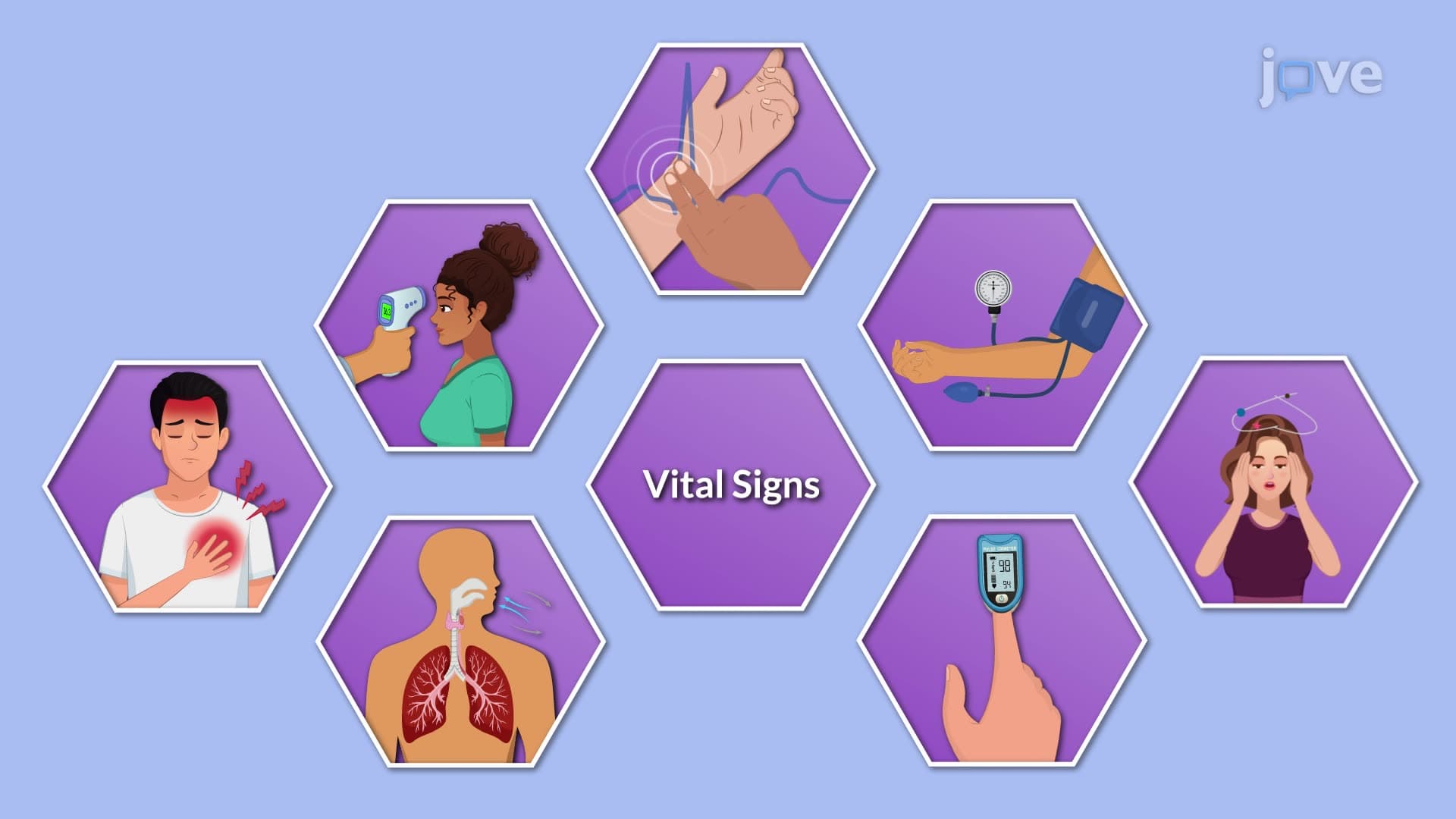
Oral temperature assessment rarely occurs in isolation but forms part of comprehensive vital sign evaluation alongside pulse, blood pressure, and respiratory rate. Healthcare providers use temperature trends rather than single readings to make clinical decisions, emphasizing the importance of consistent technique and accurate documentation. This holistic approach to patient assessment appears prominently in MCAT passages and nursing school curricula, making thorough understanding essential for academic success.
Related Micro-courses