Loading subject page…


48,273 views


Video Summary: What Is Body Temperature
Ever wonder why you feel feverish at 101°F but perfectly fine at 98.6°F? Body temperature regulation biology involves a complex interplay between heat production and heat loss that keeps your core temperature within a narrow, life-sustaining range. When a marathon runner in Phoenix maintains normal body temperature despite 115°F heat, their hypothalamus orchestrates an intricate cooling system through vasodilation and sweating. Watch the full video on JoVE Coach to master this concept with expert-led visuals and step-by-step explanations.
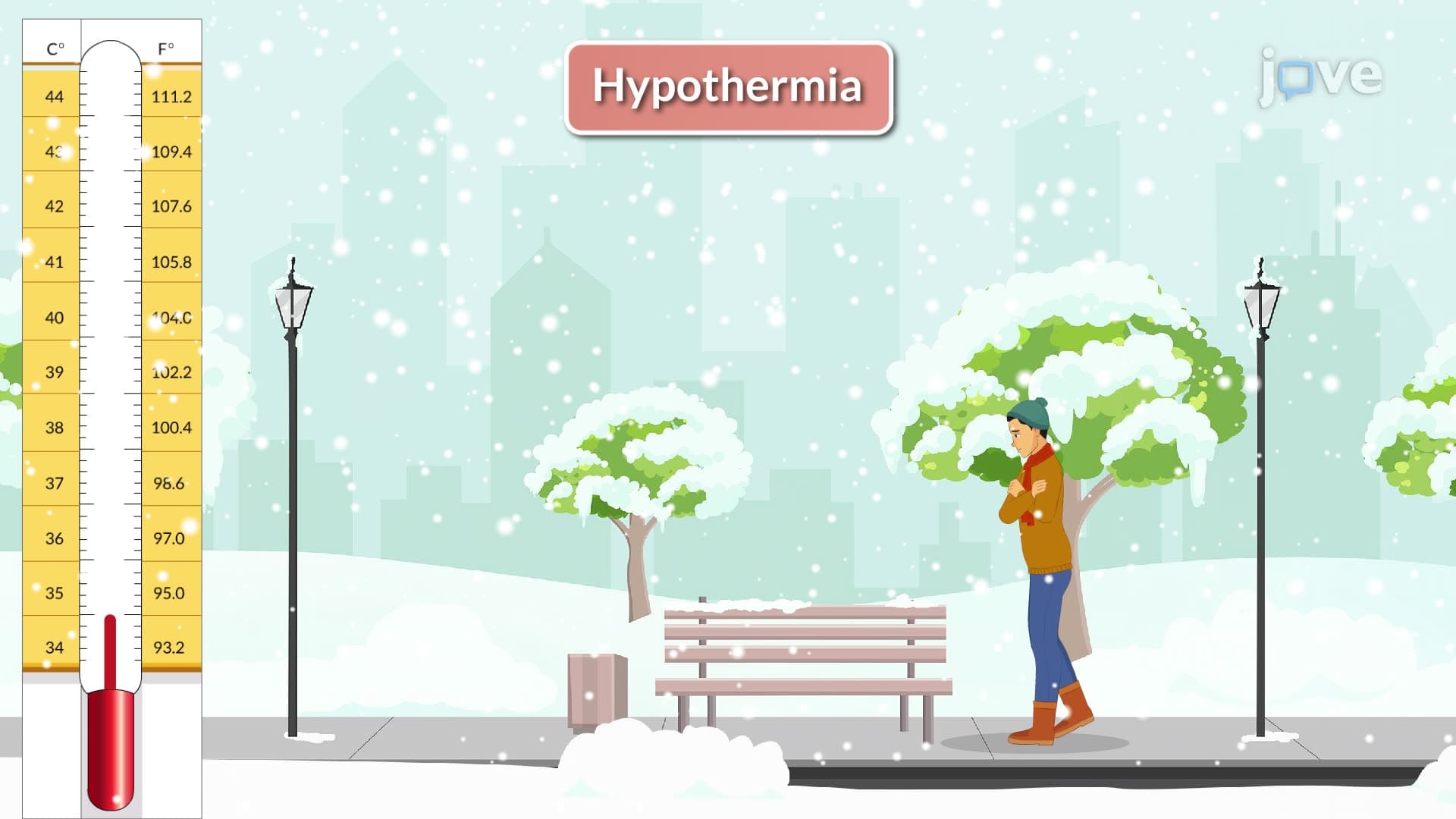
What is body temperature fundamentally represents the dynamic equilibrium between metabolic heat production and environmental heat loss. Unlike simple thermostats, human body temperature regulation biology operates through sophisticated feedback loops that maintain core temperature within 1-2°F of the optimal 98.6°F (37°C). This precision proves critical-even small deviations can impair enzyme function, cellular metabolism, and organ performance.
The hypothalamus functions as your body's thermoregulatory headquarters, with distinct regions handling different aspects of temperature control. The anterior hypothalamus specializes in heat dissipation, while the posterior hypothalamus manages heat conservation and production. When core temperature rises-whether from exercise, fever, or environmental heat-the anterior hypothalamus triggers sympathetic nervous system responses that open arteriovenous shunts. These microscopic connections between arterioles and venules bypass capillary beds, allowing warm blood to flow directly to skin surfaces for cooling.
Normal body temperature explained requires understanding four primary heat loss pathways. Evaporation through sweating represents the most powerful cooling mechanism-a single liter of sweat can dissipate approximately 580 kilocalories. Radiation accounts for about 60% of heat loss in comfortable environments, while convection and conduction provide additional cooling channels. During cold exposure, the posterior hypothalamus initiates heat production through multiple strategies: thyroid hormones increase metabolic rate, skeletal muscle shivering generates heat through involuntary contractions, and piloerection (goosebumps) attempts to trap insulating air layers.
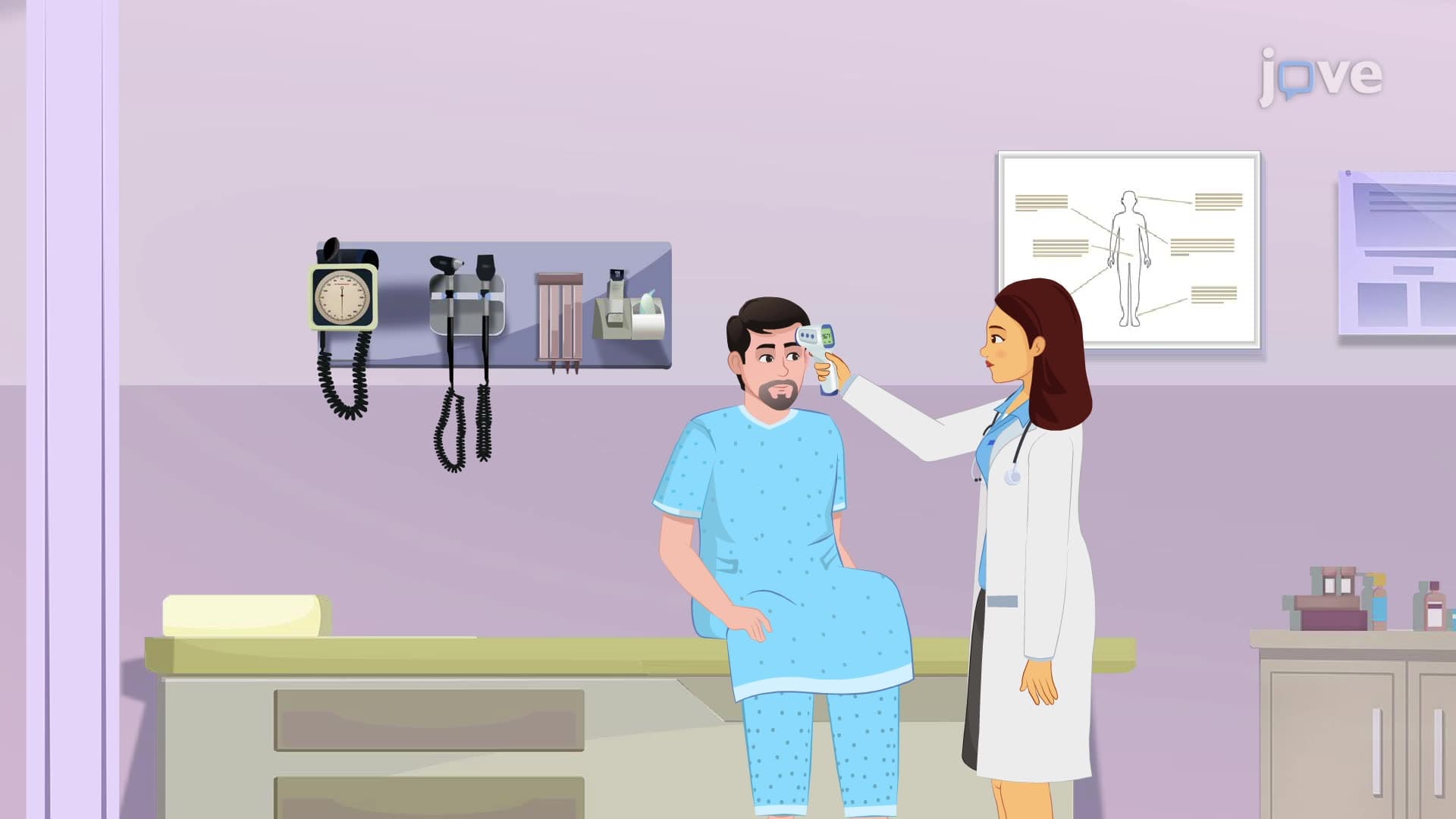
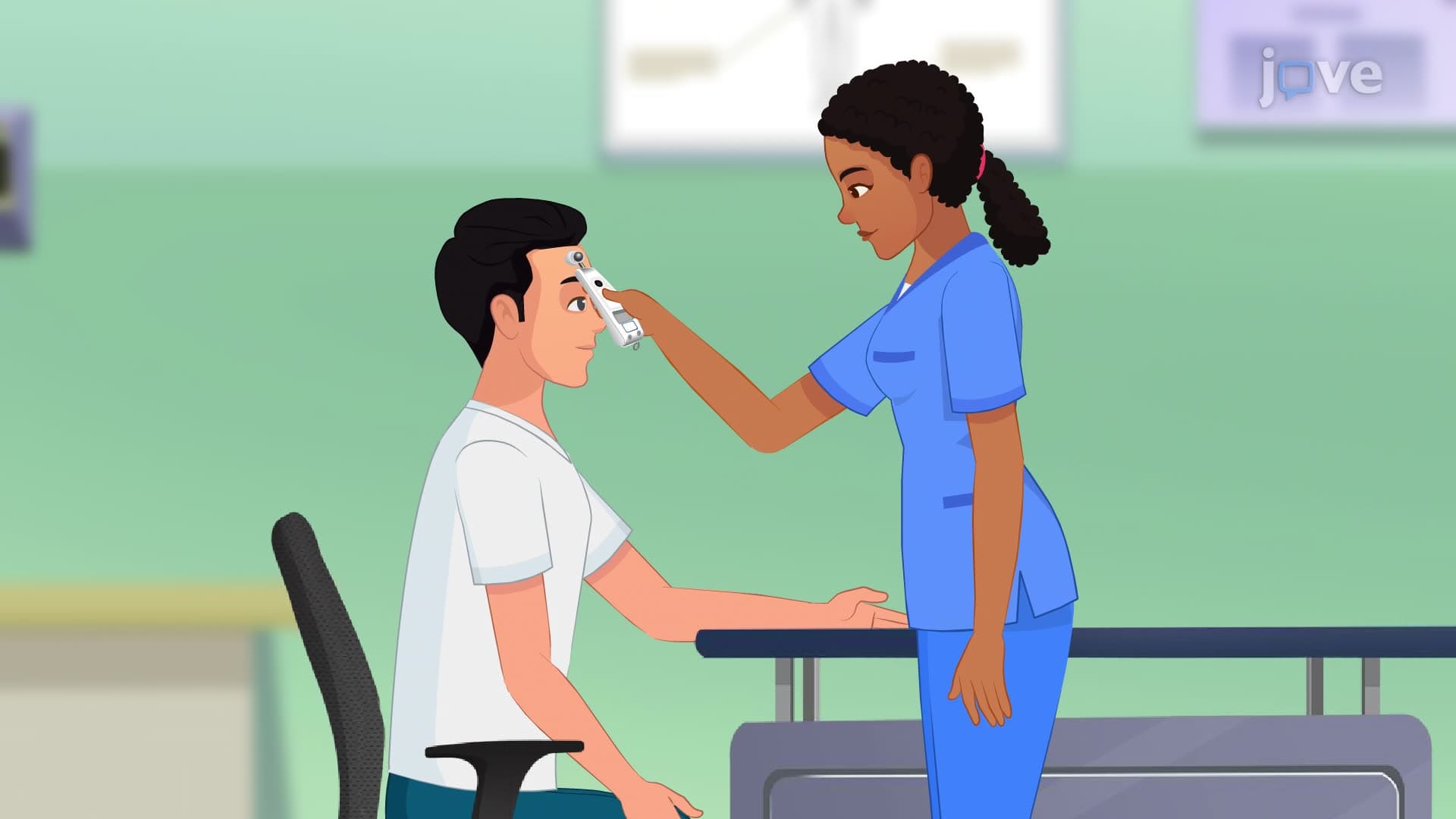
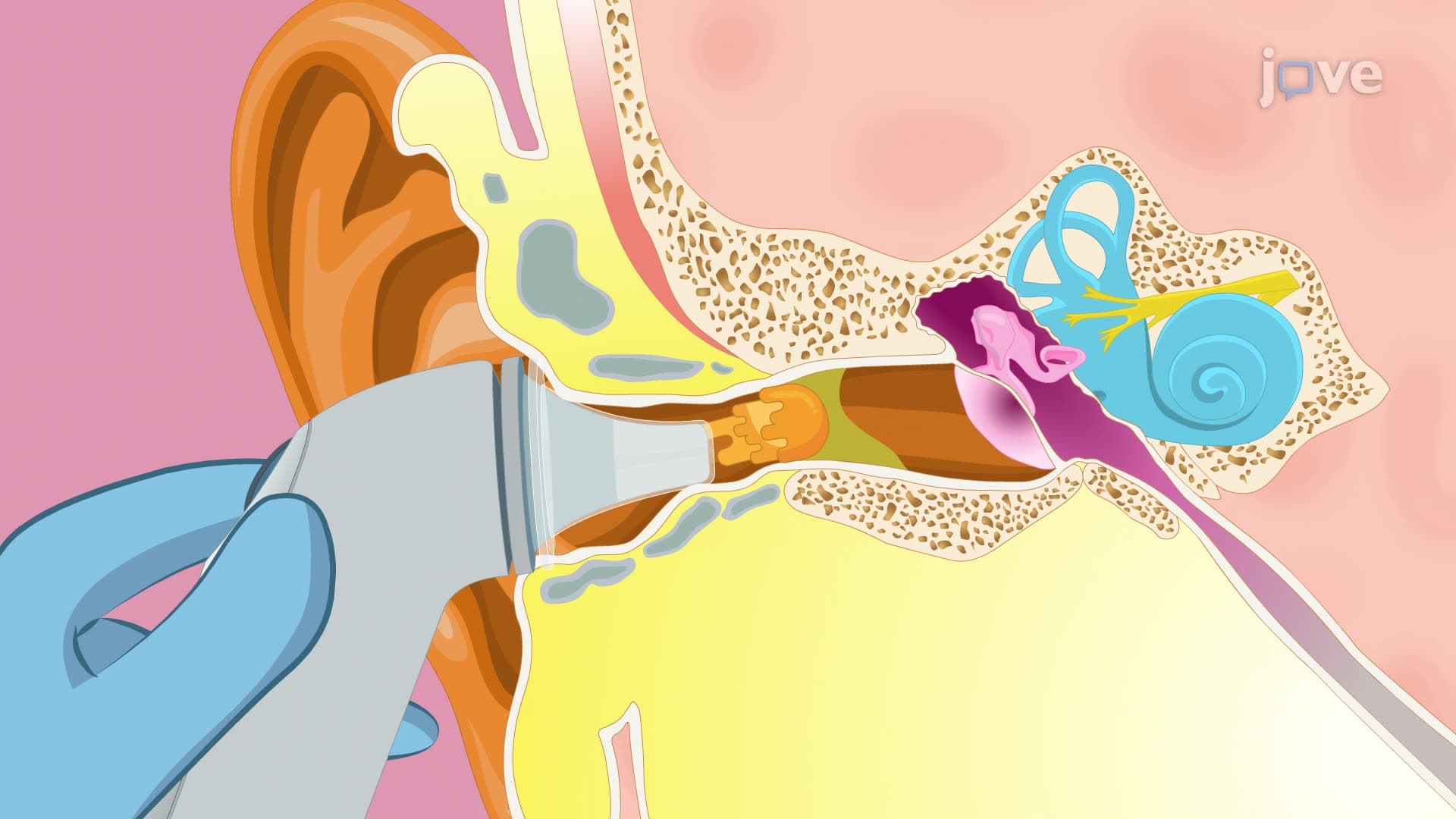
Understanding thermal regulation biology proves essential for AP Biology students tackling homeostasis questions and pre-med students preparing for MCAT passages about physiological control systems. Healthcare students encounter these concepts when studying fever management, hypothermia treatment, and surgical temperature monitoring. Real-world applications include understanding why elderly patients in nursing homes require warmer environments (decreased metabolic heat production) or why athletes in humid conditions face higher heat illness risks (reduced evaporative cooling efficiency).
Related Micro-courses