Loading video…


 17 Concepts
 48.3K views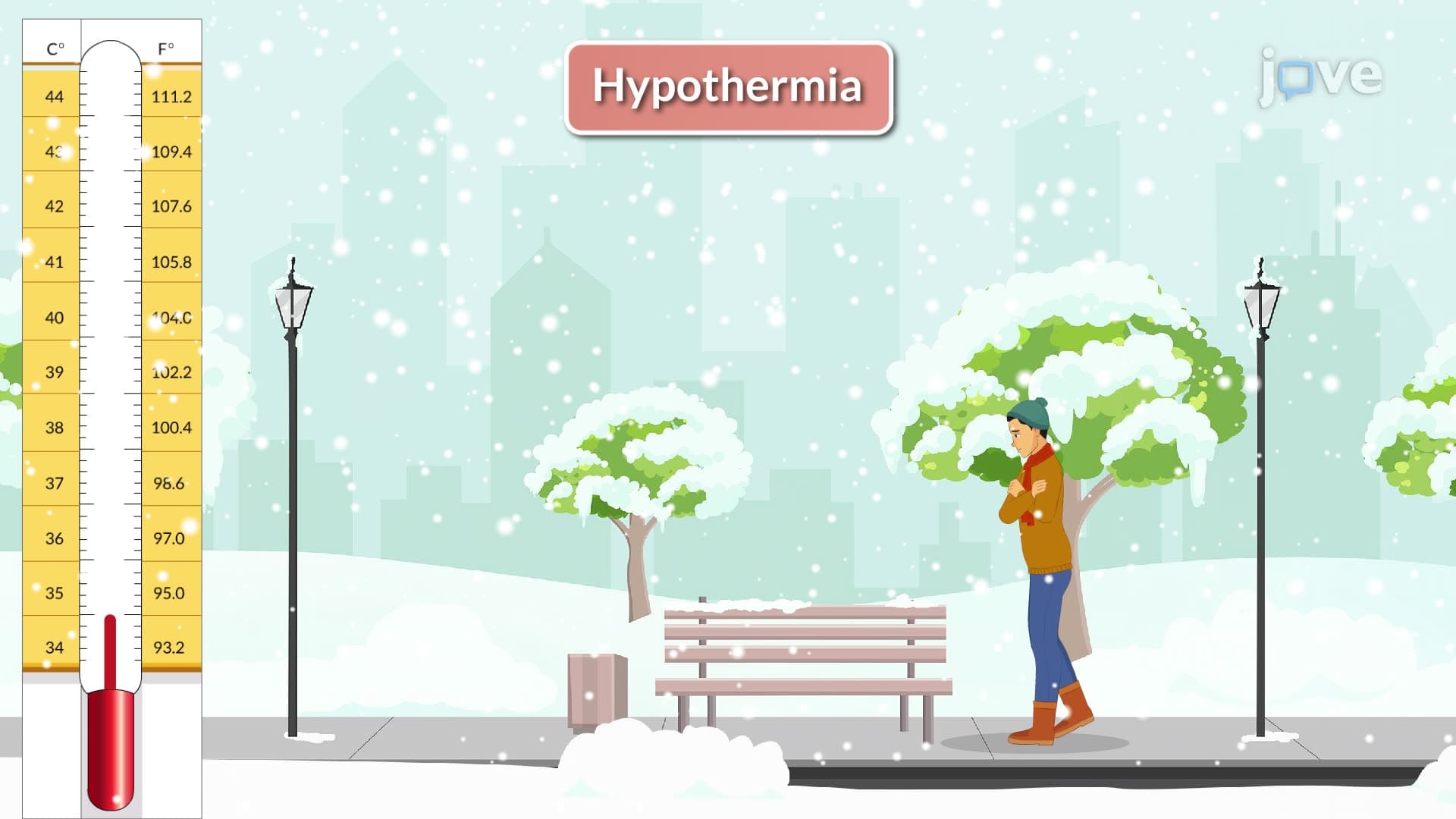

Video Summary: What Is Decreased Body Temperature
Did you know that decreased body temperature can occur in hospital emergency rooms across the US within just 30 minutes of cold exposure? Decreased body temperature represents a critical medical condition where the body's core temperature drops below the normal range of 97-99°F, leading to potentially life-threatening complications. When hikers get lost in Colorado's mountains during winter storms, they often experience this dangerous condition firsthand. Understanding what is decreased body temperature involves recognizing two primary conditions: hypothermia and frostbite, both requiring immediate medical intervention. Watch the full video on JoVE Coach to master this concept with expert-led visuals and step-by-step explanations.
Decreased body temperature occurs when the human body's core temperature falls below the normal range of 97-99°F (36-37°C), disrupting essential physiological processes. This condition represents a failure of the body's thermoregulatory mechanisms to maintain homeostasis against environmental or internal challenges. Unlike fever, which involves an upward adjustment of the body's temperature set point, decreased body temperature typically results from overwhelming heat loss or impaired heat production.
The human body maintains temperature through a complex system involving the hypothalamus, which acts as the body's thermostat. When this system becomes compromised, two distinct but related conditions can develop: hypothermia and frostbite. Medical professionals in US emergency departments encounter these conditions frequently, particularly in northern states during winter months and in cases involving alcohol intoxication or drug overdoses.
Hypothermia develops when the body's core temperature drops below 95°F (35°C), creating a cascade of physiological disruptions. The condition progresses through three distinct stages: mild (90-95°F), moderate (82-90°F), and severe (below 82°F). During mild hypothermia, patients experience shivering, confusion, and loss of fine motor control - symptoms commonly seen in emergency rooms from Boston to Seattle during harsh winters.
As hypothermia progresses, the cardiovascular system becomes severely compromised. Heart rate and breathing slow dramatically (bradycardia and bradypnea), blood pressure drops (hypotension), and dangerous cardiac arrhythmias can develop. The famous case of Anna Bågenholm, who survived extreme hypothermia after falling through ice, demonstrates how severely decreased body temperature can temporarily preserve brain function while shutting down other systems.
Medical professionals recognize that hypothermia can be therapeutic when controlled. Cardiac surgeons routinely use induced hypothermia during complex heart operations, deliberately cooling patients to 60-68°F to protect organs during procedures. This application appears frequently on MCAT practice exams and nursing school assessments like the NCLEX.
Frostbite represents localized tissue damage from freezing, most commonly affecting fingers, toes, nose, and ears - areas with limited blood circulation. The condition occurs when tissue temperature drops below 32°F (0°C), causing ice crystal formation within cells. These crystals physically damage cell membranes and organelles, leading to irreversible tissue death if severe.
The progression from frostnip (superficial cooling) to deep frostbite follows predictable patterns tested in AP Biology and college anatomy courses. Initially, affected areas become red and cold, then numb and hard. The characteristic white, waxy appearance indicates significant tissue damage requiring immediate medical attention. Mountaineers attempting peaks in Alaska or climbers in Colorado's fourteeners frequently encounter these conditions.
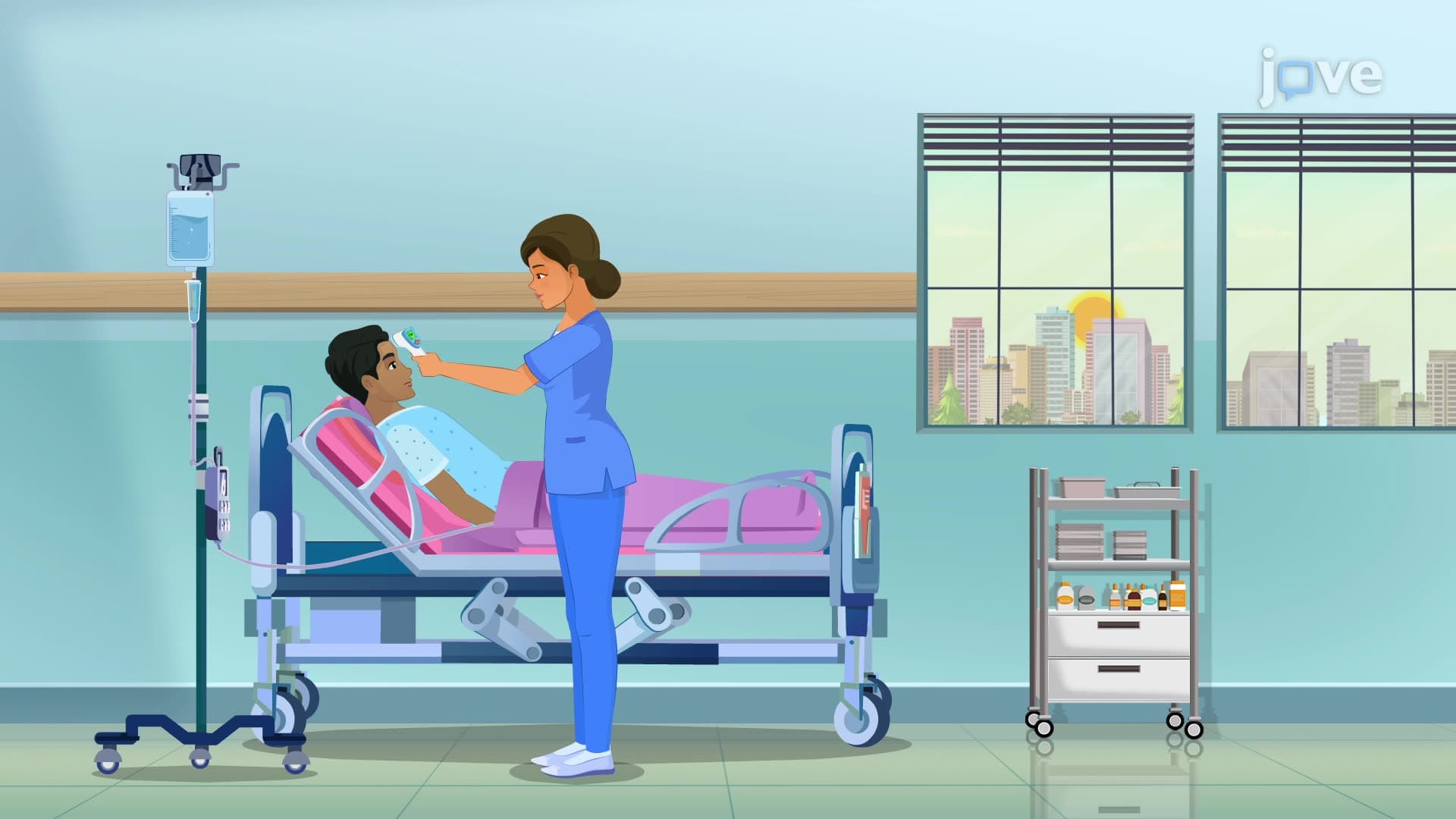
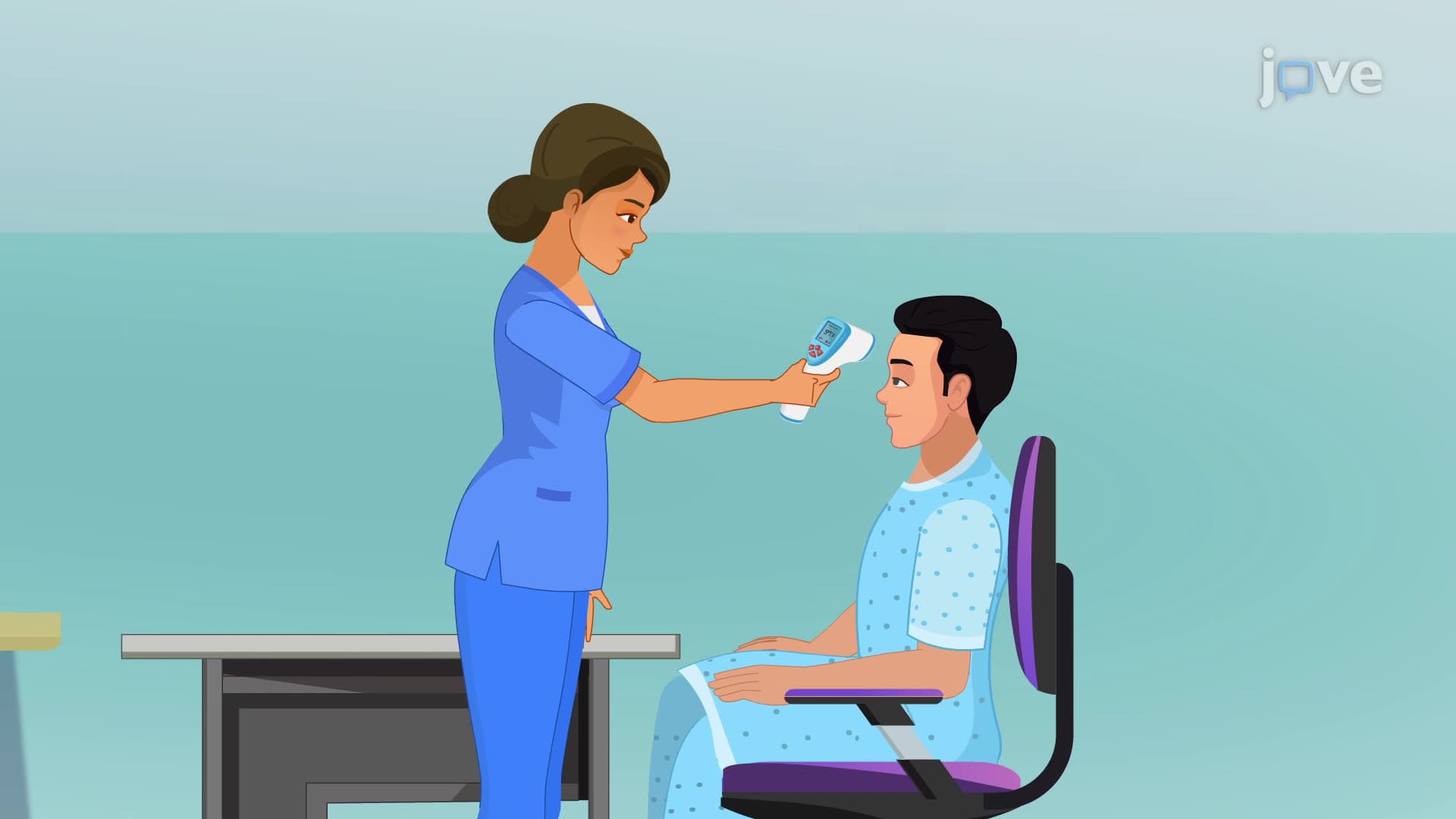
Healthcare providers must quickly assess decreased body temperature using core temperature measurements rather than peripheral readings. Standard protocols in US hospitals involve rewarming strategies that depend on hypothermia severity. Passive external rewarming works for mild cases, while severe hypothermia may require extracorporeal membrane oxygenation (ECMO) or cardiopulmonary bypass - advanced techniques covered in medical school curricula and tested on USMLE Step 2.
Students preparing for healthcare careers should understand that decreased body temperature assessment appears regularly on nursing entrance exams like HESI A2 and TEAS, typically focusing on recognition of symptoms and appropriate interventions. The mnemonic "Cold BEARS" (Confusion, Bradycardia, Hypotension, Elevated liver enzymes, Arrhythmias, Respiratory depression, Shivering cessation) helps students remember key hypothermia signs for exam success.
Related Micro-courses