Loading video…


 17 Concepts
 48.3K views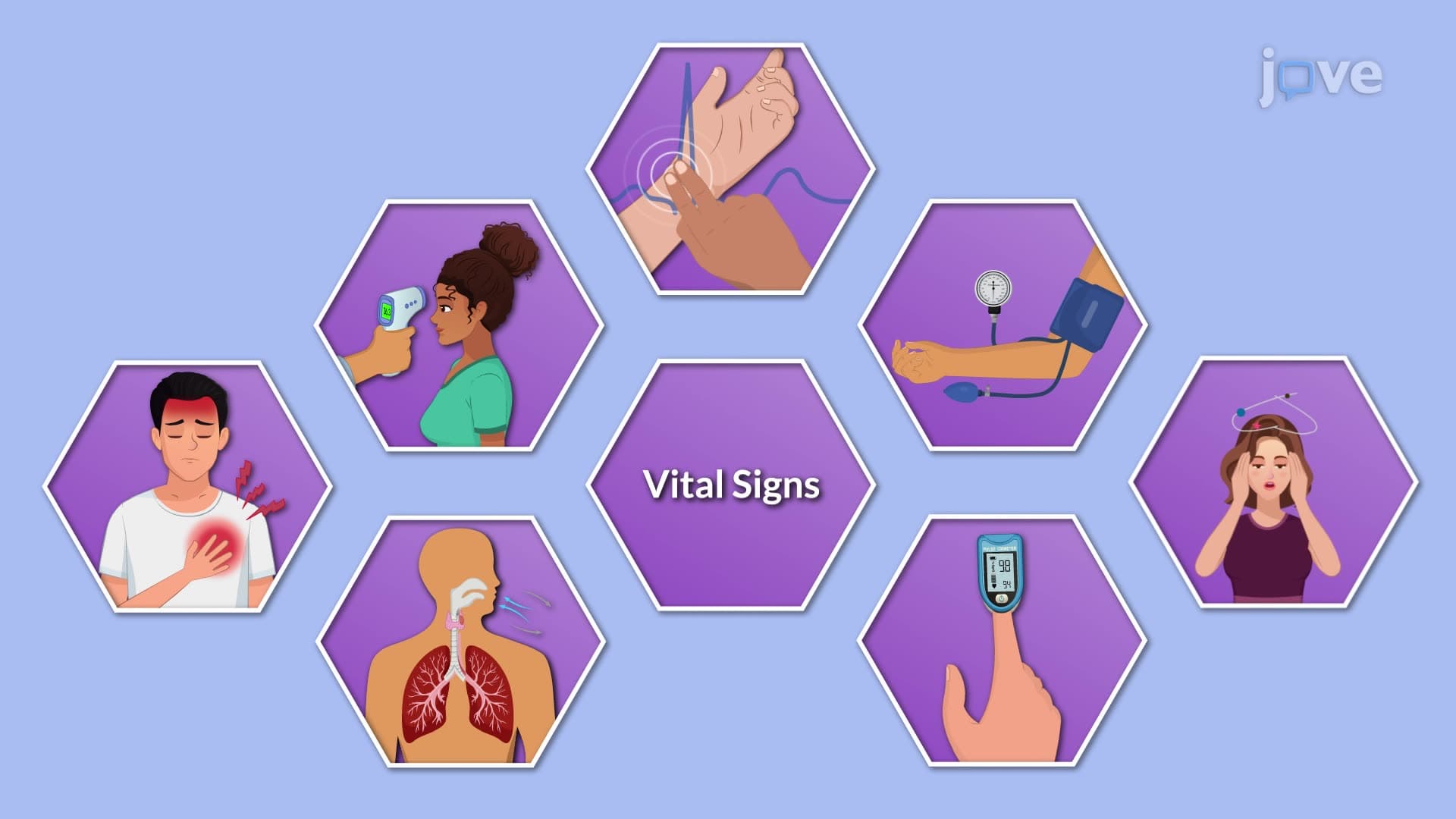

Video Summary: What Is Vital Signs
Did you know that vital signs can predict medical emergencies up to 24 hours before they occur? Understanding what vital signs are forms the foundation of all healthcare assessment-from emergency rooms at Johns Hopkins Hospital to your annual physical exam. These five critical measurements (temperature, pulse, blood pressure, oxygen saturation, and respiration) reveal your body's current health status and help healthcare providers detect changes before symptoms appear. Watch the full video on JoVE Coach to master this concept with expert-led visuals and step-by-step explanations.
Vital signs represent the body's most fundamental physiological measurements, serving as essential indicators of health status and organ function. These standardized assessments provide healthcare professionals with immediate insight into a patient's cardiovascular, respiratory, and neurological systems. In US healthcare settings, from community hospitals to major medical centers like Mayo Clinic, vital signs form the cornerstone of patient evaluation and ongoing monitoring.
The acronym T-P-BP-SpO2-R helps healthcare students remember the five primary vital signs. Temperature (T) reflects the body's metabolic activity and potential infection. Pulse (P) indicates heart rate and rhythm, revealing cardiovascular function. Blood pressure (BP) measures the force of blood against arterial walls, indicating cardiac output and vascular resistance. Oxygen saturation (SpO2) shows how effectively the lungs deliver oxygen to the bloodstream. Respiration (R) counts breathing rate and assesses respiratory system function. Some institutions, including Veterans Affairs hospitals, also consider pain levels and consciousness as additional vital signs.
Understanding normal vital sign ranges becomes crucial for students preparing for healthcare careers and standardized exams like the NCLEX-RN or MCAT. For healthy adults, normal ranges include: temperature 97.8-99.1°F, pulse 60-100 beats per minute, blood pressure less than 120/80 mmHg, oxygen saturation 95-100%, and respiration 12-20 breaths per minute. These ranges vary significantly with age-pediatric patients typically have higher heart rates and respiratory rates, while elderly patients may show different baseline values due to physiological changes.
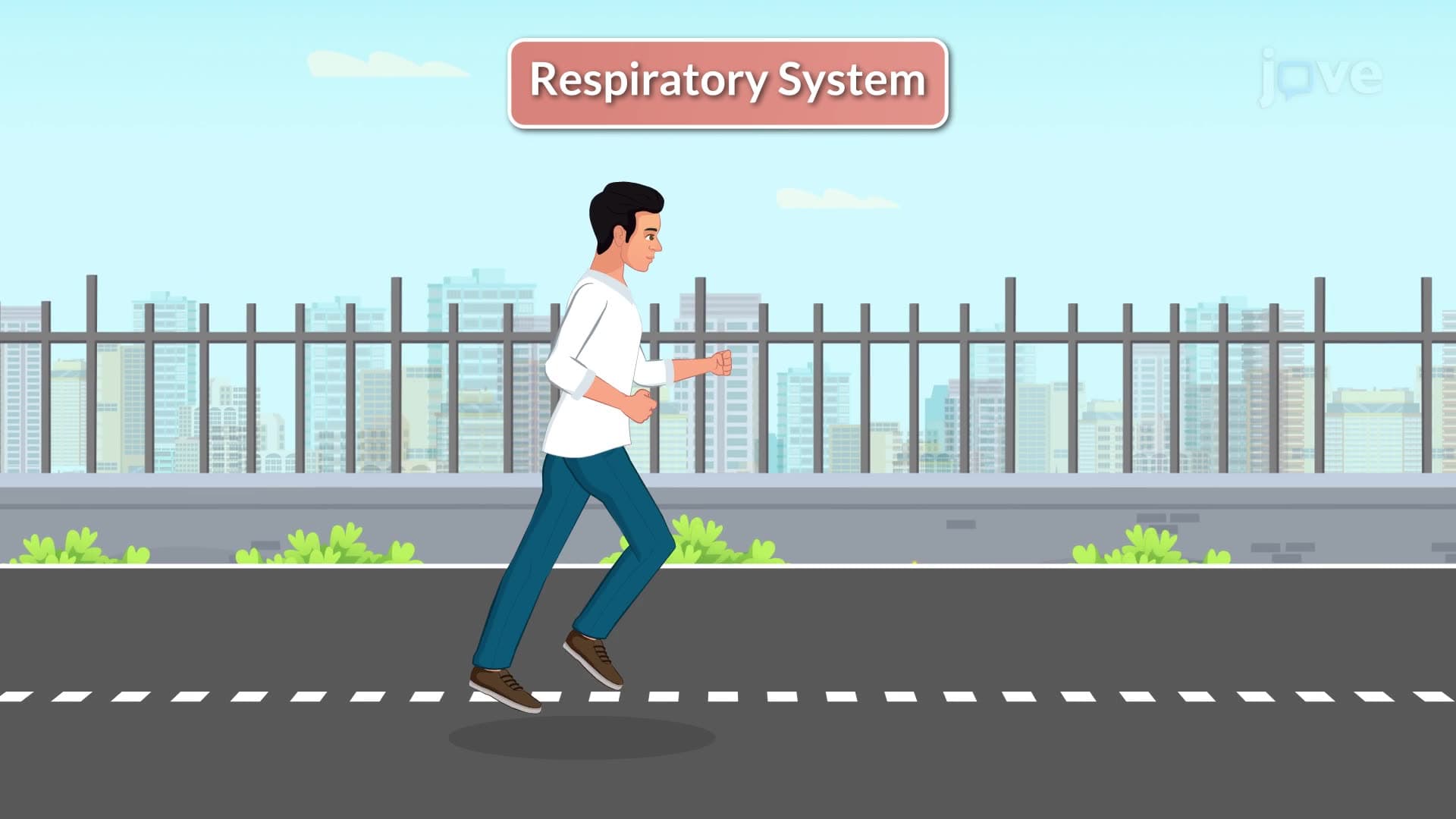
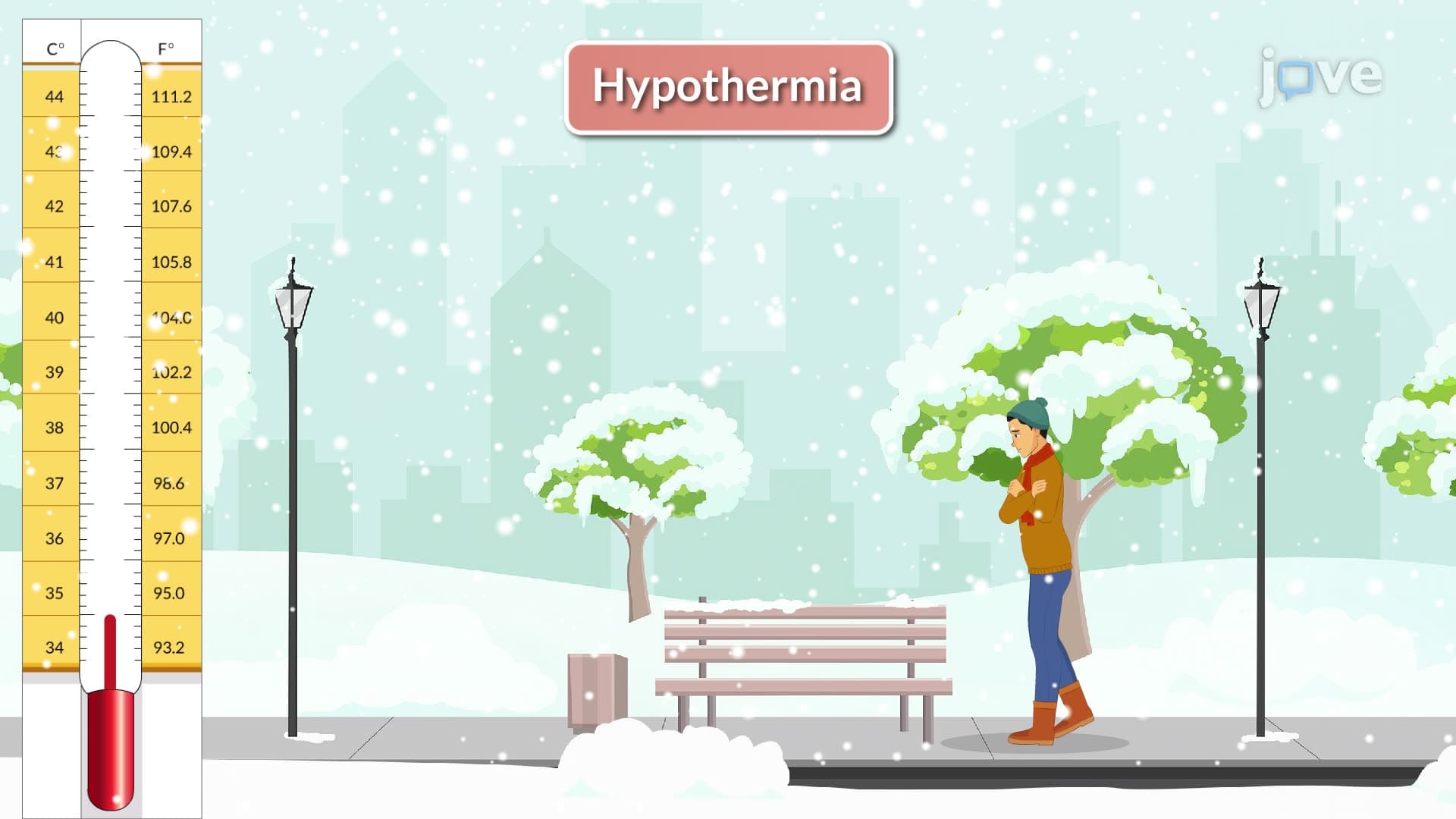
Multiple factors affect vital sign measurements, making interpretation skills essential for healthcare providers. Environmental temperature can alter body temperature readings, while stress and anxiety commonly elevate pulse and blood pressure. Physical activity, medications (particularly those affecting cardiovascular or respiratory systems), and underlying medical conditions create significant variations. Age-related changes mean that what's normal for a 20-year-old college student differs substantially from normal values for a 75-year-old patient. Students studying for AP Biology or college anatomy courses must understand these physiological adaptations when analyzing case studies and exam scenarios.
Related Micro-courses