Loading…
Loading video…

27,500 views
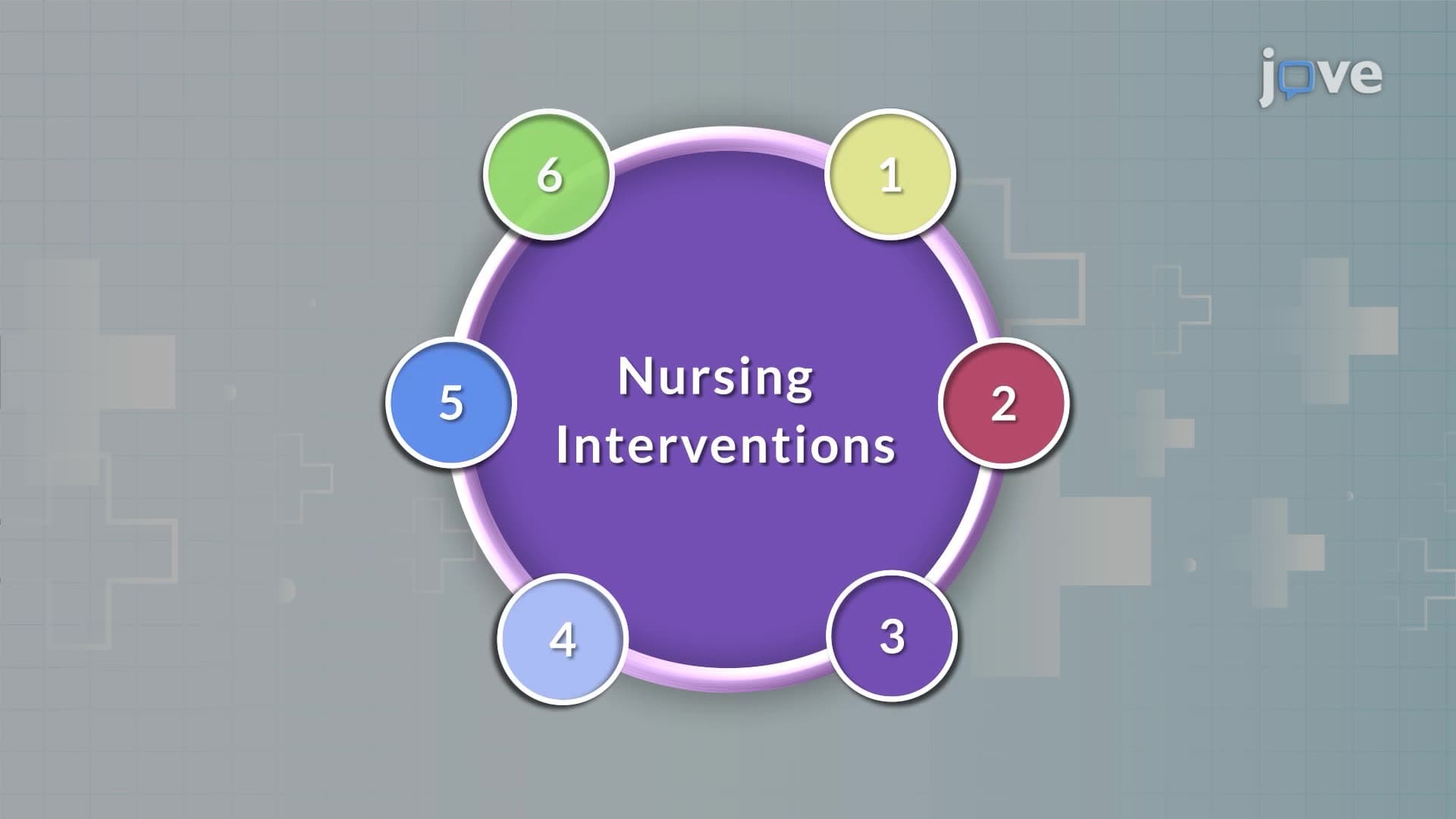
Did you know that nursing implementation mistakes are linked to 40% of preventable medical errors in US hospitals? Nursing implementation is the critical fourth phase of the nursing process where care plans transform into life-saving actions. For instance, when a nurse at Johns Hopkins Hospital administers medication while simultaneously monitoring for adverse reactions, they're executing what is nursing implementation in real-time practice. This phase bridges the gap between theoretical planning and actual patient outcomes through five systematic steps. Watch the full video on JoVE Coach to master this concept with expert-led visuals and step-by-step explanations.
Nursing implementation represents the action-oriented phase where theoretical nursing knowledge meets real-world patient care. Unlike the planning phase, which focuses on developing strategies, implementation demands immediate decision-making and skillful execution. This phase is particularly crucial for students preparing for the NCLEX-RN exam, as it tests practical application of nursing knowledge.
The nursing implementation definition explained encompasses five interconnected steps that ensure comprehensive patient care. Reassessment forms the foundation, requiring nurses to continuously evaluate patient status—similar to how emergency room nurses at Massachusetts General Hospital reassess trauma patients every 15 minutes. This ongoing evaluation helps identify new problems or changes in existing conditions.
Plan review and revision constitute the second step, where nurses validate their nursing diagnoses against current patient presentations. For example, a patient initially diagnosed with acute pain might develop respiratory complications, requiring immediate care plan modifications. This flexibility distinguishes expert nurses from novice practitioners.
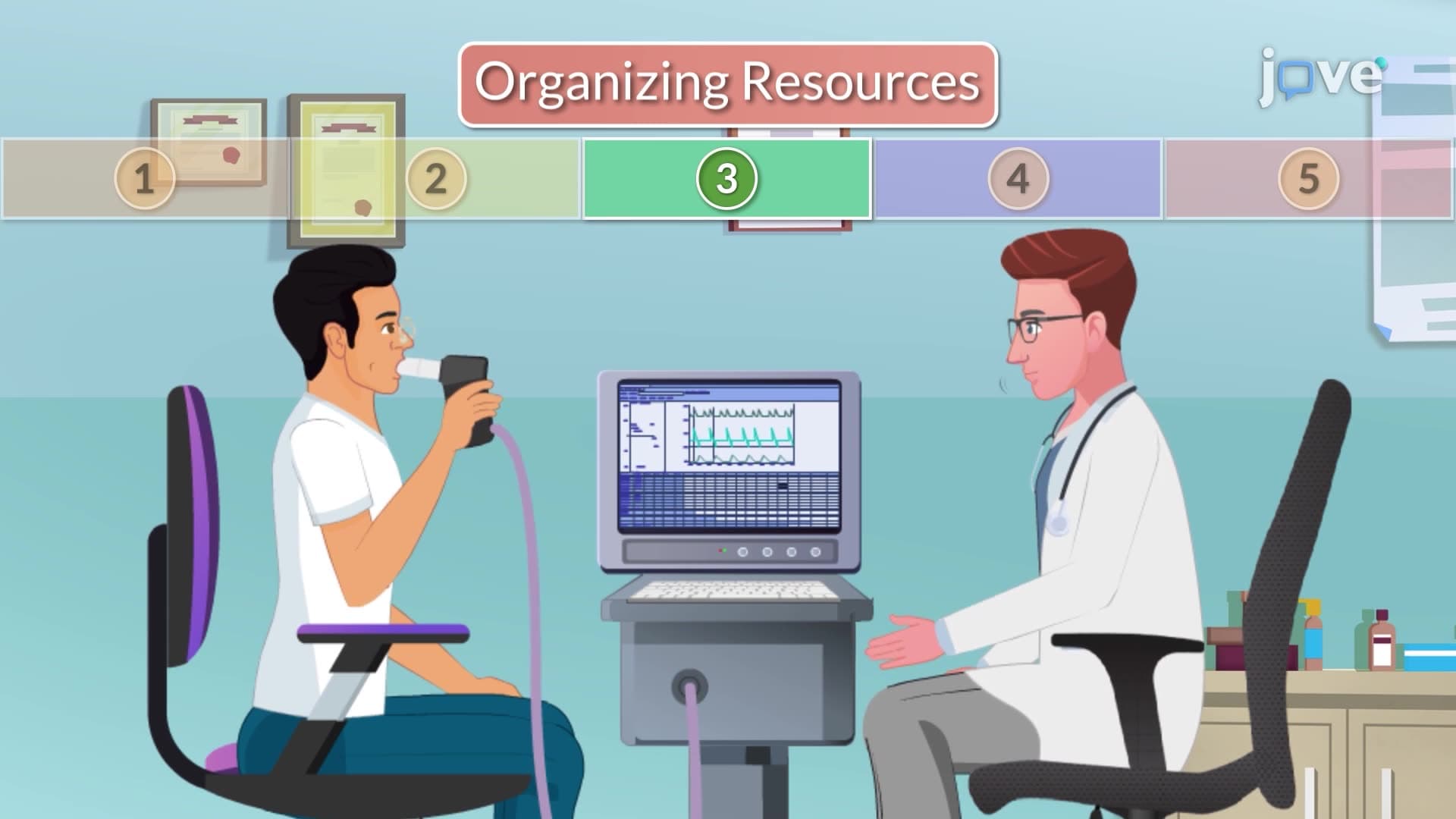
Resource organization, the third step, involves coordinating equipment, personnel, and environmental factors. Consider how ICU nurses must ensure ventilator availability, coordinate with respiratory therapists, and maintain sterile environments simultaneously—all while managing multiple patients.
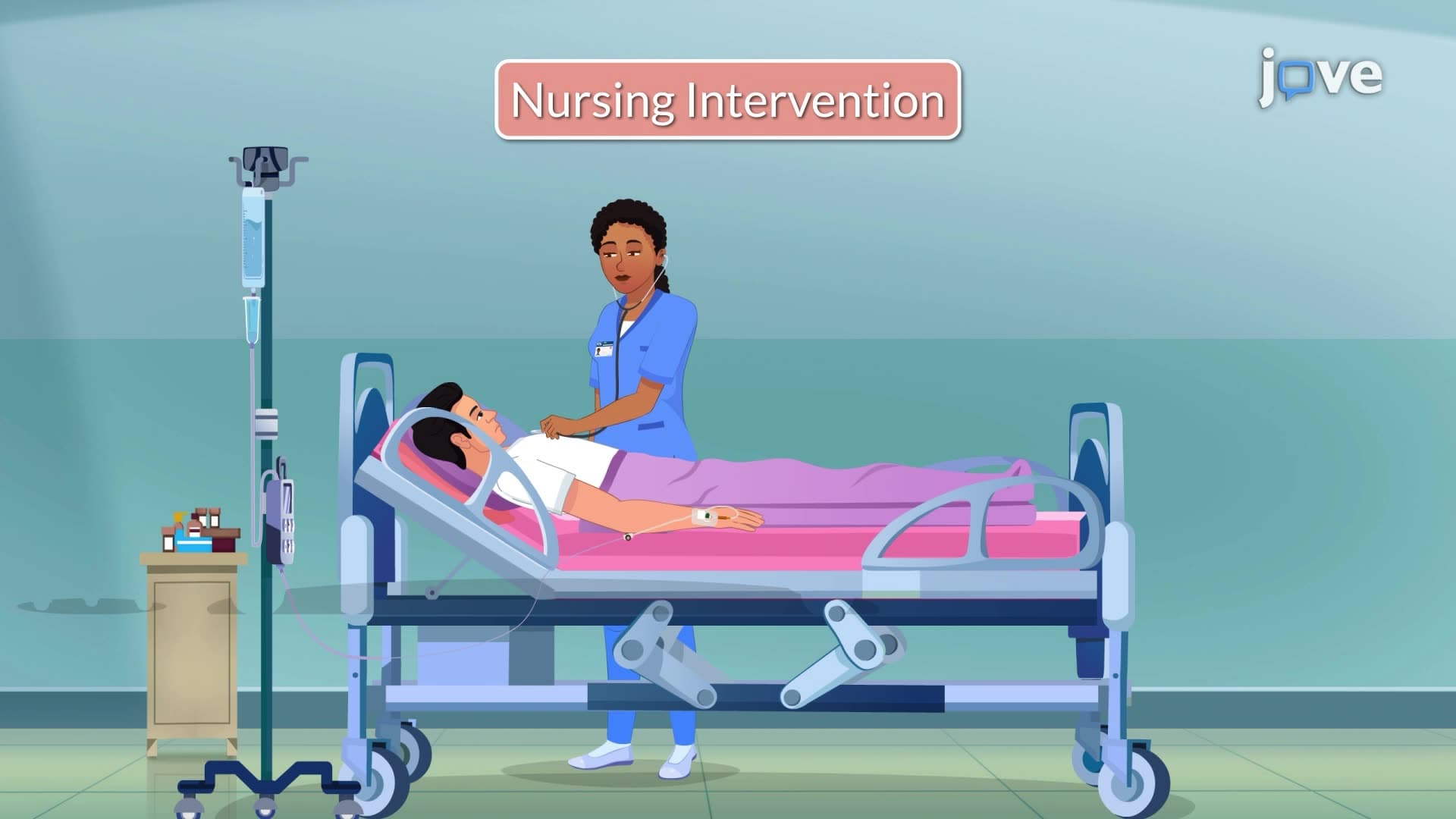
Nursing implementation overview includes understanding care delivery methods. Direct care involves face-to-face patient interactions like wound care, medication administration, or patient education. Mayo Clinic nurses exemplify this when they teach diabetic patients insulin injection techniques or provide emotional support during procedures.
Indirect care, equally important, occurs away from patients but benefits their outcomes. This includes documenting care plans, communicating with healthcare teams, ordering supplies, or consulting with specialists. These activities ensure continuity of care and support collaborative healthcare delivery.
Students studying for AP Biology or college-level anatomy courses will recognize how implementation mirrors physiological feedback loops—constant assessment, adjustment, and response to maintain optimal function. This concept frequently appears on HESI A2 and TEAS exams, emphasizing practical nursing applications.
Frequently Asked Questions
Nursing implementation is the hands-on execution of patient care plans developed during the planning phase. It's when nurses actually perform treatments, administer medications, provide education, and monitor patient responses. Think of it as transforming written care plans into real actions that help patients heal and maintain health.
NCLEX-RN questions frequently test implementation through scenario-based questions requiring you to prioritize interventions, recognize complications, or modify care plans. You'll encounter questions asking "What should the nurse do first?" or "Which intervention is most appropriate?" These test your ability to apply implementation principles safely and effectively.
HESI A2 nursing sections focus on practical implementation scenarios, especially medication administration, patient safety measures, and communication techniques. Expect questions about reassessment timing, resource coordination, and distinguishing between direct and indirect care interventions in clinical settings.
At Cleveland Clinic, nurses implement care through electronic health records that track real-time patient data, coordinate with multidisciplinary teams, and use evidence-based protocols. They continuously reassess patients, adjust treatments based on outcomes, and ensure seamless communication between shifts and departments.
Not at all! Nursing implementation builds on logical thinking skills you already use daily. If you can follow a recipe while adjusting for ingredient availability or dietary restrictions, you understand the basic concept. The five-step framework provides clear structure that makes learning systematic and manageable.
Create flowcharts showing the five implementation steps, then practice with case studies. Focus on decision-making scenarios where you must prioritize interventions, recognize when to reassess, and identify appropriate resources. Use NCLEX-style practice questions to test your application of implementation principles.
Implementation directly follows assessment, diagnosis, and planning phases, then flows into evaluation. Each implementation action generates data for the evaluation phase, creating a continuous cycle. Understanding these connections helps you see nursing as an integrated, scientific process rather than isolated tasks.
Focus on the evaluation phase of the nursing process next, as it directly measures implementation effectiveness. Also explore quality improvement methods, evidence-based practice principles, and patient safety frameworks that guide implementation decisions in modern healthcare settings.
Related Micro-courses

Related Subjects
 Anatomy and Physiology 31 micro-courses›
 Medical-Surgical Nursing 28 micro-courses›