- Nursing
- The Nursing Process Iii
Micro-courses:14

The Nursing Process III
1. Planning Nursing Care I
2. Planning Nursing Care II
3. Guidelines for Writing Outcome
4. Nursing Interventions I: Taxonomy of Nursing Interventions
5. Nursing Interventions II: Selecting and Classifying the Nursing Interv...
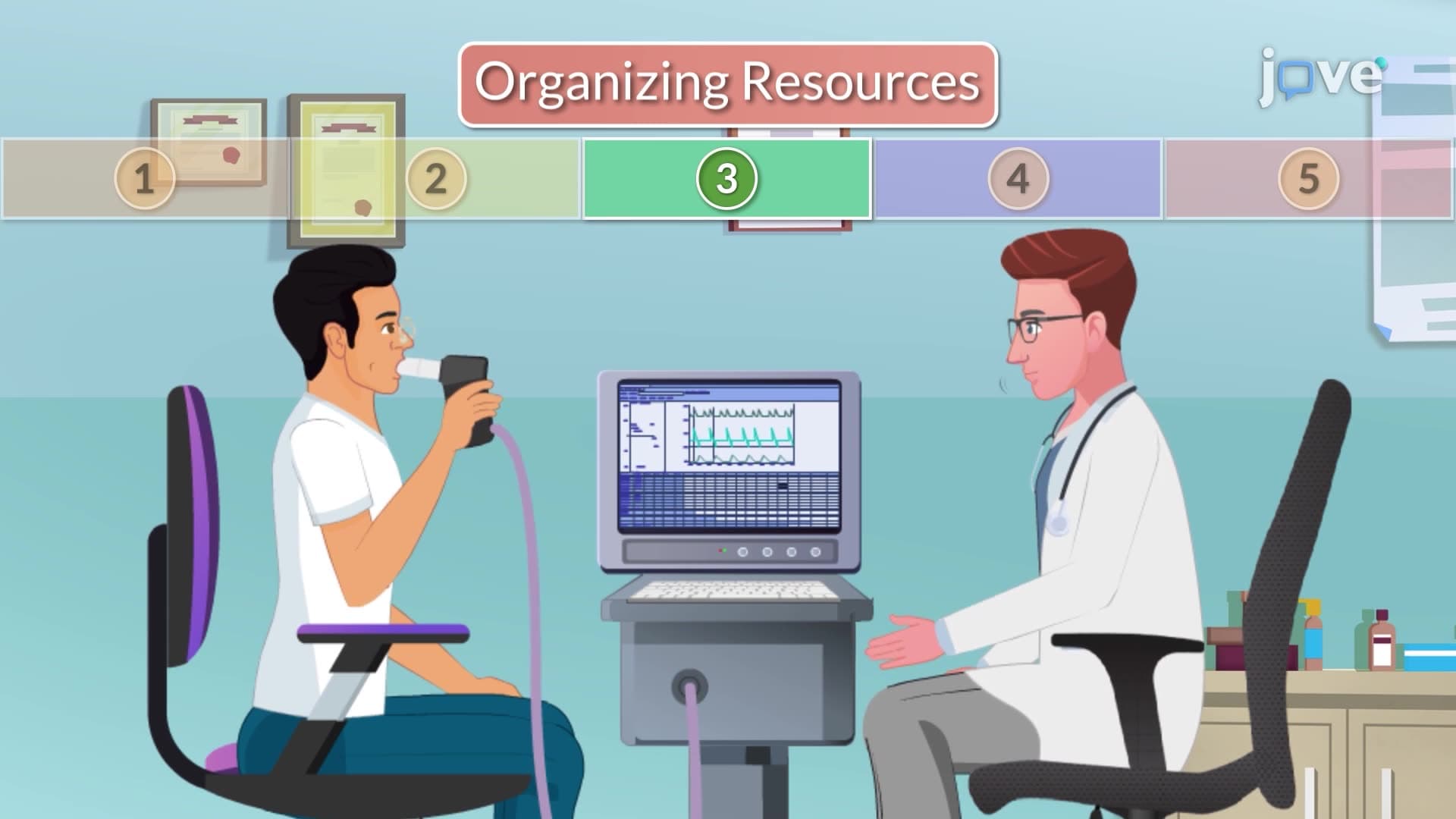
6. Nursing Implementation

7. Nursing Evaluation
The nursing process part three encompasses the critical final phases of comprehensive patient care: planning, implementation, and evaluation. This advanced component builds upon assessment and diagnosis to establish measurable patient outcomes, select evidence-based interventions, and systematically evaluate care effectiveness. JoVE Coach guides nursing students through creating individualized care plans, executing both direct and indirect nursing interventions, and conducting thorough outcome assessments essential for US healthcare practice.
- Understand the three stages of comprehensive nursing care planning from admission through discharge
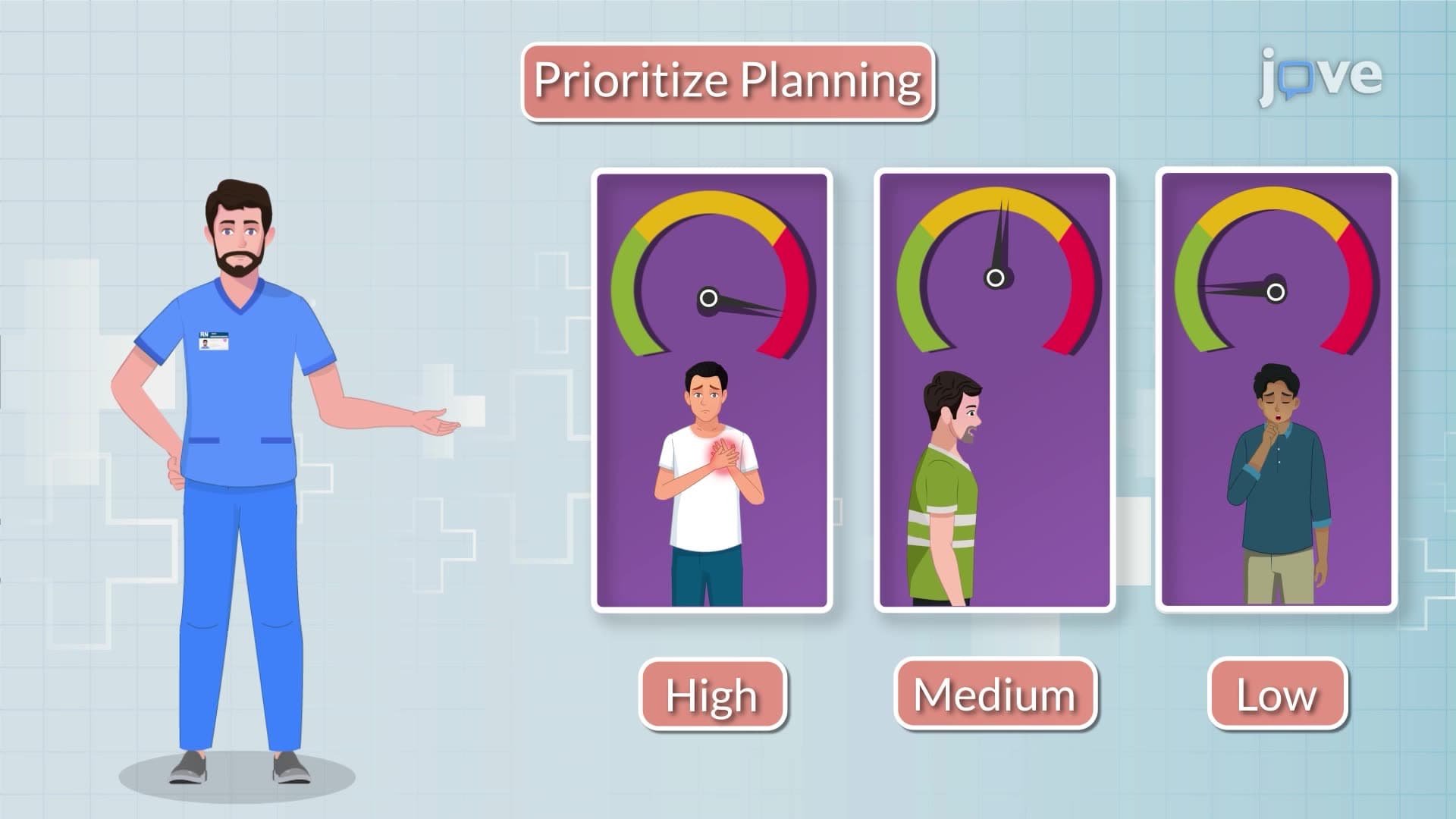
- Learn to prioritize nursing diagnoses using high, medium, and low classification systems
- Identify different formats of nursing care plans including computerized systems and concept mapping
- Explore guidelines for writing measurable and realistic patient outcomes using observable verbs
- Analyze the three types of nursing interventions: nurse-initiated, physician-initiated, and collaborative
- Apply evidence-based criteria for selecting appropriate nursing interventions based on patient needs
- Understand the five-step implementation process including reassessment and resource organization
- Evaluate cognitive, psychomotor, affective, and physiological patient outcomes systematically
1. Comprehensive Care Planning Stages Planning nursing care occurs in three distinct phases throughout the patient's healthcare journey. Initial planning begins with the admitting nurse who addresses all problems identified during admission assessment and establishes appropriate short and long-term goals. Ongoing planning involves regular updates to identify changes in the patient's health status and helps nurses prioritize problems during each shift. Discharge planning anticipates post-discharge needs and actively involves patients and their families or caregivers. For example, a patient admitted with diabetes would have initial planning focused on blood glucose management, ongoing planning to adjust insulin based on daily readings, and discharge planning including home monitoring education.
2. Nursing Diagnosis Prioritization Framework Nurses systematically rank diagnoses using a three-tier priority system to ensure life-threatening conditions receive immediate attention. High-priority diagnoses pose direct threats to life, such as ineffective airway clearance or decreased cardiac output. Medium-priority diagnoses are non-life-threatening but require prompt intervention, like acute pain or knowledge deficit. Low-priority diagnoses relate to general wellness rather than current health problems, such as readiness for enhanced nutrition. This prioritization system helps nurses in busy US hospital settings allocate time and resources effectively, ensuring critical patient needs are addressed first while maintaining comprehensive care standards.
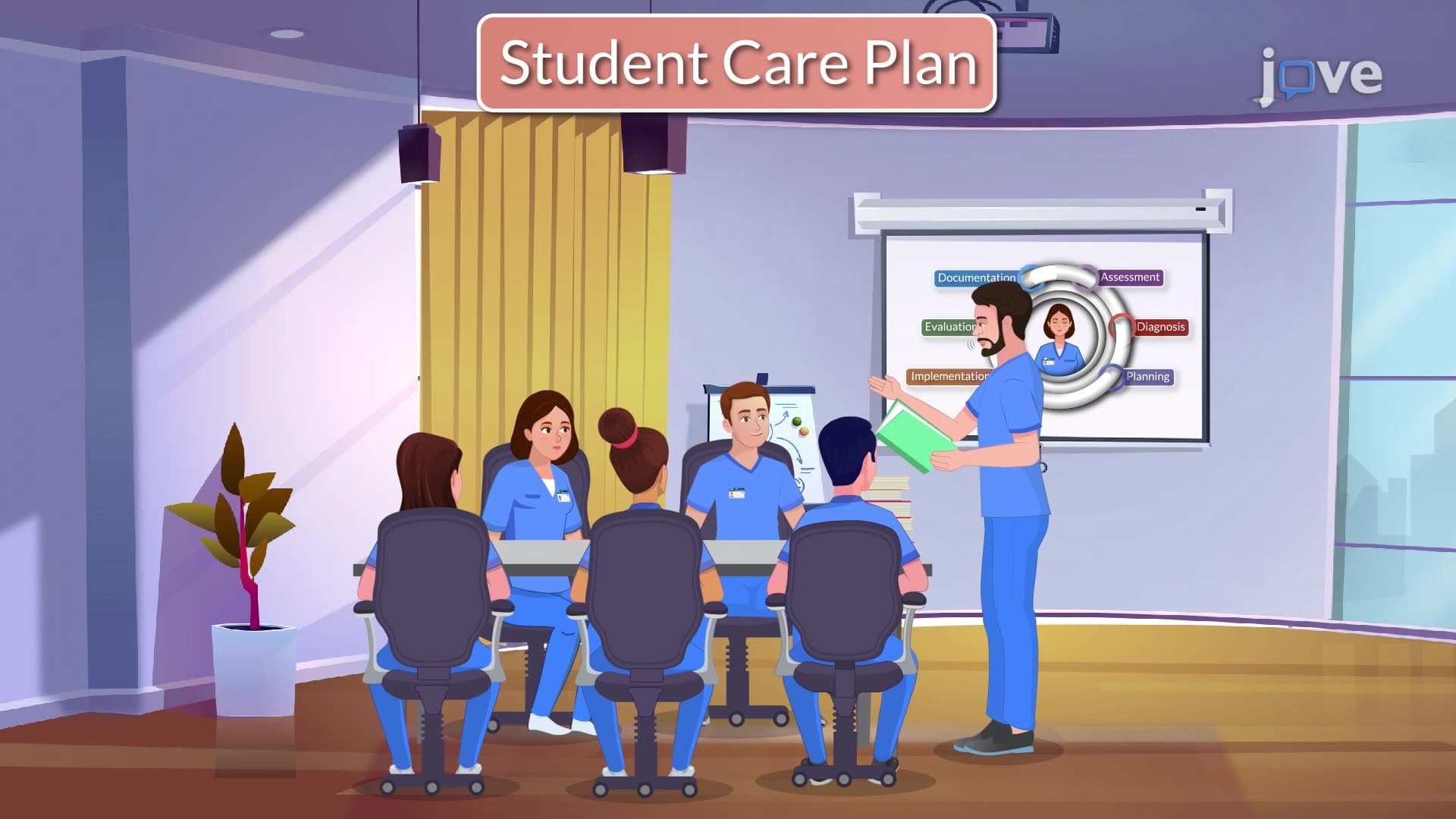
3. Types and Formats of Nursing Care Plans Modern nursing utilizes both informal mental planning and formal written care plans tailored to different patient populations and healthcare settings. Standardized care plans address routine needs for common conditions like post-operative hip replacement recovery, while individualized plans focus on unique patient circumstances such as complex chronic conditions. US healthcare facilities commonly employ computerized care plans within electronic health records, change-of-shift reports for communication continuity, critical pathways for multidisciplinary coordination, concept mapping for holistic patient visualization, and detailed student care plans for educational purposes. Each format serves specific documentation and communication needs within the American healthcare system.
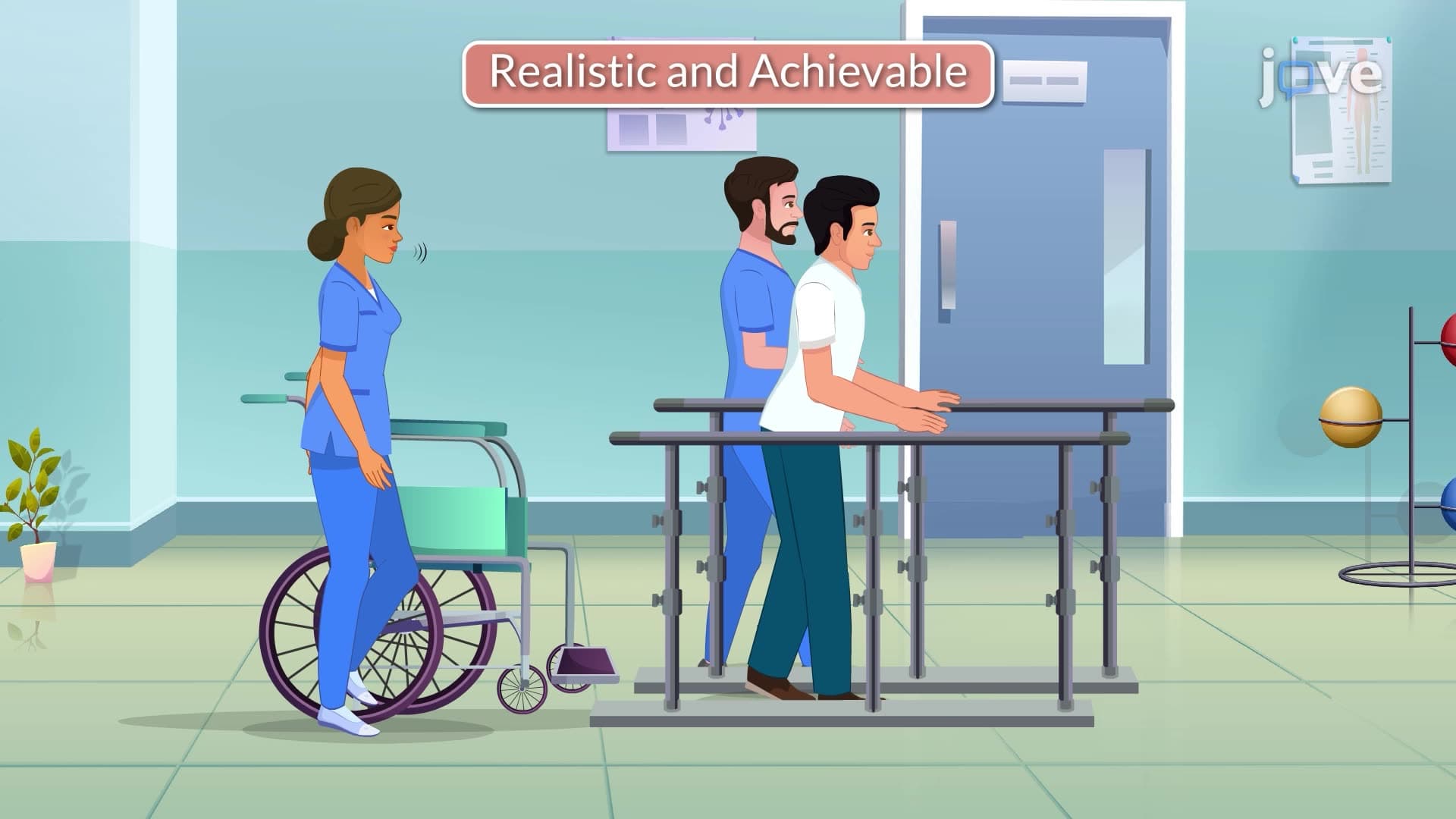
4. Evidence-Based Patient Outcome Development Writing effective patient outcomes requires adherence to specific guidelines that ensure measurability and eliminate subjective interpretation. Outcomes must be written from the patient's perspective using observable, measurable verbs like "demonstrate," "verbalize," or "perform" rather than vague terms like "understand" or "know." Each outcome should be realistic, achievable within the designated timeframe, and focus on a single behavior. For instance, instead of writing "patient will understand diabetic diet," an effective outcome states "patient will identify three appropriate food choices from a sample diabetic menu within 24 hours." This specificity enables accurate evaluation and supports evidence-based nursing practice standards required in US healthcare accreditation.
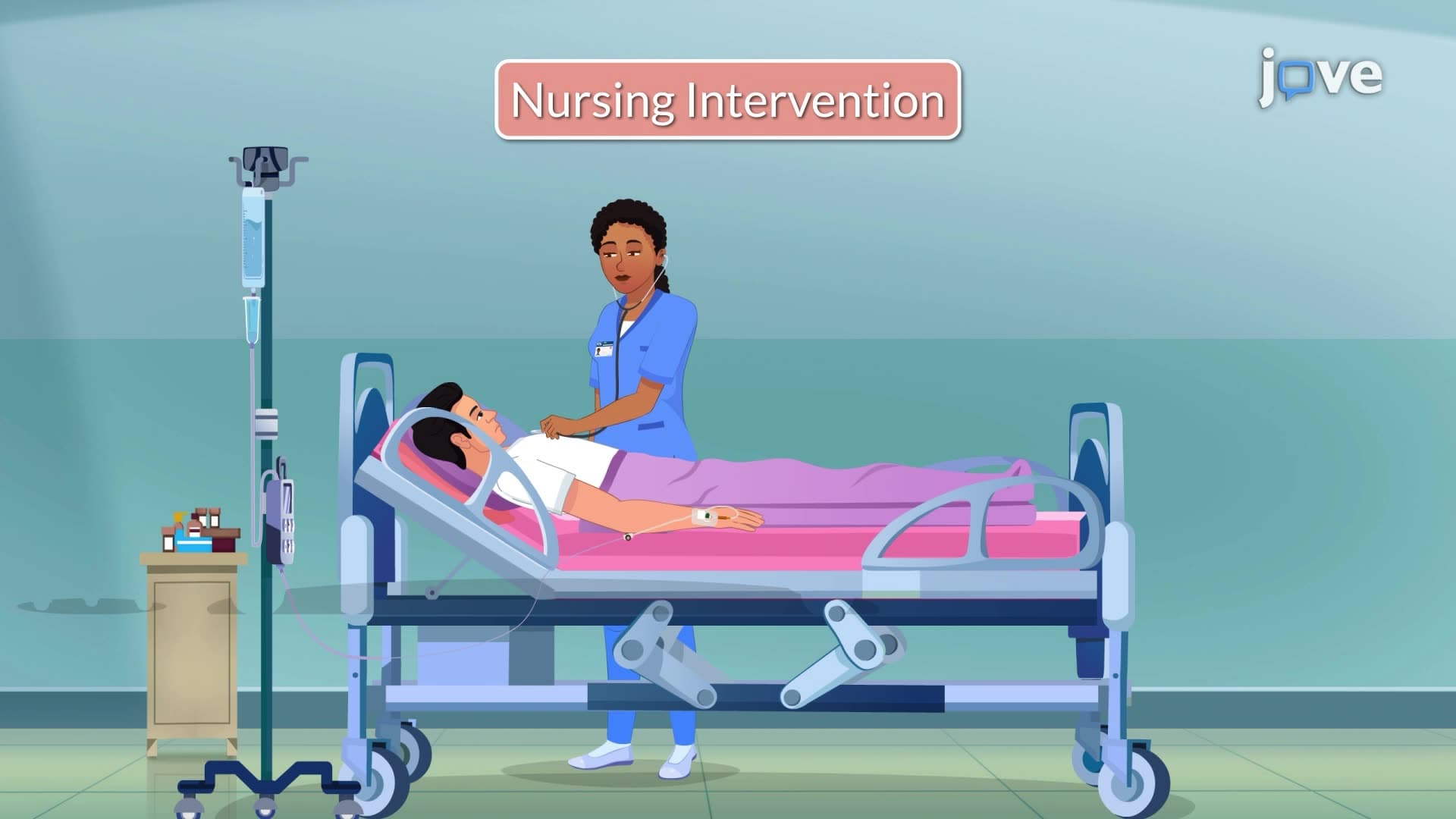
5. Classification and Selection of Nursing Interventions Nursing interventions fall into three distinct categories based on their origin and implementation requirements. Nurse-initiated interventions are independent actions based on nursing diagnoses and scientific rationale, such as providing patient education or positioning for comfort. Physician-initiated interventions originate from medical orders but are performed by nurses, including medication administration and specific treatments. Collaborative interventions involve coordination with other healthcare professionals, like implementing dietary restrictions recommended by nutritionists. The Nursing Interventions Classification (NIC) provides standardized, research-based guidelines used across US healthcare facilities to ensure consistent, evidence-based care delivery and facilitate accurate documentation and billing procedures.
6. Implementation Process and Direct vs. Indirect Care The implementation phase transforms nursing care plans into actual patient care through a systematic five-step process. This begins with reassessment to identify any new patient needs or changes, followed by reviewing and revising existing care plans to ensure continued appropriateness. Organizing necessary resources including equipment, personnel, and environmental factors ensures smooth care delivery. Anticipating and preventing potential complications helps nurses choose interventions proactively. Finally, implementing cognitive, psychomotor, and interpersonal skills enables both direct care (performed through patient interaction like wound care) and indirect care (performed away from but on behalf of the patient, such as coordinating with pharmacy for medication orders).
7. Comprehensive Nursing Evaluation Methods Nursing evaluation systematically assesses care effectiveness in achieving established patient objectives through measurement of four outcome types. Cognitive outcomes evaluate improved patient knowledge by asking patients to apply new information in practical situations, such as demonstrating proper insulin injection techniques. Psychomotor outcomes assess skill acquisition through patient demonstration of learned abilities like crutch walking. Affective outcomes examine changes in patient values, beliefs, and attitudes through behavioral observation and conversation analysis. Physiological outcomes measure physical improvements through objective assessments compared to baseline data, such as blood pressure readings or wound healing progress. Establishing specific evaluation timeframes ensures timely assessment when outcomes become observable and quantifiable, supporting continuous quality improvement in US nursing practice.
Frequently Asked Questions
Nursing outcomes are specific, measurable statements describing expected patient responses within a defined timeframe, while goals are broader, longer-term achievements. Outcomes use action verbs like "demonstrate" or "verbalize" and include specific criteria for measurement, making them essential for evaluating care effectiveness.
Standardized care plans provide template-based nursing care for patients with routine, predictable needs like post-surgical recovery protocols. Individualized care plans are customized for patients with unique circumstances, complex conditions, or special cultural considerations that require personalized intervention strategies.
The NCLEX-RN emphasizes nurse-initiated interventions requiring critical thinking and independent nursing judgment, such as patient education, safety measures, and comfort interventions. Questions often focus on prioritizing interventions and understanding the rationale behind evidence-based nursing actions.
Student care plans are more detailed and include extensive rationales, research citations, and theoretical connections to demonstrate learning. Hospital care plans are more concise and action-oriented, focusing on immediate patient needs and efficient communication between healthcare team members.
Physiological outcomes often require hourly to daily evaluation, cognitive outcomes may be assessed within 24-48 hours of teaching, psychomotor skills are typically evaluated immediately after instruction, and affective outcomes may require days to weeks for meaningful behavior change observation.
Patient involvement ensures outcomes are realistic, culturally appropriate, and align with patient values and capabilities. This collaboration increases patient motivation, compliance, and likelihood of successful achievement while respecting patient autonomy and self-determination principles.
Focus on understanding the five-step implementation process, practice distinguishing between direct and indirect care activities, and use clinical scenarios to apply reassessment and resource organization skills. Create concept maps linking interventions to specific nursing diagnoses and expected outcomes.
Nursing evaluation focuses on patient responses to nursing interventions and achievement of nursing-sensitive outcomes like comfort, knowledge, and functional ability. Medical evaluation primarily assesses disease progression and response to medical treatments, while nursing evaluation emphasizes holistic patient experiences and quality of life measures.
This microcourse includes 7 concept videos that walk you through the building blocks of Nursing. Each video is short, about 1 minute, so you can cover a full topic during a coffee break or between classes. The full sequence starts with Planning Nursing Care I and ends with Nursing Evaluation.
The playlist moves from big-picture ideas to the precise vocabulary used in Nursing. Early videos introduce Planning Nursing Care I, Planning Nursing Care II, and Guidelines for Writing Outcome. The middle of the series focuses on Nursing Interventions II: Selecting and Classifying the Nursing Interventions, Nursing Implementation, and Nursing Evaluation. The final stretch covers Nursing Evaluation.
The natural next step is Documentation and Reporting. From there, you can move to Ethical and Legal Aspects in Nursing, Vital Signs: Temperature, and Vital Signs: Pulse. Once you finish those, the full Nursing curriculum of 14 microcourses on JoVE Coach opens up, taking you from foundational concepts to advanced systems.
Related Subjects
 Anatomy and Physiology 31 micro-courses›
 Medical-Surgical Nursing 28 micro-courses›