Loading subject page…


10 Concepts
8 Concepts
19 Concepts
17 Concepts
22 Concepts
7 Concepts
10 Concepts
7 Concepts
25 Concepts
19 Concepts
17 Concepts
12 Concepts
18 Concepts
13 Concepts
 22 Concepts
 188.2K Views
 Popular topics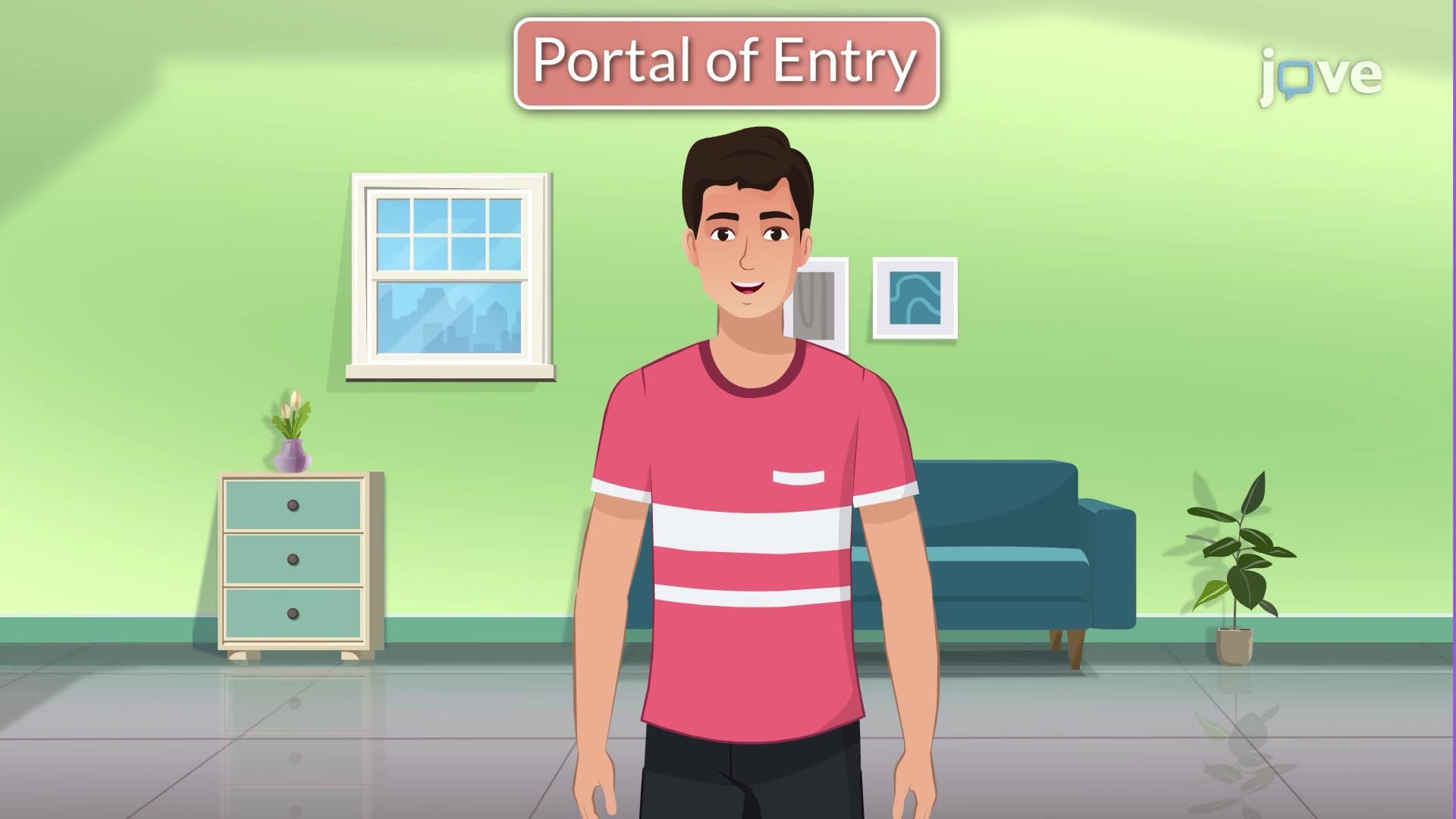









Infection prevention and control forms the foundation of safe healthcare practice, encompassing the chain of infection, body defense mechanisms, and evidence-based interventions to prevent healthcare-associated infections (HAIs). This comprehensive course explores aseptic techniques, hand hygiene protocols, sterilization methods, and standard precautions essential for protecting patients and healthcare workers in US medical facilities. JoVE Coach provides interactive learning tools to master these critical infection control nursing principles.
1. Chain of Infection and Transmission Pathways: The infectious disease process follows a predictable six-link chain: infectious agent, reservoir, portal of exit, mode of transmission, portal of entry, and susceptible host. Pathogens such as MRSA, C. difficile, and influenza virus establish themselves in human, animal, or environmental reservoirs. Direct transmission occurs through physical contact like handshakes or sexual contact, while indirect transmission happens via contaminated surfaces (fomites) or vectors like mosquitoes carrying West Nile virus. Breaking any link in this chain prevents infection transmission, making this framework essential for developing targeted prevention strategies in US hospitals and long-term care facilities.
2. Stages of Infection and Clinical Manifestations: Infectious diseases progress through four distinct stages following pathogen exposure. The incubation period ranges from hours (food poisoning) to years (HIV), during which patients remain asymptomatic despite active pathogen replication. The prodromal stage presents with nonspecific symptoms like fatigue and malaise, often seen with viral infections like influenza. The illness stage manifests with characteristic signs and symptoms, either localized (skin abscess) or systemic (sepsis). Finally, convalescence represents recovery, though some infections like hepatitis B may cause chronic complications. Understanding these stages helps healthcare providers implement appropriate isolation precautions and patient monitoring protocols.
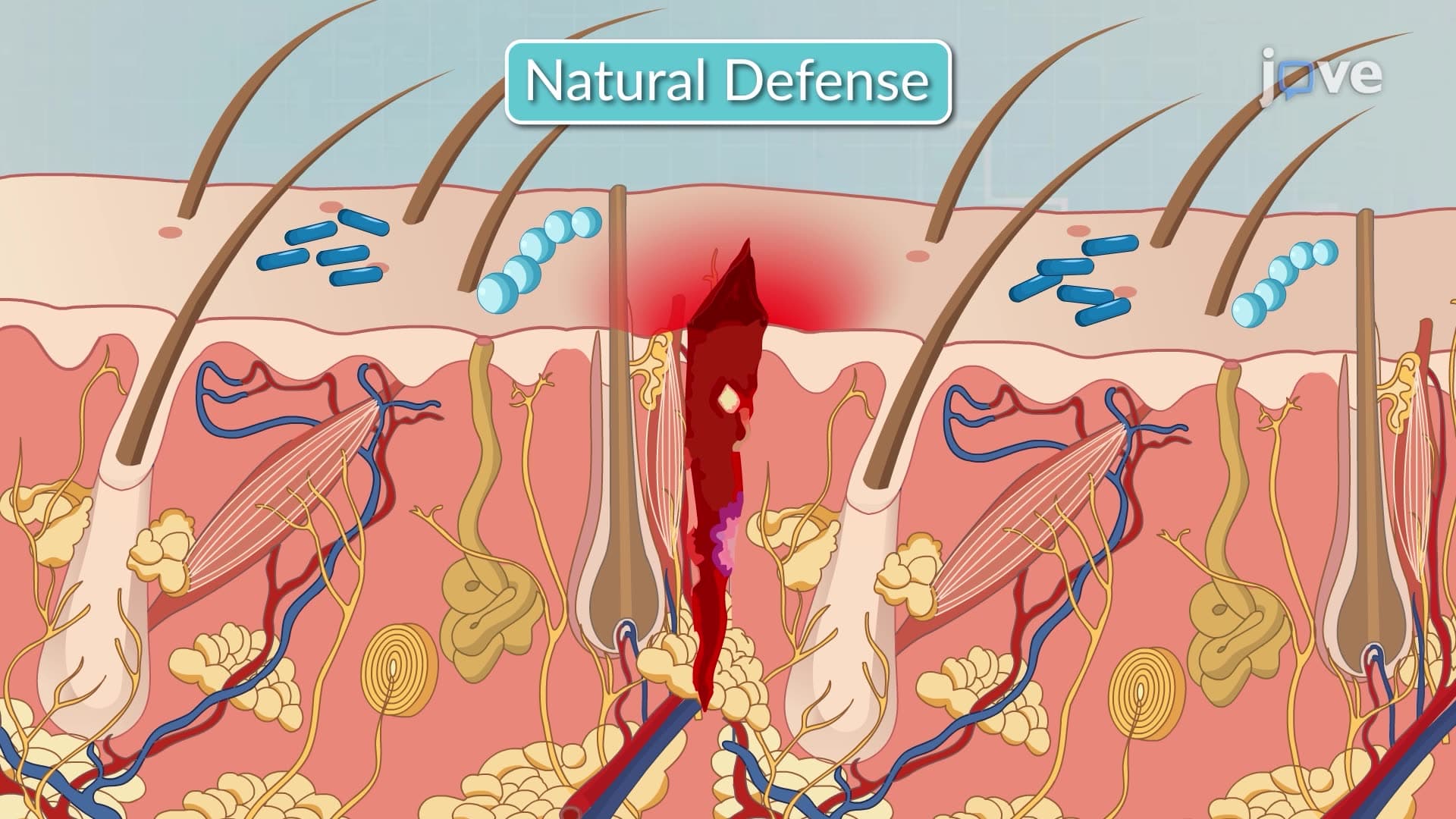
3. Body's Natural Defense Mechanisms: The human body employs multiple defense layers against infectious agents, starting with normal flora that prevents pathogen colonization and aids vitamin synthesis. Physical barriers include intact skin, mucous membranes with cilia that sweep out respiratory pathogens, gastric acid that destroys ingested bacteria, and urinary flow that prevents bacterial retention. The inflammatory response represents a crucial defense mechanism, involving vascular changes (vasodilation, increased permeability) and cellular responses (neutrophil migration, phagocytosis). This process produces characteristic signs including redness, heat, swelling, pain, and loss of function, while generating different types of exudate: serous (clear plasma-like), sanguineous (bloody), or purulent (pus-containing).
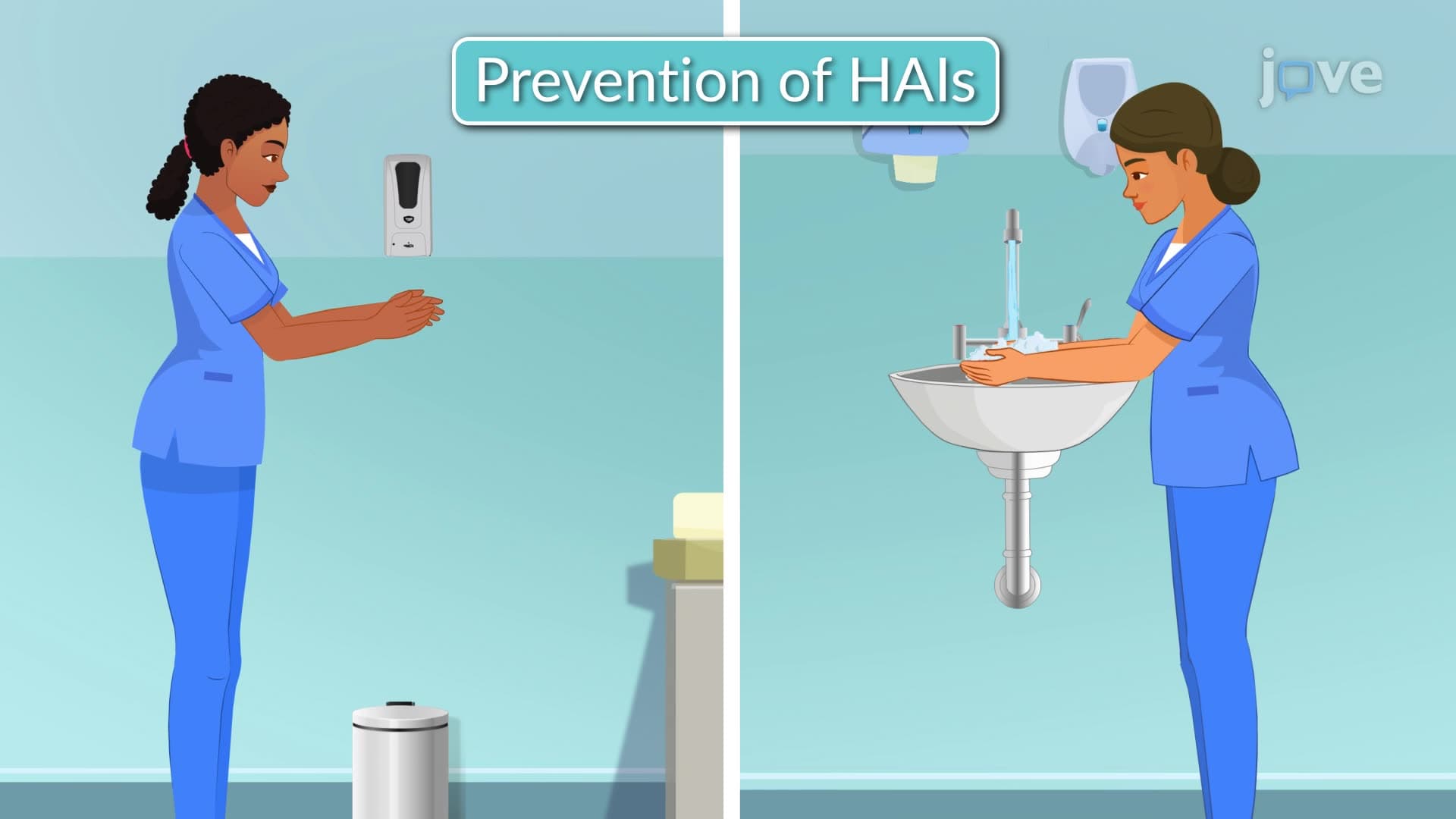
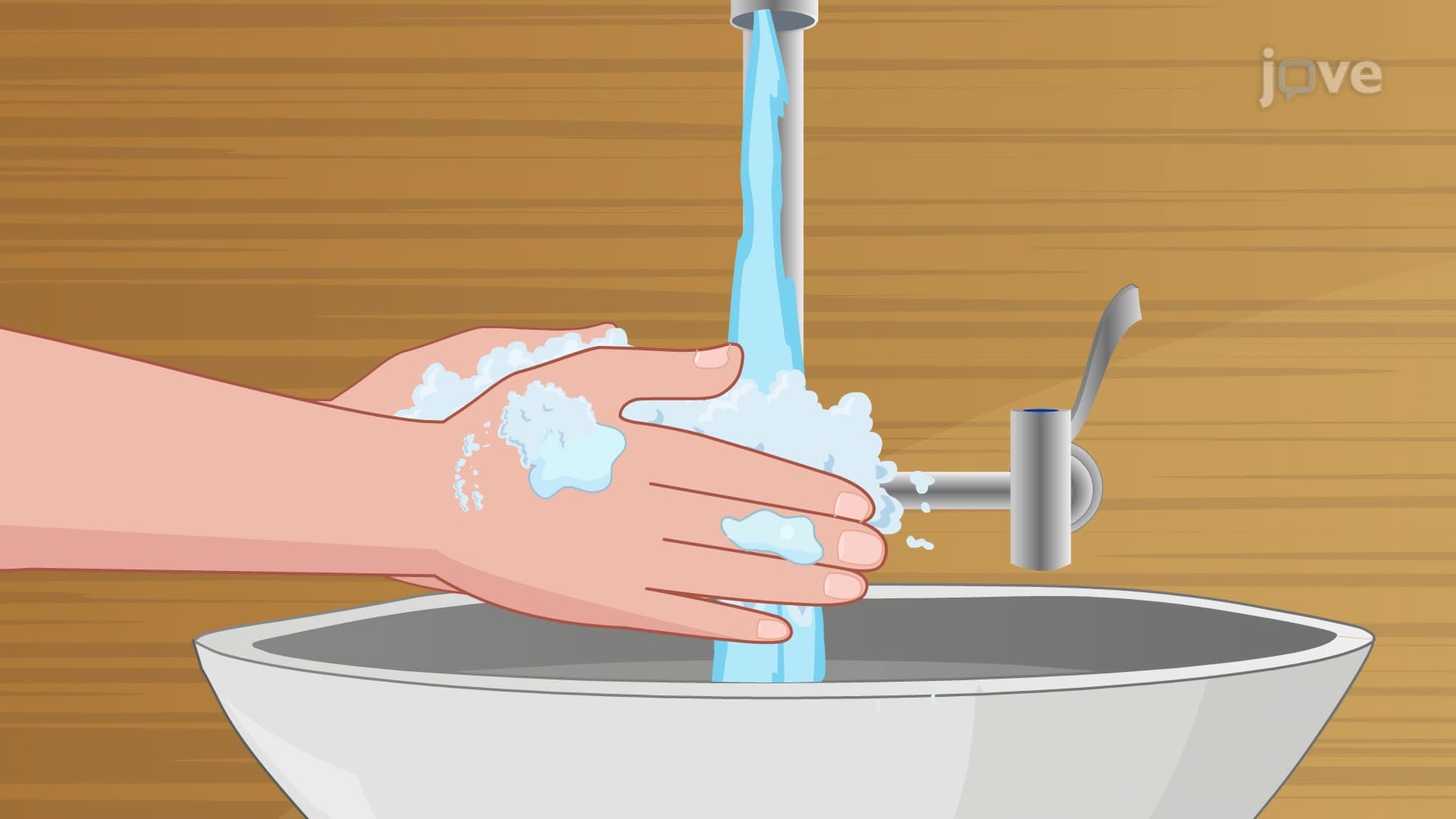
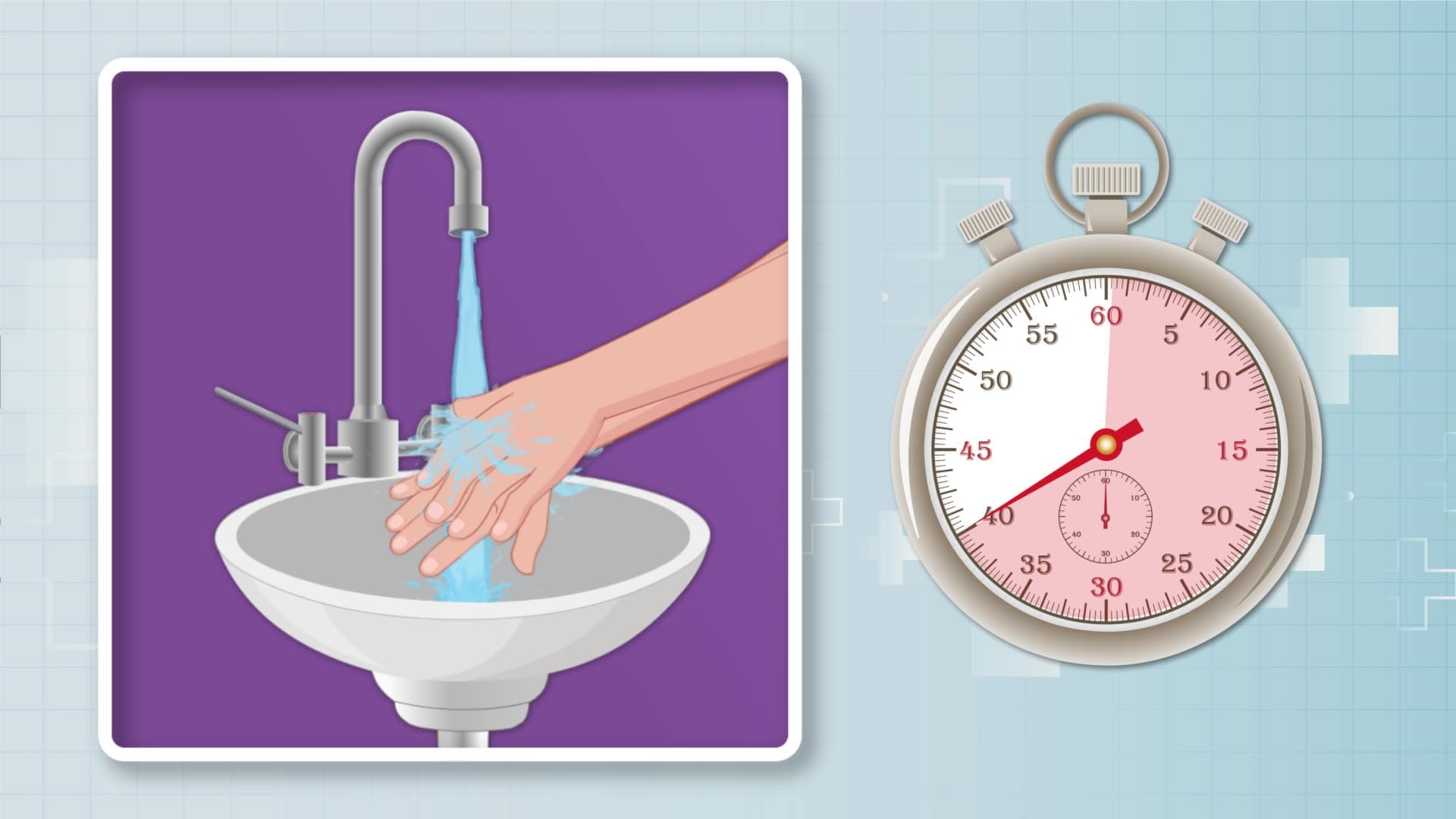
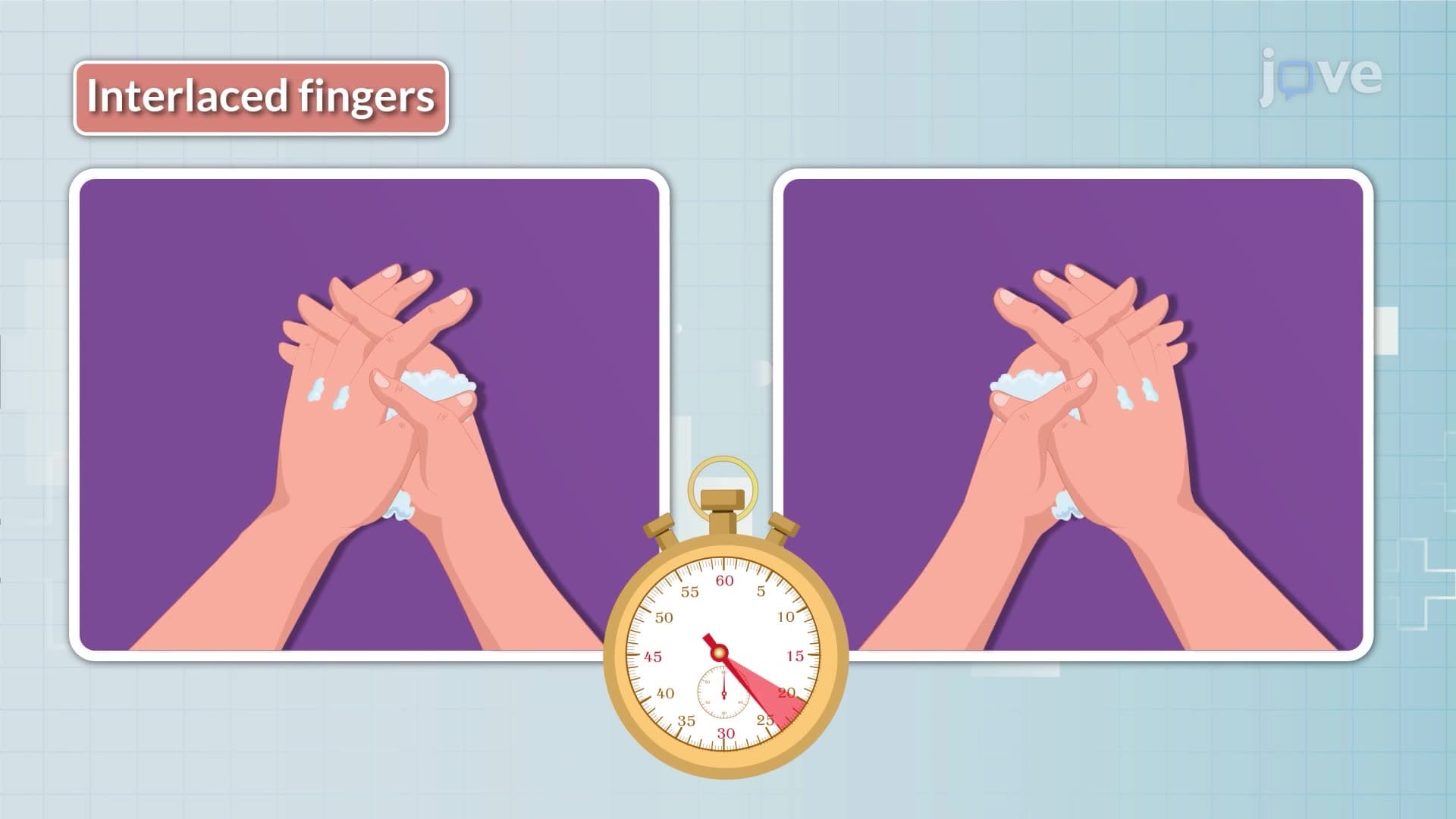
4. Hand Hygiene Protocols and Techniques: Hand hygiene remains the most effective infection prevention strategy, with four distinct methods appropriate for different clinical situations. Routine handwashing with plain soap removes transient flora and visible soiling, requiring 40-60 seconds of friction covering all hand surfaces, wrists, and between fingers. Antiseptic handwash using antimicrobial soap provides enhanced pathogen reduction for high-risk situations. Alcohol-based hand rubs offer rapid action against most pathogens and are preferred when hands aren't visibly soiled. Surgical hand antisepsis requires extended contact time and specialized antiseptic solutions to eliminate resident flora before sterile procedures. Proper technique includes removing jewelry, maintaining short nails, and following specific rubbing patterns to ensure complete coverage.
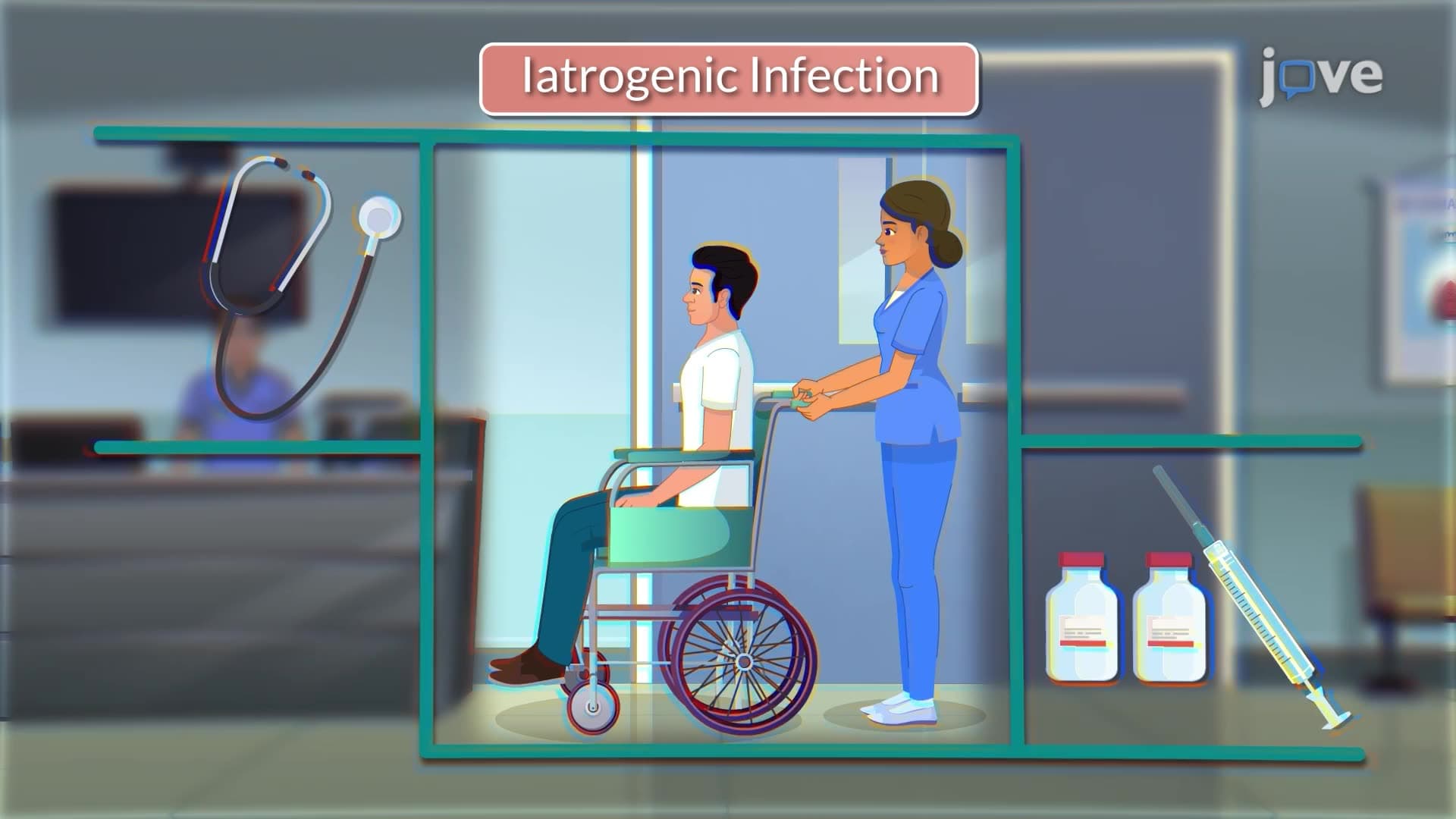
5. Healthcare-Associated Infections (HAIs) and Prevention: HAIs affect approximately 1 in 31 US hospital patients daily, including surgical site infections, catheter-associated urinary tract infections, central line-associated bloodstream infections, and ventilator-associated pneumonia. These infections develop 48+ hours after admission and up to 30 days post-discharge, classified as exogenous (environmental source), endogenous (patient's own flora), or iatrogenic (treatment-related). Prevention strategies include environmental cleaning with EPA-approved disinfectants, antimicrobial stewardship programs to prevent resistance, surveillance systems tracking infection rates, and evidence-based bundles like the central line insertion checklist that reduced bloodstream infections by 66% in Michigan ICUs.
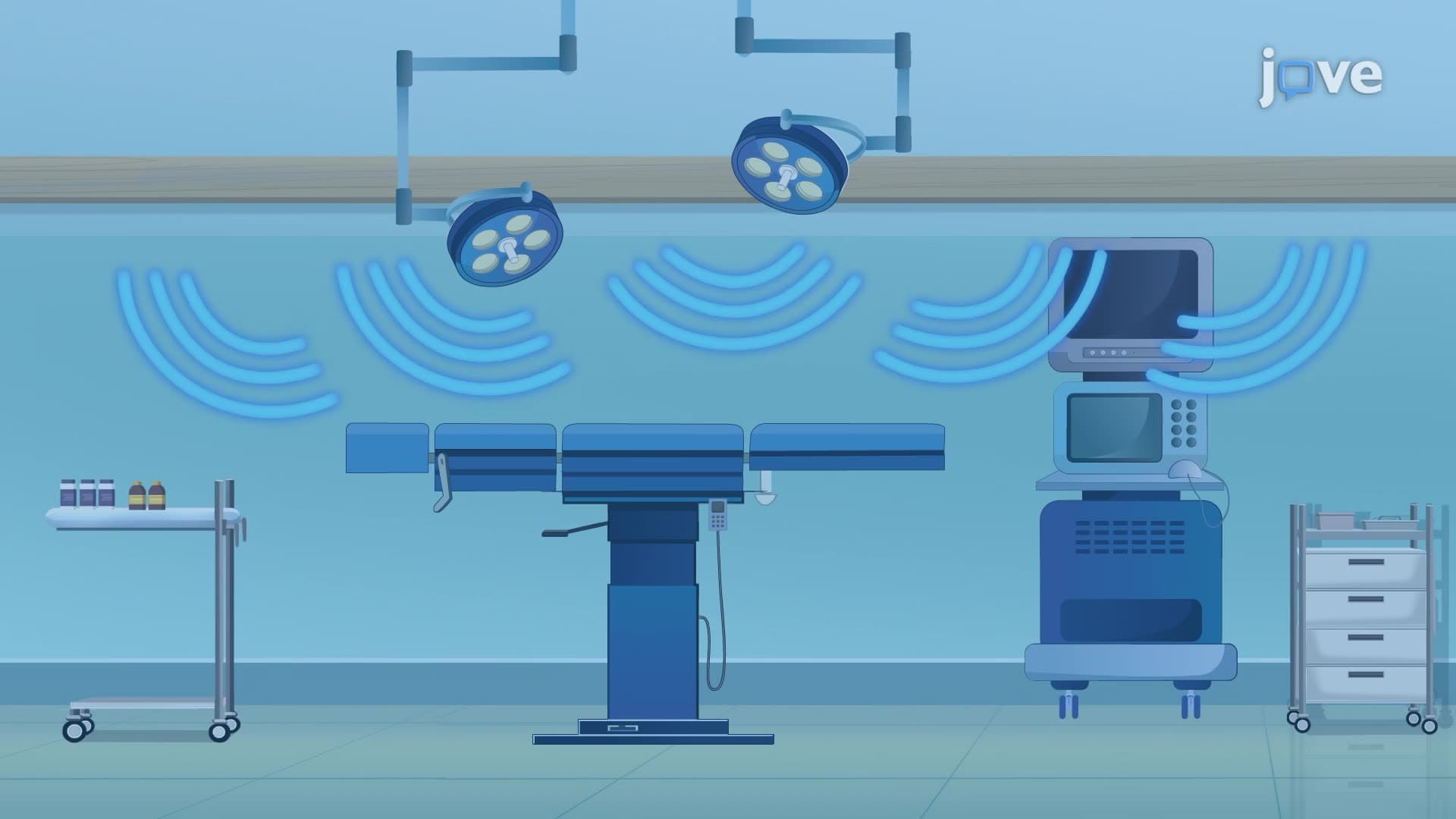
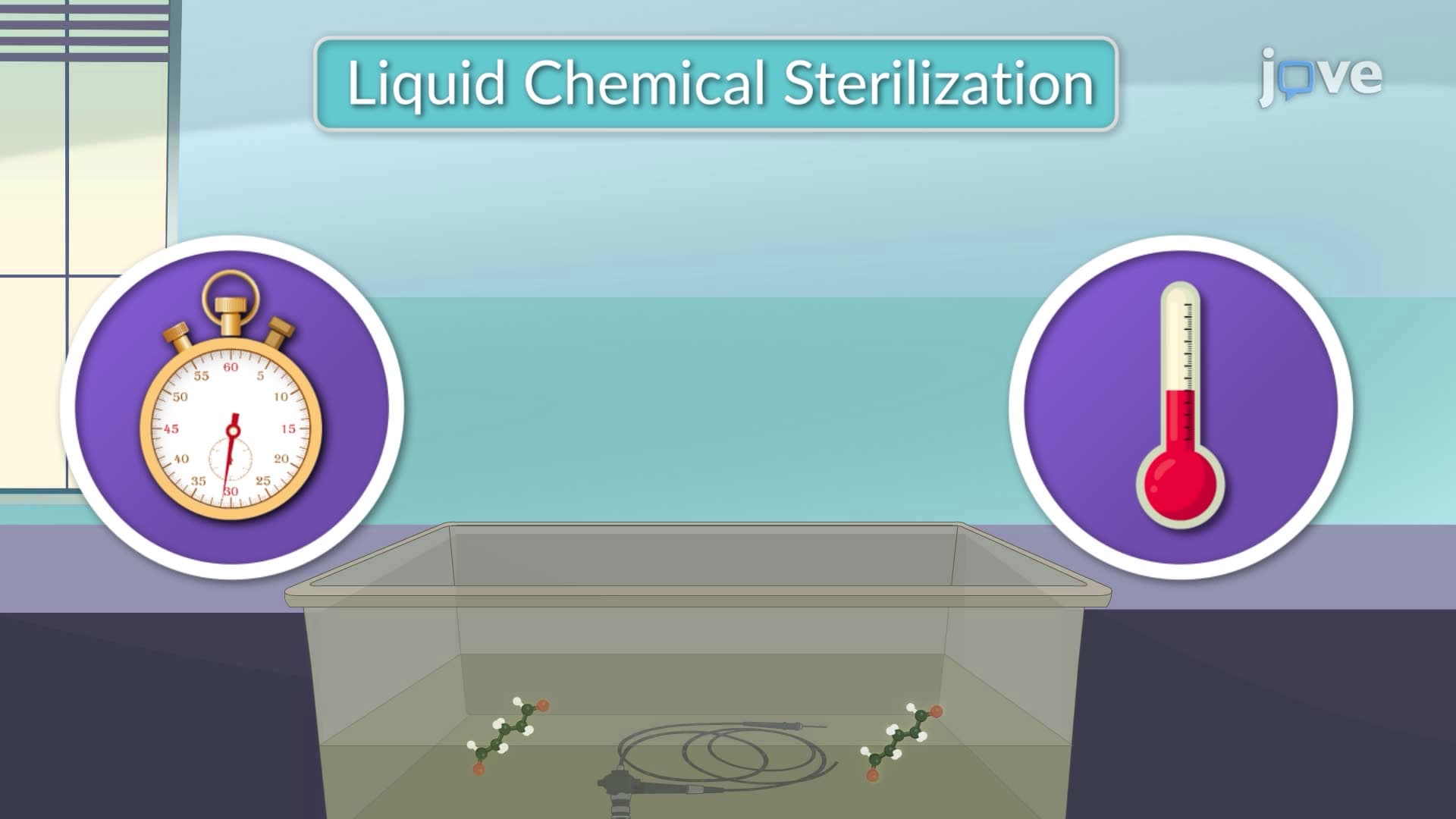
6. Aseptic Techniques and Sterilization Methods: Aseptic practice prevents pathogen transmission through medical and surgical asepsis protocols. Medical asepsis (clean technique) reduces microorganism numbers through routine cleaning, proper waste disposal, and standard precautions for all patient interactions. Surgical asepsis (sterile technique) maintains sterile fields during invasive procedures using sterilized equipment and creating contamination-free environments. Sterilization methods include steam autoclaving (121°C for 15-60 minutes), dry heat for metal instruments, ethylene oxide gas for heat-sensitive items, and liquid chemical sterilants like glutaraldehyde. Equipment classification determines processing requirements: critical items (touching sterile tissue) require sterilization, semicritical items (mucous membrane contact) need high-level disinfection, and noncritical items (intact skin contact) require low-level disinfection.
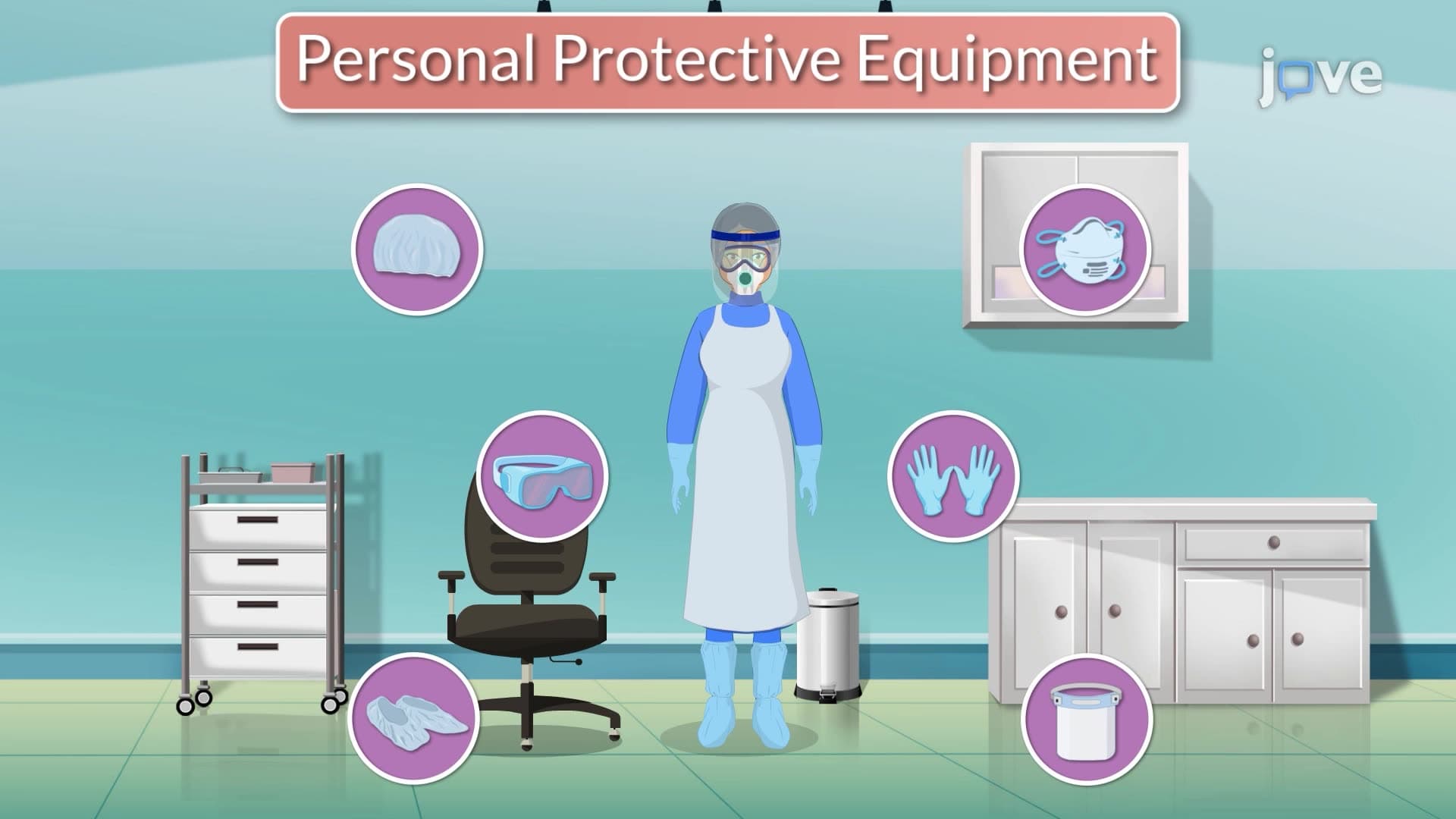
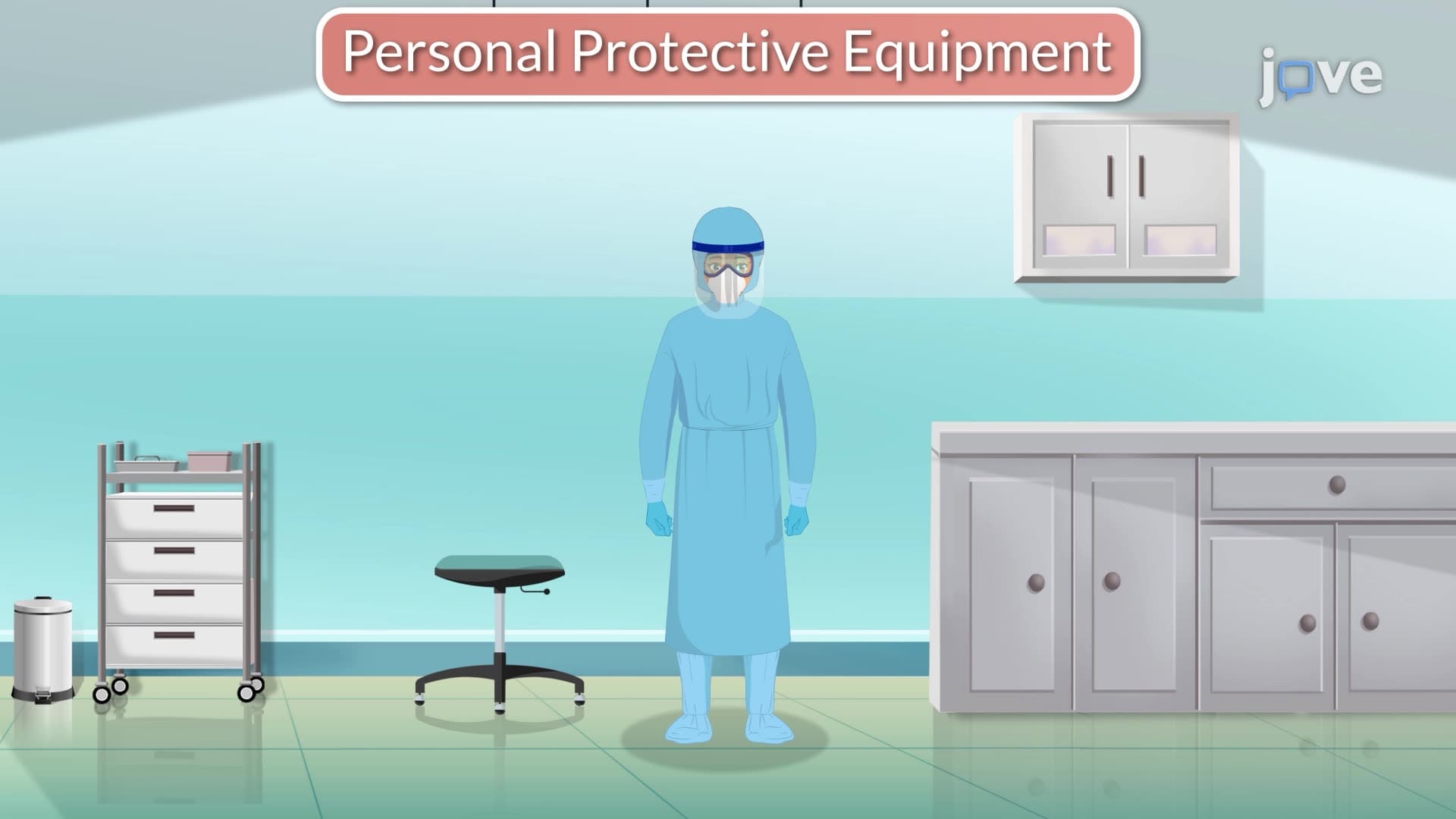
7. Personal Protective Equipment (PPE) and Standard Precautions: Standard precautions apply to all patients regardless of infection status, treating all body fluids (except sweat) as potentially infectious. PPE selection follows risk assessment principles: gloves for potential contact with body fluids, gowns for splash protection, masks for droplet exposure, and eye protection for procedures generating splashes. Proper donning sequence (gown, mask/respirator, eye protection, gloves) creates protective barriers, while careful doffing prevents self-contamination. N95 respirators require fit-testing and are mandatory for airborne precautions with tuberculosis, measles, or varicella patients. Additional standard precautions include safe injection practices, respiratory hygiene/cough etiquette, and environmental cleaning protocols that have reduced HAI transmission rates by 30-50% in participating US hospitals.
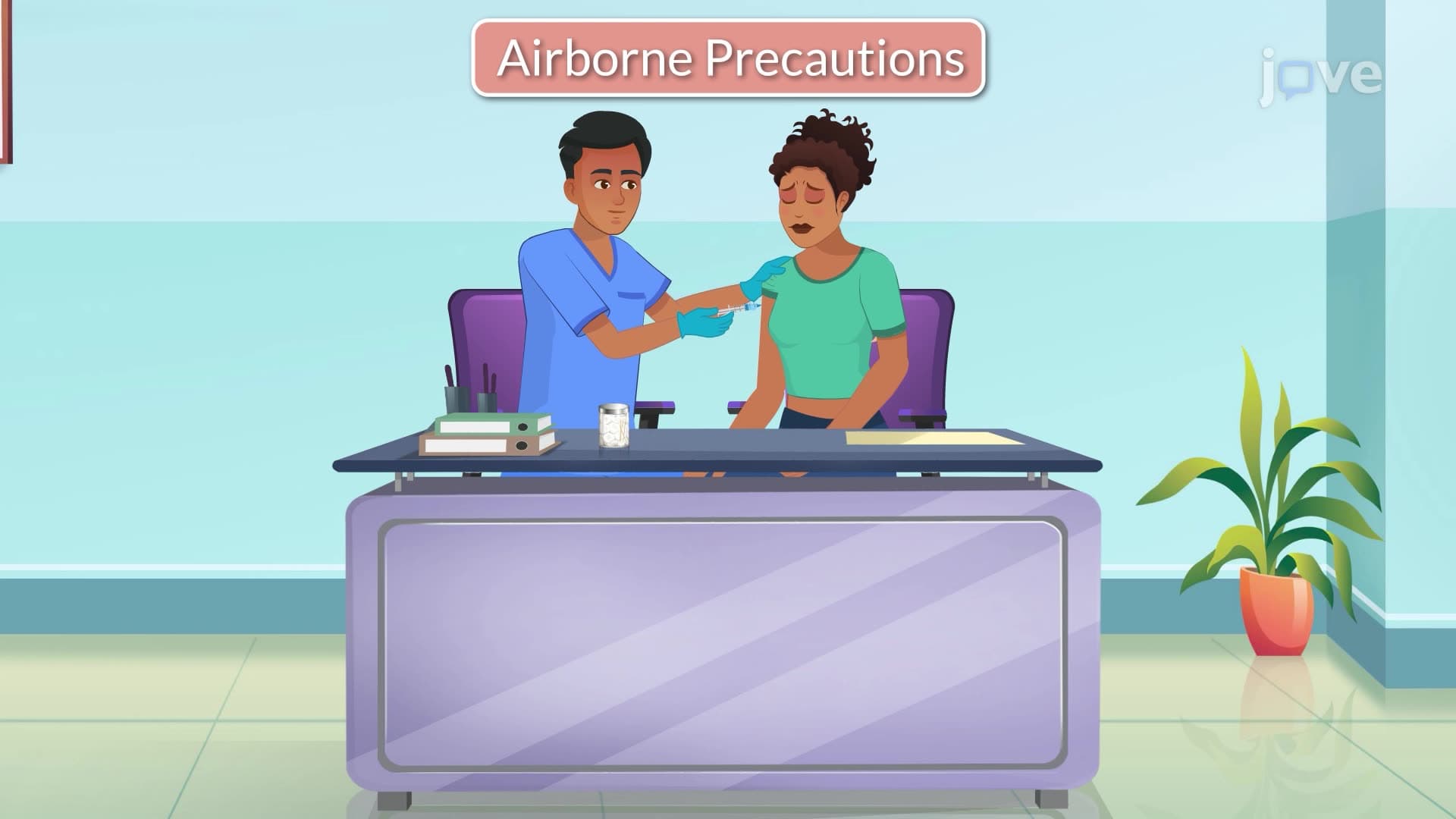
8. Transmission-Based Precautions and Isolation Protocols: Beyond standard precautions, transmission-based precautions target specific pathogen characteristics. Contact precautions prevent spread of multidrug-resistant organisms like MRSA and VRE through dedicated equipment, private rooms, and gown/glove use. Droplet precautions address pathogens transmitted through large respiratory droplets (>5 micrometers) like influenza, pertussis, and COVID-19, requiring surgical masks and maintaining 3-foot separation. Airborne precautions protect against small particle transmission (<5 micrometers) from tuberculosis, measles, and varicella, necessitating negative-pressure rooms and N95 respirators. Protective environment precautions shield immunocompromised patients like bone marrow transplant recipients through positive-pressure HEPA-filtered rooms and visitor restrictions. These evidence-based protocols have dramatically reduced transmission rates of dangerous pathogens in US healthcare facilities.