Loading subject page…

- Nursing
- The Nursing Process Iii
- Planning Nursing Care II
Micro-course: The Nursing Process III
27,500 views
Learn key concepts and earn your certificate.


Planning Nursing Care II

00:00
01:29
Video Summary: What Is Planning Nursing Care Ii
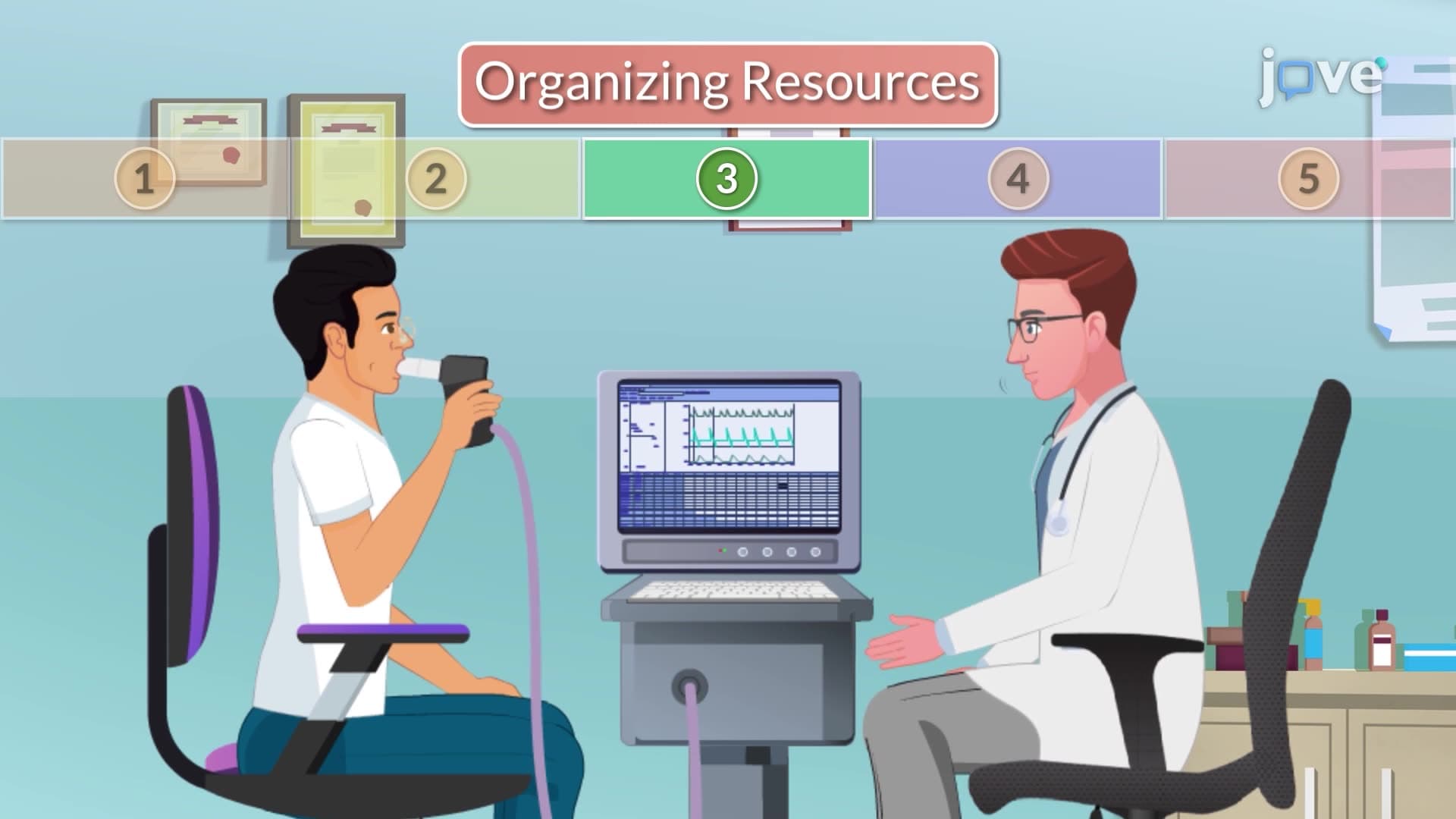
Did you know that nurses at Johns Hopkins Hospital create over 1,000 individualized care plans weekly to ensure optimal patient outcomes? Planning nursing care involves developing systematic approaches that range from informal mental strategies to formal written blueprints. What is Planning Nursing Care II explores the distinction between standardized care plans for routine patient needs and individualized plans tailored to unique circumstances. Modern hospitals utilize five key formats including computerized systems, shift reports, critical pathways, concept mapping, and detailed student care plans. Watch the full video on JoVE Coach to master this concept with expert-led visuals and step-by-step explanations.
- Understand what is Planning Nursing Care II and distinguish between informal mental planning versus formal written care plan documentation
- Identify the two primary types of formal nursing care plans: standardized plans for routine patient needs and individualized plans for unique circumstances
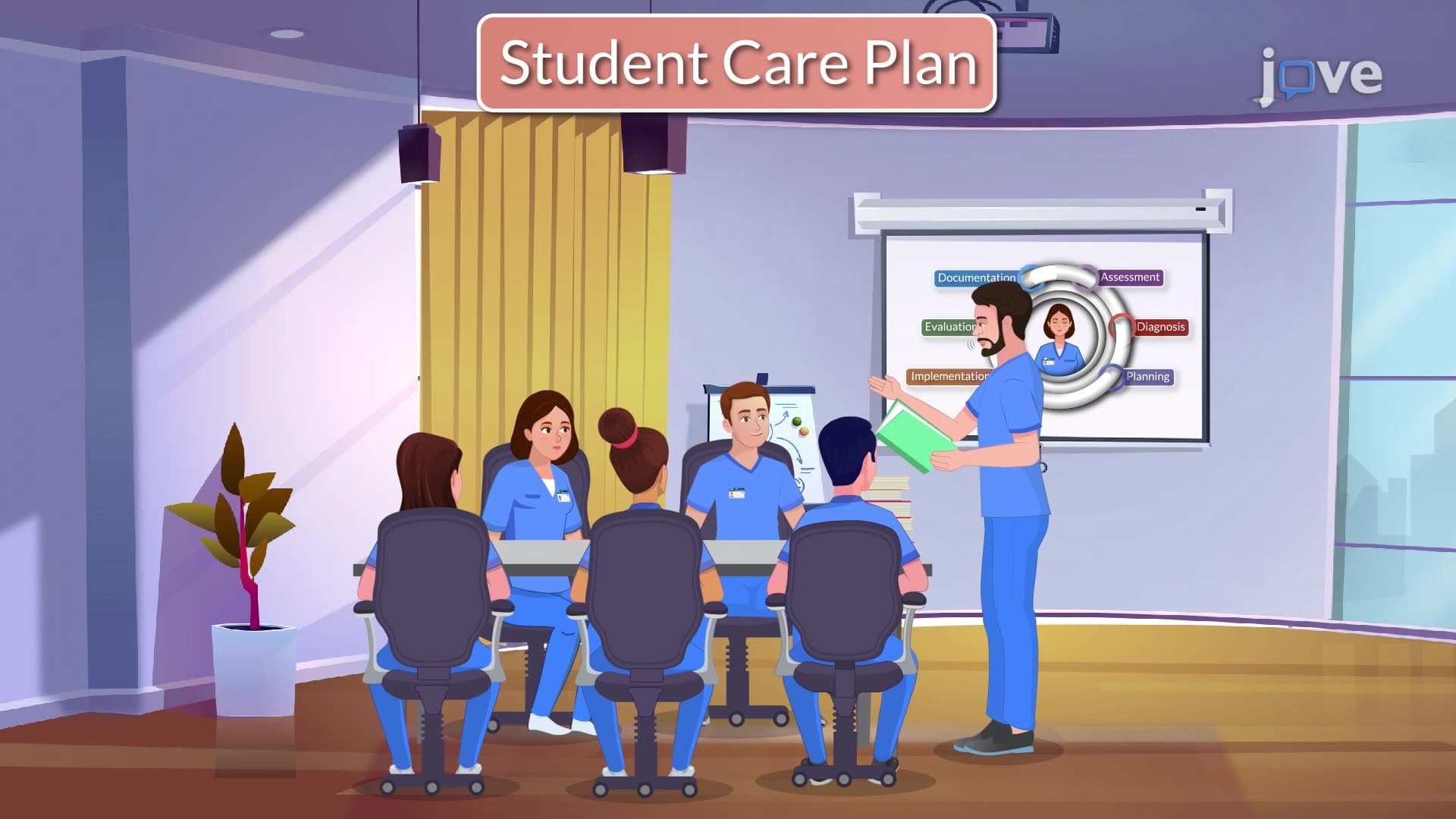
- Compare the five essential formats of nursing care plans including computerized systems, shift reports, critical pathways, concept mapping, and student care plans
- Analyze how nursing care plans integrate basic human needs assessment, nursing diagnoses, and interdisciplinary medical care coordination
- Evaluate the advantages of computerized care plans in reducing paperwork while enhancing accurate record-keeping in clinical settings
- Apply concept mapping techniques to organize patient data graphically and develop holistic views of patient health status
- Recognize how critical pathways provide standardized multidisciplinary frameworks for predicting patient outcomes within specific timeframes
- Explore the role of student care plans in bridging theoretical nursing knowledge with practical hospital-based care planning
Understanding Planning Nursing Care II Fundamentals
Planning nursing care represents a critical phase in the nursing process where healthcare professionals develop systematic approaches to address patient needs. This planning nursing care definition explained encompasses both cognitive processes and documented strategies that guide patient interventions. The distinction between informal and formal planning methods reflects the complexity of modern healthcare delivery, where nurses must balance quick decision-making with comprehensive documentation requirements.
In clinical practice, informal planning occurs continuously as nurses mentally assess situations and adapt interventions. However, formal written care plans provide essential legal documentation and communication tools that ensure continuity of care across multiple healthcare providers and shifts.
Types and Formats of Nursing Care Plans
The evolution of nursing care planning has produced diverse formats tailored to specific clinical needs. Standardized care plans streamline care for patients with predictable conditions-such as post-operative appendectomy patients at Cleveland Clinic who follow established protocols for pain management, mobility progression, and discharge planning. These templates ensure consistent quality while reducing planning time for routine cases.
Conversely, individualized care plans address unique patient circumstances. A patient with multiple chronic conditions like diabetes, heart failure, and dementia requires customized approaches that consider complex medication interactions, family dynamics, and cognitive limitations. This planning nursing care study guide approach ensures personalized attention while maintaining evidence-based standards.
Modern Technology Integration
Computerized care planning systems have revolutionized nursing documentation in major US hospital systems. Electronic health records (EHR) at institutions like Mayo Clinic integrate care plans with medication administration records, laboratory results, and physician orders, creating comprehensive patient profiles accessible to entire healthcare teams.
Critical pathways represent another technological advancement, providing standardized multidisciplinary frameworks that predict patient outcomes within specific timeframes. For stroke patients at Emory University Hospital, critical pathways outline expected progress milestones, from initial stabilization through rehabilitation goals, enabling early identification of complications or delayed recovery.
Educational Applications and Exam Preparation
For students preparing for NCLEX-RN or pursuing nursing degrees, understanding care plan development is essential. Planning nursing care notes should emphasize the relationship between assessment data, nursing diagnoses, and intervention selection. HESI A2 and TEAS exams frequently test students' ability to prioritize nursing interventions and understand care plan components.
Concept mapping, increasingly utilized in nursing education, helps students visualize complex patient relationships and develop critical thinking skills essential for clinical practice. This planning nursing care explained guide technique bridges theoretical knowledge with practical application, preparing students for real-world clinical decision-making scenarios.
Frequently Asked Questions
Planning Nursing Care II focuses on advanced care planning concepts including formal documentation systems, multiple care plan formats, and technology integration. Unlike basic planning that covers fundamental assessment and goal-setting, this advanced level explores standardized versus individualized approaches, computerized systems, and interdisciplinary coordination methods used in modern healthcare settings.
NCLEX-RN questions frequently assess your ability to prioritize nursing interventions, select appropriate care plan components, and understand the relationship between nursing diagnoses and patient outcomes. You'll encounter scenarios requiring you to choose between standardized protocols and individualized approaches, often involving complex patients with multiple health conditions requiring coordinated care planning.
Standardized care plans work well for routine procedures like post-surgical care at major hospitals, following established protocols for pain management and recovery milestones. Individualized plans are essential for complex cases, such as elderly patients with multiple chronic conditions who require customized approaches considering their unique medication regimens, family support systems, and cognitive abilities.
Basic computer literacy is sufficient for most nursing care planning systems. Modern electronic health record (EHR) platforms are designed for healthcare professionals with user-friendly interfaces and comprehensive training programs. Focus on understanding care planning principles rather than worrying about technical complexity-most systems provide extensive on-the-job training.
Create comparison charts highlighting the five main formats: computerized plans, shift reports, critical pathways, concept maps, and student care plans. Practice identifying when each format is most appropriate, and understand their unique advantages. Use real clinical scenarios to test your ability to select appropriate planning methods for different patient situations.
Concept mapping allows nurses to visualize complex patient relationships, such as how diabetes affects wound healing, medication absorption, and infection risk. Major teaching hospitals use concept mapping during interdisciplinary rounds to ensure all team members understand patient complexity and care priorities, leading to more coordinated and effective treatment approaches.
Consider studying quality improvement methodologies, evidence-based practice integration, and leadership aspects of care coordination. Advanced topics include population health planning, care transitions across healthcare settings, and emerging technologies like artificial intelligence in care planning that are being piloted at leading US medical centers.
Critical pathways at institutions like Johns Hopkins reduce length of stay by an average of 1.5 days for stroke patients while maintaining quality outcomes. These standardized timelines help identify patients who aren't progressing as expected, enabling early interventions and preventing complications that could extend hospitalization or worsen prognosis.
Related Micro-courses

25 Concepts

19 Concepts
17 Concepts