Loading subject page…


27,500 views

Video Summary: What Is Planning Nursing Care I
Every day, nurses at hospitals like Johns Hopkins make critical decisions that can mean the difference between life and death-and it all starts with planning nursing care. This systematic approach transforms patient assessment data into actionable treatment strategies through three distinct phases: initial, ongoing, and discharge planning. What is Planning Nursing Care I encompasses the foundational principles that guide nurses in prioritizing patient needs and establishing both short-term and long-term therapeutic goals. Watch the full video on JoVE Coach to master this concept with expert-led visuals and step-by-step explanations.
Planning nursing care represents the systematic process by which registered nurses transform patient assessment findings into organized, prioritized action plans. This critical thinking skill bridges the gap between identifying health problems and implementing effective interventions. In US healthcare settings, from community hospitals to major medical centers like Mayo Clinic, nurses rely on structured planning methodologies to ensure comprehensive, patient-centered care delivery.
The planning nursing care definition explained encompasses both the art and science of nursing practice. Unlike basic task completion, professional nursing planning requires analytical thinking, clinical judgment, and evidence-based decision making. Students preparing for the NCLEX-RN examination must demonstrate mastery of these planning principles, as they form the foundation for safe, effective nursing practice across all healthcare environments.
Planning nursing overview reveals a sequential process that begins at patient admission and extends beyond hospital discharge. Initial planning occurs during the first 24 hours of admission, when the primary nurse conducts comprehensive assessments and establishes baseline care priorities. This phase directly correlates with Joint Commission standards for patient safety and quality care indicators used throughout US healthcare facilities.
Ongoing planning represents the dynamic, responsive nature of nursing care. As patient conditions change-whether improving or deteriorating-nurses must continuously reassess priorities and modify interventions accordingly. This adaptive approach proves especially critical in intensive care units at facilities like Cleveland Clinic, where patient status can fluctuate rapidly throughout a single shift.
Discharge planning anticipates patient needs beyond the hospital environment, incorporating family dynamics, community resources, and long-term health maintenance strategies. This forward-thinking approach reduces hospital readmission rates and supports continuity of care-key metrics evaluated by Medicare and private insurance providers across the United States.
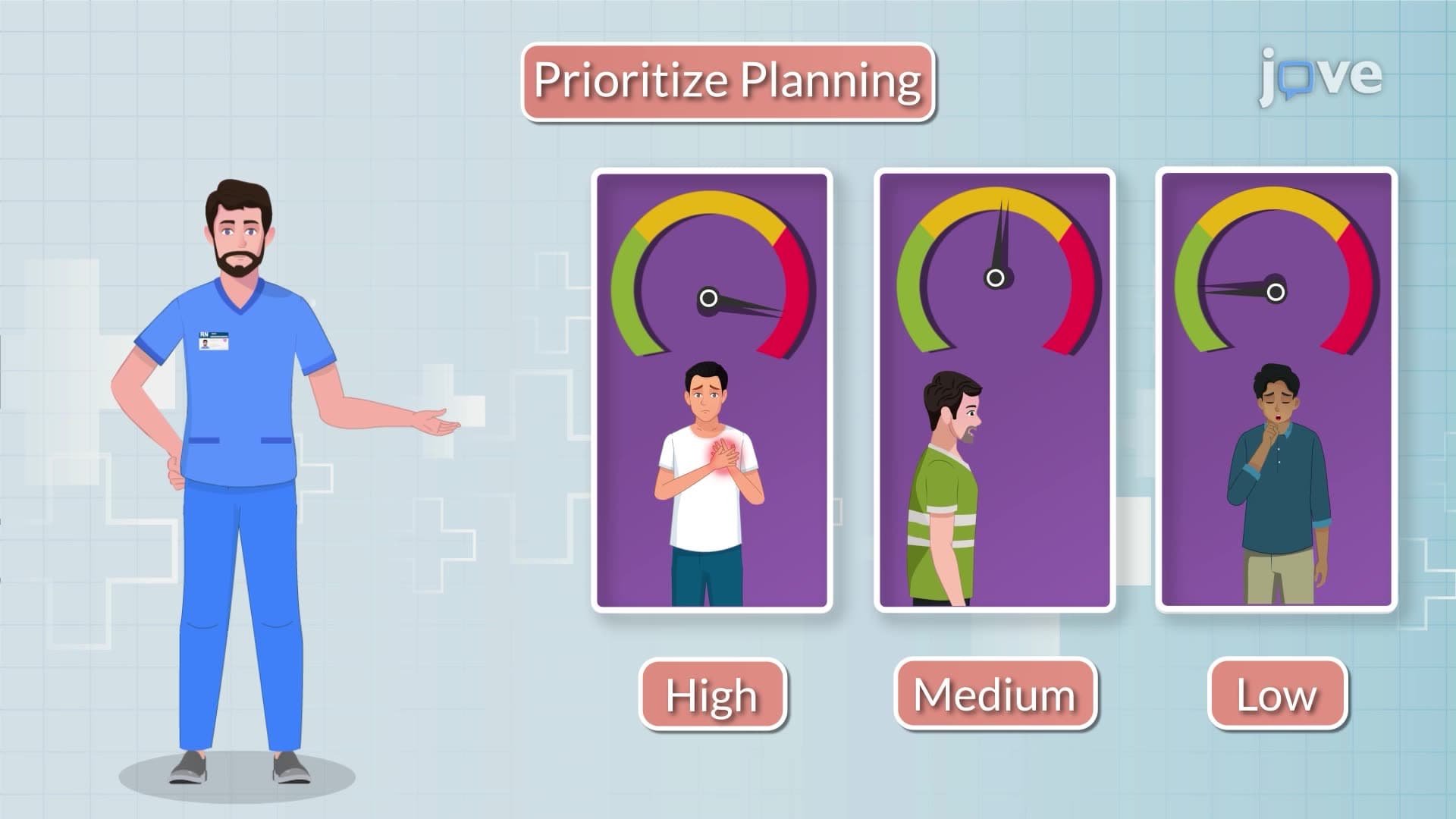
Effective planning nursing care requires systematic priority ranking that categorizes nursing diagnoses into three distinct levels. High-priority diagnoses address immediate threats to life, such as airway obstruction, severe bleeding, or cardiac arrest situations. These emergent conditions demand immediate intervention and continuous monitoring, skills frequently tested on HESI A2 and TEAS nursing entrance examinations.
Medium-priority diagnoses encompass non-life-threatening conditions that still require prompt attention, including pain management, infection prevention, and mobility assistance. Low-priority diagnoses address patient comfort, education needs, and long-term health promotion goals that can be addressed once more urgent needs are stabilized.
Related Micro-courses