Loading video…


 7 Concepts
 27.5K views

Video Summary: What Is Nursing Evaluation
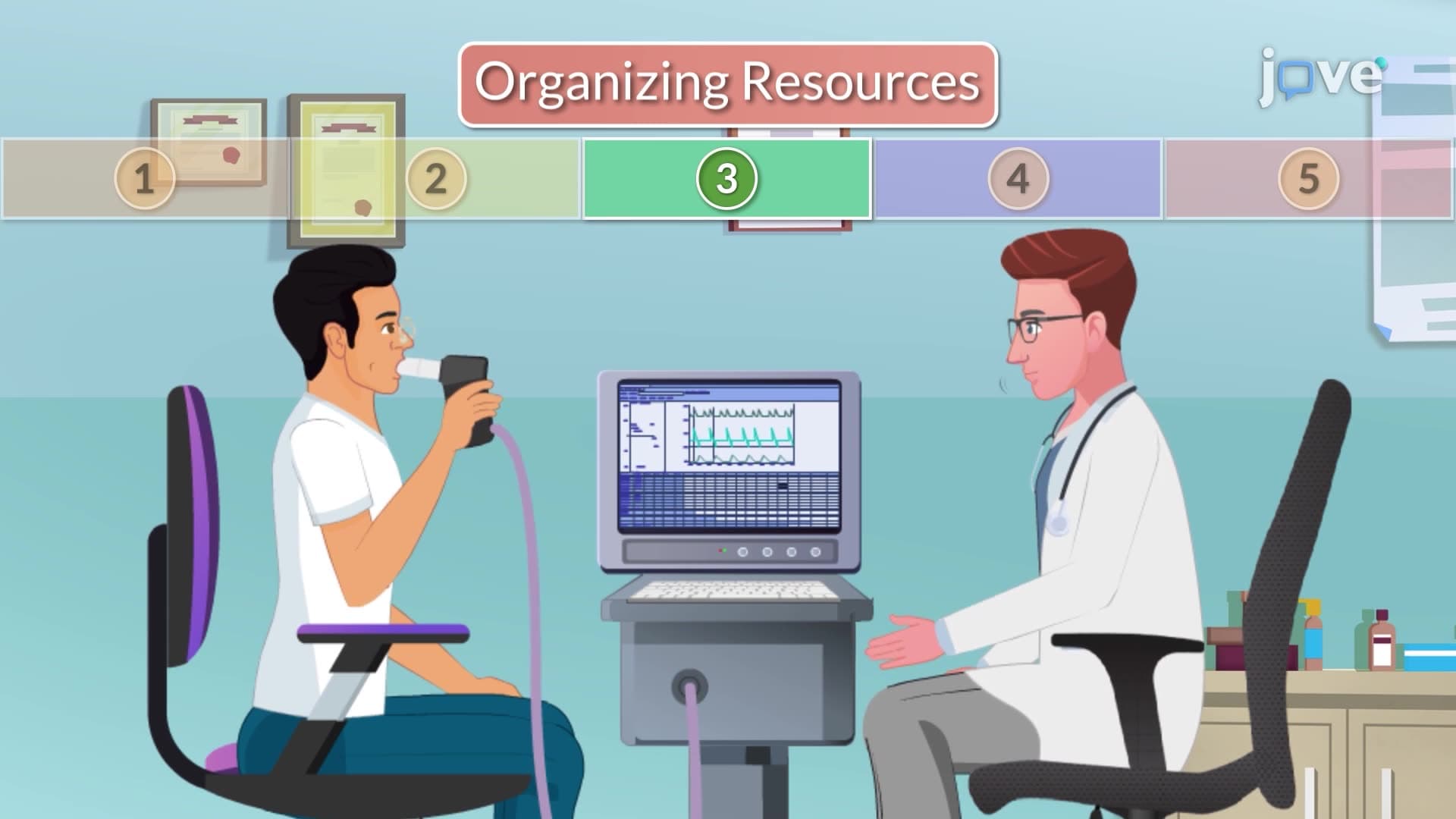
Ever wondered how nurses at Johns Hopkins Hospital determine if their patient care actually works? Nursing evaluation is the systematic process that measures whether nursing interventions successfully achieve patient goals. This critical assessment involves collecting data on cognitive, psychomotor, affective, and physiological outcomes to ensure optimal patient care. For example, when a diabetic patient at Mayo Clinic learns insulin administration, nurses evaluate both their technique demonstration and blood glucose improvements. Watch the full video on JoVE Coach to master this concept with expert-led visuals and step-by-step explanations.
Nursing evaluation represents the final and arguably most crucial step in the nursing process, serving as the quality control mechanism that determines whether nursing care achieves its intended goals. Unlike simple observation, nursing evaluation involves systematic data collection and analysis to measure patient progress objectively. This process directly impacts patient safety, healthcare outcomes, and professional accountability in settings ranging from community hospitals to major medical centers like Cleveland Clinic.
Effective nursing evaluation encompasses four distinct outcome categories, each requiring specific assessment strategies. Cognitive outcomes measure knowledge acquisition and application-for instance, evaluating whether a heart failure patient at Texas Medical Center can correctly identify signs of fluid retention and knows when to contact their physician. Psychomotor outcomes assess skill development through demonstration, such as a post-surgical patient properly performing wound care techniques.
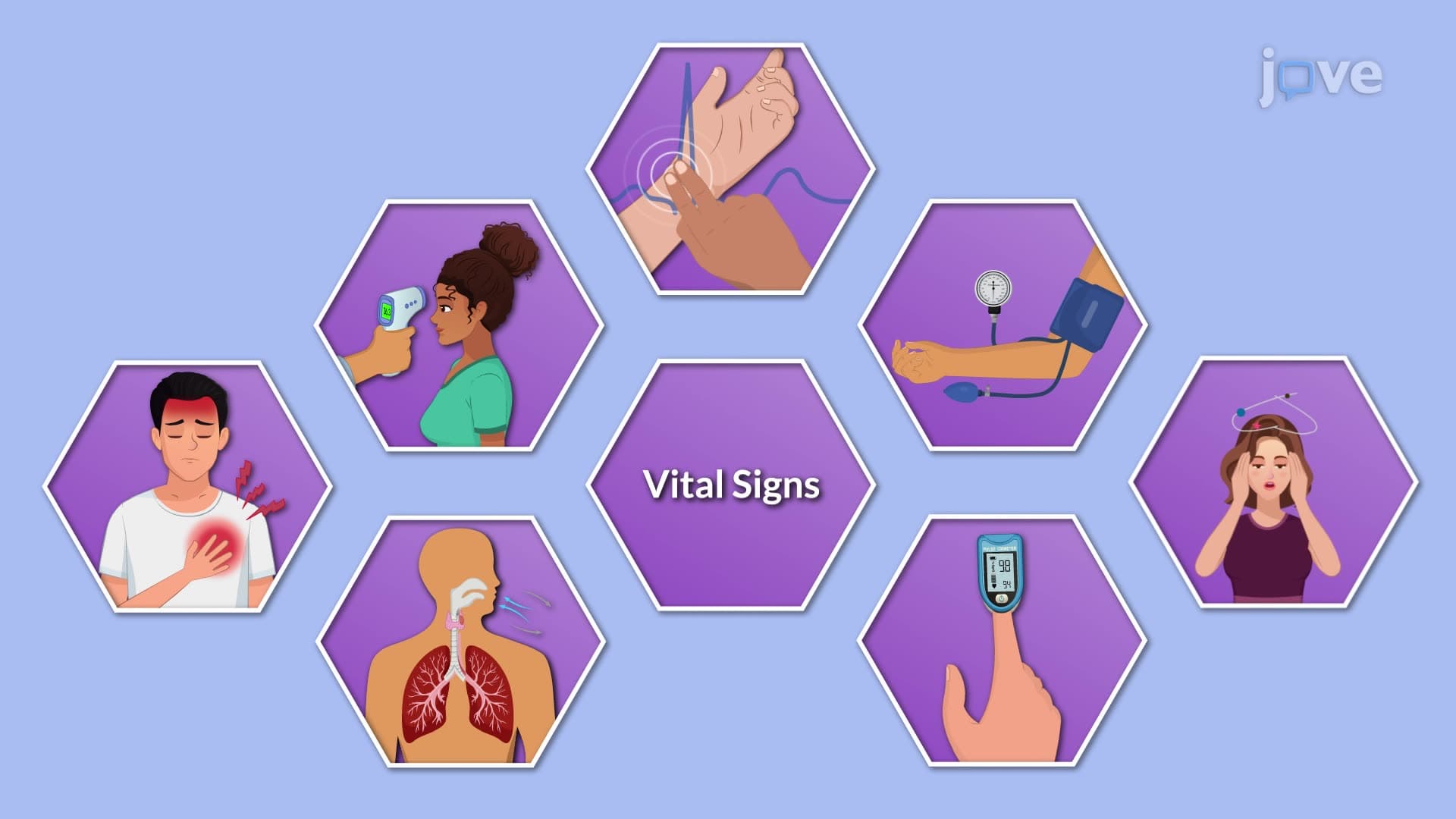
Affective outcomes examine changes in patient attitudes, values, and beliefs, often the most challenging to measure objectively. Nurses observe behavioral indicators and listen to patient conversations to assess emotional adaptation to chronic conditions like diabetes or hypertension. Physiological outcomes provide concrete, measurable data through vital signs, laboratory values, and physical assessments, forming the foundation for evidence-based care modifications.
Establishing appropriate evaluation timeframes proves essential for accurate outcome measurement. Short-term evaluations might occur within hours for pain management interventions, while long-term assessments for lifestyle modifications may extend over months. For NCLEX-RN exam preparation, students must understand that evaluation timing directly relates to the nature of nursing interventions and expected patient responses.
Modern nursing evaluation aligns with evidence-based practice standards mandated by The Joint Commission and supported by organizations like the American Nurses Association. This systematic approach helps nurses at institutions from Stanford Medical Center to small rural hospitals maintain consistent care quality while meeting regulatory requirements and professional standards that students encounter in HESI A2 and TEAS exam scenarios.
Related Micro-courses