Loading video…


 7 Concepts
 27.5K views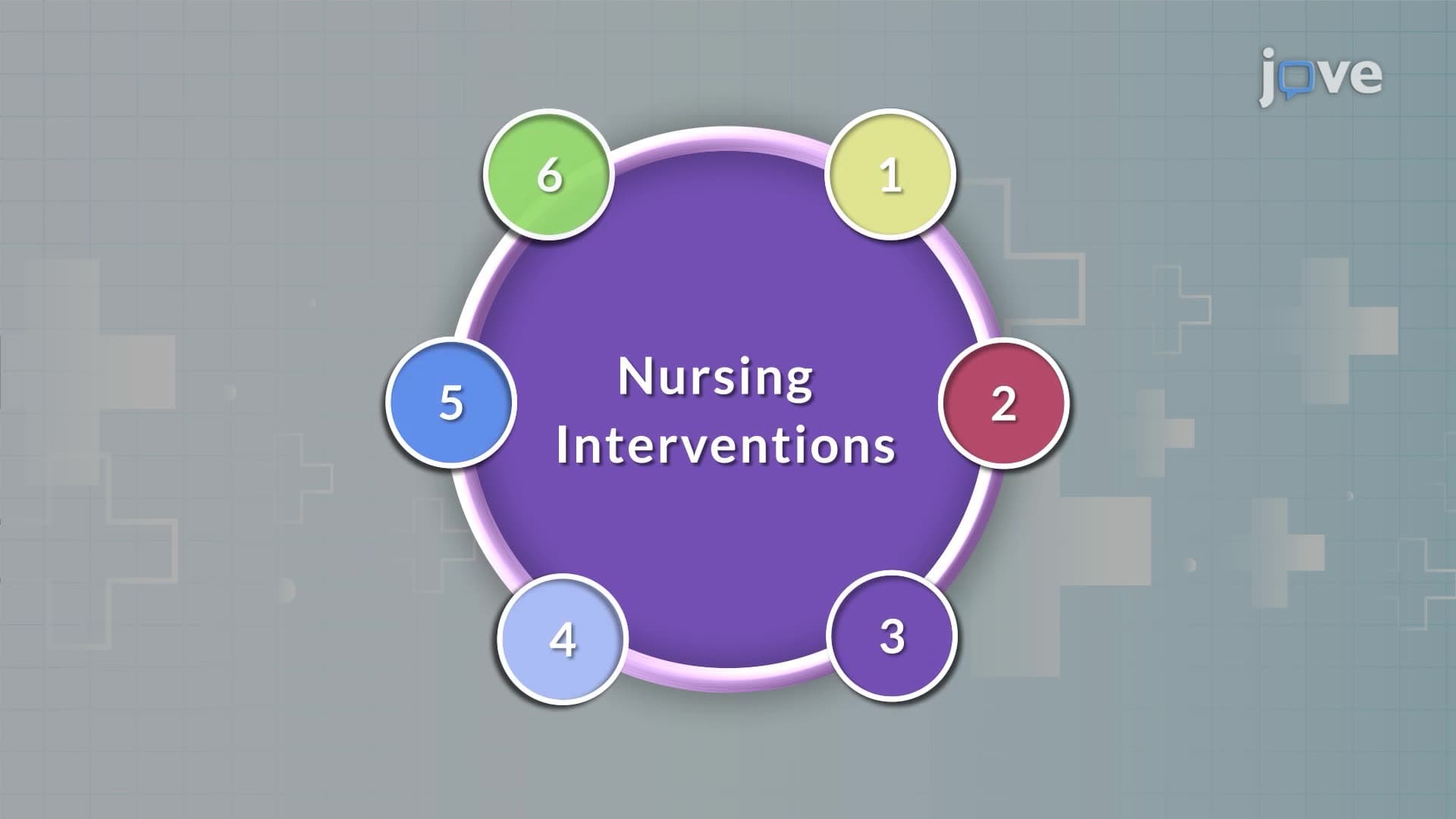

Video Summary: Nursing Interventions Ii Selection and Classification
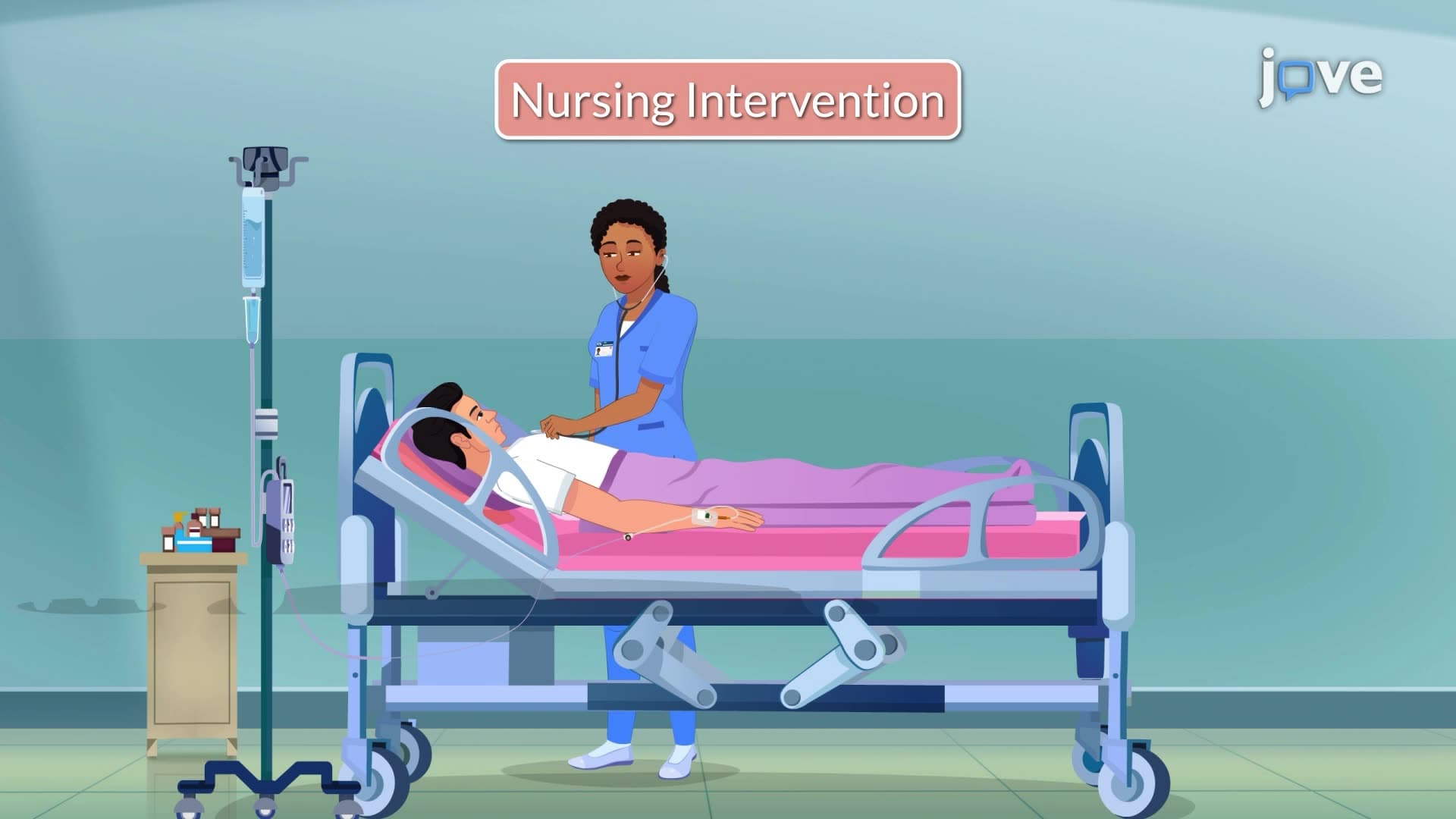
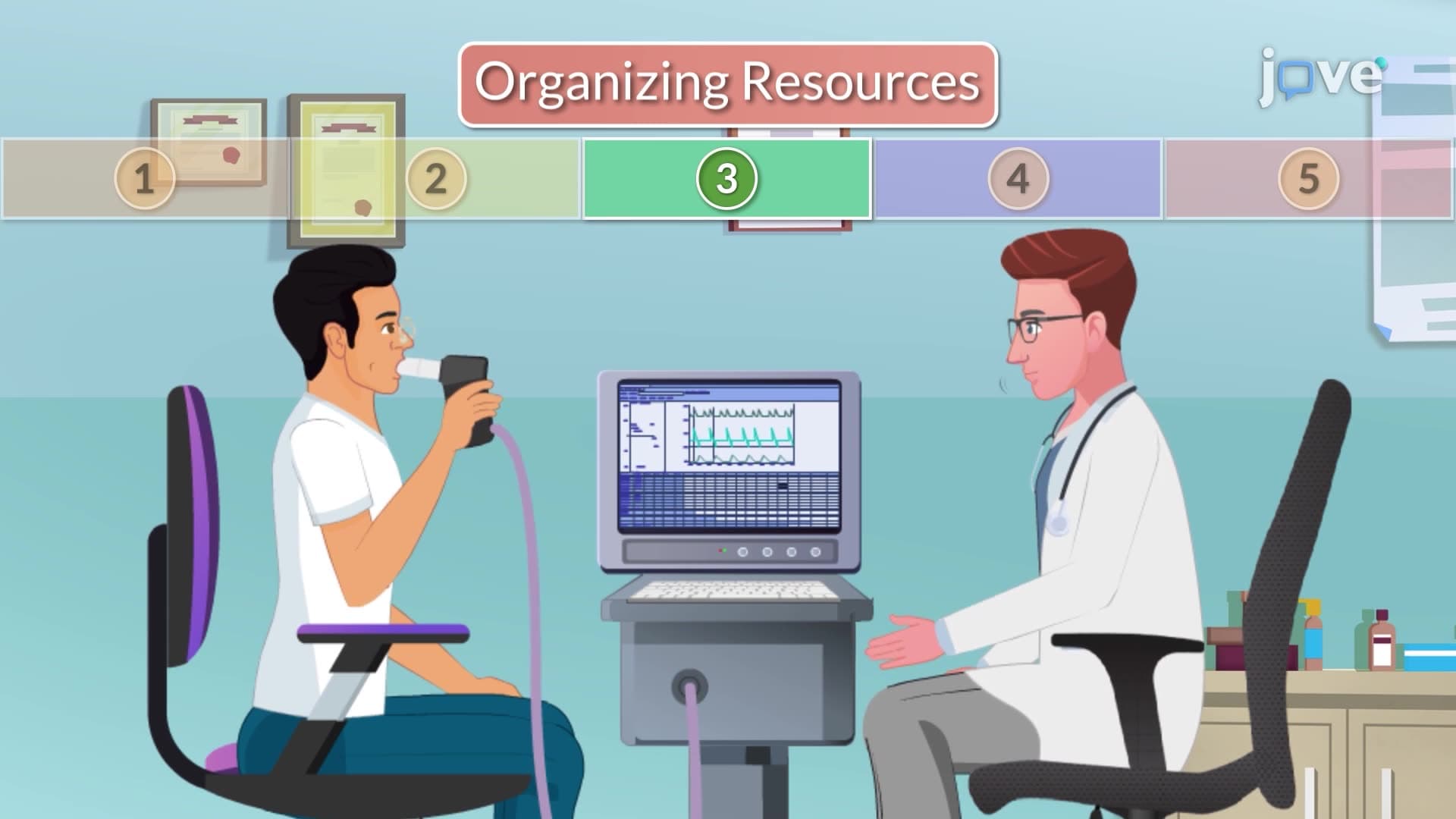
Did you know that nurses make over 200 clinical decisions per shift, with each intervention carefully selected using six evidence-based criteria? Nursing interventions II: selection involves a systematic approach that considers patient outcomes, diagnosis characteristics, research evidence, feasibility, patient acceptability, and nurse capability. For instance, when caring for a diabetic patient at Johns Hopkins Hospital, nurses must select interventions that align with the patient's cultural dietary preferences while meeting clinical glucose targets. Watch the full video on JoVE Coach to master this concept with expert-led visuals and step-by-step explanations.
Nursing Interventions II: Selection and Classification represents a sophisticated decision-making process that transforms theoretical nursing knowledge into practical patient care. This systematic approach ensures that every nursing action is purposeful, evidence-based, and tailored to individual patient needs. Unlike basic task completion, this advanced framework requires critical thinking skills that nursing students develop throughout their undergraduate programs and refine during clinical rotations at major medical centers like Mayo Clinic or Cleveland Clinic.
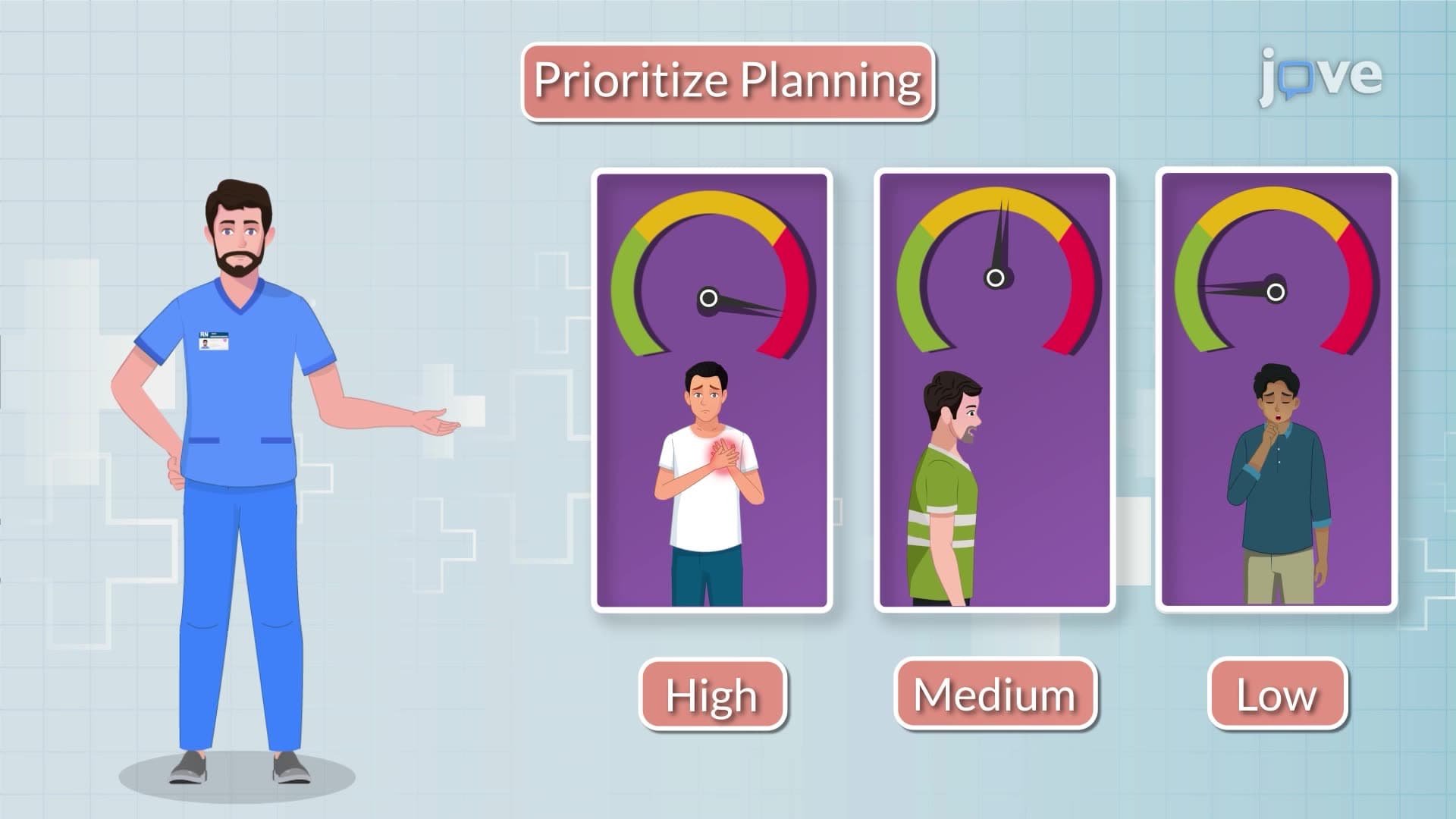
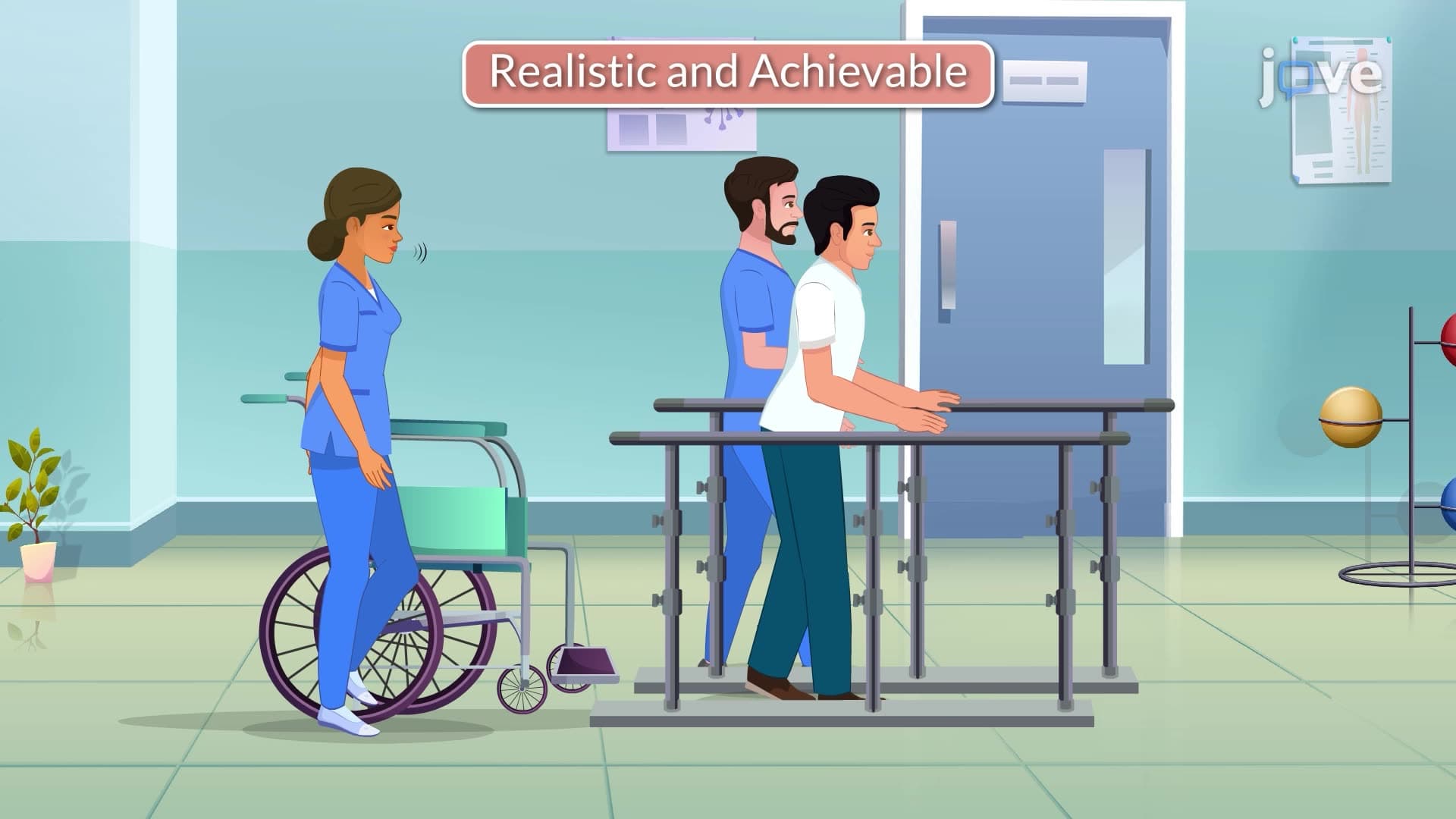
Patient Outcome-Based Selection forms the foundation of effective nursing practice. When selecting interventions, nurses must clearly define measurable outcomes such as "patient will demonstrate proper insulin injection technique within 24 hours" rather than vague goals. This specificity allows for objective evaluation and adjustment of care plans, a skill heavily tested on the NCLEX-RN examination.
Diagnosis-Driven Interventions require nurses to understand the underlying pathophysiology and risk factors associated with specific nursing diagnoses. For example, when addressing "Risk for Falls" in elderly patients at assisted living facilities, interventions must target both intrinsic factors (muscle weakness, medication effects) and extrinsic factors (environmental hazards, inadequate lighting). This diagnostic reasoning appears frequently in HESI A2 and TEAS practice questions.
Evidence-Based Practice Integration distinguishes professional nursing from task-oriented caregiving. Nurses must evaluate current research from reputable sources like the American Nurses Association or peer-reviewed journals published by institutions such as Johns Hopkins University. When research is limited, expert consensus from organizations like the American Association of Critical-Care Nurses provides guidance. This concept is fundamental to success in upper-level nursing courses and graduate programs.
The Nursing Interventions Classification (NIC) system, developed at the University of Iowa, provides over 500 standardized interventions organized into 30 classes and seven domains. This taxonomy enables nurses worldwide to communicate effectively and compare outcomes across different healthcare systems. For instance, the intervention "Pain Management" (1400) includes specific activities that nurses can implement consistently whether working in rural Montana or urban New York hospitals. Understanding NIC classifications is essential for nursing informatics courses and appears on advanced practice nursing certification exams like the AANP.
Related Micro-courses