Loading subject page…


27,500 views

Video Summary: What Is Guidelines for Writing Outcome
Every year, thousands of nursing students at US colleges struggle with writing effective patient outcomes, yet 95% of nursing care plan failures stem from poorly written outcome statements. Understanding guidelines writing outcome principles transforms vague goals like "patient will feel better" into measurable targets such as "patient will ambulate 50 feet without assistance within 48 hours." Consider how Mercy Hospital in Chicago reduced readmission rates by 23% simply by implementing structured outcome writing protocols. Watch the full video on JoVE Coach to master this concept with expert-led visuals and step-by-step explanations.
Guidelines writing outcome represents a systematic approach to creating measurable, patient-centered goals that drive effective healthcare delivery. These frameworks originated from evidence-based nursing practice and have become fundamental to nursing education across US institutions, from community colleges to major university programs like Johns Hopkins and UCLA.
Successful outcome writing hinges on patient-focused language rather than nursing-centered interventions. Instead of writing "nurse will educate patient about diabetes," effective outcomes state "patient will demonstrate proper insulin injection technique within 24 hours." This distinction appears frequently on NCLEX-RN examinations and nursing school assessments.
The guidelines for writing outcome definition explained emphasizes observable, measurable verbs. Terms like "demonstrate," "verbalize," "perform," and "identify" create concrete evaluation criteria. Conversely, subjective verbs like "understand," "know," or "appreciate" leave outcomes open to interpretation, making evaluation impossible. US nursing programs, including those at University of Pennsylvania and Duke University, consistently teach this distinction as foundational knowledge.
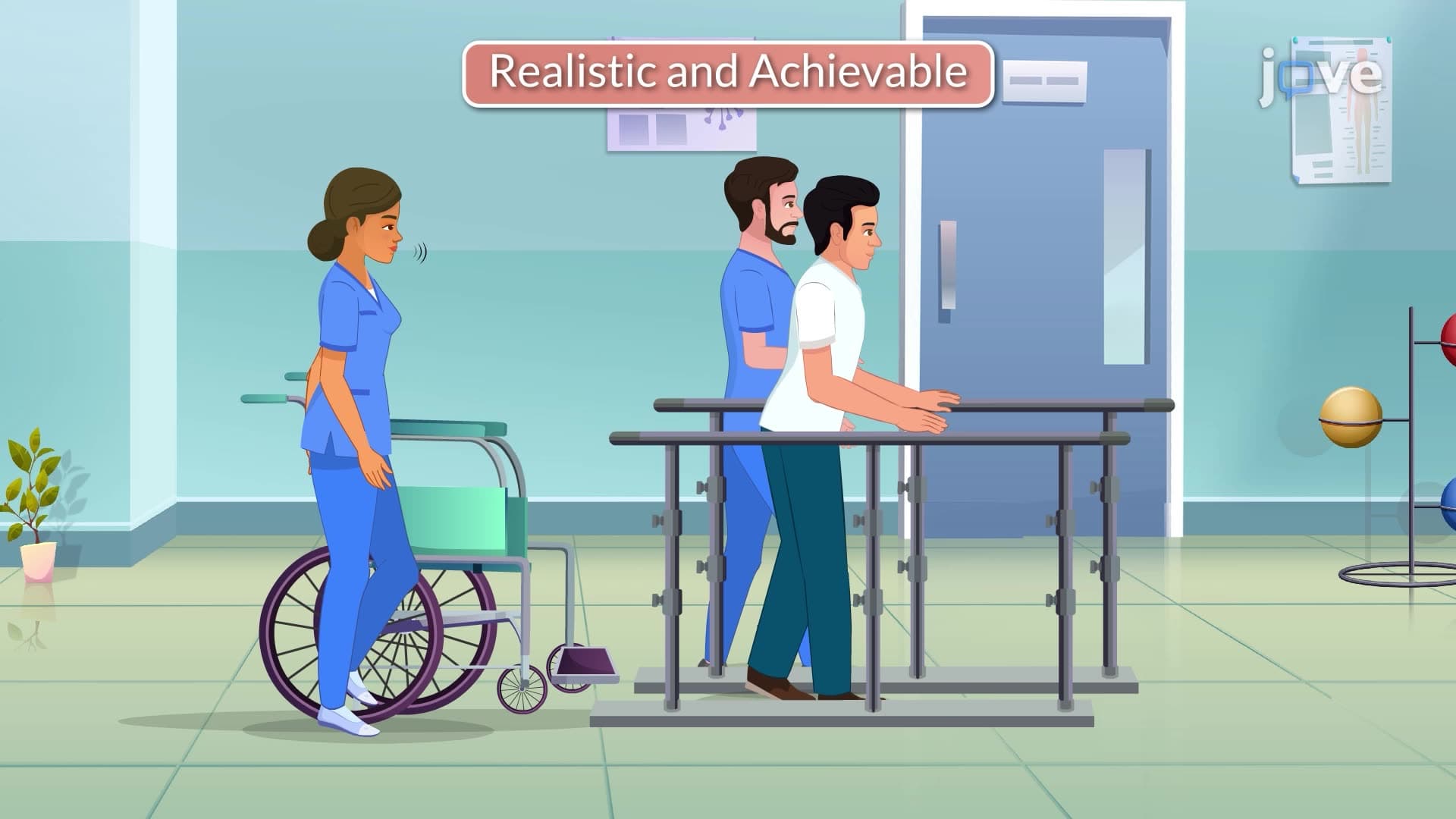
Professional guidelines writing outcome notes stress achievability within designated timeframes. A post-surgical patient cannot realistically "return to normal activity level within 2 hours," but might "sit upright for 15 minutes without dizziness within 4 hours post-anesthesia." This realistic approach prevents care plan failures and supports evidence-based practice standards required by The Joint Commission.
Specificity eliminates ambiguity in outcome measurement. Rather than "patient will improve mobility," effective outcomes specify "patient will walk 100 feet using walker with minimal assistance by discharge day." This precision supports quality assurance measures used in major US healthcare systems like Mayo Clinic and Cleveland Clinic.
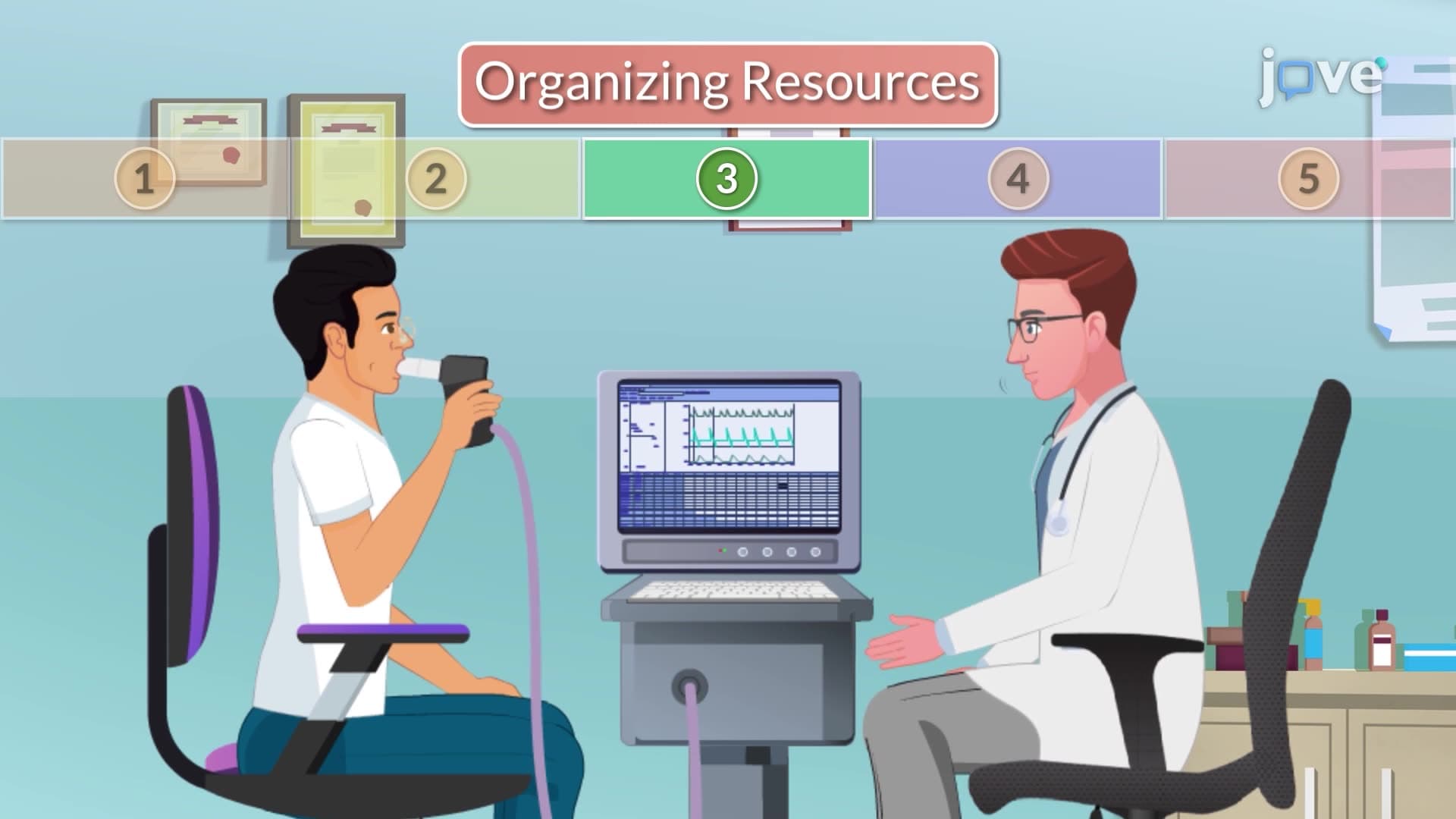
Modern guidelines for writing outcome study guide materials emphasize interdisciplinary coordination. Nursing outcomes must align with physical therapy goals, physician treatment plans, and social work interventions. This collaborative approach reflects current healthcare delivery models taught in accredited US nursing programs.
Patient participation in outcome development increases compliance and achievement rates. When patients help establish their goals, studies show 40% higher success rates in meeting care objectives. This principle appears in AP Psychology coursework and undergraduate health sciences programs, connecting theoretical knowledge to practical application.
Related Micro-courses