Loading subject page…


27,500 views

Video Summary: Nursing Interventions I Taxonomy of Explained
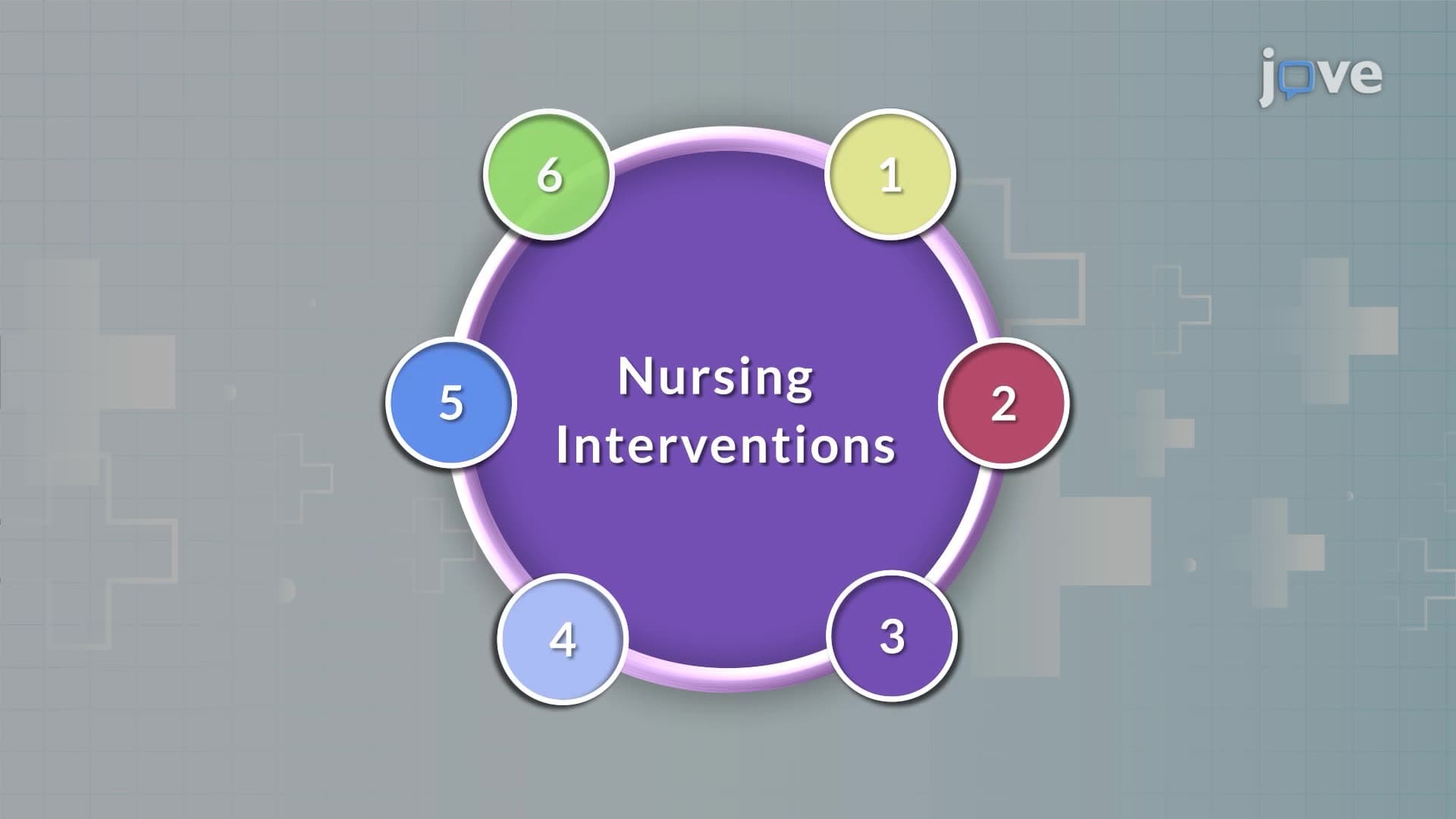
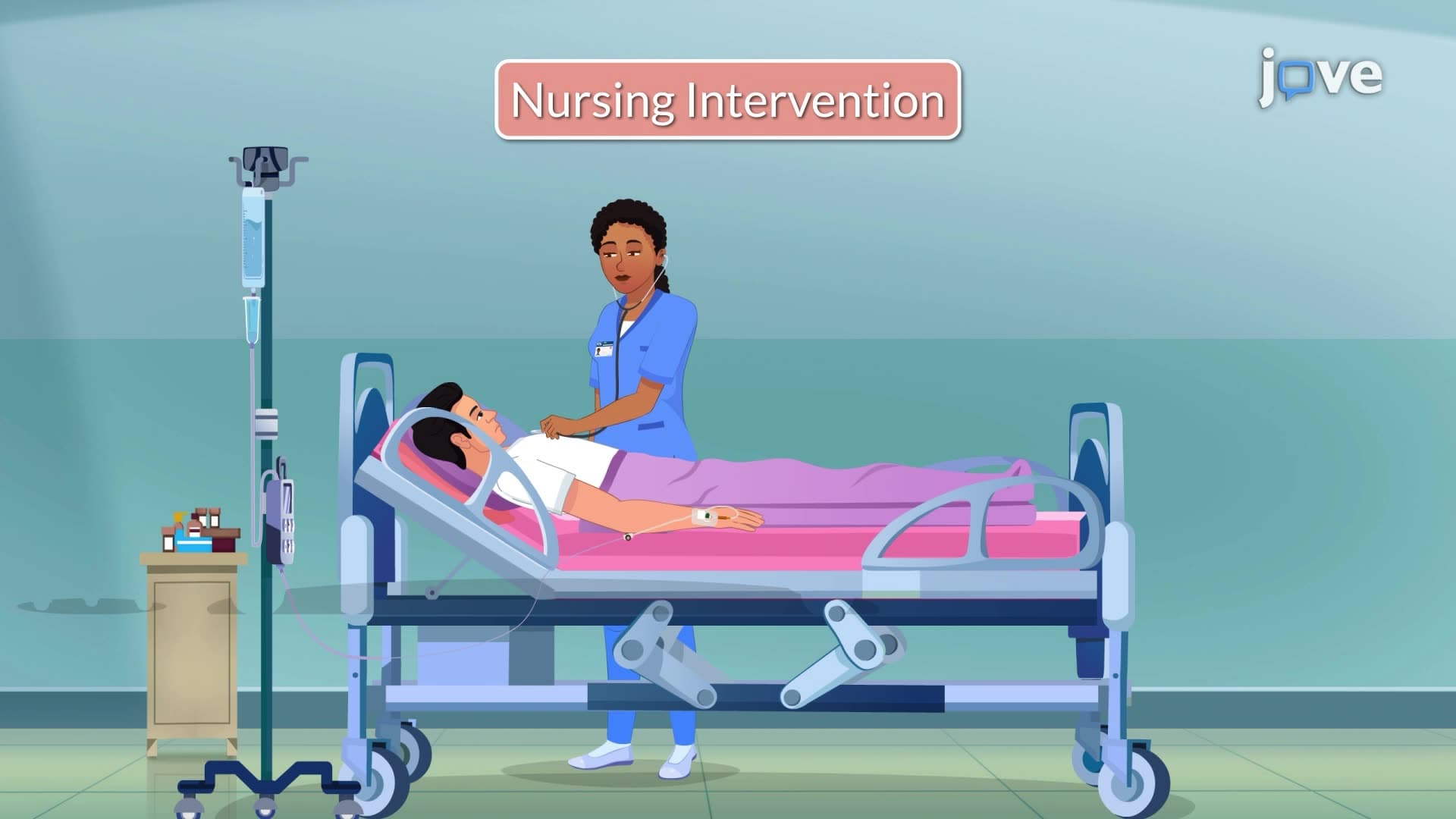
Did you know that every action a nurse takes-from teaching a diabetic patient about blood sugar monitoring to administering IV antibiotics-follows a specific classification system? Nursing interventions I: taxonomy categorizes these critical care actions into three distinct types: nurse-initiated, physician-initiated, and collaborative interventions. For example, when a registered nurse at Johns Hopkins Hospital educates a heart disease patient about sodium restrictions, this represents a nurse-initiated intervention based on evidence-based practice. Understanding Nursing Interventions I: Taxonomy of Explained helps future healthcare professionals deliver systematic, effective patient care. Watch the full video on JoVE Coach to master this concept with expert-led visuals and step-by-step explanations.
The systematic classification of nursing interventions represents a cornerstone of professional nursing practice in the United States. This taxonomy provides a structured framework that guides nurses in delivering evidence-based care while maintaining clear professional boundaries and accountability. Unlike informal caregiving, professional nursing interventions must be grounded in scientific rationale, clinical judgment, and established protocols that ensure patient safety and optimal outcomes.
Nurse-initiated interventions represent the autonomous practice domain where registered nurses exercise independent clinical judgment based on nursing diagnoses and evidence-based knowledge. These interventions require no physician orders and fall within the nurse's scope of practice as defined by state nursing practice acts. Examples include patient education programs, fall prevention protocols, pressure ulcer prevention strategies, and health promotion activities.
Consider a cardiac rehabilitation unit at Cleveland Clinic where nurses independently implement patient education sessions about heart-healthy diets, monitor patients for signs of fluid overload, and adjust positioning schedules to prevent complications. These interventions demonstrate the nurse's ability to assess, plan, and implement care based on nursing expertise and established clinical guidelines. For students preparing for the NCLEX-RN examination, understanding the legal and professional implications of independent nursing practice is crucial for both exam success and future clinical competency.
Physician-initiated interventions bridge medical and nursing practice, requiring nurses to implement treatments prescribed by physicians while applying nursing knowledge to ensure safe, effective delivery. This category includes medication administration, wound care procedures following medical protocols, and implementing specific therapeutic regimens. The nurse's role extends beyond mere task completion to encompass clinical monitoring, patient assessment, and communication of treatment responses to the healthcare team.
Collaborative interventions represent the interdisciplinary nature of modern healthcare, where nurses work alongside dietitians, physical therapists, social workers, and other specialists to implement comprehensive care plans. For instance, at Mayo Clinic's diabetes management program, nurses coordinate with certified diabetes educators to implement nutritional counseling while monitoring blood glucose levels and adjusting insulin administration schedules. This collaborative approach ensures patients receive holistic care that addresses multiple health dimensions simultaneously.
Understanding these intervention categories proves essential for students pursuing healthcare careers, particularly those preparing for standardized examinations like the HESI A2, TEAS, or pre-nursing program assessments. The taxonomy provides a framework for critical thinking about patient care scenarios commonly encountered in both academic settings and clinical practice.
Related Micro-courses